
As the seasons change, many greenhouse enthusiasts face a common challenge: maintaining optimal temperatures without exorbitant heating costs. Extending the growing season through colder months or protecting delicate plants from sudden frosts requires effective insulation. While commercial solutions abound, one popular, budget-friendly DIY method that often sparks curiosity is using bubble wrap. But how effective is this humble packing material for sophisticated climate control, and what are its real technical pros and cons? Let’s delve into the science and practicalities of using bubble wrap to keep your greenhouse warm.
The Science Behind Bubble Wrap: A Technical Advantage
At its core, insulation works by slowing the transfer of heat. Bubble wrap excels at this by leveraging the principle of trapped air. Air is a poor conductor of heat, and the small, sealed pockets within bubble wrap effectively immobilize a layer of air, creating a thermal barrier. This mechanism significantly reduces heat loss through convection and conduction.
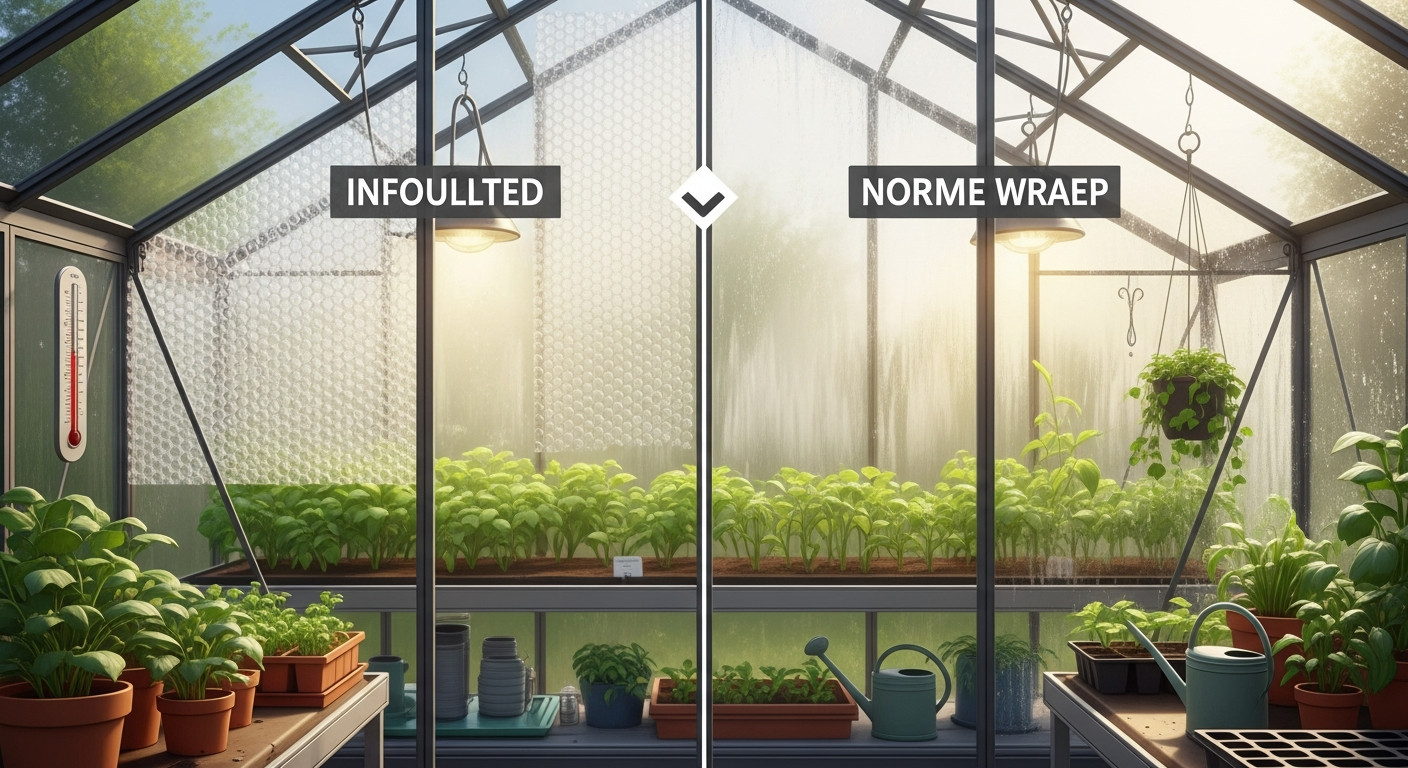
- R-Value and Thermal Resistance: While bubble wrap isn’t rated with a traditional R-value like fiberglass, its insulating properties are undeniable. A single layer of large-bubble wrap can add an estimated R-value of around 1.0 to 1.5, which, while seemingly low, can make a substantial difference in an otherwise uninsulated glass or polycarbonate greenhouse. The larger the bubbles, generally, the more air is trapped, leading to slightly better insulation.
- Reduced Convection: Heat often escapes a greenhouse as warm air rises and passes through gaps or thin glazing. Bubble wrap minimizes this convective heat loss by creating a more substantial boundary layer.
- Mitigated Conduction: Direct contact with cold glazing rapidly conducts heat away. The plastic material of the bubble wrap itself, combined with the trapped air, reduces the direct conductive path for heat to escape.
- Cost-Effectiveness: Arguably its biggest technical ‘pro’ from a practical standpoint, bubble wrap is incredibly inexpensive compared to dedicated greenhouse insulation materials. This makes it an accessible option for growers on a tight budget.
By effectively slowing these heat transfer processes, bubble wrap helps to retain the warmth generated within your greenhouse, leading to a more stable internal temperature and less reliance on supplementary heating.
Practical Benefits for the Greenhouse Enthusiast
Beyond the technical science, using bubble wrap offers several tangible advantages that directly impact a grower’s success and wallet.
- Significant Heat Retention: The primary benefit is improved heat retention. During colder nights, an insulated greenhouse can stay several degrees warmer than an uninsulated one. This difference can be crucial for preventing frost damage to sensitive plants and extending your growing season well into autumn and early spring.
- Reduced Heating Costs: Less heat escaping means less energy required to maintain your desired temperature. For greenhouses that use electric heaters or propane, bubble wrap insulation can lead to a noticeable reduction in utility bills, often paying for itself in a single season.
- Enhanced Frost Protection: Even without active heating, bubble wrap can provide sufficient passive insulation to protect plants from light frosts, offering a vital buffer during unexpected cold snaps.
- Light Diffusion: While often seen as a con (which we’ll discuss), the diffused light offered by bubble wrap can be beneficial. It scatters direct sunlight, reducing hot spots and the risk of scorching delicate foliage, particularly in areas with intense sun. This can create a more uniform light environment within the greenhouse.
- Ease of Installation and Removal: Bubble wrap is lightweight and relatively easy to cut and install. Most DIY methods involve simply wetting the window panes and pressing the bubble wrap onto the glass, where it adheres through surface tension. It’s equally easy to remove when warmer weather arrives, making it a flexible seasonal solution.
For the budget-conscious gardener looking for an immediate and impactful way to improve their greenhouse climate, bubble wrap presents a compelling case.
Navigating the Downsides: Technical & Practical Considerations
Despite its advantages, bubble wrap is not a perfect solution and comes with its own set of technical and practical drawbacks that growers must consider.
- Reduced Light Transmission: This is perhaps the most significant disadvantage. Any layer of material placed over your glazing will reduce the amount of light reaching your plants. Bubble wrap, being opaque in parts, can reduce light transmission by 10-20% or even more, depending on its thickness and cleanliness. For plants that require high light levels, this reduction can impact photosynthesis and growth, leading to leggy, weaker plants or reduced yields.
- UV Degradation: Standard packaging bubble wrap is typically made from polyethylene that is not UV-stabilized. Prolonged exposure to sunlight will cause it to degrade over time, becoming brittle, yellow, and cloudy. This not only reduces its insulating effectiveness and light transmission but also shortens its lifespan, often requiring replacement annually. While UV-stabilized greenhouse film bubble wrap exists, it’s more expensive and harder to source.
- Condensation Issues: While bubble wrap can help reduce condensation on the *outer* surface of your glazing by keeping it warmer, condensation can still form *between* the bubble wrap and the glass, especially if there isn’t a tight seal or proper ventilation. This trapped moisture can reduce light transmission, promote algae or mold growth, and potentially even freeze, causing damage or further reducing insulation.
- Aesthetics: Let’s be honest, bubble wrap isn’t the most visually appealing material. For some, the temporary, makeshift look might detract from the garden’s overall aesthetic.
- Durability and Maintenance: Bubble wrap is prone to punctures and tears, especially during installation or handling. It also tends to accumulate dust and dirt, further reducing light transmission and requiring regular cleaning or replacement.
- Installation Challenges: While generally easy, insulating a large or irregularly shaped greenhouse can still be a tedious task, requiring precise cutting and secure fastening to avoid gaps where heat can escape.
Understanding these limitations is crucial for making an informed decision about integrating bubble wrap into your greenhouse climate control strategy.
Maximizing Your Bubble Wrap Insulation Strategy
If you decide to utilize bubble wrap, there are several practical tips to enhance its effectiveness and mitigate its downsides.
- Choose the Right Bubble Wrap: Opt for large-bubble wrap (at least 1/2 inch diameter) for better insulation. If possible, seek out UV-stabilized bubble wrap specifically designed for horticultural use; it will last longer and yellow less.
- Clean Surfaces Thoroughly: Before installation, ensure your greenhouse glazing is spotlessly clean. Dirt and grime will reduce adhesion and light transmission.
- Installation Methods:
- Water Adhesion: A common method is to spray a fine mist of water (or a very dilute soap solution) onto the clean glass and then press the bubble wrap onto it with the bubble side facing the glass. Surface tension will hold it in place. Ensure a tight seal with minimal air gaps.
- Double-Sided Tape or Clips: For a more secure or semi-permanent installation, consider using greenhouse-specific double-sided tape or specialized plastic clips designed to hold insulation in place, especially around vents or doors.
- Creating an Air Gap: For optimal performance, a small air gap (1/2 to 1 inch) between the bubble wrap and the glazing would provide superior insulation. This is harder to achieve DIY but can be done with spacers or a secondary framing system. However, even direct application provides significant benefit.
- Consider Seasonal Use: Given its UV degradation, it’s often best to install bubble wrap for the colder months and remove it in spring to maximize light during the main growing season. This also allows for cleaning the glazing and inspecting for damage.
- Ventilation Remains Key: Even with insulation, proper ventilation is critical for managing humidity and preventing fungal diseases. Don’t completely seal off your greenhouse. Ensure you still have options for air exchange, even if it’s just a small vent cracked open during warmer parts of the day.
- Monitor Conditions: Regularly check your greenhouse temperature and humidity. Use a thermometer and hygrometer to understand how your insulation is performing and adjust your strategy as needed.
Conclusion
Bubble wrap for DIY greenhouse insulation is a compelling option for many growers. Technically, it functions well by trapping air to reduce heat transfer, and practically, its affordability and ease of installation make it an accessible solution for extending your growing season and reducing heating costs. However, it’s not without its compromises. Reduced light transmission and UV degradation are significant drawbacks that demand careful consideration.
Ultimately, the decision to use bubble wrap depends on your specific needs, plant requirements, and budget. For those looking for a temporary, cost-effective boost to their greenhouse’s thermal performance, especially during challenging winter months, bubble wrap can be an invaluable tool when applied thoughtfully. By understanding both its technical advantages and limitations, you can make an informed choice to optimize your greenhouse climate and nurture your plants effectively.