
As the vibrant hues of summer fade and the chill of autumn whispers through your greenhouse, a familiar dilemma arises for many enthusiasts: how do you protect your beloved tender perennials from winter’s harsh embrace? While these botanical treasures thrive in warmth, they often lack the cold hardiness to survive freezing temperatures, even within the relative shelter of a greenhouse. Enter shade cloth – a tool often associated with summer sun protection, but one that holds surprising utility as a critical component in your overwintering strategy. It’s not just about blocking light; it’s about intelligent climate control, creating a microclimate that can mean the difference between thriving through winter and succumbing to the cold.
Why Shade Cloth is Your Winter Ally for Tender Perennials
While its primary function in summer is to reduce intense solar radiation, shade cloth plays a different yet equally vital role in winter. It acts as an invaluable buffer, mitigating the very elements that pose the greatest threat to your tender perennials. Understanding these benefits is key to harnessing its power for successful overwintering.
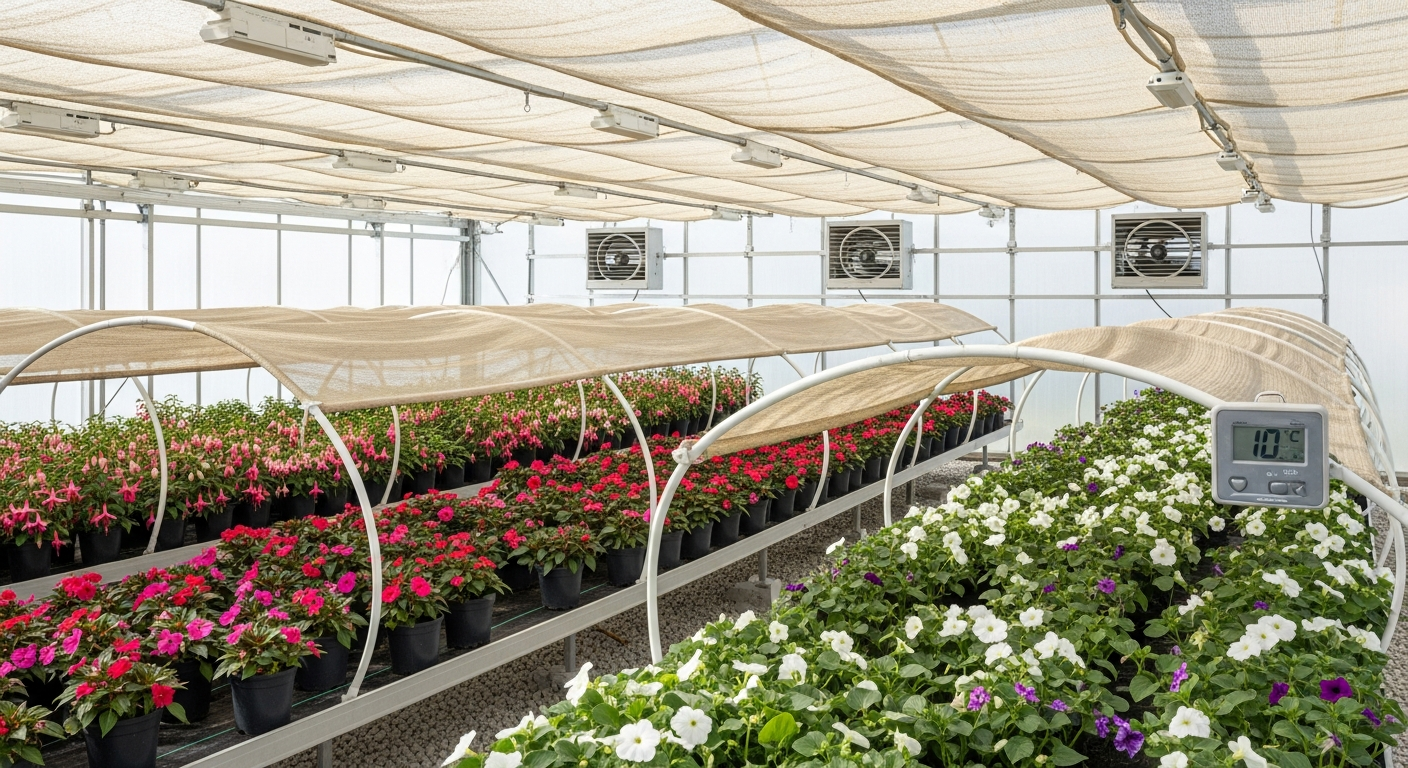
- Temperature Stabilization: One of the most significant advantages of using shade cloth during winter is its ability to reduce drastic temperature fluctuations. Greenhouses can experience significant heat loss at night and rapid warming during sunny winter days. Shade cloth, especially when installed internally, traps a layer of air, acting as an insulating barrier that slows both heat escape and excessive heat gain, creating a more stable environment for your plants.
- Protection from Reflected Light: In regions with snow cover, bright winter sun can reflect off the snow and intensify light levels within the greenhouse. This can lead to unexpected scorching or desiccation, especially for plants that are dormant or less actively photosynthesizing. Shade cloth effectively diffuses and reduces this intense, reflected light, preventing potential damage.
- Wind Break and Desiccation Prevention: Even within a greenhouse, drafts and cold air can still circulate. An external layer of shade cloth can act as an additional windbreak, reducing heat loss through the structure and preventing the drying effects of cold, windy conditions on plant foliage and soil.
- Mitigating Frost Damage: While not a standalone solution for extreme cold, a layer of shade cloth can provide a crucial few degrees of protection against light frost. It reduces the rate at which heat radiates from plant surfaces, lessening the chance of direct frost damage to sensitive leaves and stems.
- Reduced Plant Stress: By providing a more consistent and less extreme environment, shade cloth helps tender perennials ease into and maintain dormancy. This reduces overall stress on the plants, improving their chances of emerging healthy and vigorous in spring.
Choosing the Right Shade Cloth for Overwintering
Selecting the appropriate shade cloth is crucial for effective winter protection. Unlike summer, where you might opt for higher percentages to block intense sun, winter demands a more nuanced approach. The goal isn’t to block all light, but to moderate conditions while still allowing sufficient light for plant health.
Shade Percentage: Less is Often More in Winter
For overwintering tender perennials, a lower shade percentage is generally recommended. Options typically range from 30% to 50%. This allows enough ambient light to filter through, which is still necessary for most dormant or semi-dormant plants, while providing the insulating and moderating benefits. A shade cloth that is too dense (e.g., 70% or higher) could deprive plants of essential light, leading to etiolation (stretching and weakness) and poor health.
- 30-40% Shade Cloth: Ideal for most situations where you need temperature moderation and protection from strong reflected light, without significantly reducing overall light levels. This is often the sweet spot for many tender perennials.
- 50% Shade Cloth: Consider this if your greenhouse experiences exceptionally bright winter sun, or if you are overwintering very sensitive plants that require slightly more subdued light even in dormancy.
Material and Durability
Most shade cloths are made from knitted polyethylene. Look for products that are UV-stabilized, as this ensures their longevity and prevents premature degradation from sun exposure, even during winter months. Woven varieties are also available, often offering a slightly heavier duty option, but knitted varieties are generally sufficient and more cost-effective for most greenhouse applications.
Color Considerations
While black shade cloth is common, offering good light blockage and slight heat absorption, white or reflective shade cloth can also be considered. White cloth will reflect more light and heat, which might be beneficial if your primary concern is preventing scorching from intense reflected snow glare. However, for most overwintering scenarios where a slight temperature buffer is desired, black or dark green shade cloths perform well.
Practical Application: Installing Shade Cloth for Winter Protection
The method of installation will depend on your greenhouse structure, the specific needs of your plants, and the severity of your winter climate. Both internal and external applications have their merits.
Internal Installation: Creating Microclimates and Insulation
Installing shade cloth inside your greenhouse is often the preferred method for overwintering, as it provides a valuable insulating layer and allows for more targeted protection.
- Draping Over Benches: For smaller plants or specific sections, you can drape shade cloth directly over benches or shelving units, creating a mini-tent. Ensure there’s still some air circulation underneath to prevent fungal issues.
- Creating a “Room within a Room”: If you have a larger greenhouse, consider sectioning off an area for your most tender plants. Hang shade cloth to create a smaller, more easily heated and regulated enclosure. This is particularly effective when combined with additional insulation like bubble wrap on the greenhouse walls.
- Securing the Cloth: Use greenhouse clips, strong twine, or bungees to secure the shade cloth to the frame. Ensure it’s taut but not overly stretched, allowing for airflow between the cloth and the plants/structure.
External Installation: Windbreak and Direct Light Reduction
Applying shade cloth to the exterior of your greenhouse offers robust protection against wind and can reduce overall light transmission, especially for very exposed structures.
- Over the Glazing: Securely attach the shade cloth directly over the greenhouse glazing, ensuring it is tightly fastened to withstand winter winds. Grommeted shade cloths with bungee cords or strong ties are excellent for this.
- As a Wind Skirt: If strong winds are a major concern, you can also install shade cloth around the lower perimeter of your greenhouse to act as a windbreak, preventing cold drafts from entering and reducing heat loss at ground level.
Key Installation Tips:
- Timing is Everything: Install your shade cloth before the first consistent hard frosts are expected. Removing it too early in spring can expose plants to late frosts or sudden temperature changes.
- Allow for Airflow: Even with shade cloth, good air circulation is paramount. On warmer winter days, ensure you can still ventilate the greenhouse to prevent humidity buildup and fungal diseases.
- Monitor Regularly: Check your plants frequently. Look for signs of stress, excessive cold, or lack of light. Adjust the shade cloth as needed – sometimes partial removal on very cloudy days might be beneficial, or doubling up on exceptionally cold nights.
Beyond Shade Cloth: Integrated Overwintering Strategies
While shade cloth is a powerful tool, it performs best when integrated into a comprehensive overwintering plan. Combining methods ensures maximum protection and plant health.
- Insulate Your Greenhouse Walls: Lining the interior walls and roof with bubble wrap, polycarbonate sheets, or thermal blankets significantly improves the insulation of your greenhouse, reducing overall heating costs and preventing heat loss.
- Reduce Watering: Most tender perennials require less water during their dormant or semi-dormant winter period. Overwatering in cold conditions can lead to root rot. Allow the topsoil to dry out before watering sparingly.
- Ensure Good Air Circulation: Even in winter, stagnant air is a breeding ground for pests and diseases. Use small fans to keep air moving, especially if you have dense groupings of plants or are using internal shade cloth tents.
- Minimal Supplemental Heat: For very cold regions or exceptionally sensitive plants, a small electric heater with a thermostat can provide just enough supplemental warmth on the coldest nights to keep temperatures above freezing.
- Group Plants Together: Huddling container plants together allows them to share residual warmth and offers collective protection from cold drafts.
- Consider Cold Frames: For smaller collections of tender perennials, a cold frame with a layer of shade cloth draped over it can offer an excellent, localized microclimate for protection.
Overwintering tender perennials successfully requires a blend of knowledge, observation, and proactive measures. By intelligently deploying shade cloth, you’re not just blocking light; you’re actively managing your greenhouse’s climate, providing a stable, protective environment that encourages your beloved plants to rest and prepare for another spectacular growing season. Experiment with percentages and installation methods, observe your plants’ responses, and you’ll soon master the art of winter plant protection with this versatile tool.