
Greenhouse misting systems are unsung heroes, diligently maintaining optimal humidity levels, aiding in propagation, and providing essential cooling for your plants. A finely tuned misting system ensures a thriving environment, contributing significantly to plant health and productivity. However, even the most robust systems can encounter hiccups. When your mist isn’t quite right, it can quickly impact your greenhouse climate control, leading to stress for your precious plants. Don’t let a malfunctioning misting system dampen your growing ambitions. This comprehensive guide will walk you through common issues, offering practical troubleshooting steps to get your system back to peak performance, ensuring your greenhouse maintains its ideal misty haven.
The Heart of the System: Nozzle and Line Problems
The nozzles and the lines that feed them are the most visible parts of your misting system, and often the first place problems manifest. Keeping these components clean and intact is paramount for consistent performance.
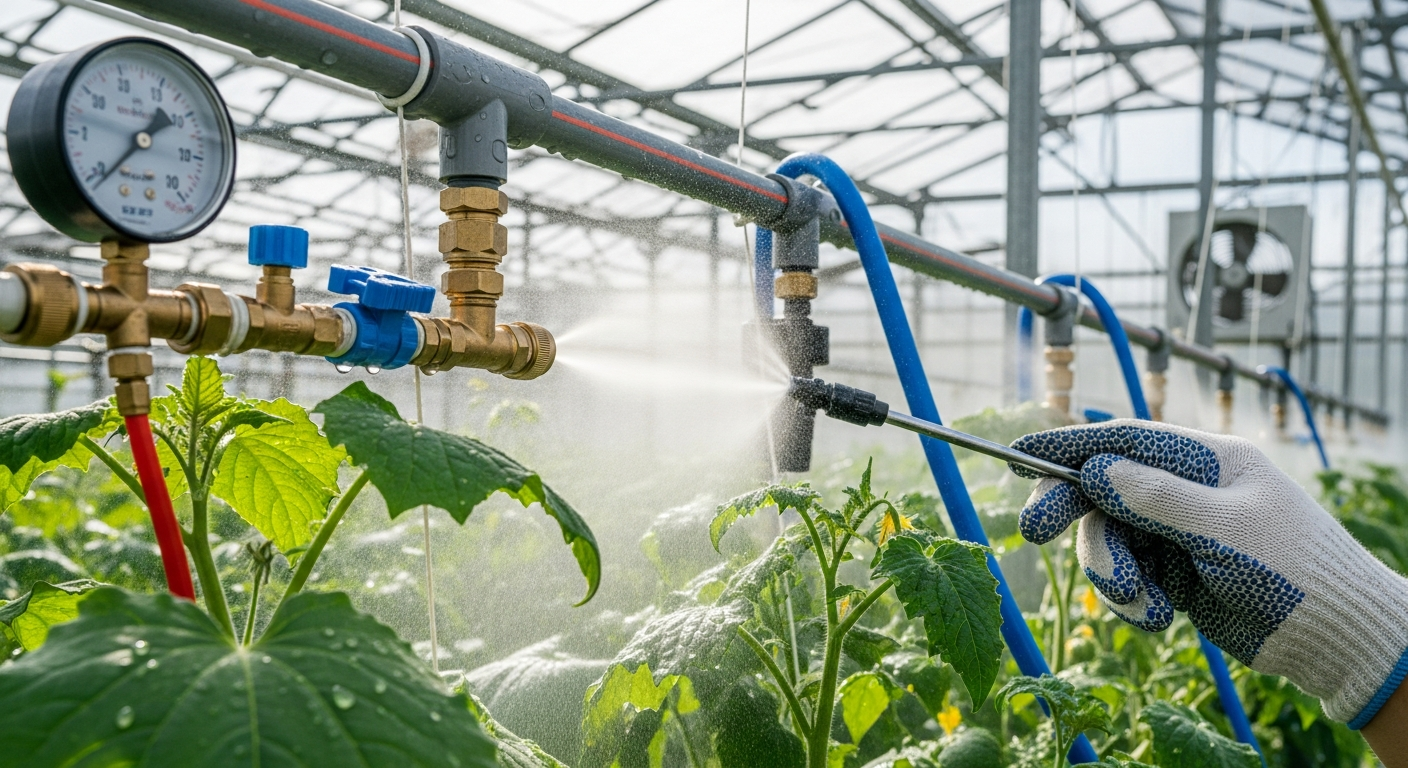
Clogged Nozzles
One of the most frequent complaints in greenhouse misting systems is clogged nozzles. This issue directly affects the spray pattern and the overall effectiveness of your humidity control.
- Symptoms: No mist from certain nozzles, dripping instead of misting, erratic spray patterns, or reduced mist volume.
- Causes: The primary culprits are mineral deposits from hard water, sediment, algae, or biofilm growth within the water lines or the nozzles themselves.
- Troubleshooting and Solutions:
- Inspect and Clean: Carefully remove the affected nozzles. Many can be disassembled for cleaning. Use a fine brush (like a toothbrush or a specialized nozzle cleaning tool) and a mild descaling solution (vinegar works well for mineral buildup) to clear blockages. Soak stubborn nozzles overnight.
- Check Water Filtration: Ensure your system has an adequate filtration system installed upstream of the pump. If you have one, check its filter cartridge for blockages and replace or clean it as necessary. Consider upgrading to a finer mesh filter or even a reverse osmosis (RO) system if you have very hard water.
- Flush Lines: Periodically flush your misting lines by opening an end cap and letting water run through for a few minutes. This helps dislodge sediment before it reaches the nozzles.
Uneven Misting Patterns
An uneven mist indicates that some areas are getting too much moisture while others are left dry, leading to inconsistent growing conditions.
- Symptoms: Patchy wet spots, dry areas, or inconsistent plant growth within the greenhouse.
- Causes: Partially clogged nozzles, incorrect nozzle orientation, damaged nozzles, or inconsistent water pressure across the system.
- Troubleshooting and Solutions:
- Nozzle Inspection: Thoroughly check all nozzles for partial clogs (refer to the “Clogged Nozzles” section for cleaning tips). Also, inspect for physical damage, such as bent or cracked spray tips. Replace any damaged nozzles.
- Orientation Check: Ensure all nozzles are pointed in the correct direction and at the appropriate angle to achieve uniform coverage.
- Pressure Assessment: If the issue persists, measure water pressure at different points in your misting lines. Significant drops in pressure could indicate a problem with your pump or a blockage in the main line.
Leaks in Misting Lines
Leaks are not just wasteful; they can also reduce system pressure and create unwanted wet spots.
- Symptoms: Visible water drips, puddles on the floor, wet spots on equipment or plants where they shouldn’t be, or a constant dripping sound.
- Causes: Loose fittings, damaged tubing (cracks, punctures), worn-out O-rings or seals, or damage from UV exposure.
- Troubleshooting and Solutions:
- Visual Inspection: Carefully examine all connections, tubing, and fittings throughout the system. Look for overt signs of water.
- Tighten Connections: Gently tighten any loose fittings. Be careful not to overtighten, which can cause cracking.
- Repair or Replace Tubing: For small punctures or cracks, you might use a waterproof repair tape temporarily, but it’s best to cut out the damaged section and use a coupler to reconnect, or replace the entire section of tubing.
- Check O-rings/Seals: If a fitting continues to leak after tightening, the internal O-ring or seal might be worn. Disassemble and inspect; replace if necessary.
Powering the Mist: Pump and Pressure Woes
The pump is the heart of your greenhouse misting system, responsible for delivering water at the correct pressure. Issues here can cripple your entire operation.
Insufficient Water Pressure
Low pressure results in a weak, dripping mist rather than a fine fog, reducing its effectiveness for cooling or humidification.
- Symptoms: Weak mist, dripping nozzles, significantly reduced mist coverage, or the pump running constantly without achieving desired pressure.
- Causes: Pump malfunction, clogged inlet filter, inadequate water supply to the pump, leaks in the system, or a faulty pressure regulator.
- Troubleshooting and Solutions:
- Check Water Supply: Ensure the water source to your pump is fully open and providing adequate flow. A partially closed valve or a kinked supply line can starve the pump.
- Inspect Pump Inlet Filter: Most pumps have a small filter at their inlet. Clean this filter regularly to prevent flow restriction.
- Look for Leaks: Even small leaks (as discussed above) can significantly reduce system pressure.
- Examine Pressure Regulator: If your system uses a pressure regulator, ensure it’s set correctly and functioning. A faulty regulator might not be allowing enough pressure through.
- Pump Health: Listen to your pump. Unusual noises might indicate internal problems. Consult your pump’s manual or a professional if you suspect mechanical failure.
Pump Failure or Irregular Operation
When the pump isn’t running at all, or acts erratically, your greenhouse climate control is in jeopardy.
- Symptoms: Pump completely silent, pump turning on and off rapidly (short cycling), or pump running but producing no mist.
- Causes: Electrical issues (no power, faulty wiring), motor failure, air lock in the pump, or pressure switch malfunction.
- Troubleshooting and Solutions:
- Check Power: Ensure the pump is plugged in and receiving power. Check circuit breakers or GFCI outlets.
- Examine Wiring: Look for any loose or damaged electrical connections.
- Prime the Pump: If the pump runs but produces no water, it might be air-locked. Follow your pump’s instructions for priming it, which usually involves bleeding air from the system.
- Pressure Switch: If the pump short cycles, the pressure switch might be faulty or improperly adjusted. This switch tells the pump when to turn on and off based on system pressure.
- Motor Issues: If you hear humming but no action, the motor might be seized. This often requires professional repair or pump replacement.
Smart Control: Timer and Sensor Malfunctions
Automated control systems are fantastic, but they’re only as good as their programming and accurate sensor readings. These components dictate when and how long your greenhouse misting system operates.
Incorrect Misting Schedules
Misting at the wrong times or for incorrect durations can lead to either excessive humidity and fungal issues or insufficient humidity and plant stress.
- Symptoms: Misting system running too often/infrequently, misting during off-hours, or not running at all when it should.
- Causes: Incorrect timer programming, power interruption resetting the timer, low battery in battery-operated timers, or a faulty timer unit.
- Troubleshooting and Solutions:
- Review Programming: The most common issue is simply incorrect programming. Carefully go through your timer’s settings, ensuring start/stop times, misting duration, and frequency are all correctly set for your specific greenhouse needs.
- Check Battery/Power: For battery-backup timers, ensure the battery is fresh. For wired timers, check for power supply issues.
- Reset and Reprogram: Sometimes, a full reset of the timer and reprogramming can resolve glitches.
- Consider Replacement: If the timer consistently misbehaves despite correct programming and power, the unit itself might be faulty and require replacement.
Sensor Inaccuracies
Many advanced misting systems rely on humidity or temperature sensors to trigger misting. Inaccurate readings can lead to suboptimal climate control.
- Symptoms: Misting system running when humidity is already high, or not running when it’s too low, despite correct timer settings.
- Causes: Dirty sensor, improper sensor placement, sensor calibration drift, or sensor failure.
- Troubleshooting and Solutions:
- Clean Sensors: Dust, dirt, and mineral deposits can accumulate on sensor probes, affecting their readings. Gently clean the sensor according to the manufacturer’s instructions.
- Check Placement: Ensure the sensor is located in an area representative of the overall greenhouse climate, away from direct mist spray, heating/cooling vents, or direct sunlight, which can skew readings.
- Calibration: Some advanced sensors allow for user calibration. Consult your manual for instructions on how to calibrate your humidity or temperature sensor. You might need a known reference (like a reliable hygrometer) to verify accuracy.
- Test and Replace: If cleaning and repositioning don’t work, test the sensor’s readings against a known accurate device. If it’s consistently off, the sensor may need replacement.
Water Quality and Its Impact
The quality of the water you feed into your greenhouse misting system directly affects its longevity and performance. Poor water quality is a silent killer of efficiency.
Mineral Buildup (Scaling)
Hard water is rich in minerals like calcium and magnesium, which can deposit throughout your system.
- Symptoms: White, crusty deposits on nozzles and lines, reduced water flow, clogged nozzles, and eventually pump damage.
- Causes: Using tap water with high mineral content without proper filtration or treatment.
- Troubleshooting and Solutions:
- Regular Cleaning: Implement a routine for cleaning nozzles and flushing lines with descaling solutions like vinegar or specialized commercial cleaners.
- Water Softeners/RO Systems: For severe hard water, consider installing a water softener or a reverse osmosis (RO) system to remove minerals before they enter your misting lines. This is a significant upfront investment but saves immense hassle and cost in the long run.
- Filtration: Ensure you have a sediment filter in place to catch larger particles that contribute to clogs.
Algae or Biofilm Growth
Biological growth can cause blockages and contaminate your greenhouse environment.
- Symptoms: Slimy residue inside lines, green discoloration, unpleasant odors, and clogged nozzles.
- Causes: Stagnant water, warm temperatures, light exposure in clear tubing, and nutrient availability in the water.
- Troubleshooting and Solutions:
- Opaque Tubing: Where possible, use opaque or black tubing to prevent light penetration, which inhibits algae growth.
- Regular Flushing: Flush your system regularly to prevent water from stagnating.
- Water Treatment: Some growers use very low concentrations of algaecides or hydrogen peroxide specifically designed for irrigation systems. Always research and ensure any chemical additions are safe for your plants and system.
- System Cleaning: Periodically run a cleaning solution (e.g., a mild bleach solution followed by a thorough rinse) through the entire system to kill and remove biofilm.
Proactive Maintenance: Your Best Defense
The best way to deal with issues in your greenhouse misting system is to prevent them from happening. Regular, proactive maintenance can save you countless hours of troubleshooting and potential plant loss.
- Daily Checks: Briefly observe your system’s operation. Are all nozzles misting evenly? Are there any visible leaks?
- Weekly/Bi-weekly:
- Inspect and clean sediment filters.
- Briefly flush end-of-line caps to clear sediment.
- Check timer settings and ensure they’re accurate.
- Monthly/Quarterly:
- Remove and clean all nozzles, especially if you have hard water. Soak them in vinegar.
- Inspect all tubing and connections for wear, damage, or leaks.
- Clean humidity/temperature sensors.
- Test pump pressure and listen for unusual noises.
- Annually/Seasonally:
- Perform a deep clean of the entire system, potentially running a specialized cleaning solution through the lines.
- Check and replace worn-out O-rings or seals.
- Consider a professional inspection for complex systems.
A well-maintained greenhouse misting system is indispensable for optimal plant growth and overall greenhouse climate control. By understanding the common issues and implementing a proactive maintenance routine, you can ensure your system delivers consistent, efficient misting. Regular vigilance and prompt action when problems arise will keep your greenhouse environment perfectly hydrated and your plants thriving. Don’t wait for your mist to become a drizzle – stay on top of your system’s health, and it will repay you with lush, healthy growth. Happy growing!