
In the world of controlled-environment agriculture, maintaining an optimal climate is paramount for plant health and productivity. For many greenhouse operations, especially during warmer months, efficient cooling equipment is the linchpin of success. However, a common yet often underestimated adversary lurks in the very water used to cool these vital spaces: hard water. The impact of hard water on greenhouse cooling equipment can be significant, leading to reduced efficiency, increased maintenance, and ultimately, higher operational costs. Understanding this silent threat and implementing proactive solutions is crucial for any serious grower looking to optimize their greenhouse climate control.
The Silent Threat: Understanding Hard Water in Your Greenhouse
Hard water is a common issue in many regions, characterized by a high concentration of dissolved minerals, primarily calcium and magnesium. These minerals originate from the geological formations through which water travels before it reaches your greenhouse. While generally safe for plants to absorb, when this water is used in cooling systems, these dissolved solids can precipitate out, forming what is commonly known as “scale.”
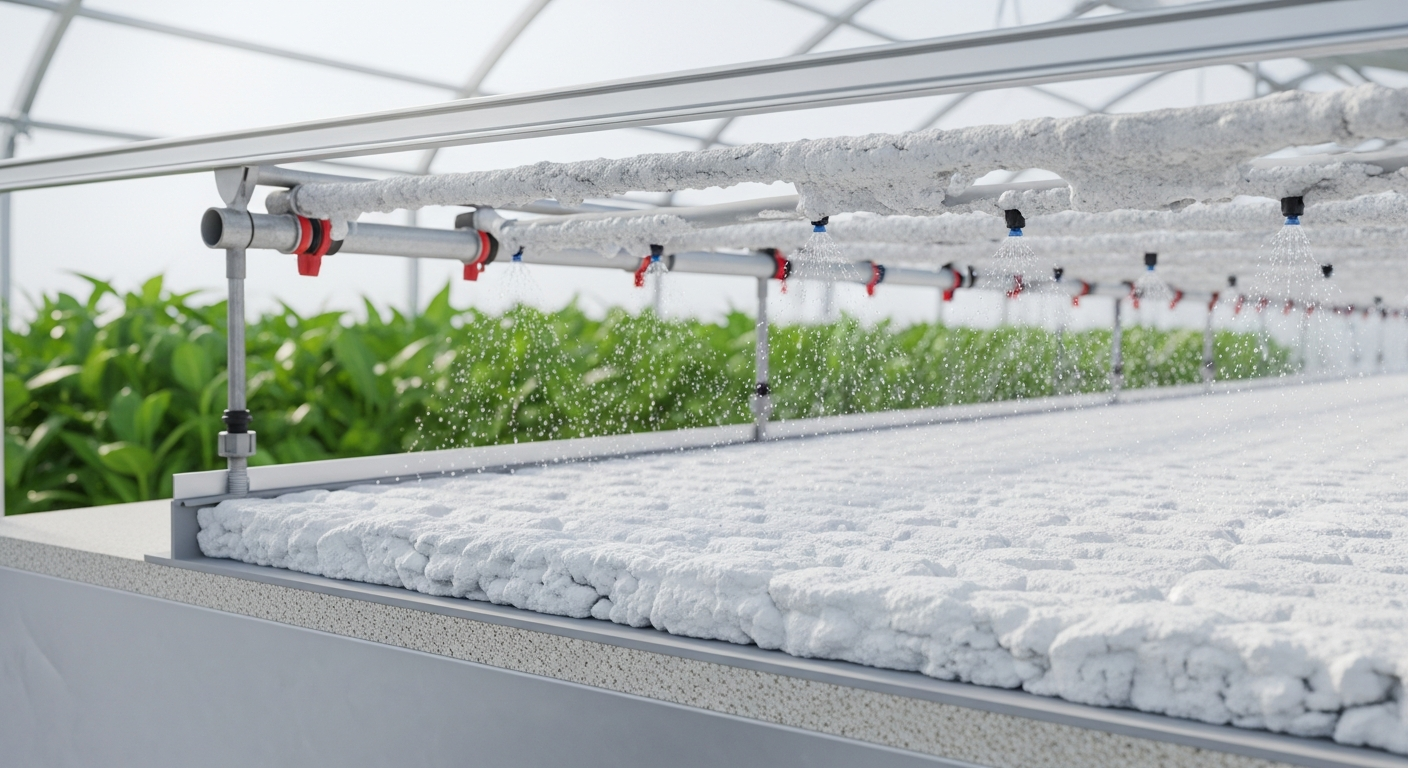
This scale, often visible as a white, chalky residue, is predominantly composed of calcium carbonate and magnesium salts. In a greenhouse setting, where evaporative cooling systems, misting units, and foggers constantly circulate and evaporate water, the minerals are left behind and accumulate. Over time, this buildup can severely impede the performance and lifespan of your expensive greenhouse cooling equipment, transforming a simple mineral presence into a costly operational challenge.
How Hard Water Harms Your Greenhouse Cooling Systems
The insidious nature of hard water becomes apparent as mineral deposits gradually compromise the efficiency and functionality of various cooling components. The specific impacts vary depending on the type of cooling system, but the common thread is a reduction in performance and an increase in wear and tear.
Impact on Evaporative Cooling Systems (Wet Walls/Pads)
Evaporative cooling pads, often referred to as wet walls, are a cornerstone of many greenhouse cooling strategies. Water is continuously flowed over these specialized pads, and as air passes through, it evaporates the water, thereby cooling the air. Hard water significantly impacts these systems in several ways:
- Clogging of Pads: Mineral deposits accumulate within the fibers of the evaporative cooling pads, reducing their porosity. This limits airflow and the surface area available for evaporation, leading to decreased cooling efficiency and higher greenhouse temperatures.
- Reduced Water Flow: Scale buildup can clog the distribution pipes and emitters that supply water to the pads, resulting in uneven wetting of the pads. Dry spots on the pads are ineffective at cooling, further compromising the system.
- Increased Maintenance: Pads become brittle and require more frequent cleaning or replacement, adding to labor and material costs. Severe scale buildup can necessitate premature replacement of expensive pads.
Damage to Misting and Fogging Systems
Misting and fogging systems are designed to introduce fine water droplets into the air for both cooling and humidity control. These systems are particularly vulnerable to hard water:
- Clogged Nozzles: The tiny orifices of misting and fogging nozzles are extremely susceptible to “mineral deposits.” Even microscopic particles of scale can partially or completely block these nozzles, leading to uneven spray patterns, reduced water output, and ultimately, ineffective cooling.
- Pump and Line Strain: Reduced flow rates due to clogged nozzles can increase pressure within the system, putting undue strain on pumps and plumbing. This can lead to pump failure or leaks over time.
- Uneven Climate: When nozzles are clogged, certain areas of the greenhouse may receive inadequate cooling or humidity, creating microclimates that stress plants and hinder uniform growth.
Strain on Pumps, Plumbing, and Chillers
Beyond the direct cooling elements, hard water also takes its toll on the underlying infrastructure:
- Pipe and Pump Degradation: “Scale buildup” can occur inside pipes, reducing their internal diameter and increasing friction. This forces pumps to work harder to maintain flow, consuming more energy and accelerating wear on pump components.
- Chiller Inefficiency: In greenhouses employing chillers for specific applications (e.g., hydroponic nutrient solutions or high-tech climate control), hard water can cause scale to form on heat exchanger surfaces. This acts as an insulating layer, drastically reducing the chiller’s ability to transfer heat and increasing its energy consumption. This leads to severe “cooling system inefficiency.”
The cumulative effect of these issues is a significant increase in energy consumption, frequent equipment breakdowns, and a shortened lifespan for your valuable greenhouse equipment. This translates directly to higher operational costs and a less stable growing environment, which can negatively impact overall plant health and yield.
Spotting the Signs: Identifying Hard Water Problems
Recognizing the symptoms of hard water damage early can save you significant time and money. Keep an eye out for these tell-tale signs in your greenhouse:
- Visible White/Chalky Residue: This is the most obvious indicator. Look for scale on cooling pads, around nozzles, on pump housings, and along water lines.
- Reduced Cooling Performance: If your cooling systems are running constantly but failing to bring down greenhouse temperatures to desired levels, hard water could be a culprit. This indicates a drop in “cooling system efficiency.”
- Clogged Nozzles or Uneven Spray: Observe your misting and fogging systems. Are some nozzles dripping or completely blocked? Is the spray pattern inconsistent?
- Increased Energy Bills: As pumps work harder and inefficient cooling systems run longer, your energy consumption will invariably rise.
- Frequent Equipment Breakdowns: If pumps are failing, pipes are leaking, or components require unusually frequent replacement, hard water stress could be a contributing factor.
- Brittle or Degraded Cooling Pads: Pads that become stiff, discolored, or show signs of mineral encrustation much faster than expected are likely suffering from hard water.
If you suspect hard water is an issue, consider performing a water hardness test. Simple kits are available, or you can send a sample to a lab for a more comprehensive analysis, which can also reveal other problematic dissolved solids or imbalances in your water’s “pH balance water.”
Protecting Your Investment: Hard Water Mitigation Strategies
Fortunately, there are several effective strategies to combat the detrimental effects of hard water on your greenhouse cooling equipment. Implementing these preventative measures and routine maintenance practices can significantly extend equipment life and ensure optimal performance.
Water Treatment Solutions
The most direct approach is to treat the water before it enters your cooling systems:
- Water Softeners: Ion-exchange water softeners greenhouse are highly effective at removing calcium and magnesium ions. These systems typically use salt to regenerate a resin bed that “exchanges” hard mineral ions for sodium ions, resulting in soft water. They require regular salt replenishment and backwashing.
- Reverse Osmosis (RO) Systems: RO systems use a semi-permeable membrane to remove a wide range of impurities, including hardness minerals, dissolved solids, and even some pathogens. RO water is extremely pure, making it ideal for sensitive cooling equipment and some hydroponic applications. However, RO systems can be more expensive to install and operate, produce wastewater, and may require pre-filtration.
- Acid Injection: For severe cases or specific needs, injecting a small amount of acid (e.g., sulfuric acid) into the water can lower its pH, keeping minerals dissolved and preventing scale formation. This is a more advanced technique that requires careful monitoring and safety protocols to maintain proper “pH balance water.”
- Scale Inhibitors: Chemical scale inhibitors can be added to the water to prevent minerals from precipitating and forming scale. These are often used as a supplementary measure or in situations where full softening is not feasible.
- Filtration Systems: While not directly addressing hardness, sediment filters and media filters can remove larger particles that might otherwise contribute to clogging, providing a good pre-treatment step for more advanced softening systems.
Proactive Maintenance Practices
Even with water treatment, routine maintenance is critical for extending the life of your equipment and ensuring efficient operation:
- Regular Cleaning and Descaling: Periodically clean cooling pads, nozzles, and pipes. Specialized descaling solutions are available that can dissolve mineral buildup. Always follow manufacturer instructions and use appropriate safety gear.
- Flushing Systems: Regularly flush out your cooling water lines and reservoirs to remove accumulated sediment and loose mineral particles.
- Nozzle Inspection and Cleaning: Frequently inspect misting and fogging nozzles for clogs. Many nozzles are designed for easy cleaning or replacement.
- Pad Replacement: Even with treatment, cooling pads have a finite lifespan. Replace evaporative cooling pads as recommended by the manufacturer or when they show significant signs of degradation.
- System Monitoring: Keep a close eye on your greenhouse climate data, energy consumption, and equipment performance. Deviations can signal the need for intervention. This is key to effective “preventative maintenance” and “optimizing greenhouse climate.”
Conclusion
Hard water might seem like a minor detail, but its cumulative impact on greenhouse cooling equipment can be profoundly detrimental. From clogged evaporative cooling pads and misting nozzles to strained pumps and inefficient chillers, the presence of dissolved minerals can lead to reduced cooling efficiency, increased energy costs, and shortened equipment lifespan. By understanding the challenges posed by hard water and implementing appropriate water treatment solutions and diligent maintenance practices, greenhouse operators can protect their valuable assets, ensure a stable growing environment, and ultimately foster healthier, more productive crops. Investing in proactive hard water management is not just about equipment longevity; it’s about securing the long-term success of your entire greenhouse operation.