
The unseen world beneath the soil is a hive of activity, a vital network of roots tirelessly anchoring plants, absorbing water, and drawing essential nutrients. While we often focus on protecting foliage and delicate blooms from the ravages of frost, it’s the roots—the very foundation of plant life—that are often most vulnerable to the silent killer of sub-zero temperatures. When the mercury plummets, these sensitive underground structures can suffer irreparable damage, leading to stunted growth, nutrient deficiencies, and even the complete demise of your cherished plants. Protecting them is not just about survival; it’s about ensuring robust health, vigorous growth, and a thriving greenhouse. Let’s delve into effective techniques to safeguard your plants’ crucial lifeline from the harsh realities of extreme cold.
The Silent Threat Beneath the Soil: Why Roots Suffer in the Cold
Unlike above-ground plant parts, which can often tolerate a certain degree of frost by shutting down cellular activity or having protective waxes, roots are uniquely susceptible to freezing. This vulnerability stems from several key factors:
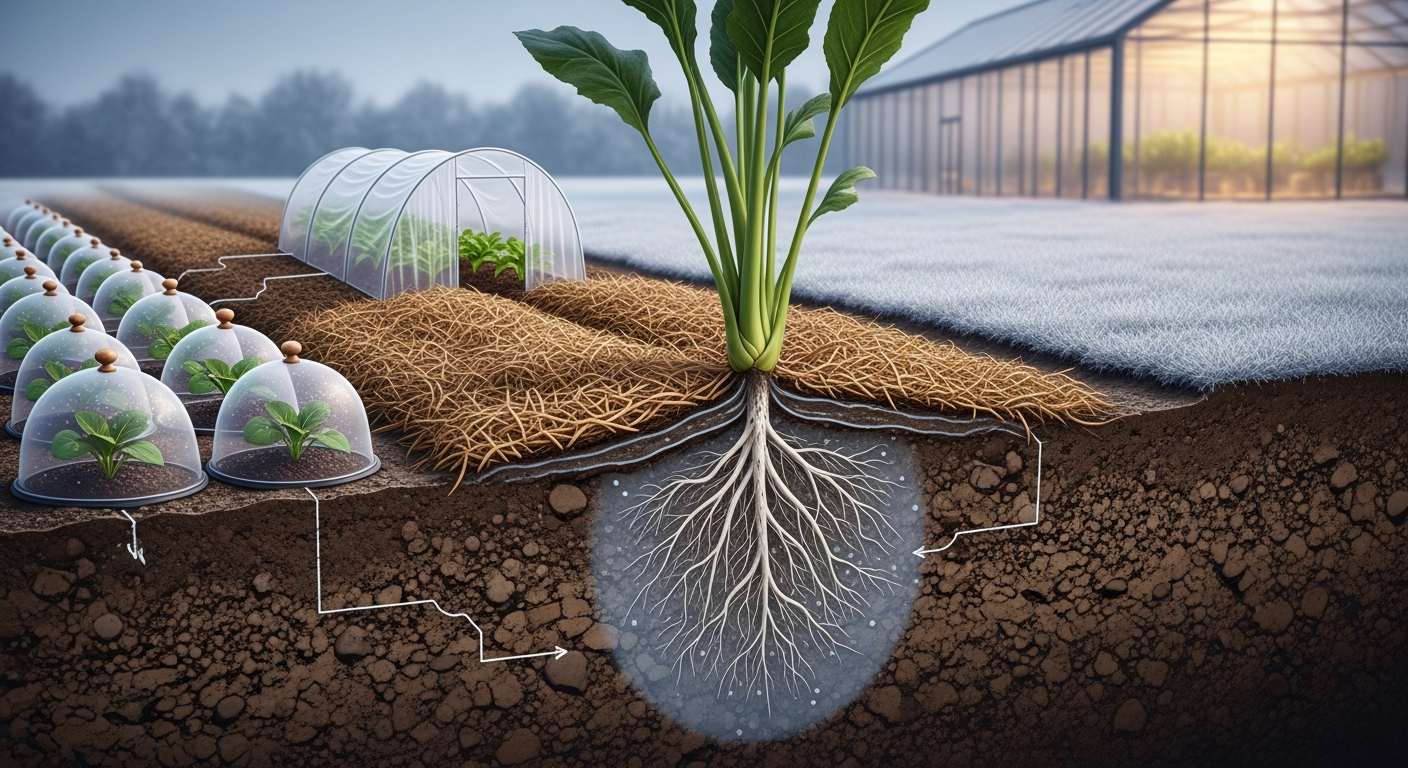
- Cellular Damage: Plant cells contain water, which expands when it freezes, forming sharp ice crystals. These crystals can puncture cell walls and membranes, leading to irreparable tissue damage. Roots, especially fine feeder roots, are rich in water, making them prime targets for ice formation.
- Dehydration and Nutrient Blockage: Even if cells don’t burst, freezing temperatures can prevent water uptake. The soil water becomes frozen and unavailable, effectively causing drought conditions even when moisture is present. This lack of water intake inhibits the plant’s ability to absorb vital nutrients, stressing the entire system.
- Lack of Dormancy: Many tender plants, particularly those grown in a greenhouse, are not programmed for deep dormancy in the same way hardy perennials are. Their roots remain active, making them more vulnerable to sudden temperature drops.
- Temperature Fluctuations: Repeated cycles of freezing and thawing can be even more damaging than sustained cold, as the expansion and contraction put continuous stress on root tissues.
Understanding these mechanisms highlights the critical need for proactive root protection, especially for tropicals, young plants, sensitive edibles, and any container-grown specimens exposed to winter’s bite.
Greenhouse Guardians: Advanced Root Protection Within Controlled Environments
Within the controlled sanctuary of a greenhouse, you have an unparalleled opportunity to create an optimal environment for root health, even when outside temperatures are dangerously low. Here are some advanced strategies:
Soil Heating Cables and Mats
One of the most effective ways to protect sensitive roots is to provide direct warmth to the growing medium. Soil heating cables or heat mats can be installed beneath seed trays, propagation beds, or directly within larger planting areas. These systems gently warm the soil, encouraging root activity, promoting germination, and protecting against deep freezes. Look for units with integrated thermostats to precisely control soil temperatures, ensuring they remain above critical thresholds without overheating. For potted plants, placing them directly on a heated propagation mat can be a game-changer during extreme cold snaps.
Insulated Benches and Raised Beds
Elevating plants off cold concrete floors or unheated ground is a simple yet effective technique. Constructing benches or raised beds with insulating materials can further enhance root protection. Consider using thick wood, recycled plastic lumber, or even adding a layer of rigid foam insulation to the underside and sides of your growing beds. These materials act as a thermal barrier, preventing cold from radiating upwards into the root zone and helping to maintain a more stable soil temperature.
Strategic Potting and Container Management
- Material Choice: Avoid terracotta pots for sensitive plants in extremely cold conditions, as they are porous and allow moisture to evaporate and cold to penetrate quickly. Opt for plastic, glazed ceramic, or even insulated pots.
- Double Potting: Place a smaller pot containing your sensitive plant inside a larger pot, filling the gap with insulating material like straw, wood chips, or even crumpled newspaper. This creates an insulating air pocket around the root ball.
- Elevate and Group: Keep potted plants off cold greenhouse floors using pot feet or benches. Grouping containers together creates a collective thermal mass, reducing heat loss from individual pots.
- Root Wraps: For very valuable or delicate potted specimens, you can wrap the entire pot with burlap, bubble wrap, or specialized insulation blankets, securing them with twine.
Supplemental Air Heating and Circulation
While general greenhouse heating systems primarily warm the air, good air circulation can indirectly benefit root protection by preventing cold pockets near the floor where roots might be exposed. Ensure your greenhouse heater is adequate for your climate and that warm air is distributed evenly. Consistent ambient temperatures help maintain soil warmth.
Outdoor & Container Care: Shielding Roots Beyond the Greenhouse Walls
Not all sensitive plants reside exclusively in a heated greenhouse. Many live in containers that may be moved outdoors, or in unheated poly-tunnels, cold frames, or even directly in the garden. Protecting their roots requires a different set of strategies:
The Power of Mulch
Mulch is nature’s blanket, and it’s one of the easiest and most effective ways to insulate soil and protect roots. Apply a thick layer (4-6 inches) of organic mulch like straw, wood chips, shredded leaves, or pine needles around the base of plants. This insulates the soil, moderates temperature swings, and retains soil moisture, which helps keep the soil warmer than dry soil. Ensure the mulch doesn’t directly touch the plant stem to prevent rot or pest issues.
Container Insulation Techniques
For container plants that must remain outdoors or in unheated spaces during winter:
- Wrap and Insulate: Wrap pots with layers of burlap, old blankets, or bubble wrap, securing them with twine or tape. You can also create a DIY insulation sleeve using rigid foam board cut to fit around the pot.
- Burying Pots: If possible, bury sensitive potted plants directly into the ground, leaving only the rim of the pot exposed. The surrounding soil will provide excellent insulation. Alternatively, cluster pots together and mound soil, straw, or leaves around and over them.
- Styrofoam Liners: For new plantings, consider lining the inside of your pots with styrofoam sheets before adding soil and the plant. This creates an effective insulating layer.
Cold Frames and Cloches
These simple structures create a microclimate that can significantly raise soil temperatures compared to the ambient air. A cold frame, essentially a bottomless box with a transparent lid, can be placed over plants in the ground or used to house potted plants. Individual cloches (bell jars or plastic covers) can protect single plants. They trap solar energy during the day and reduce heat loss at night, offering crucial root protection.
Winter Watering Wisdom
It might seem counterintuitive, but well-hydrated soil retains heat more effectively than dry soil. Before an anticipated freeze, water your plants thoroughly. This moist soil will freeze more slowly and remain at a warmer temperature longer than dry soil. However, avoid overwatering, especially in dormant plants, which can lead to root rot. Water early in the day so excess moisture has time to drain before temperatures drop.
Preparation and Vigilance: Key to Winter Root Survival
Protecting roots from sub-zero temperatures isn’t just about reactionary measures; it’s also about proactive planning and ongoing observation.
Hardening Off Plants
For plants that will be moved from a warm greenhouse to a cooler environment, or for seedlings destined for outdoor planting, hardening off is crucial. This gradual acclimatization process involves slowly exposing plants to cooler temperatures, increased sunlight, and reduced watering over a period of 1-2 weeks. This toughens their cellular structure, including roots, making them more resilient to cold stress.
Choosing Cold-Tolerant Rootstocks
For grafted plants, such as many fruit trees and roses, the rootstock largely determines the plant’s cold hardiness. When purchasing, inquire about the rootstock used, as a cold-tolerant rootstock can significantly enhance the plant’s ability to withstand sub-zero temperatures, even if the scion (top part) is less hardy.
Monitoring Soil Temperatures
Invest in a soil thermometer. Knowing the actual temperature of your growing medium is invaluable. It allows you to understand how effective your protective measures are and when to intervene. Different plants have different critical root temperature thresholds, so research your specific varieties.
Emergency Preparedness
Always have emergency supplies on hand. This might include extra blankets, tarps, straw bales, or even a small portable heater for unexpected extreme cold snaps. Being prepared means you can react quickly to sudden forecasts of plunging temperatures, potentially saving your entire crop or collection.
Protecting the roots of your sensitive plants from sub-zero temperatures is an essential aspect of successful gardening, whether in a high-tech greenhouse or an exposed outdoor bed. By understanding why roots are vulnerable and implementing a combination of insulation, heating, and strategic management techniques, you can significantly enhance your plants’ resilience and ensure their survival through even the harshest winters. Healthy roots are the bedrock of healthy plants, promising vibrant growth and abundant yields when warmer days finally return. Embrace these techniques, and your green companions will thank you with a flourishing display.