
In the world of controlled environment agriculture, every detail matters. From light cycles to pH levels, greenhouse growers meticulously manage countless variables to ensure robust plant growth and bountiful harvests. Among these crucial factors, one often overlooked but critically important element for hydroponic systems is the nutrient solution temperature. When the mercury rises, especially during warmer months, your plants’ root zones can suffer significantly. High temperatures can lead to a cascade of problems, from reduced dissolved oxygen to increased disease susceptibility. Fortunately, there’s a simple, cost-effective, and highly efficient tool that can help you maintain optimal conditions: shade cloth.
This article will delve into why keeping your nutrient solution cool is paramount, and how strategically deploying shade cloth can be your secret weapon against heat stress, ensuring your hydroponic systems thrive even when the sun is blazing.
The Critical Importance of Nutrient Solution Temperature
For plants grown in hydroponic systems, the roots are constantly submerged or exposed to a nutrient-rich water solution. Unlike soil-based growing, where soil acts as an insulator, the nutrient solution is directly exposed to ambient temperatures, making it highly susceptible to fluctuations. Maintaining an ideal nutrient solution temperature is non-negotiable for plant health and productivity.
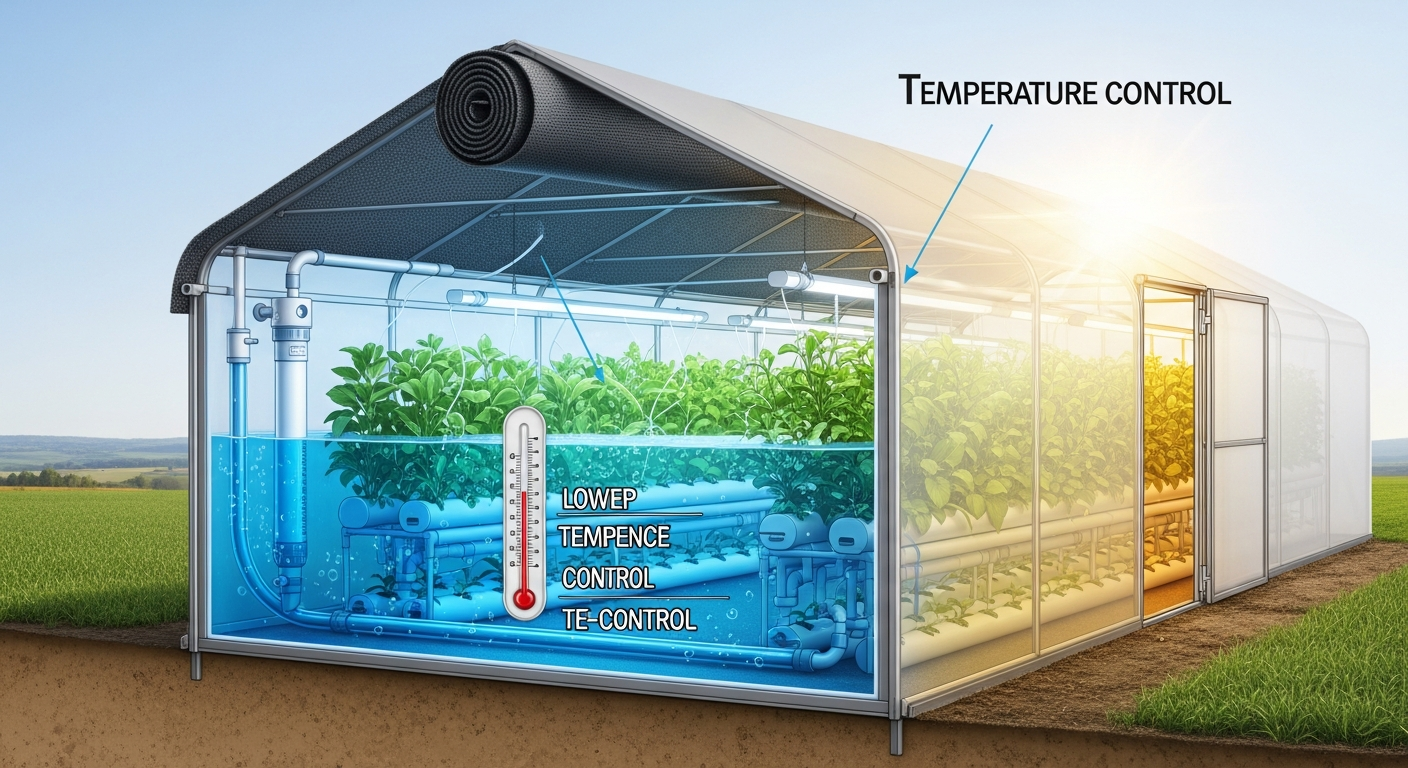
What Happens When Nutrient Solution Temperatures Are Too High?
- Reduced Dissolved Oxygen (DO): This is arguably the most significant problem. As water temperature increases, its capacity to hold dissolved oxygen drastically decreases. Plant roots, like all living organisms, need oxygen to respire and absorb nutrients efficiently. Low DO levels lead to root suffocation, stunted growth, and eventually, plant death.
- Increased Risk of Root Diseases: Warm, oxygen-depleted water creates an ideal breeding ground for harmful anaerobic bacteria and fungi, such as Pythium, commonly known as “root rot.” These pathogens thrive in stagnant, warm conditions and can quickly decimate an entire crop.
- Algae Growth: Elevated temperatures, combined with light exposure, accelerate algae growth in your reservoirs and plumbing. Algae compete with your plants for nutrients, alter the pH of the solution, and can clog irrigation lines and pumps.
- Nutrient Imbalance and Lockout: High temperatures can alter the solubility and uptake rates of various nutrients. Roots become less efficient at absorbing essential elements, leading to nutrient deficiencies even if the solution itself is perfectly balanced. This can result in yellowing leaves, stunted growth, and reduced yields.
- Faster Water Evaporation: While not directly harmful to plants, higher temperatures increase the rate of water evaporation from your reservoirs, requiring more frequent topping up and potentially concentrating your nutrient solution too quickly.
The optimal nutrient solution temperature generally falls between 65°F and 75°F (18°C and 24°C) for most hydroponic crops. Going above 75°F for extended periods can start to introduce these detrimental effects, especially for sensitive plants.
Understanding Shade Cloth and Its Cooling Mechanisms
Shade cloth is a versatile tool used in greenhouses worldwide to manage light intensity and temperature. It’s typically made from woven or knitted polyethylene and comes in various densities, referred to as “shade percentages,” indicating how much sunlight it blocks. But how does it specifically help with nutrient solution temperature?
How Shade Cloth Works to Cool Nutrient Solutions:
- Direct Solar Radiation Blockage: The most straightforward benefit. By placing shade cloth over or around your nutrient reservoirs, you prevent direct sunlight from heating the water. Sunlight carries a significant amount of thermal energy, and blocking even a portion of it can make a substantial difference.
- Reduced Ambient Air Temperature: When shade cloth is applied over a larger area, such as a section of your greenhouse or directly above your hydroponic system, it reduces the overall ambient air temperature in that zone. Cooler air surrounding your reservoirs means less heat transfer into the nutrient solution.
- Minimized Heat Absorption by Reservoir Materials: Many reservoirs are made of plastic, which can absorb heat from direct sunlight and transfer it to the solution. Shade cloth prevents this absorption, keeping the reservoir walls cooler.
While often used for overall greenhouse cooling, the strategic application of shade cloth specifically for your hydroponic reservoirs targets the root zone temperature directly, providing localized relief where it’s most needed. It acts as a passive cooling system, reflecting or absorbing radiant energy before it can warm your critical growing solution.
Practical Application: Using Shade Cloth for Optimal Solution Temperature
Implementing shade cloth effectively requires a bit of planning, but the benefits for your hydroponic system are well worth the effort. Here’s how to choose, install, and optimize shade cloth for your nutrient solution.
Choosing the Right Shade Percentage
Shade cloth comes in percentages ranging from 30% to 90%. The ideal choice depends on several factors:
- Ambient Greenhouse Temperature: In very hot climates or during peak summer, you’ll need a higher percentage.
- Plant Light Requirements: Be mindful not to over-shade your plants, as they still need adequate light for photosynthesis. For most fruiting vegetables and herbs (e.g., tomatoes, peppers, lettuce), a 30-50% shade cloth is a good starting point. Very light-sensitive plants might tolerate higher percentages, but always prioritize the plants’ direct light needs while cooling the roots.
- Existing Cooling Systems: If you already have extensive greenhouse cooling (e.g., evaporative coolers, exhaust fans), you might need less shade.
Practical Tip: Start with a lower shade percentage (e.g., 30-40%) and monitor your nutrient solution temperature. If it’s still too high, you can add another layer or opt for a higher percentage. Observe your plants for signs of too much shade (stretching, pale growth) or too little (heat stress, wilting).
Installation Methods for Targeted Cooling
You have a few options for deploying shade cloth to protect your nutrient solution:
- Direct Reservoir Shading: This is the most targeted approach.
- Drape and Secure: Simply drape a piece of shade cloth directly over the reservoir lid, ensuring it covers all exposed sides where sunlight might hit. Secure it with clips or bungee cords to prevent it from blowing away.
- Mini Canopies: Construct a small, simple frame (using PVC pipes or wood) above your reservoirs and attach the shade cloth to create a dedicated canopy. This allows for better airflow directly over the reservoir surface.
- Targeted Area Shading: If you have multiple hydroponic systems clustered together, you can create a larger shaded zone within your greenhouse. Install shade cloth above this specific area, slightly higher than your plants, allowing for good light penetration to the foliage while shading the reservoirs below.
- Greenhouse-Wide Shading: While effective for overall temperature reduction, this option might reduce light too much for some plants if your primary goal is just to cool the nutrient solution. Consider this if your entire greenhouse struggles with heat stress.
Key Consideration: Ensure there’s adequate airflow around your reservoirs, even with shade cloth. Trapping hot air can sometimes counteract the benefits. Elevating the shade cloth slightly or ensuring it doesn’t completely seal off the reservoir can help.
Considering Reflective Shade Cloths
Traditional black or green shade cloths absorb some solar radiation, then radiate that heat. Reflective shade cloths (often white or aluminized) are designed to *reflect* solar radiation away from your greenhouse. These can be particularly effective for nutrient solution cooling as they prevent heat from entering the area in the first place, offering superior performance in extreme heat conditions.
Monitoring, Optimization, and Integrated Solutions
Installing shade cloth is a great first step, but continuous monitoring and optimization are essential for maintaining the perfect temperature control in your nutrient solution.
Tools for Monitoring
Invest in a reliable, submersible temperature probe or thermometer specifically designed for liquids. Many hydroponic controllers now include temperature sensors, allowing for automated monitoring and even alerts.
- Placement: Place the probe directly into your nutrient solution, ideally in a circulating part of the reservoir, but away from direct light if possible.
- Frequency: Check temperatures several times a day, especially during the hottest parts of the afternoon. Record your readings to identify trends and peak temperatures.
Making Adjustments
- If Still Too Hot:
- Increase the shade percentage (add another layer or switch to a denser cloth).
- Ensure the shade cloth is positioned optimally to block all direct sunlight.
- Consider adding insulation around the sides of your reservoirs (e.g., reflective bubble wrap, foam board).
- Improve airflow around the shaded reservoir areas using small fans.
- If using a light-colored reservoir, consider painting it white or wrapping it with reflective material to bounce heat away.
- If Too Cold (Unlikely in hot conditions with shade cloth, but for completeness): Reduce the shade percentage or remove it entirely on cooler days.
Integrated Approach to Root Zone Cooling
Shade cloth is a powerful tool, but it’s most effective when part of a broader greenhouse management strategy. Consider combining shade cloth with:
- Reservoir Insulation: Wrapping the sides and bottom of your reservoirs with reflective insulation can dramatically reduce heat transfer from the ambient air and ground.
- Good Lid Sealing: Ensure your reservoir lids fit snugly to prevent light penetration (which causes algae) and reduce evaporation.
- Air Circulation: Use small fans directed at the reservoir area to prevent heat pockets and promote even temperature distribution.
- Chillers: For advanced systems or extreme heat, a hydroponic chiller is the ultimate solution, though it represents a significant investment and energy cost. Shade cloth can reduce the load on a chiller, making it more efficient.
Conclusion
Maintaining an optimal nutrient solution temperature is fundamental to the success of any hydroponic operation. High temperatures can quickly lead to a host of problems, from depleted dissolved oxygen to rampant disease, ultimately compromising your plant health and yield. Fortunately, shade cloth offers a straightforward, affordable, and highly effective solution for lowering and stabilizing your reservoir temperatures.
By strategically choosing the right shade percentage, implementing proper installation techniques, and consistently monitoring your solution temperatures, you can create a cooler, healthier environment for your plants’ roots. Don’t let the summer heat jeopardize your harvest. Embrace shade cloth as an essential component of your greenhouse climate control strategy and watch your hydroponic system thrive.