
Maintaining an optimal climate within a greenhouse is a delicate balance, one that often comes with substantial energy costs. From battling scorching summer sun to fending off winter chills, growers are constantly seeking innovative solutions to create the perfect environment for their plants while keeping utility bills in check. Enter aluminum-coated shade cloth – a remarkable innovation that goes far beyond traditional shading, offering a powerful tool for year-round energy efficiency and superior greenhouse climate control.
Understanding Aluminum-Coated Shade Cloth: More Than Just Shade
While traditional shade cloth primarily reduces light intensity, aluminum-coated shade cloth (often referred to as a thermal screen or energy screen) is engineered for a dual purpose: effective shading and significant thermal insulation. It’s typically constructed from woven strips of durable polyester or polyethylene, interspersed with highly reflective aluminum strips.
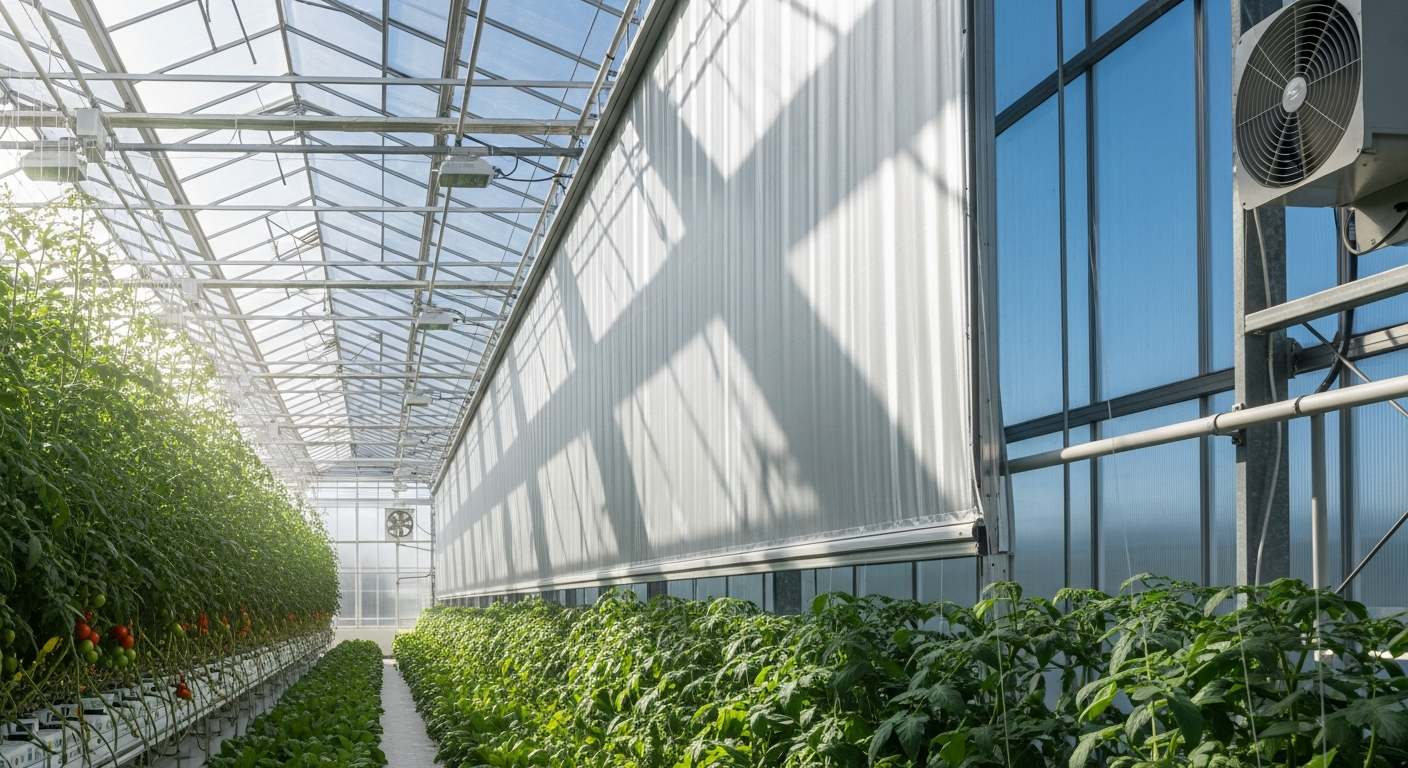
This unique composition is what gives it its superpowers:
- Superior Reflectivity: The aluminum surface acts like a mirror, reflecting a large percentage of incoming solar radiation back out of the greenhouse. This drastically reduces the heat load during sunny periods, minimizing the need for active cooling systems.
- Excellent Emissivity: Conversely, in cooler conditions, the aluminum layer helps to trap infrared radiation (heat) emitted by plants, soil, and heating systems within the greenhouse. This significantly reduces heat loss through the roof and walls, leading to substantial greenhouse heating savings.
- Enhanced Light Diffusion: Beyond simple shading, these cloths often diffuse the light that does penetrate, spreading it more evenly across the crop canopy. This reduces hot spots and provides more uniform light exposure, promoting healthier, more consistent plant growth.
- Durability: Designed for demanding greenhouse environments, these materials are often UV stabilized and resistant to tears, offering a long lifespan for your investment.
Compared to plain black shade cloth, which primarily absorbs and dissipates heat, aluminum-coated shade cloth actively reflects heat away in summer and conserves it in winter, making it a far more comprehensive solution for greenhouse climate control and energy savings.
The Dual Power of Reflectivity and Insulation: Year-Round Energy Savings
The true genius of aluminum-coated shade cloth lies in its ability to adapt to seasonal needs, providing year-round benefits for your greenhouse’s energy profile.
Summer Cooling and Heat Reduction
During the scorching summer months, excessive solar radiation can quickly turn your greenhouse into an oven, stressing plants and driving up cooling costs. This is where the reflective power of aluminum truly shines.
- Blocking Solar Gain: By reflecting up to 80% or more of the sun’s energy, these cloths drastically reduce the amount of heat entering the greenhouse. This directly translates to lower internal temperatures.
- Reducing Cooling Demand: With less heat to manage, your ventilation fans, evaporative coolers, and other active cooling systems don’t have to work as hard, or as often. This leads to substantial savings on electricity bills.
- Preventing Plant Stress: Beyond energy, reducing high temperatures prevents heat stress, scorching, and wilting, ensuring your plants remain healthy and productive throughout the summer.
Practical Tip: Install your aluminum-coated shade cloth before the peak summer heat arrives. Consider a system that allows for easy deployment and retraction, so you can optimize light and temperature throughout the day.
Winter Warming and Heat Retention
When the temperatures drop, the same reflective properties that kept your greenhouse cool in summer now work to keep it warm. The cloth acts as a thermal screen, creating an insulating barrier.
- Trapping Radiant Heat: Plants, grow lights, and heating systems all emit infrared radiation (heat). When deployed, the aluminum layer reflects this radiant heat back down into the growing space, preventing it from escaping through the glazing.
- Minimizing Convective Heat Loss: By creating an air gap between the cloth and the roof, the screen reduces convective heat transfer, slowing down the escape of warm air.
- Lowering Heating Costs: The net effect is significantly improved heat retention, which can reduce your greenhouse heating fuel consumption by 20-50% or even more, depending on your climate and greenhouse structure.
Practical Tip: Deploy the thermal screen at dusk or on cold, cloudy days. Retract it during daylight hours (if sufficient light is available) to allow for maximum natural light penetration, then redeploy as temperatures begin to fall.
Choosing and Installing Your Aluminum-Coated Shade Cloth
Selecting and properly installing your aluminum-coated shade cloth is crucial for maximizing its benefits and ensuring long-term performance.
Types and Opacity Levels
Aluminum-coated shade cloth comes in various grades, differentiated by their percentage of shading or energy saving. These percentages indicate how much solar radiation or heat they reflect/retain. Common options include:
- 30-50% Shade/Energy Saving: Ideal for crops that require high light levels but still benefit from some heat reduction and winter insulation.
- 60-75% Shade/Energy Saving: A good all-around choice for many common greenhouse crops, offering significant heat reduction and substantial winter insulation.
- 80%+ Shade/Energy Saving: Best for shade-loving plants, propagation areas, or in extremely hot climates where maximum heat reflection is paramount.
Consider your specific crops, local climate, and existing greenhouse glazing when making your selection.
Installation Methods
How you install your aluminum-coated shade cloth significantly impacts its effectiveness and longevity. The two primary methods are external and internal.
External Installation
- Benefits: Provides maximum solar reflection by blocking heat before it even reaches your greenhouse glazing. Can also protect the glazing from hail or harsh sun.
- Considerations: More exposed to wind, snow, and UV degradation. Often requires robust support structures and can be more challenging to retract automatically. Fixed external shading is common, but roll-up systems are also available.
Internal Installation (Most Common for Energy Efficiency)
- Benefits: Protects the cloth from external elements, extending its lifespan. Creates an insulating air gap, significantly enhancing its thermal insulation properties in winter. Easier to automate for precise climate control.
- Methods:
- Retractable Cable Systems: Wires or cables run horizontally, supporting the cloth. Motors pull the cloth open and closed. Highly versatile for large greenhouses.
- Pull-Wire Systems: Similar to cable systems but often use a series of wires and pull strings.
- Considerations: Ensure proper tensioning to prevent sagging, which can create shadows and reduce efficiency. Allow for adequate air circulation above the screen, especially in summer, to prevent heat build-up between the cloth and the glazing.
Practical Tip: For optimal greenhouse energy savings, especially for year-round climate control, a retractable internal system is generally recommended. It allows you to adjust the level of shading and insulation on demand, responding to changing weather conditions and crop needs.
Maximizing Your Investment: Maintenance and Smart Operation
Once installed, smart operation and regular maintenance will ensure your aluminum-coated shade cloth delivers peak performance for years to come.
Regular Maintenance
- Cleaning: Dust, dirt, and algae can accumulate on the surface, reducing its reflectivity and thus its efficiency. Gently clean the cloth periodically with a soft brush and mild soap solution, rinsing thoroughly. Ensure the cloth is completely dry before retracting to prevent mold and mildew.
- Inspection: Regularly check the cloth for any tears, fraying, or damage. Repair small issues promptly to prevent them from worsening. Inspect all components of retractable systems, including wires, motors, pulleys, and connections, to ensure smooth operation.
- Tensioning: Over time, cables or wires can stretch, causing the cloth to sag. Periodically check and adjust tension to keep the cloth taut and prevent uneven shading or pooling of moisture.
Smart Operation with Automation
The true potential of aluminum-coated shade cloth for energy efficiency is unlocked when integrated with an automated control system.
- Sensor Integration: Connect your shade system to environmental sensors for temperature, light intensity, and humidity.
- Automated Deployment/Retraction: Program the system to automatically deploy the shade cloth when greenhouse temperatures exceed a set point or light levels become too intense. Conversely, program it to retract when light is needed or to close at night for heat retention.
- Optimized Climate Control: This allows for precise, dynamic greenhouse climate control, ensuring your plants always have optimal conditions while minimizing energy waste. It eliminates the need for manual intervention and responds to sudden weather changes.
- Energy Monitoring: Some advanced systems can even track energy consumption, allowing you to fine-tune your shade cloth operation for maximum savings.
Practical Tip: Even without full automation, developing a strategic deployment schedule based on seasonal weather patterns and your plants’ specific light requirements will significantly enhance your optimal shade cloth use.
Conclusion
Aluminum-coated shade cloth is more than just a greenhouse accessory; it’s a critical component of modern, sustainable horticulture. By harnessing its unique properties of superior solar reflection and exceptional thermal insulation, growers can achieve significant energy efficiency, leading to lower operating costs and a reduced environmental footprint. From keeping your greenhouse cool in the summer to cozy in the winter, this versatile material ensures a stable, ideal growing environment, promoting healthier plants and more bountiful yields. Investing in quality aluminum-coated shade cloth and managing it strategically is a smart move for any greenhouse enthusiast looking to optimize their climate control and cultivate success.