
The sun is both the lifeblood and the trickiest challenge for any greenhouse grower. It fuels glorious growth, but its intensity and duration fluctuate dramatically throughout the year, directly impacting the internal climate of your controlled environment. Mastering these seasonal light changes and proactively adjusting your greenhouse cooling strategy is not just about preventing overheating; it’s about optimizing plant health, maximizing yields, and ensuring energy efficiency. A static cooling approach simply won’t cut it. To truly cultivate success, you need a dynamic, responsive climate control system that dances to the rhythm of the sun.
Understanding the Seasonal Light Equation
Before we dive into specific cooling tactics, it’s crucial to grasp the fundamental relationship between light and heat within your greenhouse. Light intensity, measured in Photosynthetically Active Radiation (PAR), and day length are the primary drivers of internal temperature fluctuations. As the sun climbs higher in the sky and days lengthen, the amount of solar radiation penetrating your greenhouse structure increases exponentially. This increased energy directly translates into a higher heat load.
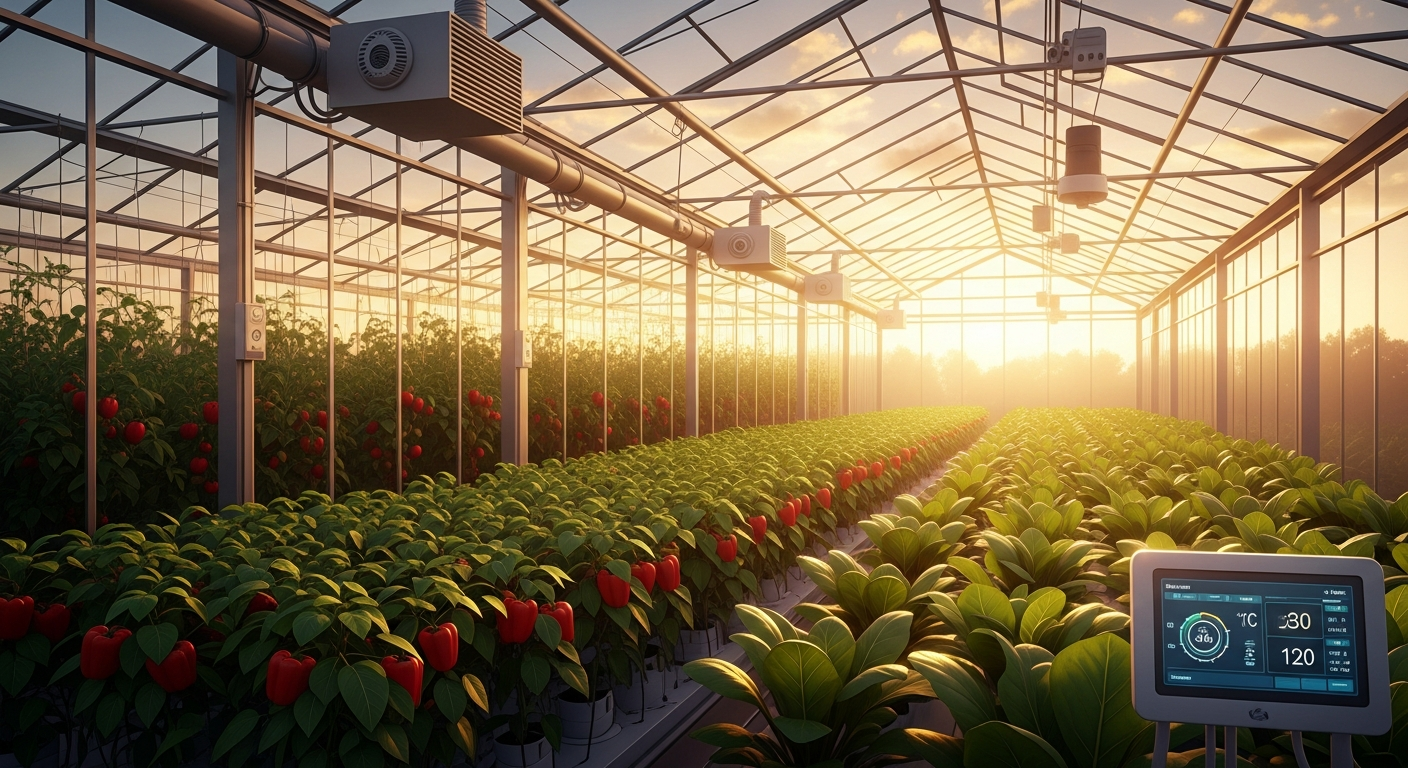
Plants thrive within specific temperature ranges, and deviations can lead to stress, reduced photosynthesis, stunted growth, or even death. Understanding how light conditions change throughout the year empowers you to anticipate these temperature shifts and implement proactive greenhouse cooling measures. Your goal is to maintain an optimal growing environment, ensuring your plants receive ample light without suffering from excessive heat. This requires constant vigilance and an adaptable greenhouse climate control approach.
Spring Awakening: Balancing Growth and Rising Heat
As winter’s chill recedes, spring brings a renewed burst of light and warmth. Days become noticeably longer, and the sun’s intensity gradually increases. This period is critical for vigorous early growth, but it also marks the beginning of your cooling challenges.
- Increasing Ventilation: Your first line of defense is often passive ventilation. As temperatures begin to climb, gradually increase the opening of your top and side vents. Start with partial openings on sunny days, expanding as the season progresses. Automated vent openers tied to a thermostat are invaluable here for responsive adjustment.
- Circulation Fans: Even with increasing ventilation, stagnant air pockets can lead to localized hotspots. Internal horizontal airflow fans (HAF fans) are essential for circulating air, equalizing temperatures, and improving overall air exchange. Run these fans during daylight hours to prevent stratification.
- Early Shading Considerations: While you generally want to maximize light in spring, exceptionally bright days, especially early on, can still lead to overheating. Consider a light, temporary shade cloth (e.g., 20-30% shading) that can be easily deployed or retracted. This allows you to protect sensitive seedlings or young plants from sudden bursts of intense light and heat without permanently sacrificing valuable light.
- Vigilant Monitoring: Spring weather can be unpredictable with warm spells interspersed with cooler days. Continuously monitor both internal and external temperatures, and be ready to adjust your cooling strategy instantly. Invest in reliable temperature sensors and alarms.
Summer’s Peak: Battling Intense Sunlight and High Temperatures
Summer brings the longest days and the most intense sunlight, presenting the biggest cooling challenge for most growers. The heat load within your greenhouse can become extreme, quickly leading to plant stress, wilting, and even sunburn if not managed effectively.
- Aggressive Shading: This is often the most critical summer cooling method. Deploy permanent or automated shade cloths (e.g., 40-70% shading, depending on crop and climate) to reduce direct solar radiation. Shading paint can also be applied to the exterior of the glazing, offering a more permanent solution that diffuses light.
- Maximized Evaporative Cooling: For many regions, a pad and fan evaporative cooling system becomes indispensable. These systems draw hot air through a water-saturated pad, causing water to evaporate and cool the air before it enters the greenhouse. Ensure your pads are clean and wet, and your exhaust fans are powerful enough for your greenhouse volume. Optimal performance of your evaporative cooling system is key to managing high summer temperatures and humidity.
- High-Volume Ventilation: Your ventilation fans should be running almost continuously during peak summer hours, exchanging the entire air volume of the greenhouse every few minutes. Prioritize maximum airflow to purge superheated air.
- Fogging and Misting Systems: These systems introduce fine water droplets into the air, which evaporate and provide localized cooling while also increasing humidity, which can be beneficial in very dry climates. Use them strategically to prevent excessive leaf wetness.
- Strategic Watering: While not a direct cooling method, adjusting your watering schedule to early mornings or late evenings can help plants cope with intense heat by ensuring they are adequately hydrated before the day’s peak temperatures.
- Consider Active Cooling: For very sensitive crops or in extremely hot, humid climates where evaporative cooling isn’t sufficient, active cooling systems (like air conditioners) might be considered, though they are highly energy-intensive and usually reserved for specialized applications.
Autumn’s Retreat: Preparing for Lower Light and Fluctuations
As autumn progresses, day length shortens, and the sun’s intensity gradually diminishes. While cooler weather is generally welcomed, autumn presents its own set of challenges, primarily managing fluctuating temperatures and optimizing light for finishing crops.
- Gradual Reduction of Shading: As solar intensity decreases, you’ll want to maximize the light available to your plants. Begin to retract or remove shade cloths. If using shade paint, consider the timing of its natural wear or removal to coincide with diminishing light needs. This helps plants continue active growth as they prepare for winter.
- Refined Ventilation Use: Ventilation will become more selective. While you may still need to vent on warm, sunny autumn days, you’ll want to reduce overall fan run times and perhaps use smaller vent openings to prevent overcooling and retain warmth. Automated vent systems become even more critical for precise temperature management.
- Monitoring for Temperature Swings: Autumn is known for significant day-night temperature differentials. Be vigilant in monitoring these swings to prevent cold shock to your plants. Your greenhouse climate control system should be programmed to respond to these changes, potentially initiating heating earlier in the evening or cooling briefly during a warm afternoon.
- Prioritizing Heat Retention: As ambient temperatures drop, you’ll start thinking about minimizing heat loss. While not directly a cooling strategy, good heat retention (e.g., sealing gaps, considering double-layer glazing) reduces the burden on your heating system, making your cooling adjustments more precise when needed.
Winter’s Embrace: Minimal Light, Minimal Cooling
Winter brings the shortest days and lowest solar intensity. The primary focus shifts from cooling to heating and heat retention. However, even in winter, there can be unexpectedly bright, sunny days that, combined with an enclosed greenhouse, can cause internal temperatures to rise quickly and unexpectedly.
- Minimal Cooling Necessity: Cooling requirements are at their lowest during winter. Vents will primarily be used for “purging” any accumulated excess heat on rare, unusually warm and sunny days, or for essential air exchange to manage humidity.
- Focus on Heating and Insulation: Your primary concern will be maintaining target temperatures and preventing heat loss. Ensure your heating system is functioning efficiently and that your greenhouse is well-sealed and insulated. Double-layer glazing or insulation on north-facing walls can significantly reduce heating costs.
- Humidity Management: With minimal ventilation, humidity can build up, leading to fungal diseases. Strategic, brief ventilation cycles, even if it means a momentary temperature drop, can be crucial for reducing humidity. Combine this with horizontal airflow fans to prevent condensation.
- Maximizing Available Light: With such low light levels, any shading that isn’t absolutely necessary should be removed entirely to maximize every photon for photosynthesis.
Conclusion
Managing your greenhouse environment is a dynamic art form, and your cooling strategy must be as fluid as the seasons themselves. From the increasing light of spring to the intense solar radiation of summer, the fluctuating temperatures of autumn, and the minimal light of winter, each period demands a thoughtful and adaptive approach. By understanding the direct impact of seasonal light changes on your greenhouse’s heat load, and by skillfully deploying tools like ventilation, shading, and evaporative cooling, you can maintain optimal temperatures year-round. Continuously monitoring your environment, anticipating shifts, and making proactive adjustments will not only ensure superior plant health but also contribute to significant energy efficiency. Embrace the rhythm of the sun, and empower your plants to thrive in a perfectly calibrated climate, no matter the season.