
Maintaining the perfect climate within a greenhouse is an art and a science, critical for healthy plant growth and maximum yield. While much attention is often given to heating during colder months, effective cooling is equally, if not more, vital to prevent heat stress, optimize photosynthesis, and ensure the well-being of your crops when temperatures soar. However, active cooling comes with a significant operational cost, primarily driven by the energy sources or “fuels” that power these systems. Understanding and comparing the cost of different greenhouse cooling fuels is paramount for any grower looking to optimize their budget, enhance efficiency, and build a sustainable operation. At Greenhouse Climates, we believe informed decisions lead to thriving environments, both for your plants and your bottom line.
The Essential Role and Methods of Greenhouse Cooling
Before diving into fuel costs, it’s important to appreciate why cooling is so indispensable and the primary methods employed. High temperatures can cause plants to experience heat stress, leading to wilting, reduced photosynthesis, flower abortion, and even death. Proper greenhouse cooling maintains an optimal temperature range, promoting vigorous growth and higher productivity.
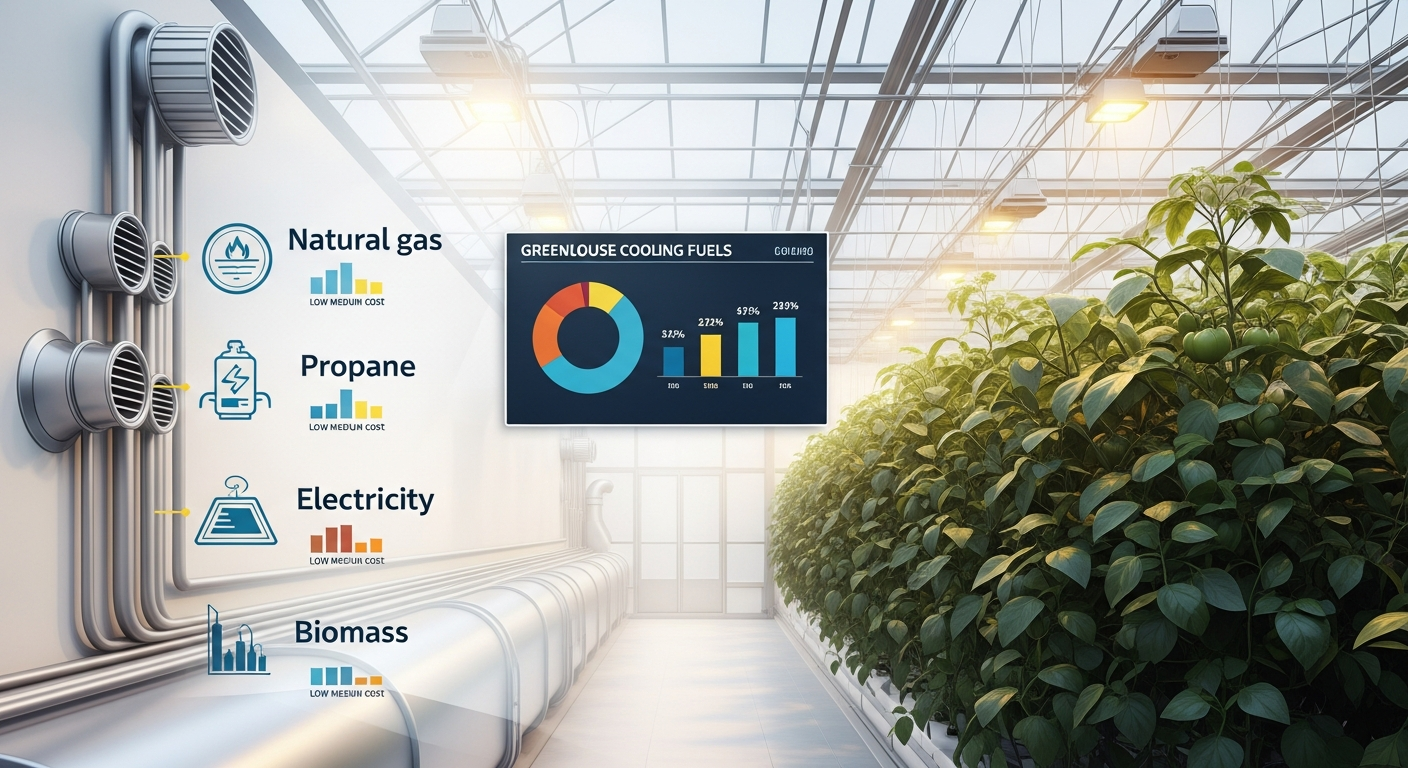
The most common active cooling methods include:
- Evaporative Cooling (Fan-and-Pad Systems): This widely used method draws hot air through water-saturated pads, cooling it through evaporation before circulating it into the greenhouse using large exhaust fans. It’s generally energy-efficient for the cooling it provides.
- Mechanical Refrigeration (Air Conditioning/Chillers): Similar to home air conditioning, these systems use refrigerants to remove heat from the air. They offer precise temperature and humidity control but are typically more energy-intensive and costly to operate, often reserved for sensitive crops or specific propagation areas.
- High-Pressure Fogging Systems: These systems release a fine mist into the greenhouse, which evaporates and cools the air. They require pumps and specialized nozzles.
Each of these systems relies on a specific type of energy input, which we’ll refer to as “fuel” for the purpose of this cost comparison. Understanding their demands is the first step toward effective cost management.
Comparing the Primary Fuels for Greenhouse Cooling
When we talk about “fuels” for cooling, we’re primarily referring to the energy sources that power the fans, pumps, compressors, and other components of active cooling systems. The choice of fuel significantly impacts ongoing operational costs.
Electricity: The Dominant Power Source
Electricity is, by far, the most common energy source for greenhouse cooling systems. Fans in evaporative cooling setups, pumps for pad systems and foggers, and compressors in mechanical refrigeration units all run on electricity. Its widespread availability and versatility make it the go-to option for most growers.
- Cost Variability: Electricity costs can vary dramatically based on geographic location, utility provider, time of day (peak vs. off-peak rates), and overall consumption. Commercial electricity rates are often structured with demand charges, which can significantly increase bills if power consumption spikes during specific periods.
- Efficiency Matters: The efficiency of your electrical equipment directly translates to your energy bill. High-efficiency motors for fans, energy-star-rated pumps, and mechanical refrigeration units with high Seasonal Energy Efficiency Ratio (SEER) ratings consume less electricity to achieve the same cooling effect, leading to substantial long-term savings.
- Renewable Integration: A major advantage of electricity is its compatibility with on-site renewable energy generation, primarily solar photovoltaic (PV) systems. While the initial investment for solar panels can be substantial, they can significantly offset or even eliminate electricity costs for cooling over their lifespan, offering long-term price stability and environmental benefits.
Practical Tip: Investigate your utility provider’s tariff structure. Understanding peak demand times and rates can help you schedule operations or implement energy management strategies to reduce costs. For example, pre-cooling during off-peak hours can sometimes mitigate peak demand charges.
Natural Gas/Propane: Niche Applications in Cooling
While natural gas and propane are primarily known as heating fuels, they do have a place in specific greenhouse cooling applications, particularly in larger commercial operations or those seeking energy independence through combined systems.
- Absorption Chillers: These specialized mechanical refrigeration systems use a heat source (often natural gas or propane) instead of electricity to drive the cooling cycle. They are less common in typical greenhouses but can be a viable option where natural gas is cheap and abundant, or as part of a Combined Heat and Power (CHP) system that generates both electricity and heat from a single fuel source. In a CHP system, the waste heat generated from electricity production can then power the absorption chiller.
- Cost Variability: Natural gas and propane prices fluctuate with global markets and seasonal demand. While they can be cheaper per BTU than electricity in some regions, the initial investment for absorption chillers and associated infrastructure is significantly higher.
Consideration: For most small to medium-sized greenhouses, direct electricity remains the more practical and cost-effective cooling fuel. Absorption chillers are typically considered for very large facilities where the overall energy strategy is highly integrated.
Water: The Consumable Resource in Evaporative Cooling
Although not a “fuel” in the traditional sense, water is a critical and consumable resource for evaporative cooling systems, and its cost can be a significant operational expense that growers often overlook in initial calculations.
- Direct Water Costs: Evaporative cooling relies on the continuous evaporation of water. Depending on your climate, cooling demand, and the size of your greenhouse, this can amount to substantial water usage. The cost per gallon or cubic meter varies widely by municipality and region.
- Water Quality & Treatment: Hard water can lead to mineral buildup on cooling pads, reducing efficiency and requiring more frequent maintenance or replacement. Water treatment systems (e.g., reverse osmosis, filtration) add to both capital and operational costs but can extend the life of equipment and maintain efficiency.
- Environmental Impact: Beyond direct cost, sustainable water management is increasingly important. Water scarcity in many regions makes efficient water use a priority.
Actionable Advice: Implement water recirculation systems for your evaporative pads and regularly check for leaks. Monitor your water meter specifically for cooling consumption. Consider rainwater harvesting or other alternative water sources if feasible in your location to reduce reliance on municipal water and associated costs.
Factors Influencing Overall Cooling Fuel Costs
The per-unit cost of electricity, natural gas, or water is just one piece of the puzzle. Several other factors profoundly impact your total greenhouse cooling fuel expenditure:
- Greenhouse Design & Insulation: A well-designed greenhouse with proper shading, vents, and effective insulation will naturally have a lower cooling load, reducing the demand on active cooling systems and, consequently, their fuel consumption.
- Local Climate & Microclimate: Greenhouses in hot, humid climates will naturally require more intensive and prolonged cooling than those in temperate zones. External environmental conditions directly dictate internal cooling needs.
- Equipment Efficiency & Maintenance: Older, poorly maintained cooling systems are notorious energy hogs. Regular cleaning, calibration, and replacement of worn components (e.g., fan belts, cooling pads, compressor filters) ensure your system runs at peak efficiency.
- Crop Requirements: Different crops have varying temperature sensitivities. Growing heat-sensitive plants will necessitate more stringent and thus potentially more expensive cooling regimes.
- Automation & Control Systems: Sophisticated climate control systems with sensors, programmable thermostats, and variable speed drives can optimize cooling fan speeds and cycles, preventing over-cooling and ensuring precise, energy-efficient operation based on real-time conditions.
- Utility Incentives & Rebates: Many utility companies offer incentives for energy-efficient upgrades or investments in renewable energy. Researching these programs can significantly offset the initial cost of energy-saving technologies.
Strategies for Optimizing Cooling Fuel Costs
Managing cooling costs is an ongoing process that requires a multi-faceted approach. Here are practical strategies to help growers reduce their greenhouse cooling fuel expenses:
- Conduct an Energy Audit: Start by understanding where your energy is going. An audit can identify inefficiencies in your greenhouse structure, cooling systems, and operational practices.
- Prioritize Passive Cooling: Before engaging active systems, maximize natural ventilation and shading. Properly designed vents, shade cloths, and whitewash coatings can significantly reduce the heat load, thereby lowering the demand for active cooling.
- Upgrade to High-Efficiency Equipment: Replace outdated fans, pumps, and mechanical chillers with modern, energy-efficient models. While the upfront cost may be higher, the long-term savings in electricity consumption often provide an excellent return on investment (ROI).
- Implement Smart Climate Controls: Install advanced environmental control systems that integrate temperature sensors, humidity sensors, and even weather forecasts. These systems can automate cooling to precisely meet plant needs while minimizing energy waste. Consider variable frequency drives (VFDs) for fans to adjust speed based on demand, rather than running at full power constantly.
- Invest in On-Site Renewable Energy: Explore solar PV systems to generate your own electricity. This strategy offers protection against rising utility rates and demonstrates a commitment to sustainable growing.
- Optimize Water Management for Evaporative Cooling: Implement closed-loop systems, regular pad cleaning, and water quality testing to extend pad life and reduce water consumption. Consider water recycling where appropriate.
- Regular Maintenance Schedule: Preventative maintenance is crucial. Clean cooling pads, inspect fan motors, check for refrigerant leaks in mechanical systems, and ensure all components are functioning optimally. A well-maintained system runs more efficiently and lasts longer.
Conclusion
The cost of greenhouse cooling fuels is a critical component of a grower’s operational budget. While electricity remains the primary power source for most cooling systems, factors like equipment efficiency, greenhouse design, climate, and maintenance play equally significant roles in determining your overall expenditure. By understanding the characteristics and costs associated with different energy inputs, and by implementing smart strategies for optimization and efficiency, growers can significantly reduce their cooling bills. A holistic approach that integrates energy-efficient design, modern equipment, smart controls, and sustainable practices is key to achieving cost-effective and environmentally responsible greenhouse cooling, ensuring a healthier bottom line and thriving crops for years to come. At Greenhouse Climates, we encourage growers to continually evaluate their cooling strategies to adapt to changing energy markets and environmental considerations.