
In the intricate world of greenhouse cultivation, every element plays a crucial role in fostering a thriving environment. From light intensity to nutrient delivery, temperature and humidity are meticulously managed to ensure optimal plant growth. However, a silent saboteur often lurks within seemingly well-controlled spaces: localized hotspots. These insidious pockets of elevated temperature can wreak havoc on your plants, causing stress, stunted development, and reduced yields. The good news? The solution is often simpler than you think, lying in the strategic implementation of robust air circulation. Effective airflow is not just about moving air; it’s about creating a uniform climate, preventing these damaging hotspots, and ensuring every plant in your greenhouse receives its fair share of ideal growing conditions.
Understanding Localized Hotspots: A Silent Threat to Your Greenhouse
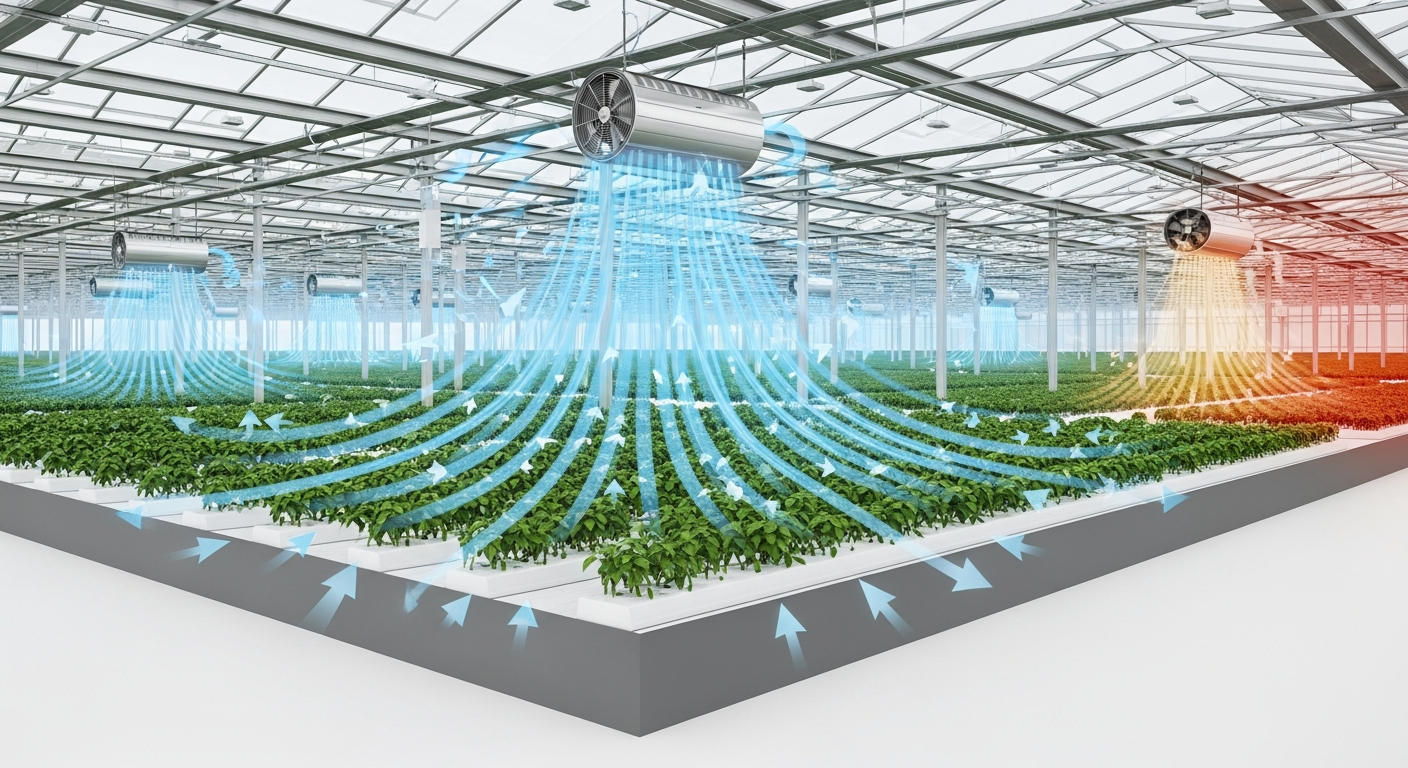
Localized hotspots are discrete areas within a greenhouse where temperatures significantly exceed the desired ambient levels. Unlike a general rise in greenhouse temperature, these hotspots are confined, making them particularly insidious as they can be overlooked in general temperature readings. They are essentially microclimates of distress for your plants.
How and Why Hotspots Form
Several factors contribute to the formation of localized hotspots:
- Poor Air Movement: This is the primary culprit. Without adequate air circulation, heat generated by sunlight, grow lights, or even the plants themselves (through respiration) gets trapped in specific areas.
- Direct Solar Radiation: Areas exposed to intense, unfiltered sunlight for extended periods, especially near south-facing walls or under specific glazing materials, can quickly heat up if the air isn’t moving.
- Equipment Heat: Ballasts from grow lights, pumps, motors, and other electrical equipment generate heat. If these are placed without considering airflow, they can create immediate hotspots.
- Plant Density: Densely packed plants can create a canopy that traps warm, stagnant air underneath, especially around the foliage.
- Structural Obstructions: Benches, walls, shelves, and other structural elements can impede natural airflow, creating pockets of still air.
The Damaging Effects on Plants
The consequences of prolonged exposure to localized hotspots are severe and varied:
- Heat Stress: Plants in hotspots experience significant heat stress, leading to wilting, scorching, and reduced photosynthetic efficiency.
- Stunted Growth and Reduced Yield: Energy that should go into growth and fruit/flower production is diverted to survival mechanisms, resulting in smaller plants and diminished harvests.
- Nutrient Deficiencies: High temperatures can impair a plant’s ability to absorb and translocate essential nutrients, even if they are present in the growing medium.
- Increased Susceptibility to Pests and Diseases: Stagnant, warm, and often humid air within hotspots provides an ideal breeding ground for many pests (like spider mites) and fungal diseases (like powdery mildew).
- Leaf Burn and Necrosis: Extreme heat can literally cook plant tissues, leading to irreversible damage and death of leaves or entire sections of the plant.
- Flower Abortion: Many plants will drop flowers or fail to set fruit under heat stress, significantly impacting yield.
The Science of Air Movement: How Circulation Keeps Things Even
At its core, air circulation is about achieving temperature uniformity and creating a consistent, healthy greenhouse climate. It combats the natural tendency for heat to stratify and for various environmental factors to become unevenly distributed.
Convective Heat Transfer and Blending
Heat naturally moves from warmer to cooler areas. Without forced air movement, warm air rises and cool air sinks, leading to distinct temperature layers (stratification). Air circulation systems actively mix the air within the greenhouse, facilitating convective heat transfer. Fans push warmer air down and blend it with cooler air, effectively eliminating these layers and ensuring a uniform temperature from floor to ceiling and across the entire growing area. This constant blending prevents heat from building up in specific spots, thus preventing localized hotspots.
Beyond Temperature: A Multifaceted Approach to Climate Control
While preventing hotspots is a primary benefit, effective air circulation contributes to a holistic optimal greenhouse environment in several other critical ways:
- CO2 Distribution: Plants consume carbon dioxide during photosynthesis. Without air movement, CO2 can be depleted in the immediate vicinity of leaves, even if the overall greenhouse level is adequate. Circulation ensures a fresh supply of CO2 reaches all plant surfaces.
- Humidity Control: Airflow helps evaporate moisture from plant surfaces and growing media, reducing localized humidity which can foster fungal diseases. It also aids in expelling excess humidity from the greenhouse environment through ventilation.
- Strengthening Stems: Gentle, constant air movement mimics natural breezes, encouraging plants to develop stronger stems and more robust root systems, making them less susceptible to physical damage.
Implementing Effective Air Circulation Strategies
Achieving optimal air circulation requires a thoughtful combination of equipment and strategic placement. Here are key components and approaches:
Horizontal Airflow (HAF) Fans
HAF fans are the workhorses of greenhouse air circulation. They are typically positioned to create a continuous “race track” airflow pattern, moving air down one side of the greenhouse and back up the other. This gentle, consistent movement is highly effective at blending air and preventing stagnation. For optimal results, place HAF fans strategically to avoid dead zones and ensure their throw is not directly blocked by major obstructions. They should typically be mounted above the crop canopy, pointing slightly downwards.
Exhaust Fans and Intake Vents
These are crucial for ventilation, which complements circulation. Exhaust fans actively pull hot, stale, and humid air out of the greenhouse, while intake vents (often with motorized shutters) allow cooler, fresh outside air to enter. Proper sizing and placement ensure efficient air exchange, preventing overall heat buildup and maintaining desired temperatures, which indirectly helps prevent localized hotspots by refreshing the entire air volume.
Circulation Fans (Oscillating/Recirculating Fans)
Beyond HAF systems, smaller oscillating or fixed-position recirculating fans can be used to target specific areas prone to hotspots. These might include corners, dense planting zones, or areas near heat-generating equipment. They provide a more direct blast of air to break up stagnant pockets and ensure air movement where HAF systems might be less effective.
Strategic Plant Spacing and Layout
Even the best fans can struggle if plants are too densely packed. Ensure adequate spacing between plants to allow air to flow through and around the foliage. Consider bench layout and plant height to prevent obstruction of airflow pathways. Raised benches can also improve air movement underneath the plants.
Automation and Monitoring
Modern greenhouse climate control relies heavily on automation. Integrating temperature and humidity sensors with your fan systems allows for precise control. Thermostats can trigger fans when temperatures exceed a set threshold, ensuring proactive hotspot prevention. Air speed sensors can also help identify areas with insufficient airflow.
Beyond Temperature: Other Benefits of Robust Air Circulation
While our focus is on localized hotspots, the ripple effects of good air circulation extend far beyond just temperature regulation, fundamentally enhancing plant health and overall greenhouse productivity.
Pest and Disease Prevention
Many common greenhouse pests, such as spider mites, thrive in hot, stagnant, and dry conditions, while fungal diseases like powdery mildew, botrytis, and downy mildew flourish in humid, still air. Consistent air movement helps to:
- Reduce Humidity Layers: It prevents the formation of a boundary layer of humid air around plant leaves, making it harder for fungal spores to germinate and spread.
- Dry Foliage: Airflow helps quickly dry any moisture on leaves after irrigation or condensation, significantly reducing the risk of foliar diseases.
- Disrupt Pest Environments: Constant, gentle air movement can make it more difficult for certain flying pests to settle and multiply.
Enhanced Transpiration and Nutrient Uptake
Transpiration – the process of water movement through a plant and its evaporation from aerial parts – is crucial for nutrient uptake. As water evaporates from leaves, it creates a “pull” that draws water and dissolved nutrients up from the roots. In stagnant air, a layer of saturated air can form around leaves, reducing the rate of transpiration. Air circulation dissipates this layer, promoting healthy transpiration rates and, consequently, efficient nutrient delivery to all parts of the plant.
Improved CO2 Distribution for Photosynthesis
Carbon dioxide is a vital ingredient for photosynthesis. In still air, plants can quickly deplete the CO2 immediately surrounding their leaves. Effective air circulation constantly replenishes this CO2 layer, ensuring every plant, regardless of its position, has access to sufficient carbon dioxide, leading to more vigorous growth and higher yields.
Stronger Plant Stems and Root Systems
Plants respond to environmental stimuli. The gentle “stress” of consistent air movement, mimicking a natural breeze, encourages plants to strengthen their cell walls and develop thicker, sturdier stems. This increased structural integrity makes them more resilient to pests, diseases, and even heavy fruit loads, while also promoting robust root development.
Troubleshooting Common Air Circulation Challenges
Even with the best intentions, air circulation systems can encounter issues. Knowing how to identify and address them is key to maintaining an optimal greenhouse climate.
Identifying and Correcting Dead Zones
A “dead zone” is an area within the greenhouse where airflow is minimal, leading to stagnation and potential hotspot formation. Use smoke sticks or lightweight ribbons to visualize airflow patterns and identify these areas. Common dead zones include:
- Corners: Often overlooked, corners can be particularly problematic.
- Under Benches: Without proper fan placement, air can become trapped below growing surfaces.
- Between Dense Plant Rows: Overly dense planting can create a wall that blocks airflow.
Correction: Add smaller oscillating fans to target these areas, adjust HAF fan angles, or reconsider plant spacing.
Fan Placement Errors and Insufficient Power
Fans positioned too high, too low, or directed incorrectly can significantly reduce their effectiveness. Similarly, undersized fans or an insufficient number of fans for your greenhouse volume will fail to create adequate air movement.
Correction: Review manufacturer guidelines for fan placement and coverage area. For HAF fans, aim for an unobstructed path. Ensure fans are correctly sized for your greenhouse’s cubic footage, often calculated by CFM (Cubic Feet per Minute) requirements.
Blocked Vents or Fans
Over time, dust, debris, or even overgrown plant foliage can obstruct fan blades or ventilation vents, severely impeding their function. This reduces airflow efficiency and increases energy consumption.
Correction: Regularly inspect and clean all fan blades, screens, and vents. Prune plants to ensure they don’t block airflow pathways.
Uneven Air Distribution
Sometimes, air may be moving but not evenly. This can happen if fans are too powerful in one area, creating drafts, or too weak in another, leaving pockets of still air. The goal is gentle, consistent movement throughout.
Correction: Adjust fan speeds, re-angle fans, or introduce additional fans to balance the airflow across the entire space. Consider adding baffling or deflectors to guide airflow if needed.
Conclusion: Embrace the Breeze for a Healthier Greenhouse
Air circulation is far more than just a supplementary feature in your greenhouse climate control strategy; it is a fundamental pillar. By actively preventing localized hotspots, you shield your plants from debilitating heat stress and ensure a uniform, stable growing environment. This proactive approach not only optimizes temperature distribution but also enhances CO2 availability, regulates humidity, deters pests and diseases, and promotes stronger, healthier plant development. Investing in well-designed and properly maintained air circulation systems is an investment in the long-term vitality, productivity, and profitability of your greenhouse. Embrace the power of the breeze, and watch your plants flourish in an environment free from the silent threat of localized hotspots.