
One of the most common and persistent headaches for hydroponic growers is the unwelcome appearance of algae. This simple, photosynthetic organism can quickly turn clear nutrient solutions into murky, green ponds, threatening the health and productivity of your carefully cultivated plants. While many solutions exist, from chemical treatments to various forms of filtration, one of the most effective, eco-friendly, and often overlooked strategies lies in the intelligent application of an everyday greenhouse tool: shade cloth. At Greenhouse Climates, we understand the delicate balance required for successful hydroponics, and today, we’ll delve deep into how shade cloth can be your silent guardian against the pervasive problem of algae growth in your hydroponic systems.
The Unwanted Green Invader: Why Algae is a Problem in Hydroponics
Before we explore the solution, it’s crucial to understand the enemy. Algae are primitive, plant-like organisms that thrive in environments with light, moisture, and nutrients – precisely the conditions found in most hydroponic systems. They primarily pose a threat to your hydroponic garden for several reasons:
- Nutrient Competition: Algae aggressively compete with your plants for essential nutrients in the solution. This means less food for your crops, leading to stunted growth, nutrient deficiencies, and reduced yields.
- Oxygen Depletion: While algae produce oxygen during the day, they consume it at night. A large algal bloom can significantly deplete dissolved oxygen levels in your nutrient solution, suffocating plant roots and making them susceptible to diseases like pythium.
- pH Fluctuations: Algae actively consume CO2 during photosynthesis, which can cause the pH of your nutrient solution to rise rapidly. Maintaining a stable pH is vital for nutrient uptake, and these fluctuations stress your plants and impair their ability to absorb vital elements.
- Clogged Systems: Algal mats can clog pumps, drippers, and irrigation lines, leading to uneven nutrient delivery and system malfunctions. This not only requires frequent cleaning but can also damage equipment.
- Root Damage and Disease: Dense algal growth around plant roots can create an anaerobic environment, hindering root respiration and increasing the risk of root rot and other pathogenic infections.
The primary driver for algae growth in hydroponics is the exposure of the nutrient solution to light. Other contributing factors include warm water temperatures and excess nutrient concentrations. Understanding these triggers is the first step toward effective prevention.
Shedding Light on the Solution: How Shade Cloth Works Against Algae
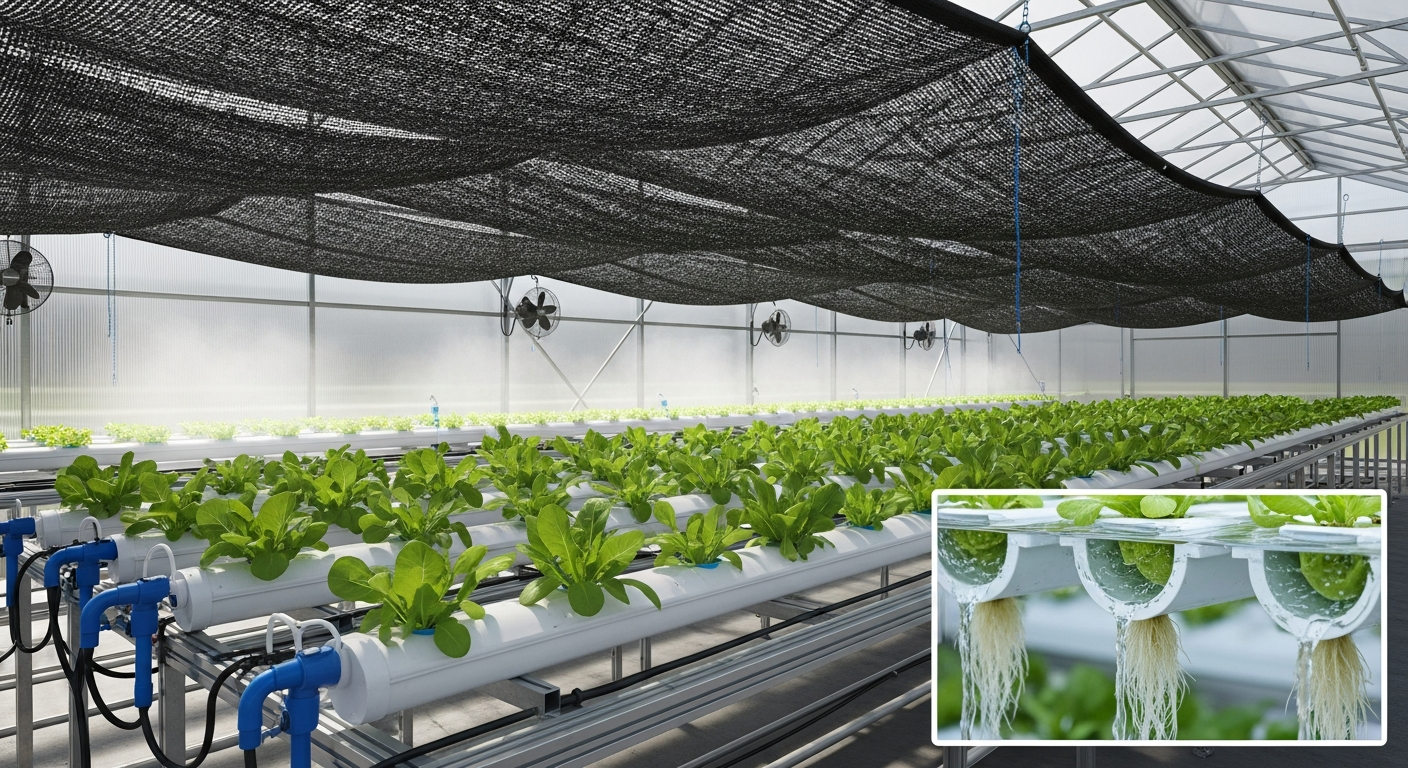
The fundamental principle behind using shade cloth for algae prevention is simple: no light, no photosynthesis, no algae growth. Just like your desired plants, algae need light to convert carbon dioxide and water into energy. By strategically blocking light from reaching the nutrient solution, you effectively starve the algae of their primary energy source, preventing them from establishing and proliferating.
It’s important to distinguish between using shade cloth to reduce light intensity for your plants and using it specifically to block light from your hydroponic reservoir and plumbing. While shade cloth is commonly used in greenhouses to mitigate excessive sunlight and heat for delicate crops, its role in algae prevention focuses solely on preventing light penetration into the water where algae can grow. Your plants still need their full spectrum of light; it’s the solution that needs to be kept in the dark.
When sunlight or even strong artificial grow lights hit your clear or translucent reservoirs, nutrient solution, or tubing, it creates an ideal environment for algae spores to germinate and flourish. Shade cloth, when applied correctly, acts as a physical barrier, absorbing and reflecting light wavelengths that algae would otherwise use for growth. This simple, non-chemical approach is not only environmentally friendly but also cost-effective and safe for your plants and your health.
Choosing the Right Shade Cloth and Application Techniques
Implementing shade cloth effectively requires a bit of thought regarding material and application.
Selecting the Right Shade Percentage
When selecting shade cloth for algae prevention, your goal is to block as much light as possible from the nutrient solution without unduly shading your plants. For covering reservoirs and pipes, you’ll generally want a higher shade percentage than you might use for shading plants directly. Percentages ranging from 60% to 80% are often sufficient, but for absolute certainty and very clear reservoirs, even 90% or higher can be beneficial. The key is to ensure that virtually no light penetrates to the water below. Keep in mind that darker colors tend to absorb more light and can be more effective for this specific purpose than lighter, reflective shades.
Application Methods for Optimal Algae Prevention
The way you apply the shade cloth is crucial for its effectiveness. Here are several practical methods:
- Covering Reservoirs: This is the most critical application. Simply drape a piece of appropriately sized shade cloth over the top of your reservoir, ensuring it completely covers the lid and any exposed sides. You can secure it with clips, bungee cords, or even heavy objects to prevent it from shifting. For deep water culture (DWC) systems, ensure the shade cloth extends down the sides of the bucket or container if they are not already opaque.
- Wrapping Pipes and Tubing: If you have transparent or translucent nutrient delivery lines or return pipes, these are prime targets for algae. Carefully wrap these sections with shade cloth, securing it with zip ties, tape (ensure it’s waterproof and doesn’t degrade from UV), or specialized pipe insulation clips.
- DIY Opaque Covers: For a more permanent solution, you can use shade cloth as an outer layer for DIY reservoir covers. Construct a lightweight frame (e.g., PVC pipes, wood slats) that fits snugly over your reservoir, then stretch and secure the shade cloth over the frame. This creates an air gap, which can also help with temperature regulation.
- Combining with Opaque Materials: For optimal protection, consider combining shade cloth with other opaque materials. For instance, paint the exterior of transparent containers with dark, non-toxic paint first, then add shade cloth for an extra layer of light blockage and potential temperature moderation.
Always ensure that the shade cloth doesn’t impede access for monitoring pH, EC, or refilling the reservoir. Design your application method to allow for easy inspection and maintenance.
Beyond Shade Cloth: A Holistic Approach to Algae Prevention
While shade cloth is an incredibly powerful tool for preventing algae growth, it’s most effective when integrated into a comprehensive prevention strategy. Think of it as a crucial layer of defense, but not the only one.
Utilizing Opaque Systems from the Start
The best defense often begins at the design stage. Whenever possible, choose hydroponic components that are inherently opaque. Black or dark-colored reservoirs, buckets, and tubing are far less hospitable to algae than their clear or translucent counterparts. This foundational choice significantly reduces the surface area available for light penetration, making shade cloth an even more effective supplementary measure.
Regular System Maintenance and Cleaning
Even with the best preventative measures, a tiny amount of algae might still find its way into your system. Regular maintenance is key to keeping it in check:
- Reservoir Cleaning: Periodically empty, clean, and sterilize your reservoir. A mild hydrogen peroxide solution (food-grade) or a diluted bleach solution (followed by thorough rinsing) can effectively kill any lingering algae or pathogens.
- Flushing Lines: Regularly flush your nutrient delivery lines and drippers to prevent buildup and clear any potential blockages from early algal formations.
- Inspect Regularly: Make a habit of visually inspecting your roots, reservoir, and plumbing for any signs of algae. Early detection makes remediation much easier.
Precise Nutrient Management
While algae need nutrients to grow, you shouldn’t withhold them from your plants. However, avoid over-fertilization. Excess nutrients not absorbed by your plants can become a feast for algae. Stick to recommended nutrient concentrations for your plant stage and monitor your electrical conductivity (EC) carefully. Change your nutrient solution regularly to prevent nutrient imbalances and accumulation.
Optimizing Water Temperature
Algae, like many unwanted pathogens, thrives in warmer water. Aim to keep your nutrient solution temperature below 70-75°F (21-24°C). Cooler water temperatures not only inhibit algae growth but also increase dissolved oxygen levels, which is beneficial for root health. Shade cloth can indirectly help by preventing direct sunlight from heating the reservoir, but consider adding a water chiller if temperatures consistently run high.
Good Air Circulation and Oxygenation
Healthy, oxygen-rich roots are more resilient to stress and disease. Ensure your hydroponic system has adequate aeration, whether through air stones and air pumps in DWC systems or proper drainage and spacing in other methods. Good air circulation around your plants can also help prevent airborne algae spores from settling on wet surfaces.
Conclusion
Algae growth is an annoying yet common challenge in hydroponic gardening, but it’s a battle that can be won with proactive and intelligent strategies. Employing shade cloth to block light from your nutrient solution is a highly effective, eco-friendly, and simple method to prevent these unwanted green invaders from taking root. By choosing the right shade percentage and applying it strategically to your reservoirs and plumbing, you starve algae of their essential light source, protecting your plants from nutrient competition, pH fluctuations, and oxygen depletion.
Remember, shade cloth is a powerful ally, but it works best as part of a holistic approach. Combine its use with opaque system components, diligent maintenance, precise nutrient management, and optimal water temperatures to create an environment where your hydroponic plants can truly thrive, free from the persistent threat of algae. Happy growing!