
As greenhouse enthusiasts, we constantly seek ways to cultivate thriving environments for our beloved plants. The challenge of maintaining optimal temperatures, especially during scorching summers, is a universal struggle. While modern technology offers sophisticated solutions, there’s a growing appreciation for sustainable, low-tech methods that harness the power of nature. What if we told you that some of the most effective and eco-friendly cooling techniques for your greenhouse have been around for thousands of years? Welcome to the fascinating world of ancient cooling, where simple clay pots and water can become your greenhouse’s best friend.
The Timeless Science of Evaporative Cooling
At the heart of these ancient cooling techniques lies a fundamental scientific principle: evaporative cooling. This isn’t just an old trick; it’s how nature cools itself, from the sweat on our skin to vast oceans. When water changes from a liquid to a gaseous state (evaporates), it absorbs a significant amount of heat energy from its surroundings. This absorbed energy, known as the latent heat of vaporization, causes the temperature of the nearby air to drop.
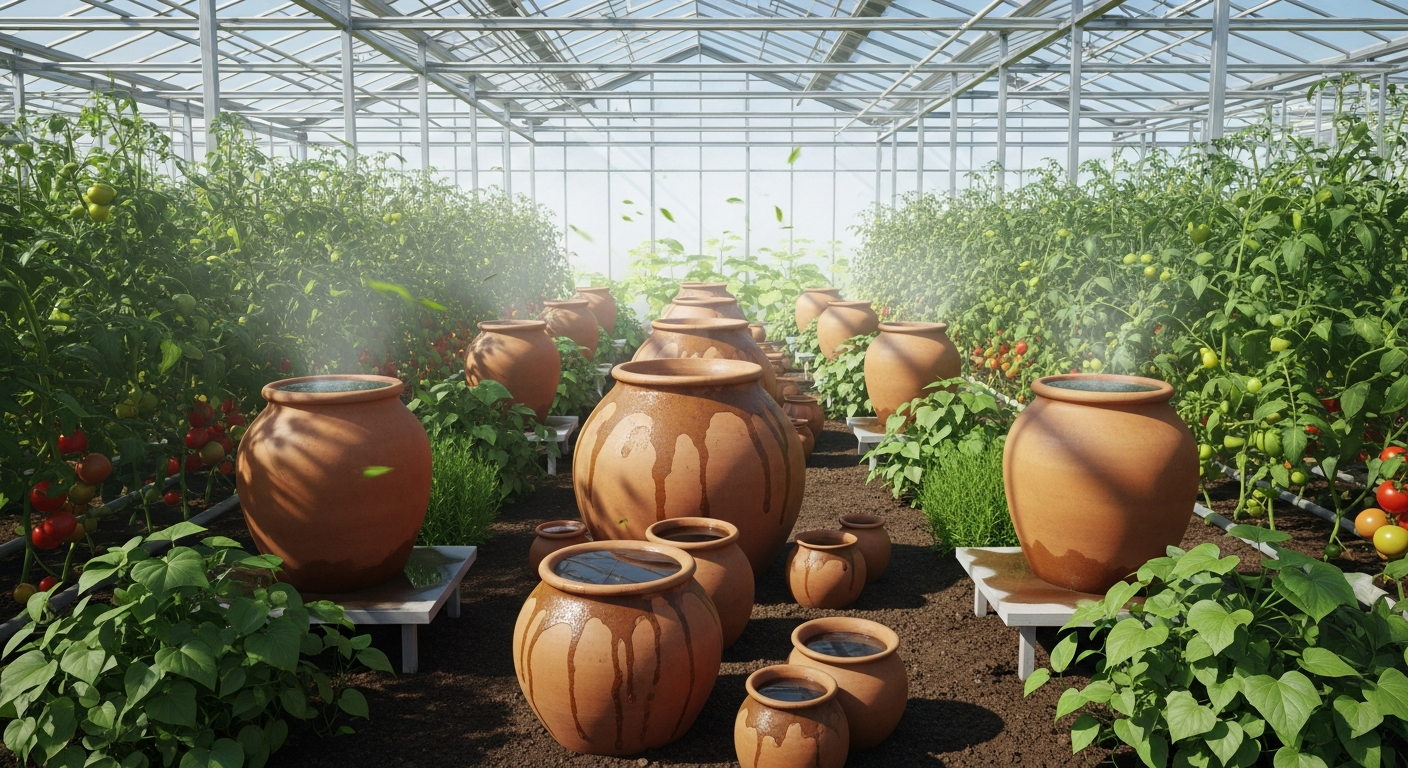
Think about stepping out of a swimming pool on a breezy day; you feel instantly cooler. That’s evaporative cooling at work. Porous materials like unglazed terracotta (clay) pots are perfect conduits for this process. Their microscopic pores allow water to slowly seep through to the outer surface. Once on the surface, the water is exposed to the ambient air, where it evaporates, drawing heat directly from the pot itself and the air immediately surrounding it. This creates a localized cooling effect, lowering the overall temperature within your greenhouse while also adding beneficial humidity.
Echoes from the Past: Ancient Civilizations and Passive Cooling
The ingenuity of ancient civilizations in adapting to harsh climates is truly inspiring. Long before air conditioning units, people in arid regions developed sophisticated passive cooling strategies, many of which relied on the principles of evaporative cooling using clay and water. These methods were not just clever; they were essential for survival and prosperity.
- Egyptian Water Jars: Ancient Egyptians were masters of water management and cooling. They would fill large, porous clay jars with water and place them in breezy areas. As the water slowly evaporated from the surface of the jars, it cooled the drinking water inside and the air around them. This technique was vital for keeping food and beverages cool in the desert heat.
- Indus Valley Zeer Pots: In regions of modern-day Pakistan and India, the “Zeer pot” or “pot-in-pot refrigerator” was developed. This incredibly simple yet effective device consists of a smaller, non-porous pot placed inside a larger, porous clay pot. The space between the two pots is filled with wet sand. As water evaporates from the outer pot and the sand, it draws heat away from the inner pot, keeping its contents significantly cooler – sometimes by as much as 10-15°F (5-8°C).
- Architectural Innovations: Beyond pots, ancient architects integrated water features, thick walls, and strategic ventilation into their buildings to harness natural cooling, demonstrating a deep understanding of thermal dynamics.
These historical precedents prove that sustainable, effective cooling doesn’t require complex machinery. It often just requires a thoughtful application of natural principles.
Implementing Ancient Cooling in Your Modern Greenhouse
Bringing these age-old techniques into your greenhouse is surprisingly simple and can yield significant benefits. Here are several practical ways to leverage clay pots and water for cooling:
Terracotta Pot Water Reservoirs
The most straightforward method involves using large, unglazed terracotta pots as natural evaporative coolers.
How to do it:
- Choose Your Pots: Select several large, unglazed terracotta pots (10-15 inches in diameter or larger). The more porous, the better. Avoid glazed or plastic pots as they won’t allow water to evaporate through their walls.
- Fill with Water: Fill the pots with clean water. You can add a few drops of algaecide suitable for plants if algae growth becomes an issue, but regular cleaning is often sufficient.
- Strategic Placement: Place these water-filled pots in various locations throughout your greenhouse. Good spots include under benches, near plant groupings that need extra humidity, or in areas with good air circulation. A saucer underneath can catch drips, though some dripping is normal as water seeps through.
- Monitor and Refill: Regularly check the water levels and refill as needed. In hot, dry conditions, pots may need daily refilling.
As the water evaporates from the pot’s surface, it will subtly cool the surrounding air and increase localized humidity, creating a microclimate beneficial for many plants.
DIY Zeer Pot for Spot Cooling or Storage
For more intense, localized cooling or even to keep certain items (like harvested produce or propagation materials) slightly cooler, you can build a Zeer pot inspired system.
How to do it:
- Two Pots: Find two unglazed terracotta pots, one significantly larger than the other, allowing at least a 1-2 inch gap between their walls when the smaller pot is placed inside the larger one. The inner pot can be glazed or unglazed, but unglazed might offer a slight additional cooling benefit if its contents can tolerate contact with moisture.
- Fill the Gap: Place the smaller pot inside the larger one. Fill the gap between the two pots with sand, gravel, or even perlite.
- Add Water: Slowly pour water into the sand until it is thoroughly saturated. The water will be absorbed by the outer porous pot.
- Utilize: Place items you wish to keep cool inside the inner pot and cover it with a damp cloth or lid. As water evaporates from the outer pot and the wet sand, it draws heat from the inner pot.
This is particularly effective in drier climates and can create a surprisingly cool chamber.
Evaporative Humidity Trays and Surfaces
Beyond whole pots, you can use terracotta’s porosity in other ways:
- Terracotta Shards: Place broken terracotta pot pieces in a tray, fill with water, and position it under benches or near plants. The increased surface area of the damp clay will boost evaporation.
- Porous Floor Materials: If your greenhouse has a dirt or gravel floor, you can strategically incorporate porous clay aggregates or simply keep the floor regularly damp to encourage evaporative cooling from the ground up.
Benefits and Considerations for Sustainable Greenhouse Cooling
Embracing these ancient techniques offers several compelling advantages for the modern greenhouse owner:
- Eco-Friendly & Sustainable: No electricity required, significantly reducing your carbon footprint and reliance on fossil fuels.
- Cost-Effective: The initial investment in terracotta pots is minimal, and there are virtually no running costs beyond water.
- Increased Humidity: Evaporation naturally adds moisture to the air, which is highly beneficial for many humidity-loving plants, seedlings, and tropical varieties, especially in dry climates.
- Simple & Accessible: These methods are easy to implement, requiring no specialized tools or expertise.
- Aesthetic Appeal: Terracotta pots add a natural, rustic charm to your greenhouse environment.
However, it’s also important to consider the limitations:
- Effectiveness Varies with Climate: Evaporative cooling works best in hot, dry climates. In areas with high ambient humidity, the air is already saturated with water vapor, limiting further evaporation and thus reducing the cooling effect.
- Maintenance: Pots need regular refilling and occasional cleaning to prevent algae buildup and mineral deposits that can clog pores over time.
- Limited Cooling Power: While effective, these methods provide supplemental cooling and humidity. They may not be sufficient on their own for extremely large greenhouses or during peak heat waves in very dry climates, where shading or mechanical ventilation might still be needed.
- Humidity Control: While often a benefit, excessive humidity can be detrimental to certain plants (like succulents or cacti) and can encourage fungal diseases. Monitor your greenhouse humidity with a hygrometer.
Optimizing Your Ancient Cooling System
To get the most out of your clay pot and water cooling techniques, consider these tips:
- Enhance Airflow: Evaporation is directly proportional to airflow. Combine your clay pot cooling with good ventilation – open vents, louvers, or even a small fan – to help move moist, cool air around and draw more warm, dry air towards the pots for further evaporation.
- Strategic Placement: Place pots where they can receive good airflow and near plants that benefit most from increased humidity and slight cooling. Consider placing them near heat sources if safe to do so, to maximize heat absorption.
- Water Quality: Use clean water to prevent mineral buildup and algae in the pot’s pores. Rainwater or filtered water can be ideal.
- Monitor Conditions: Invest in a reliable thermometer and hygrometer to track your greenhouse’s temperature and humidity. This will help you understand the effectiveness of your efforts and adjust as needed.
- Combine with Other Passive Strategies: For comprehensive climate control, integrate clay pot cooling with other passive methods like shade cloths, whitewashing the roof, and proper greenhouse orientation.
Conclusion
In a world increasingly focused on advanced technology, there’s immense value in rediscovering and applying the wisdom of the past. Using clay pots and water for evaporative cooling in your greenhouse is a testament to the enduring power of simple, natural principles. It’s an eco-friendly, cost-effective, and sustainable way to moderate temperatures and boost humidity, creating a more comfortable and productive environment for your plants. While it may not replace all modern climate control solutions, it offers a vital piece of the puzzle for sustainable greenhouse management. Experiment with these ancient techniques, observe the impact, and enjoy the satisfaction of harmonizing with nature’s timeless cooling mechanisms.