
In the world of greenhouse gardening, mastering the climate is paramount to success. While fans, vents, and shade cloths are go-to solutions for managing heat, savvy growers are increasingly turning to a simpler, yet remarkably effective tool: wet benches. These unassuming features play a critical role in creating and maintaining a cool, humid microclimate right where your plants need it most, offering a sustainable and energy-efficient way to combat the relentless heat that can plague enclosed growing spaces. If you’ve ever struggled to keep your sensitive plants from wilting under the summer sun or yearned for a more stable environment, understanding the power of wet benches might just revolutionize your greenhouse management.
Understanding Greenhouse Microclimates and Heat Stress
A greenhouse isn’t just one uniform environment; it’s a collection of nuanced microclimates. A greenhouse microclimate refers to the specific atmospheric conditions—temperature, humidity, and airflow—in a localized area within the larger structure. While your overall greenhouse temperature might read 80°F (27°C), the microclimate directly around your plants, especially at the leaf level, can be significantly hotter or cooler, wetter or drier, influencing everything from photosynthesis to pest susceptibility.
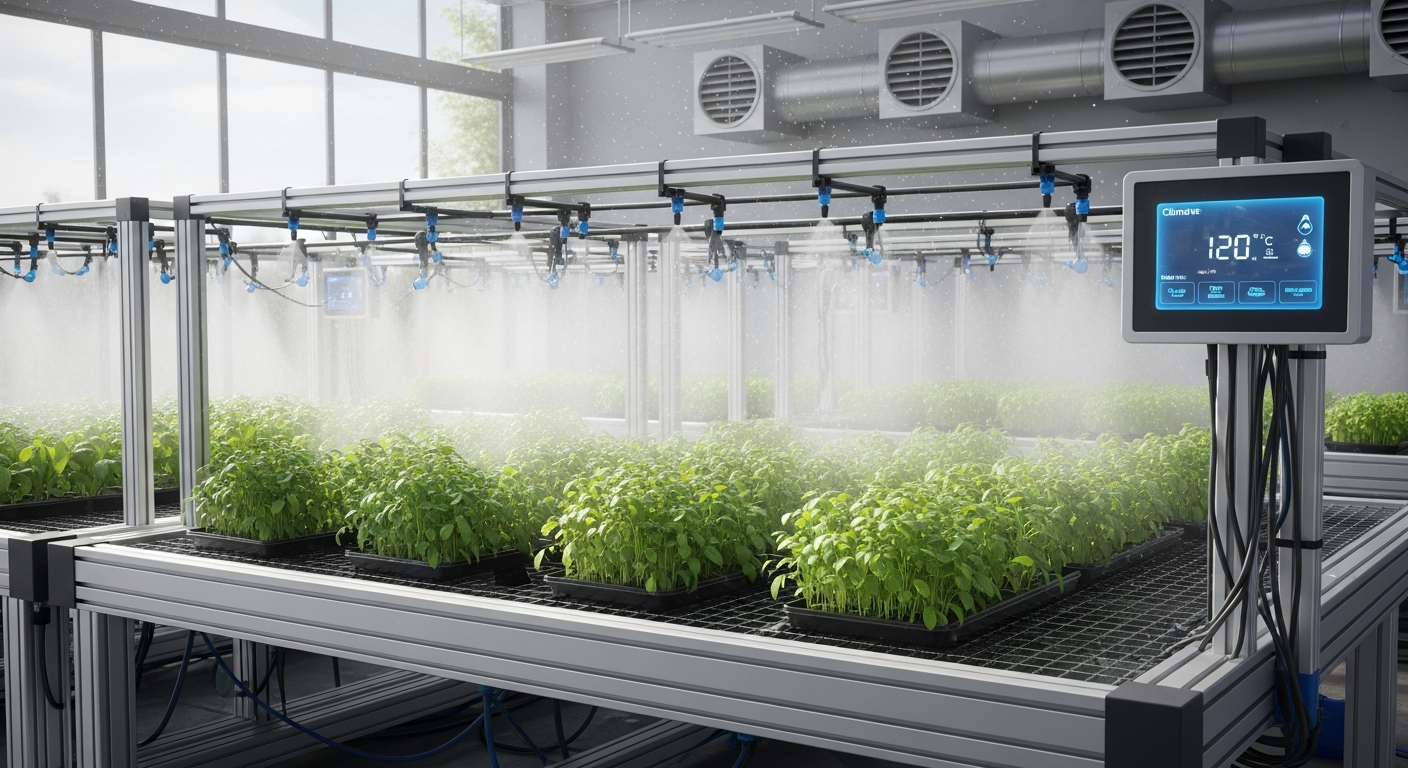
High temperatures and low humidity are the arch-enemies of most greenhouse plants, leading to a condition known as heat stress. When temperatures climb too high, plants respond by increasing transpiration – losing water vapor through their leaves to cool down. If the air is too dry, this process can become excessive, leading to wilting, scorching, reduced growth, flower drop, and even plant death. Seedlings, delicate cuttings, and tropical species are particularly vulnerable to these extreme conditions. While traditional cooling methods like automatic vents, exhaust fans, and shade netting are essential for overall temperature regulation, they often fall short in creating the precise, localized conditions that truly thrive-sensitive plants require.
The Science Behind Wet Benches: Evaporative Cooling in Action
The magic of wet benches lies in a natural phenomenon called evaporative cooling. This is the same principle that makes you feel cooler after stepping out of a shower or why sweating cools your body. When water changes from a liquid to a gas (evaporates), it absorbs a significant amount of latent heat from its surroundings. This absorption of heat energy causes the ambient air temperature to drop.
Wet benches capitalize on this principle by providing a consistent source of moisture directly beneath or around your plants. Typically, a wet bench consists of a shallow tray filled with a porous material such as gravel, sand, expanded clay aggregate (LECA), or a specialized capillary matting, which is kept consistently wet. As water slowly evaporates from the surface of these materials, it draws heat from the air immediately surrounding the bench. This process creates a cooler, more humid air pocket – a perfect microclimate – that envelops your plants. The effect is most pronounced close to the bench surface, providing targeted cooling right where plant roots and lower foliage are located.
Materials commonly used for wet benches:
- Gravel Trays: Simple and effective, gravel (especially pea gravel) holds moisture and provides a large surface area for evaporation.
- Sand Beds: Similar to gravel, sand retains moisture well and can provide a stable base for pots.
- Expanded Clay Aggregate (LECA): These lightweight, porous clay balls are excellent for holding water and releasing it slowly.
- Capillary Matting: Designed to wick water evenly, capillary mats are often placed over a waterproof tray and kept moist, allowing pots to draw water up from below while also promoting evaporation.
- Porous Concrete or Brick: Some custom greenhouse designs incorporate porous materials directly into the bench structure, which can be periodically wetted.
The beauty of wet benches is their passive nature. They operate without electricity (unless an automatic watering system is added), making them an energy-efficient and sustainable method for localized greenhouse cooling and humidity management.
Benefits Beyond Cooling: Humidity, Pest Control, and Plant Health
While the primary function of wet benches is to create a cool microclimate, their advantages extend far beyond simple temperature reduction. They contribute significantly to overall plant health and a more balanced greenhouse environment:
Humidity Boost for Thriving Plants
Many greenhouse plants, especially tropical varieties, orchids, ferns, and seedlings, thrive in high humidity. Wet benches naturally increase the relative humidity in the immediate vicinity of your plants as water evaporates. This elevated moisture level helps reduce transpiration stress, meaning plants lose less water through their leaves, leading to stronger growth and less wilting. For propagating cuttings, a humid microclimate is crucial for successful rooting, as it prevents the delicate new plant material from drying out.
Passive Pest Deterrence
Maintaining consistent moisture on surfaces around plants can act as a natural deterrent for certain common greenhouse pests. For instance, spider mites, notorious for their damage in dry, hot conditions, are far less likely to establish themselves in a more humid environment. While not a standalone pest control solution, wet benches contribute to an environment less favorable for these problematic invaders, supporting your integrated pest management strategy.
Improved Plant Vitality and Growth
By stabilizing temperatures and boosting humidity, wet benches create optimal conditions for plant growth. Reduced heat stress means plants can allocate more energy to developing foliage, flowers, and fruits, rather than constantly struggling to cool themselves. The consistent availability of moisture beneath pots (if capillary matting is used) can also help maintain even soil moisture, preventing the cycle of drying out and overwatering that can stress roots.
Implementing Wet Benches in Your Greenhouse: Practical Tips
Integrating wet benches into your greenhouse setup is relatively straightforward, offering a low-cost, high-impact solution for environmental control. Here are some practical tips to maximize their effectiveness:
Strategic Placement
Position wet benches beneath your main growing benches or in areas where heat-sensitive plants, seedlings, or propagation trays are located. The cooling and humidifying effects are most localized, so placing them directly beneath or around the plants you want to benefit is key. Consider areas that receive direct sunlight and tend to heat up quickly.
Choosing the Right Materials
- For DIY: Simple plastic trays (like those used for concrete mixing or pet litter) can serve as waterproof bases. Fill them with an inch or two of pea gravel, sand, or LECA.
- For Capillary Action: If you want plants to draw water from below, use a waterproof tray and place a thick layer of capillary matting on top. Ensure the matting is always moist.
- Integrated Solutions: For more permanent setups, consider benches designed with recessed trays or porous surfaces that can be kept wet.
Maintenance is Key
To ensure your wet benches remain effective and don’t become breeding grounds for issues:
- Keep Them Moist: Regularly check and refill the water. Consistency is crucial for continuous evaporative cooling. Automatic drip irrigation systems can be adapted to keep benches perpetually wet.
- Prevent Algae and Fungi: Stagnant water can encourage algae growth, which might then attract fungus gnats or other issues. Periodically empty, clean, and scrub the trays and materials. Good air circulation around the benches can also help.
- Use Clean Water: Avoid using water that contains high levels of dissolved salts or chemicals, as these can build up over time and affect plant health or encourage algae. Rainwater is an excellent choice.
Integration with Existing Systems
Wet benches work best when integrated with your existing environmental control systems. They complement fans by distributing cooler, more humid air throughout the plant canopy and enhance the effectiveness of shade cloths by reducing the heat that still penetrates. Think of them as another layer of defense in your comprehensive greenhouse management strategy.
By creating a stable, cool, and humid microclimate, wet benches help your plants avoid the stress of extreme temperatures and dry air. This promotes vigorous growth, healthier foliage, and more bountiful yields, making them an indispensable tool for any dedicated greenhouse enthusiast.
Conclusion
Maintaining an optimal greenhouse environment is a delicate balance, and tackling heat stress is often one of the biggest challenges. Wet benches, with their ingenious use of evaporative cooling, offer a simple, sustainable, and highly effective solution for creating cool, humid microclimates precisely where your plants need them. Beyond just lowering temperatures, they contribute significantly to improved plant health, reduced pest pressure, and greater overall vitality.
Whether you’re struggling with wilting seedlings, striving for lush tropical growth, or simply seeking a more energy-efficient way to manage your greenhouse climate, incorporating wet benches is a strategy well worth exploring. By understanding the science and implementing practical tips, you can leverage this time-tested method to cultivate a thriving, resilient greenhouse full of healthy, happy plants. Embrace the power of passive cooling and watch your greenhouse flourish!