
In the intricate ballet of nature, plants are master alchemists, constantly adapting to their environment and producing a vast array of compounds crucial for their survival and, often, for human well-being. Among the many environmental cues that influence plant biochemistry, ultraviolet (UV) radiation stands out as a powerful, albeit often misunderstood, catalyst. Far from being merely a detrimental stressor, UV light, particularly in its UV-B spectrum, orchestrates a sophisticated defensive response within plants, prompting them to synthesize a remarkable arsenal of secondary metabolites. These compounds not only fortify the plant’s own resilience against various threats but also enhance their nutritional value and medicinal properties, offering a fascinating glimpse into the dynamic interplay between light, life, and chemical innovation.
Understanding UV Radiation and Its Interaction with Plants
Ultraviolet (UV) radiation is a segment of the electromagnetic spectrum originating from the sun, invisible to the human eye, and categorized into three main types based on wavelength: UV-A (315-400 nm), UV-B (280-315 nm), and UV-C (100-280 nm). While UV-C is almost entirely absorbed by the Earth’s ozone layer, UV-A and a significant portion of UV-B reach the Earth’s surface, impacting all living organisms, including plants.
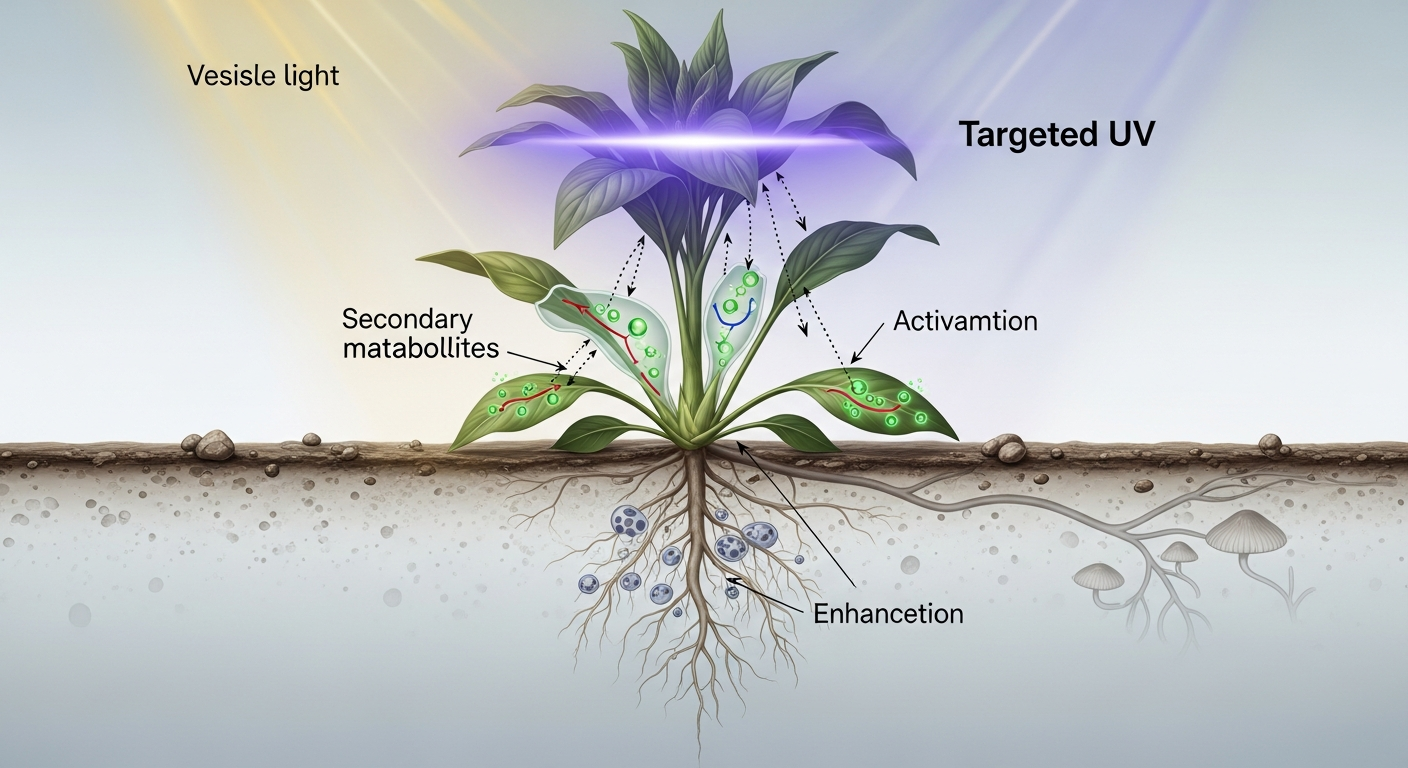
The Different Flavors of UV and Their Plant Impact
- UV-A Radiation: This segment is generally less harmful to plants and is primarily involved in various photomorphogenic processes, influencing growth, development, and the opening of stomata. Plants have evolved to tolerate higher doses of UV-A, and it can even contribute positively to photosynthesis under certain conditions.
- UV-B Radiation: UV-B is the primary focus when discussing plant stress responses and the enhancement of secondary metabolites. Its shorter wavelengths carry higher energy, capable of damaging DNA, proteins, and cell membranes. Consequently, plants have evolved sophisticated mechanisms to perceive and respond to UV-B exposure, triggering protective and adaptive pathways.
How Plants Perceive UV-B: The Role of UVR8
Unlike other light spectra perceived by chlorophyll or cryptochromes, plants primarily sense UV-B radiation through a specific photoreceptor protein called UV-B RESISTANCE 8 (UVR8). UVR8 acts as a molecular switch, directly absorbing UV-B light. Upon absorption, UVR8 undergoes a conformational change, which then initiates a signal transduction cascade within the plant cell. This cascade leads to the activation of specific genes involved in UV protection and the biosynthesis of various secondary metabolites.
Initial Plant Responses to UV Stress
When exposed to UV-B, plants don’t just passively absorb the radiation; they actively respond. Their initial reactions are often geared towards minimizing damage and acclimating to the stress. These responses include:
- DNA Repair Mechanisms: Plants activate enzymes like photolyases to repair DNA damage caused by UV-B, such as the formation of pyrimidine dimers.
- Antioxidant Production: To combat the oxidative stress induced by UV-B, plants boost the production of reactive oxygen species (ROS) scavengers like superoxide dismutase, catalase, and various low-molecular-weight antioxidants.
- Accumulation of UV-Absorbing Compounds: One of the most critical defense strategies is the synthesis and accumulation of compounds that act as natural sunscreens, primarily phenolic compounds and flavonoids, which absorb UV radiation before it can reach sensitive cellular components.
This intricate perception and response system highlights plants’ incredible ability to turn a potential threat into an opportunity for chemical enrichment, laying the groundwork for the increased production of valuable secondary metabolites.
The Biosynthesis of Secondary Metabolites Triggered by UV
Secondary metabolites, also known as specialized metabolites, are organic compounds produced by plants that are not directly involved in the normal growth, development, or reproduction of the organism. Instead, they play crucial roles in ecological interactions, serving as defense compounds against herbivores and pathogens, attracting pollinators, or adapting to environmental stresses. UV radiation, particularly UV-B, is a potent elicitor for the synthesis of many of these valuable compounds.
What are Secondary Metabolites?
Unlike primary metabolites (e.g., sugars, amino acids, lipids) which are essential for basic life processes, secondary metabolites are often specific to certain plant species or families. They represent an enormous chemical diversity, with tens of thousands of unique structures known. From a human perspective, many secondary metabolites are highly prized for their medicinal, aromatic, or industrial properties.
Key Classes of Secondary Metabolites Enhanced by UV
UV-B exposure acts as a signal, activating specific metabolic pathways that lead to an upregulation in the production of various secondary metabolites. The most prominently affected classes include:
- Phenolic Compounds: These are a vast group characterized by an aromatic ring bearing one or more hydroxyl groups. They are exceptional antioxidants and UV-absorbers.
- Flavonoids: A large subclass of phenolics, including anthocyanins (responsible for red, purple, and blue pigments), flavones, flavonols (e.g., quercetin, kaempferol), and isoflavones. Flavonoids are potent antioxidants, exhibit anti-inflammatory properties, and serve as crucial UV filters in plant epidermal cells. UV-B significantly boosts their synthesis, often leading to a darker pigmentation in exposed plant parts.
- Hydroxylated Cinnamic Acid Derivatives: Compounds like ferulic acid, caffeic acid, and p-coumaric acid are also increased. They contribute to UV absorption and structural reinforcement of cell walls.
- Stilbenoids: A smaller group, notably including resveratrol, which is found in grapes and other plants. Resveratrol is known for its antioxidant and cardioprotective effects in humans, and its synthesis is often upregulated by UV stress.
- Terpenoids (Isoprenoids): This diverse class includes essential oils, carotenoids, and steroids. While carotenoids primarily protect against photo-oxidation, other terpenoids can act as insect deterrents or antimicrobial agents. UV-B can influence the biosynthesis of specific monoterpenes and sesquiterpenes, contributing to a plant’s aroma and defensive capabilities.
- Alkaloids: Nitrogen-containing compounds with complex structures, many of which have significant pharmacological activity (e.g., caffeine, nicotine, morphine). The impact of UV-B on alkaloid synthesis is more variable and species-dependent, but in some cases, UV stress can enhance their production, contributing to herbivore defense.
- Glucosinolates: Found predominantly in brassicaceae (cabbage family), these compounds are precursors to pungent, sulfur-containing defensive chemicals. UV-B can influence their levels, thereby enhancing the plant’s defense against pests.
Mechanism: Gene Activation and Enzymatic Pathways
The enhancement of secondary metabolites isn’t arbitrary; it’s a precisely regulated process. UV-B perception by UVR8 initiates a signal cascade that ultimately leads to the differential expression of genes involved in these biosynthetic pathways. For example, in the flavonoid pathway, UV-B typically upregulates key enzymes like Chalcone Synthase (CHS), Flavonoid-3-Hydroxylase (F3H), and Anthocyanidin Synthase (ANS). This genetic reprogramming diverts primary metabolites towards the production of these specialized compounds, effectively re-prioritizing the plant’s metabolic resources in response to perceived stress.
The result is a plant that is not only better protected from the direct harmful effects of UV but also chemically enriched, offering a greater abundance of compounds beneficial for its survival and, by extension, potentially for human health and nutrition. Understanding this mechanism allows us to explore innovative ways to cultivate plants with superior phytochemical profiles.
Fortifying Plant Defense: How UV Builds Resilience
The synthesis of secondary metabolites in response to UV radiation is not merely an isolated biochemical event; it forms an integral part of a plant’s broader defense strategy, enhancing its overall resilience against a multitude of environmental and biological stresses. UV-induced secondary metabolites contribute to both direct and indirect defense mechanisms, making plants hardier and more robust.
Direct Defense Mechanisms
Direct defenses are those that physically or chemically deter or harm pests and pathogens without the involvement of other organisms. UV radiation significantly boosts several of these:
- UV-Absorbing Compounds as Internal Sunscreens: As mentioned, flavonoids and other phenolic compounds accumulate in the epidermal layers of leaves and stems. These compounds act like natural sunscreens, absorbing harmful UV radiation and dissipating it as harmless heat. This prevents UV-induced damage to DNA, proteins, and photosynthetic machinery in deeper tissues. Plants with higher concentrations of these compounds exhibit greater tolerance to high solar radiation.
- Cuticle Thickening and Waxes: Prolonged exposure to UV-B can stimulate the production of waxes and lead to a thickening of the plant cuticle. The cuticle is the outermost protective layer of the plant, primarily composed of waxes and cutin. A thicker, waxier cuticle provides an enhanced physical barrier against UV penetration, reduces water loss, and makes it more difficult for pathogens to penetrate the plant surface.
- Antioxidant Boost: UV-B generates reactive oxygen species (ROS) within plant cells. To counteract this oxidative stress, plants ramp up their internal antioxidant systems, including enzymatic antioxidants (e.g., superoxide dismutase, catalase, glutathione reductase) and non-enzymatic antioxidants (e.g., ascorbic acid, glutathione, tocopherols, carotenoids). These antioxidants neutralize ROS, preventing cellular damage and maintaining cellular homeostasis. This heightened antioxidant capacity doesn’t just protect against UV, but also against other oxidative stressors like drought or pollutant exposure.
Indirect Defense: Pest and Disease Resistance
The secondary metabolites enhanced by UV often have dual functions, protecting against UV damage while also serving as deterrents or toxins to herbivores and pathogens. This constitutes a powerful indirect defense mechanism:
- Herbivore Deterrents: Many UV-induced phenolic compounds, terpenoids, and alkaloids have bitter tastes, astringent properties, or are outright toxic to insect pests and grazing animals. For instance, increased flavonoid content can reduce the palatability of leaves, making them less attractive to herbivores. Certain terpenoids can act as insect antifeedants or growth regulators. By making themselves less appealing or more toxic, plants reduce the incidence of herbivore damage.
- Antimicrobial Compounds: A significant number of UV-induced secondary metabolites possess antimicrobial properties, directly inhibiting the growth of fungi, bacteria, and viruses. Flavonoids, for example, have been shown to disrupt microbial cell membranes or inhibit crucial enzyme activities. This intrinsic chemical defense makes plants more resistant to various diseases, reducing the need for external chemical interventions.
- Systemic Acquired Resistance (SAR): While more research is needed to fully elucidate the direct link, UV-B exposure is known to induce defense signaling pathways that overlap with those involved in Systemic Acquired Resistance (SAR). SAR is a broad-spectrum, long-lasting resistance developed by plants after an initial localized pathogen attack. It involves the systemic accumulation of signaling molecules like salicylic acid. The generalized stress response elicited by UV-B, particularly the upregulation of defense-related genes and compounds, contributes to a state of heightened alert, potentially priming the plant for a more robust response to subsequent biotic stresses.
Enhancing General Stress Tolerance
The resilience built through UV exposure extends beyond pest and disease resistance. The stronger cell walls, enhanced antioxidant systems, and general metabolic adjustments contribute to a plant’s ability to cope with other environmental stressors:
- Drought Tolerance: Thicker cuticles reduce water loss, and enhanced antioxidant systems help manage oxidative stress caused by water deficit.
- Salinity Tolerance: Similar to drought, managing oxidative stress is key to surviving high salt environments, and UV-induced antioxidants contribute to this.
- Heat Stress: Some UV-protective compounds also help dissipate excess light energy as heat, reducing thermal damage to photosynthetic machinery.
In essence, UV radiation, when optimally managed, primes plants for a harsher world, making them chemically richer, physically tougher, and more capable of fending off diverse threats, thereby boosting their overall vitality and productivity.
Practical Applications and Considerations in Horticulture and Agriculture
The scientific understanding of UV’s role in plant defense and secondary metabolite production has profound implications for modern horticulture and agriculture. By strategically incorporating UV exposure, growers can enhance crop quality, boost nutritional value, and potentially reduce reliance on chemical pesticides, leading to more sustainable and profitable practices.
Controlled UV Exposure in Greenhouses and Indoor Farms
In traditional outdoor agriculture, plants are naturally exposed to varying levels of UV. However, in controlled environments like greenhouses and vertical farms, where plants might be shielded from natural sunlight or grown under artificial lighting, supplementing UV can be highly beneficial.
- Greenhouses: Modern greenhouse glazings often filter out a significant portion of UV-B. Supplementing with artificial UV-B lamps can mimic outdoor conditions, triggering the beneficial stress response.
- Indoor and Vertical Farms: These environments rely entirely on artificial lighting. Incorporating UV lamps into LED grow light arrays allows for precise control over the spectrum and duration of UV exposure, enabling growers to fine-tune plant responses.
Types of UV Lamps and Their Use
Choosing the right UV source is critical:
- Fluorescent UV-B Lamps: These are common and relatively inexpensive, emitting a broad spectrum of UV-B. They are often used in research and smaller-scale operations.
- LED UV Lamps: As LED technology advances, UV-LEDs are becoming more precise, efficient, and tunable. They offer narrow-band emission, allowing growers to target specific UV wavelengths (e.g., purely UV-B at 290-300 nm) with greater accuracy, potentially leading to more controlled and optimized plant responses.
- Mercury Vapor Lamps: While effective, these lamps are less environmentally friendly and less energy-efficient than modern alternatives, making them less common in new installations.
When implementing UV lighting, consider the fixture placement to ensure even distribution and minimize shadowing, as well as the safety precautions for human exposure.
Optimizing UV Dosage: Too Much vs. Too Little
The key to successful UV application is finding the “sweet spot” – an optimal dosage that elicits the desired stress response without causing significant damage or growth inhibition. This balance is critical:
- Insufficient UV: If UV exposure is too low or absent, plants won’t trigger the necessary defense mechanisms, resulting in lower levels of beneficial secondary metabolites and potentially reduced resilience.
- Excessive UV: Too high a dose or prolonged exposure can lead to phototoxicity, causing visible damage (e.g., leaf scorching, stunted growth), severe oxidative stress, and even cell death. It can also divert too much energy into defense, at the expense of primary growth and yield.
Tips for Growers:
- Start Low and Go Slow: Begin with low UV-B intensities and short exposure durations (e.g., 15-30 minutes per day) and gradually increase, monitoring plant response.
- Consider Plant Species and Cultivar: Different plant species and even cultivars within a species vary greatly in their sensitivity and response to UV-B. Research specific crop requirements. For example, some medicinal plants or culinary herbs respond very well, while other leafy greens might be more sensitive.
- Time of Day: Mimic natural conditions by applying UV during the middle of the “day” cycle when solar UV is naturally highest.
- Cycle UV Exposure: Some studies suggest intermittent UV exposure (e.g., a few hours per day, or every other day) can be more effective than continuous exposure, allowing plants to recover and rebuild.
- Measure UV Intensity: Use a UV meter to accurately measure the irradiance at the canopy level, ensuring consistent and controlled application.
Benefits for Crop Quality, Yield, and Nutritional Value
Implementing optimized UV strategies can lead to several tangible benefits:
- Enhanced Flavor and Aroma: Increased terpenoid and phenolic compounds often contribute to more intense and desirable flavors and aromas in herbs, fruits, and vegetables.
- Higher Nutritional Value: UV-induced antioxidants (e.g., Vitamin C, carotenoids, flavonoids) boost the nutritional profile of crops, offering more health-promoting compounds to consumers.
- Improved Shelf-Life: Higher antioxidant levels and stronger cuticles can contribute to better post-harvest quality and extended shelf-life by reducing oxidative decay and microbial spoilage.
- Increased Resilience: Plants become more resistant to pests, pathogens, and various environmental stresses, potentially reducing the need for chemical inputs and leading to more robust yields.
- Medicinal Plant Potency: For crops grown for specific secondary metabolites (e.g., cannabinoids in cannabis, specific alkaloids in medicinal herbs), optimized UV exposure can significantly increase the concentration of these valuable compounds.
By understanding and harnessing the power of UV radiation, growers can move towards a more sophisticated, sustainable, and quality-focused approach to plant cultivation, delivering healthier and more resilient crops to the market.
Conclusion
The journey through the subtle yet profound influence of UV radiation on plant life reveals a remarkable story of adaptation and resilience. Far from being a mere threat, UV, particularly in its UV-B spectrum, acts as a powerful environmental signal that orchestrates a sophisticated defensive symphony within plants. This orchestration leads to the enhanced biosynthesis of a diverse array of secondary metabolites—compounds like flavonoids, phenolic acids, and terpenoids—which serve as internal sunscreens, potent antioxidants, and formidable deterrents against pests and pathogens. These chemically enriched plants are not only better equipped to survive and thrive in challenging environments but also offer heightened nutritional value and a wider spectrum of beneficial properties for human health.
For horticulturalists and agriculturalists, this understanding opens up exciting avenues for innovation. By thoughtfully integrating controlled UV exposure into cultivation practices, growers can optimize the phytochemical profiles of their crops, leading to more flavorful produce, enhanced medicinal potency, and increased overall plant resilience. As we continue to refine our knowledge of light-plant interactions, the strategic application of UV radiation holds immense promise for developing more sustainable, efficient, and health-benefiting agricultural systems for the future.