
The sun, giver of life and growth, is the very heart of any thriving greenhouse. Yet, this same powerful force of nature also harbors a destructive secret: ultraviolet (UV) radiation. While growers meticulously manage light spectra for optimal plant health, a crucial, often-overlooked aspect of greenhouse longevity is the impact of UV rays not on the plants themselves, but on the very materials that house them. Your greenhouse glazing – whether it’s polycarbonate, polyethylene film, or acrylic – is constantly bombarded by UV light, leading to a slow, insidious degradation that can dramatically shorten its lifespan. This is where UV blockers step in, acting as unseen guardians that are absolutely critical for the long-term durability and performance of your greenhouse structure.
The Silent Destroyer: How UV Radiation Damages Greenhouse Glazing
Ultraviolet (UV) radiation is an invisible component of sunlight, categorized into UVA, UVB, and UVC. While UVC is largely filtered by the Earth’s atmosphere, UVA and UVB rays reach the surface, carrying enough energy to break down chemical bonds in many materials, particularly plastics. For your greenhouse glazing, this constant exposure initiates a process known as photo-degradation.
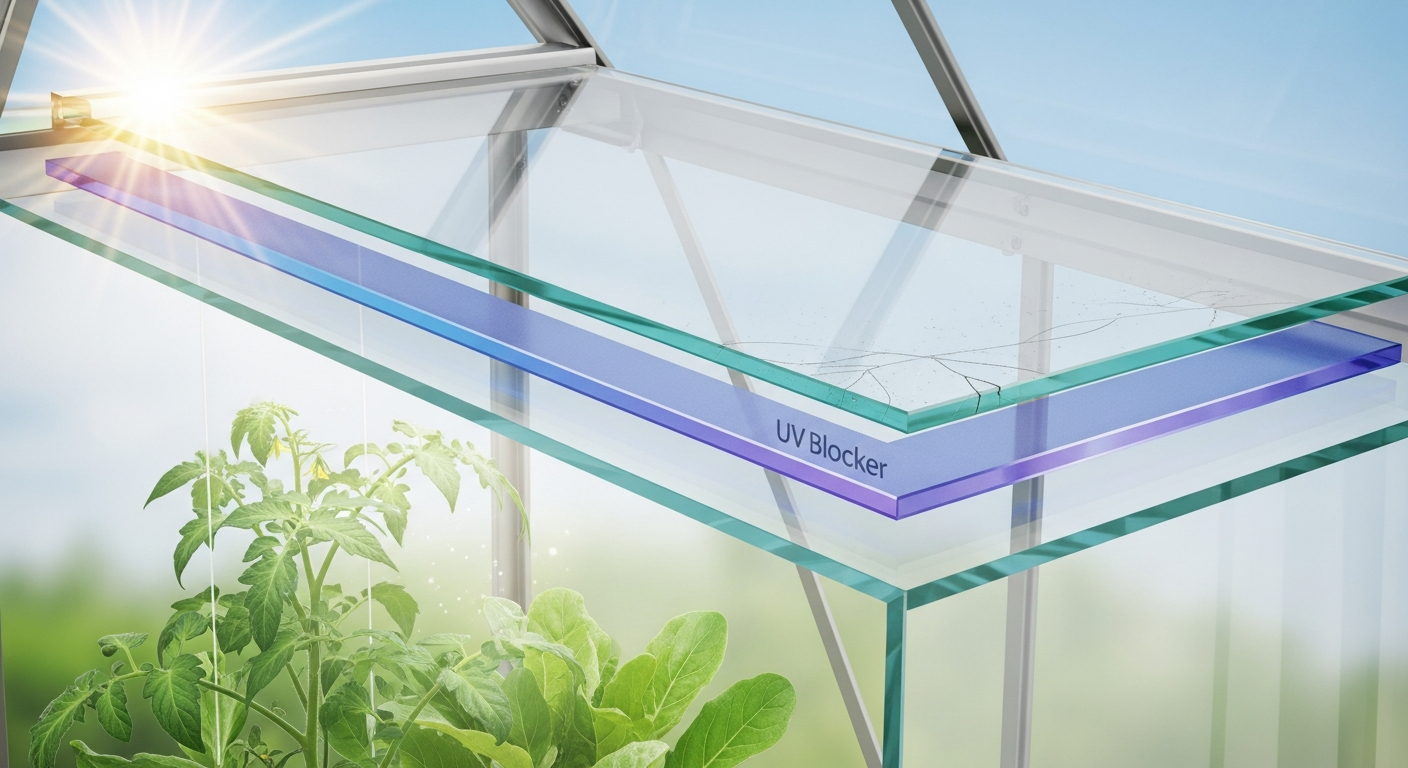
Here’s how UV light silently wreaks havoc on your glazing:
- Molecular Breakdown: At a microscopic level, UV photons strike the polymer chains that make up plastics like polycarbonate and polyethylene. These strikes break the chemical bonds, leading to a fragmentation of the long, strong polymer chains into shorter, weaker ones.
- Oxidation: The broken bonds are highly reactive and readily combine with oxygen in the air, a process called oxidation. This further modifies the material’s chemical structure, often leading to the formation of chromophores – chemical groups that absorb visible light, causing discoloration.
- Visible Effects: Over time, these molecular changes manifest in very tangible ways:
- Yellowing and Hazing: The most common visual cue, especially in polycarbonate and polyethylene films. The glazing loses its crystal clarity, appearing cloudy or discolored. This directly impacts light transmission.
- Brittleness: As the polymer chains shorten and weaken, the material loses its flexibility and becomes brittle. What was once pliable becomes stiff and prone to cracking or shattering under stress, such as wind, hail, or even thermal expansion and contraction.
- Loss of Mechanical Strength: The material’s ability to withstand physical forces diminishes significantly, compromising the structural integrity of your greenhouse.
- Surface Chalking/Erosion: In some cases, the surface of the plastic can become chalky or rough as material degrades and detaches.
Without adequate protection, the lifespan of untreated glazing can be drastically reduced, leading to premature replacement and increased costs. Understanding this destructive process underscores why integrating robust UV protection is not just an add-on, but a fundamental requirement for modern greenhouse glazing.
The Science Behind Protection: How UV Blockers Work
Fortunately, material science has developed sophisticated solutions to combat UV degradation: UV blockers, also known as UV stabilizers. These additives are engineered to either absorb or mitigate the destructive energy of UV radiation, thereby extending the life of the glazing material itself.
There are primary mechanisms by which UV blockers protect your greenhouse covering:
- UV Absorbers (UVAs):
- Mechanism: UVAs are compounds that preferentially absorb harmful UV radiation, often in the UVA and UVB ranges. Instead of allowing the UV light to penetrate and break down the polymer, the UVA molecule absorbs the energy.
- Energy Dissipation: Once absorbed, this energy is then safely dissipated, typically as harmless heat, rather than being transferred to the polymer chains. This effectively acts like a “shield” that intercepts and neutralizes the UV threat before it can damage the plastic.
- Examples: Benzotriazoles and triazines are common types of UV absorbers used in plastics.
- Hindered Amine Light Stabilizers (HALS):
- Mechanism: Unlike UVAs, HALS don’t primarily absorb UV light. Instead, they work by scavenging free radicals that are inevitably formed when UV light does manage to initiate degradation in the polymer.
- Radical Scavengers: Free radicals are highly reactive molecules that, once formed, can trigger a chain reaction of degradation, rapidly breaking down the plastic. HALS compounds capture these free radicals, neutralizing them and preventing this destructive chain reaction from propagating. This makes HALS particularly effective at protecting the material in the long run, even after initial UV exposure.
Application Methods:
- Co-extruded Layers: For rigid plastics like polycarbonate sheets, UV protection is often applied as a thin, highly concentrated layer on one or both surfaces during the manufacturing process. This co-extruded layer is fused directly to the main sheet, providing a durable, long-lasting barrier. It’s crucial that this layer faces outwards towards the sun.
- Integrated Additives: In materials like polyethylene films, UV stabilizers are often mixed directly into the polymer resin before the film is extruded. This ensures the protection is distributed throughout the material. The concentration and type of additive are critical for the film’s advertised lifespan.
- Surface Coatings: While less common for primary greenhouse glazing due to durability concerns, some acrylics or specialized films may use surface-applied UV coatings.
The synergy between different types of UV blockers, or the strategic application of a highly concentrated protective layer, is what allows modern greenhouse glazing to withstand years, sometimes decades, of relentless solar exposure without significant degradation.
Beyond Aesthetics: The Practical Benefits of UV-Stabilized Glazing
While maintaining the clear appearance of your greenhouse might seem like a purely aesthetic concern, the benefits of UV-stabilized glazing extend far beyond looks. These practical advantages directly impact your operational efficiency, plant health, and long-term financial investment.
- Extended Glazing Lifespan: This is the most direct and significant benefit. By preventing molecular breakdown, UV blockers dramatically increase the service life of your glazing. Instead of needing replacement every few years due to brittleness and yellowing, a well-protected polycarbonate sheet can last 10-20 years, and UV-stabilized polyethylene films can last 4-6 years or even longer, depending on the grade. This saves substantial money and labor over the lifetime of your greenhouse.
- Maintained Light Transmission: Yellowing and hazing directly reduce the amount of photosynthetically active radiation (PAR) reaching your plants. Degraded glazing can filter out beneficial light, leading to stunted growth, reduced yields, and an overall decline in plant vitality. UV-stabilized glazing ensures consistent, optimal light levels, supporting robust plant development and maximizing your crop potential.
- Preserved Structural Integrity: Brittleness isn’t just an inconvenience; it’s a safety hazard. As plastics degrade, they become susceptible to cracking and shattering under environmental stresses like wind, heavy snow loads, or hail. This compromises the structural integrity of your entire greenhouse, potentially leading to costly damage or even collapse. UV protection keeps the glazing strong and resilient, maintaining the intended structural performance of your building.
- Consistent Energy Efficiency: Degraded glazing can also impact thermal performance. Yellowed or hazed panels might allow more heat to escape or absorb more heat, leading to fluctuating internal temperatures and increased heating or cooling costs. Maintaining optical clarity helps ensure your greenhouse retains its designed thermal properties, contributing to more stable internal climates and lower energy bills.
- Enhanced Return on Investment (ROI): While UV-stabilized glazing often has a higher upfront cost than its untreated counterparts, this initial investment is quickly recouped. The extended lifespan, reduced replacement frequency, lower labor costs, maintained crop yields, and stable energy performance all contribute to a significantly better return on your overall greenhouse investment. It’s a classic example of “buying once, crying once.”
Investing in glazing with robust UV protection isn’t just about protecting the material; it’s about protecting your plants, your wallet, and the future of your growing operation.
Choosing Wisely: Tips for Selecting UV-Protected Glazing
Given the critical role of UV blockers, making an informed choice when selecting greenhouse glazing is paramount. Here are practical tips to ensure you invest in materials that will stand the test of time:
- Scrutinize Product Specifications:
- Look for Explicit Mention: Don’t assume. Always look for clear statements like “UV stabilized,” “UV protected,” “UV resistant,” or “with UV co-extruded layer” in the product description.
- Understand the Direction: For rigid sheets like polycarbonate, verify if the UV protection is on one side or both. Crucially, ensure you know which side should face the sun during installation. Manufacturers often mark the UV-protected side.
- Thickness of UV Layer: Some premium polycarbonate sheets will even specify the thickness of the co-extruded UV layer, indicating superior protection.
- Differentiate Between Glazing Types:
- Polycarbonate: Generally offers excellent UV protection when properly manufactured. Prioritize products with a co-extruded UV protective layer, typically on the exterior-facing side. Avoid cheaper, non-UV treated polycarbonate, which will degrade rapidly.
- Polyethylene Films: Always choose “UV-stabilized” or “UV-treated” greenhouse films. The lifespan of these films (e.g., 4-year, 6-year, 10-year) is directly correlated with the quantity and quality of UV additives integrated into the film. Commercial-grade films are designed for this purpose.
- Acrylic: Acrylic is naturally more resistant to UV degradation than polycarbonate, retaining its clarity longer. However, some acrylic products can still benefit from additional UV-enhancing additives for even greater longevity, especially in high-UV environments.
- Check for Industry Certifications or Standards: While not always readily available for all products, some manufacturers might adhere to specific industry standards for material durability or UV resistance. Inquire if applicable.
- Consult the Warranty: A manufacturer’s warranty is a strong indicator of their confidence in the product’s durability, including its UV resistance. A longer, more comprehensive warranty, especially concerning yellowing and loss of light transmission, suggests superior UV protection. Be sure to understand the terms and conditions.
- Consider Your Climate: If you live in an area with high UV index readings (e.g., southern latitudes, high altitudes, sunny desert climates), investing in glazing with the most robust UV protection available is even more critical for long-term performance.
- Buy from Reputable Suppliers: Stick to established, well-known greenhouse supply companies and manufacturers. They are more likely to offer quality products with proven UV protection and stand behind their materials. Avoid generic or unbranded glazing unless you can verify its UV stabilization claims.
By taking these steps, you can confidently select greenhouse glazing that will not only foster healthy plant growth but also endure the elements for many years, safeguarding your investment and your passion for growing.
Conclusion
The journey of sunlight from the sun to your greenhouse interior is fraught with challenges, not least of which is its potential to silently degrade your essential glazing materials. UV radiation, while crucial for photosynthesis, is also the primary enemy of plastic longevity in a greenhouse environment. UV blockers are not just an optional extra; they are the unsung heroes that safeguard your glazing, ensuring it remains clear, strong, and effective for years to come. By investing in glazing with robust UV stabilization, you are making a commitment to extended material lifespan, consistent light transmission, structural integrity, and ultimately, a more sustainable and profitable greenhouse operation. Choose wisely, and your greenhouse will continue to thrive under the protective watch of these essential unseen guardians.