
Building a greenhouse is an exciting venture, promising year-round harvests and a controlled environment for your beloved plants. However, one of the most persistent challenges greenhouse owners face, especially in warmer climates or during summer months, is effective cooling. While advanced ventilation systems, shade cloths, and evaporative coolers are common solutions, the foundational strategies for mitigating heat often get overlooked: the initial site selection and the precise orientation of your greenhouse. These seemingly simple decisions, made before the first foundation stone is laid, can dramatically impact your greenhouse’s internal climate, reduce energy consumption, and ultimately contribute to healthier, more productive plants.
The Unseen Power of Site Selection for Optimal Cooling
Choosing the right spot for your greenhouse is far more nuanced than simply finding a flat piece of land. It’s about understanding the existing microclimate and how natural elements interact with your structure. Smart site selection can be your first and most effective line of defense against overheating.
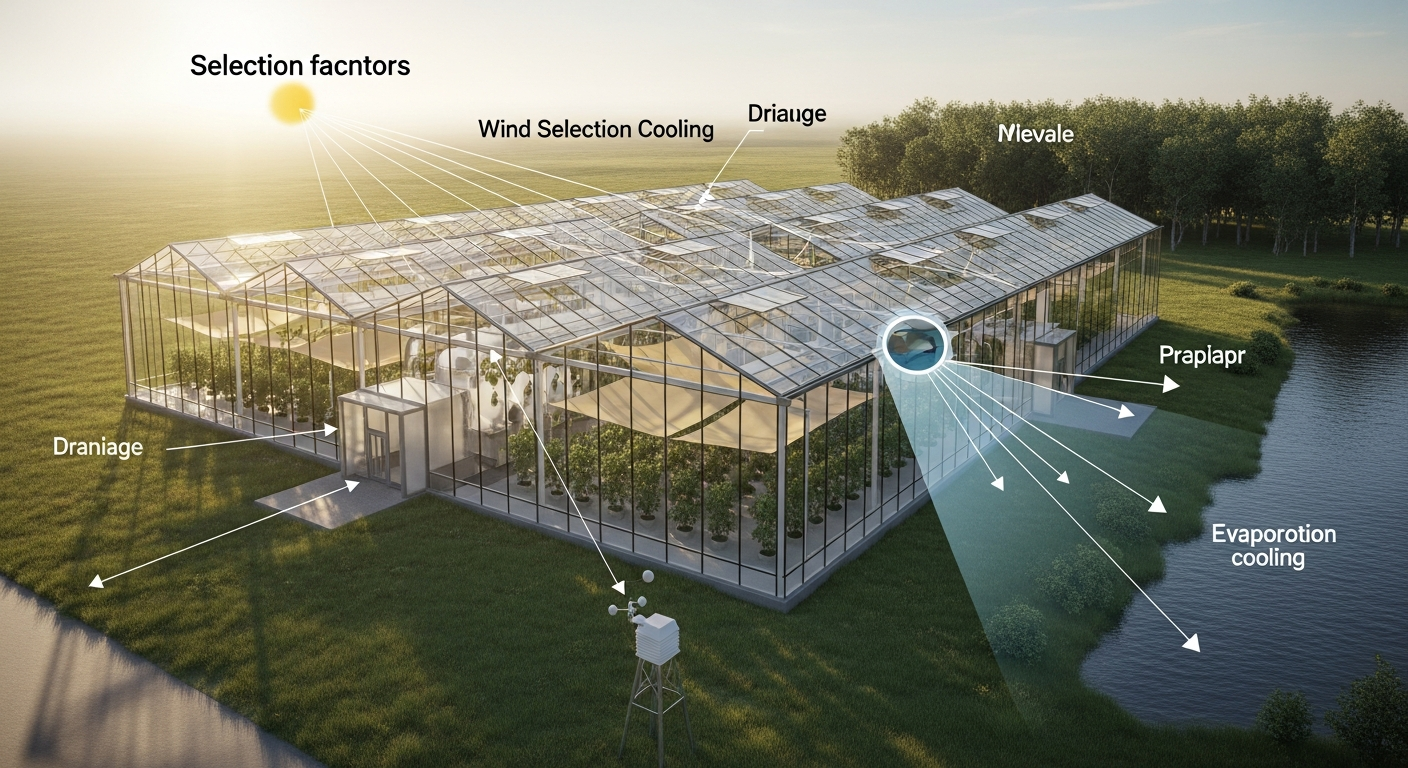
Natural Wind Patterns and Airflow
One of the most valuable resources for passive cooling is natural airflow. Position your greenhouse to take advantage of prevailing winds, allowing them to sweep through for efficient ventilation. This means:
- Avoiding Wind Obstructions: Be mindful of tall buildings, dense tree lines, or large fences that could block natural breezes. If prevailing winds are blocked, your ventilation system will have to work harder, consuming more energy.
- Strategic Windbreaks: While direct wind can be beneficial, strong, constant gusts might not be ideal. Consider planting deciduous trees or constructing permeable fences at a distance to gently channel and slow wind, rather than completely blocking it. These can also offer shade in summer while allowing sun in winter.
- Understanding Air Movement: Hot air rises. Designing your greenhouse with natural vents at the ridge, coupled with side vents, can create a powerful chimney effect, pulling cooler air in from below and expelling hot air from the top, especially when supported by good site airflow.
Topography and Drainage
The lay of the land plays a significant role in temperature regulation and water management. A slight slope, for instance, can aid drainage, preventing waterlogging around the foundation, which can contribute to humidity issues inside. While avoiding frost pockets is often a heating consideration, areas where cold air settles can also have stagnant air, hindering good ventilation. Consider the ground’s ability to absorb and release heat; bare earth and dark surfaces around the greenhouse can absorb solar radiation and re-radiate it, increasing ambient temperatures.
Proximity to Buildings and Reflective Surfaces
Nearby structures and materials can significantly influence the heat load on your greenhouse. Light-colored buildings, concrete patios, or asphalt driveways can reflect intense solar radiation directly onto your greenhouse, especially its walls and roof, leading to rapid temperature spikes. Conversely, while large buildings or dense evergreen trees might offer beneficial shade during the hottest parts of the day, ensure they don’t cast unwanted shade during winter months when solar gain is crucial. Always consider the sun’s path throughout the year relative to these potential heat sources or shade providers.
Optimizing Greenhouse Orientation for Sun and Shade
Once you’ve chosen your site, the next critical step is determining the best orientation for your greenhouse. This decision directly impacts how much sunlight your plants receive and how efficiently you can manage heat buildup.
East-West vs. North-South Orientation
The debate between East-West and North-South orientation often hinges on latitude, climate, and crop needs:
- East-West Orientation: Traditionally favored in northern latitudes for maximizing winter solar gain. With the long axis running east to west, the south-facing roof slope receives maximum low-angle winter sun. However, this orientation can be problematic for cooling in summer. The long east and west walls are exposed to intense low-angle sun in the mornings and afternoons, respectively, leading to significant solar gain and potential overheating. This might necessitate more robust shading or ventilation systems.
- North-South Orientation: Increasingly preferred in many climates, especially for cooling. With the long axis running north to south, the greenhouse receives more even light distribution throughout the day. The east and west walls receive morning and afternoon sun, but the sun’s path across the top means less direct, low-angle exposure on the long side walls compared to an East-West setup. This often results in lower peak temperatures and easier management of solar heat gain, reducing the need for aggressive active cooling.
Ultimately, the optimal orientation depends on your specific goals. If maximizing winter light is paramount and summer cooling is handled via active systems, East-West might work. If reducing summer cooling loads and achieving more uniform light are priorities, North-South is often superior.
Maximizing Summer Shade, Minimizing Winter Shade
The sun’s angle changes dramatically between seasons. Strategic orientation allows you to leverage this natural phenomenon:
- Deciduous Trees: Planting deciduous trees to the south or southwest of your greenhouse can be a brilliant passive cooling strategy. In summer, their full canopy provides natural shade, blocking intense high-angle sun. In winter, after their leaves fall, they allow maximum solar penetration, aiding in natural heating. Ensure they are far enough away that falling leaves won’t clog gutters or pose a disease risk.
- Building Overhangs and Roof Design: Incorporating intentional overhangs into your greenhouse design can block high summer sun while allowing lower winter sun to penetrate. Some designs, like lean-to greenhouses against a south-facing wall, can benefit from the thermal mass of the attached building.
- Beware of Evergreens: While evergreens offer year-round screening, their constant shade can be detrimental in winter when maximum solar gain is desired for warmth and plant growth. If used, place them strategically to block unwanted summer sun without impacting winter light.
Leveraging Natural Elements for Passive Cooling
Beyond simply avoiding heat, smart site selection and orientation allow you to actively use the surrounding environment to your advantage for passive cooling, reducing your reliance on mechanical systems.
Thermal Mass Integration
Thermal mass refers to materials that absorb and store heat during the day and release it slowly at night. Integrating natural thermal mass elements into your greenhouse’s surroundings can moderate temperature swings:
- Earth Berming: Partially burying your greenhouse walls into the earth (earth berming) utilizes the stable temperature of the ground as natural insulation, keeping the interior cooler in summer and warmer in winter.
- Water Barrels or Stone Walls: While often internal, large water features or strategically placed stone walls *outside* the greenhouse on the sunniest side can absorb some ambient heat and prevent it from penetrating the structure.
The Role of Water Features and Evaporative Cooling
Natural water bodies can influence the microclimate:
- Proximity to Water: Being near a pond, lake, or even a large rain garden can slightly moderate ambient temperatures through the water’s thermal mass and evaporative cooling effect. Be cautious, however, as increased humidity from nearby water sources might be undesirable for certain crops.
- Landscaping for Evaporation: Dense, healthy landscaping around the greenhouse can create a cooler perimeter. Plants release water vapor through transpiration, which has a cooling effect on the immediate surroundings.
Creating Wind Tunnels and Air Channels
With careful planning, you can manipulate landscape features to direct airflow:
- Strategic Hedges and Fences: Rather than blocking wind, permeable hedges or slatted fences can be positioned to channel prevailing breezes towards greenhouse vents, enhancing natural cross-ventilation.
- “Cooling Corridors”: Design the surrounding landscape with clear pathways for air movement, ensuring that cooler air can easily reach and enter your greenhouse.
Practical Steps for Smart Site Selection and Orientation
Making informed decisions about your greenhouse’s location and direction requires observation and planning. Here are some actionable steps:
- Conduct a Thorough Site Analysis: Spend time observing your potential site throughout the year. Document sun paths (morning, noon, evening, and seasonal changes), prevailing wind directions, existing shade sources, and potential reflective surfaces.
- Utilize Tools: Online sun path calculators, compass apps, and local weather data can provide invaluable insights into solar angles and wind patterns specific to your location.
- Consider Future Growth: Think about future developments on your property or neighboring ones. Will a new garage or tree line impact your greenhouse’s sun exposure or airflow years down the line?
- Start with a Pilot Project: If you’re unsure, consider testing a smaller, temporary structure or even just observing temperature variations in different spots on your property before committing to a large, permanent greenhouse.
- Seek Expert Advice: For complex sites or large-scale projects, consulting with an experienced greenhouse designer or a landscape architect can be an invaluable investment.
- Prioritize Based on Needs: No site is perfect. Prioritize what’s most important for your specific crops and local climate. Is maximizing winter sun crucial, or is summer cooling your biggest battle?
Conclusion
The journey to a flourishing greenhouse begins long before the first plant is potted. The fundamental decisions regarding site selection and greenhouse orientation are not just logistical choices; they are powerful, passive climate control strategies that lay the groundwork for a successful and energy-efficient growing environment. By carefully analyzing natural wind patterns, understanding the sun’s seasonal path, and intelligently integrating natural landscape elements, you can significantly reduce your greenhouse’s cooling load, minimize operational costs, and create a more stable, hospitable environment for your plants. Investing the time and effort upfront in thoughtful planning pays dividends for years to come, ensuring your greenhouse thrives with minimal intervention and maximum natural advantage.