
Glazing, in its simplest form, is often seen as mere glass providing light and a view. However, this seemingly straightforward building material plays a surprisingly sophisticated and multifaceted role in environmental control, particularly concerning pest management and the precise filtering of the light spectrum. Far from being a passive component, modern glazing solutions are engineered to actively shape indoor environments, creating spaces that are less hospitable to pests while optimizing conditions for human comfort, energy efficiency, and even plant growth. Understanding the intricate relationship between glazing, light, and pest behavior is key to designing healthier, more sustainable, and pest-resistant structures.
Glazing as a Foundational Barrier in Pest Management
At its most fundamental level, glazing serves as a critical physical barrier, separating the controlled indoor environment from the unpredictable outdoor world. This barrier function is paramount in preventing the entry of insects, rodents, and other unwanted pests into buildings. The effectiveness of this barrier, however, extends far beyond the mere presence of a pane of glass.
Material Choices and Durability for Pest Exclusion
The type of material used for glazing significantly impacts its ability to deter pests. While traditional annealed glass offers a basic level of protection, more robust options are available for enhanced security and pest resistance:
- Tempered Glass: This glass is heat-treated for increased strength, making it more resistant to impact and less likely to shatter into large, jagged pieces. While its primary benefit is safety, its durability also means a more resilient barrier against pests.
- Laminated Glass: Consisting of two or more panes bonded together with an interlayer (often PVB or EVA), laminated glass holds together when broken, preventing an immediate breach. This makes it an excellent choice for high-security areas or where persistent pest entry is a concern.
- Polycarbonate and Acrylic Glazing: These plastic alternatives are exceptionally impact-resistant, making them virtually unbreakable by many common pests. Often used in industrial settings, skylights, or areas prone to vandalism, they provide a strong, continuous barrier. Some variations also offer excellent UV stability.
The choice of material should consider the specific pest threats in the region, as well as desired security and aesthetic properties.
The Critical Role of Seals, Frames, and Installation
Even the strongest glass is rendered ineffective if not properly installed and sealed. Pests, particularly insects, can exploit even the tiniest gaps to gain entry. The integrity of the entire window or door unit – including the frame, seals, and installation – is crucial:
- Airtight and Watertight Seals: High-quality weatherstripping and caulking are essential to create a tight seal around the glazing unit. These prevent not only air and moisture infiltration but also serve as a formidable barrier against crawling and flying insects.
- Frame Materials: Frames made from durable materials like vinyl, aluminum, or composite materials offer better longevity and resist warping or cracking, which can create pest entry points. Wood frames, while aesthetically pleasing, require regular maintenance to prevent rot and decay that can harbor or attract pests.
- Proper Installation: A poorly installed window or door can leave gaps between the frame and the wall structure, creating hidden pathways for pests. Professional installation ensures that these critical interfaces are properly sealed and insulated.
Practical Tips for Barrier Effectiveness:
- Regular Inspection: Periodically inspect all glazing units, frames, and seals for any cracks, gaps, or signs of wear and tear.
- Prompt Repair: Address any damage immediately. Reapply caulk, replace worn weatherstripping, or repair compromised frames to maintain the integrity of the barrier.
- Insect Screens: For operable windows and doors, ensure that high-quality, fine-mesh insect screens are properly installed and free of tears.
- Drainage: Ensure proper drainage around window sills to prevent water accumulation, as moisture attracts various pests like mosquitoes and termites.
Manipulating Light Spectrum for Enhanced Pest Control
Beyond its role as a physical barrier, glazing possesses a remarkable capacity to influence pest behavior through the selective filtering of the light spectrum. Different organisms perceive and react to light wavelengths in unique ways, a phenomenon that can be strategically exploited for pest management.
Understanding UV Light and Its Impact on Pests
Ultraviolet (UV) light, particularly in the UV-A range (315-400nm), is highly significant for many insects. It plays a crucial role in their navigation, mating rituals, and foraging behaviors. Insects like moths, flies, and mosquitoes are strongly attracted to UV light, which is why UV light traps are effective pest control tools.
- Attraction vs. Deterrence: While UV light attracts some insects, glazing that blocks or significantly reduces UV penetration can make an indoor environment less appealing to these pests. By limiting the UV wavelengths that pass through, buildings can become “invisible” or less noticeable to nocturnal insects seeking light sources.
- Balancing Needs: In certain applications, such as greenhouses, a balance must be struck. Plants require specific wavelengths for photosynthesis, and some UV can be beneficial for plant growth and pest resistance. However, excessive UV can also be detrimental. Spectrally selective glazing can be engineered to allow beneficial light while mitigating harmful or pest-attracting UV.
Visible Light and Infrared Radiation (IR)
The visible light spectrum (approximately 400-700nm) also influences pest behavior, affecting their circadian rhythms, activity levels, and host-finding abilities. Continuous bright light can disrupt the natural cycles of nocturnal pests, while certain colored lights might repel or attract specific species.
Infrared (IR) radiation (wavelengths beyond 700nm) is primarily associated with heat. While IR doesn’t directly deter pests in the same way UV does, its control is vital for maintaining stable indoor temperatures. Excessive heat or cold can indirectly create environments that are either favorable or unfavorable for pest proliferation. Poorly insulated glazing that leads to thermal bridging can also cause condensation, attracting moisture-loving pests.
Glazing Technologies for Spectral Control
Advancements in glazing technology allow for precise control over which parts of the light spectrum are transmitted or reflected:
- UV-Blocking Films and Coatings: These can be applied to existing glass or integrated into new glazing units. They effectively filter out a significant portion of UV radiation, reducing pest attraction and protecting interior furnishings from fading.
- Low-Emissivity (Low-E) Coatings: Designed primarily to improve energy efficiency by reflecting heat, many Low-E coatings also inherently reduce the transmission of UV light and often some IR radiation. This dual benefit makes them highly effective for both energy savings and pest deterrence.
- Spectral Selective Coatings: These advanced coatings are engineered to selectively transmit or reflect specific wavelengths. For example, in agricultural settings, glazing can be designed to allow optimal wavelengths for photosynthesis while blocking UV-A that might attract pests or excessive IR that causes overheating.
- Tinted or Colored Glass: While less precise than specialized coatings, certain tints can filter out specific visible light wavelengths. For instance, some yellow-spectrum lighting and glazing are thought to be less attractive to night-flying insects.
Actionable Advice for Light Spectrum Optimization:
- Identify Target Pests: Research the light sensitivities of common pests in your area. This will inform whether UV blocking, specific visible light filtering, or heat control is most beneficial.
- Prioritize UV-Blocking: For sensitive environments like food processing facilities, hospitals, or residential homes, consider UV-blocking glazing or films, especially in areas with exterior lighting that might attract insects.
- Greenhouse Optimization: In horticultural applications, collaborate with glazing manufacturers to select spectrally selective glazing that supports plant growth while minimizing the entry or attraction of agricultural pests.
- Combine Strategies: Integrate spectral filtering with other Integrated Pest Management (IPM) strategies, such as physical barriers, sanitation, and monitoring.
Advanced Glazing Solutions for Integrated Pest Management and Environmental Control
The evolution of glazing technology has moved beyond simple panes of glass to offer sophisticated solutions that address both pest management and broader environmental control objectives in an integrated manner.
Dynamic Glazing (Smart Glass)
Dynamic glazing, often referred to as smart glass, represents a significant leap forward. Technologies like electrochromic, thermochromic, and photochromic glass can dynamically adjust their tint, opacity, and light transmission properties in real-time. This capability offers unparalleled flexibility for pest management and environmental control:
- Adaptive Light Control: Smart glass can be programmed to block specific light wavelengths (including UV and IR) during peak pest activity times or to respond to environmental sensors. This allows for precise, adaptive control over light attraction and internal temperatures.
- Energy Efficiency and Comfort: By controlling solar heat gain and natural light, smart glass significantly reduces energy consumption for heating, cooling, and artificial lighting, creating a more stable and less attractive environment for many pests that thrive in fluctuating conditions or excessive heat.
- Privacy and Security: The ability to switch from clear to opaque offers enhanced privacy and security, which indirectly contributes to pest management by creating less inviting environments for larger pests or unauthorized entry.
Insulated Glazing Units (IGUs)
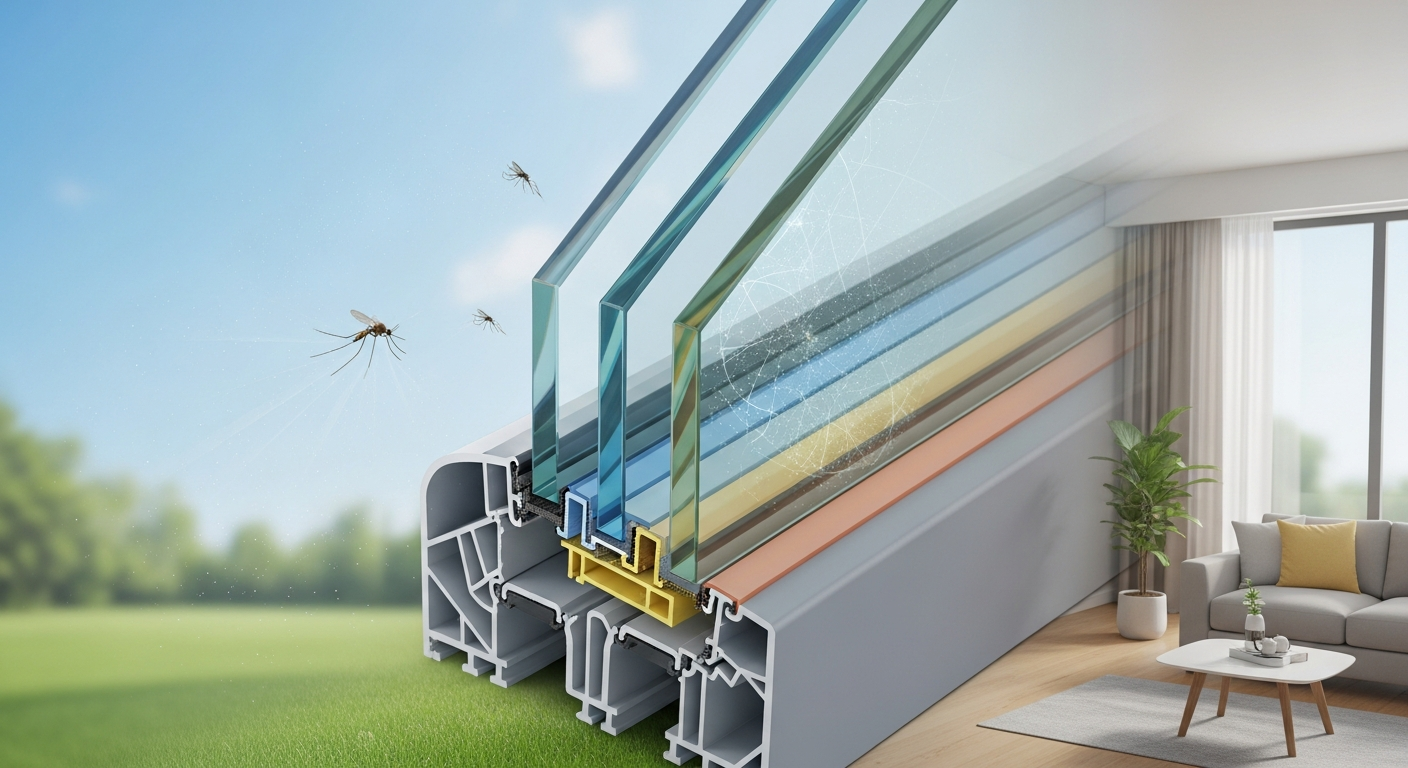
Modern windows are frequently designed as Insulated Glazing Units (IGUs), comprising two or more panes of glass separated by a sealed air or gas-filled space (e.g., argon or krypton). While primarily aimed at improving thermal performance, IGUs also contribute to pest management:
- Temperature Stability: Enhanced insulation reduces heat transfer, leading to more stable indoor temperatures. This prevents the formation of condensation on interior glass surfaces, which is a major attractant for moisture-loving pests like dust mites, silverfish, and mold mites.
- Reduced Thermal Bridging: Properly designed IGUs minimize thermal bridging, further reducing potential areas for condensation and mold growth, which can provide food sources for certain insects.
- Integration of Coatings: Low-E and spectral selective coatings can be integrated within the IGU, offering combined benefits of energy efficiency, UV reduction, and precise light spectrum filtering.
Specialized Glazing Materials
Beyond traditional glass, certain specialized materials offer unique advantages:
- Shatter-Resistant/Security Glazing: Often laminated glass or polycarbonate, these materials provide superior resistance to breakage, eliminating potential large entry points for pests caused by accidental damage or attempted forced entry. This is crucial in facilities where pest exclusion is paramount, such as food processing plants or laboratories.
- Anti-Bacterial/Anti-Fungal Coatings: Some advanced glazing products can incorporate coatings that inhibit the growth of bacteria and fungi on their surfaces. While not directly pest deterrents, these coatings contribute to overall hygiene and reduce potential food sources for certain pests.
By strategically employing these advanced glazing types, architects, building owners, and facility managers can create highly controlled indoor environments that inherently resist pest infestations while optimizing light for human well-being, specific functional needs, and overall building performance.
Strategic Integration: Designing Buildings with Proactive Glazing
Effective pest management and optimal light control are not mere afterthoughts in building construction; they are critical considerations that should be integrated into the design phase. Glazing, therefore, becomes a fundamental component of a building’s overall ecosystem, influencing everything from energy consumption to occupant health.
Holistic Building Design
A proactive approach to glazing involves considering its interplay with other building systems and environmental factors:
- HVAC Systems: Glazing choices directly impact the heating, ventilation, and air conditioning load. Glazing that effectively manages solar heat gain and loss reduces the strain on HVAC systems, contributing to stable indoor temperatures which are less conducive to pest proliferation.
- Natural Ventilation: When designing for natural ventilation, the selection of operable windows with integrated, fine-mesh screens becomes paramount to allow airflow without compromising pest exclusion.
- Building Orientation: The orientation of a building significantly affects its exposure to sunlight, UV radiation, and heat. Strategic placement of different glazing types on various facades can maximize beneficial light penetration while minimizing unwanted heat gain and pest attraction.
- Landscape Design: Consider how surrounding landscaping might interact with glazing. For example, planting schemes that keep foliage away from windows can reduce bridges for climbing pests, and avoiding overly dense, moisture-retaining vegetation near foundations helps prevent conducive conditions for termites and rodents.
Climate-Specific Glazing Solutions
The optimal glazing strategy varies significantly depending on the local climate and specific building function:
- Hot Climates: Buildings in hot, sunny climates benefit from glazing with a low Solar Heat Gain Coefficient (SHGC) to minimize solar heat gain. This typically involves spectrally selective coatings that block IR radiation while allowing sufficient visible light. UV blocking is also crucial to reduce pest attraction and protect interiors.
- Cold Climates: In colder regions, glazing with excellent insulation (e.g., triple-pane IGUs with low-E coatings and inert gas fills) is essential to minimize heat loss. Balancing SHGC to allow some passive solar heating during winter can be beneficial, while still controlling UV and preventing condensation.
- Mixed Climates: Dynamic glazing or spectrally selective glazing offers the most versatility in mixed climates, allowing buildings to adapt to seasonal changes and varying pest pressures throughout the year.
Synergies with Other Integrated Pest Management (IPM) Strategies
Glazing is a powerful tool, but it is most effective when part of a comprehensive Integrated Pest Management (IPM) program. IPM combines various strategies for long-term pest prevention with minimal environmental impact:
- Exclusion: Glazing directly supports the exclusion principle of IPM by forming a physical and light-based barrier.
- Sanitation: Glazing that prevents condensation and promotes stable environments contributes to better sanitation by reducing moisture and mold, which are food sources for pests.
- Monitoring: While glazing itself doesn’t monitor, its effectiveness as a barrier and light filter reduces the need for constant monitoring for pest entry points.
- Biological Controls: In agricultural settings, glazing optimized for plant health can enhance the effectiveness of biological pest controls by creating a stable, growth-promoting environment.
Proactive glazing selection and design contribute significantly to sustainable building practices. By reducing the reliance on chemical pesticides, lowering energy consumption, and creating healthier indoor environments, modern glazing solutions are integral to the creation of more efficient, resilient, and pest-resistant structures.
Conclusion
The role of glazing in contemporary architecture and building management extends far beyond its traditional function. As an expert content writer and SEO specialist, it’s clear that understanding the nuanced interplay between glazing, pest management, and light spectrum filtering is essential for creating optimized indoor environments. From acting as an impenetrable physical barrier to precisely manipulating the wavelengths of light, modern glazing technologies offer sophisticated tools for preventing pest infestations, enhancing energy efficiency, and promoting occupant well-being.
By integrating advanced materials like tempered or laminated glass, employing UV-blocking and spectrally selective coatings, and embracing dynamic glazing solutions, architects and building owners can strategically design structures that inherently deter pests while optimizing natural light and thermal comfort. This holistic approach not only minimizes the need for chemical interventions but also contributes to more sustainable, resilient, and healthier living and working spaces. As technology continues to evolve, glazing will undoubtedly play an even more pivotal role in shaping our built environment, making it an indispensable element in comprehensive pest management strategies and intelligent building design.