
As winter blankets the landscape in a pristine white, many greenhouse owners gaze upon their structures with a mixture of awe and apprehension. A fresh snowfall can transform the mundane into a picturesque scene, but what does it mean for the delicate ecosystem thriving within your greenhouse walls? Is that layer of snow a protective blanket or a looming threat? The truth, as often is the case, is nuanced. Snow possesses a remarkable insulating capability, offering a surprising advantage in energy efficiency, yet its weight and light-blocking properties present significant challenges. Understanding the dual nature of snow is crucial for any dedicated gardener looking to maintain a thriving greenhouse through the colder months.
The Science Behind Snow’s Insulating Power
To fully appreciate the benefits and risks of snow on your greenhouse, it’s helpful to understand the science behind its insulating properties. Snow, particularly fresh, powdery snow, is not just frozen water; it’s a matrix of ice crystals with a significant amount of trapped air. It’s this trapped air that makes snow such an effective insulator. Air is a poor conductor of heat, meaning it doesn’t easily transfer heat from warmer areas to colder ones. When snow accumulates on your greenhouse roof or around its base, the pockets of air within the snow act as a barrier, slowing down the rate at which heat escapes from the interior of your greenhouse into the frigid outside air.
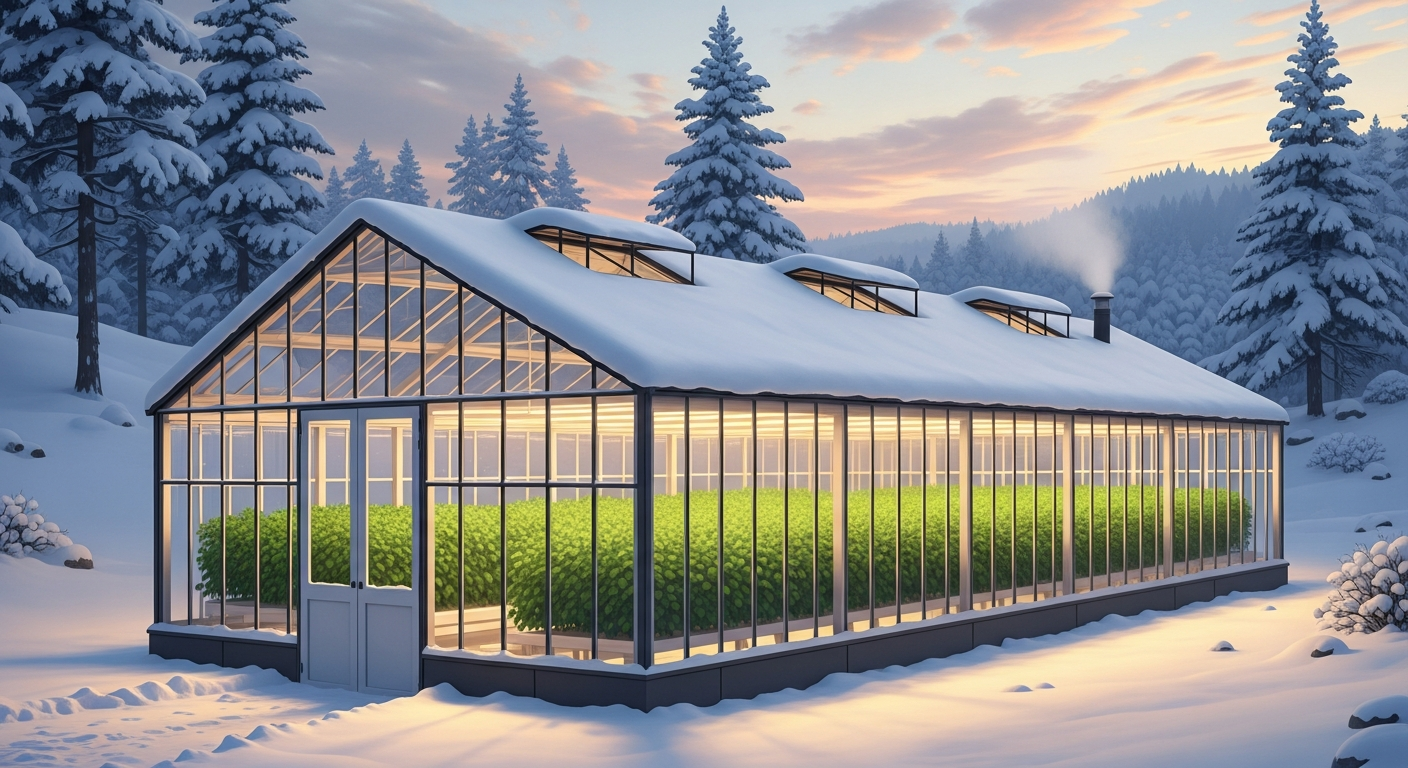
Think of it like a natural, free layer of insulation for your structure. This principle is why igloos, constructed entirely of snow, can maintain surprisingly comfortable temperatures even in sub-zero environments. For your winter greenhouse, this means less heat loss through the glazing, potentially leading to lower heating bills and a more stable internal temperature for your plants. The density of the snow plays a role too; lighter, fluffier snow with more trapped air offers superior insulation compared to heavy, wet, or compacted snow, which has less air and is therefore a poorer insulator and a much heavier burden.
Beneficial Blanket: How Snow Can Aid Your Greenhouse
When managed correctly, a layer of snow can offer several advantages, transforming from a potential hazard into a helpful ally for your greenhouse climate control. The primary benefit, as discussed, is its excellent insulating quality.
- Reduced Heat Loss and Energy Savings: The most significant advantage of snow on your greenhouse is its ability to significantly reduce heat loss. A layer of snow, even just a few inches, can act as an extra insulating barrier over your greenhouse glazing. This means your heating system doesn’t have to work as hard to maintain optimal temperatures, leading to substantial energy efficiency and lower utility bills throughout the winter. It’s like adding an extra pane of glass or another layer of poly without the cost.
- Protection Against Extreme Cold: Beyond just retaining heat, snow provides a buffer against sudden drops in temperature or prolonged periods of severe cold. This protective layer shields your greenhouse from direct exposure to icy winds and freezing rain, helping to prevent cold spots and ensuring a more uniform internal environment. For plants sensitive to temperature fluctuations, this can be invaluable.
- Ground Insulation: Snow accumulation around the base of your greenhouse, especially if your structure lacks a deep foundation or has an uninsulated perimeter, can also provide crucial ground insulation. This prevents the soil inside the greenhouse from freezing too deeply and helps to maintain a warmer root zone for your plants, promoting healthier growth.
- Increased Humidity (Carefully Managed): While too much humidity can be problematic, a slight increase from melted snow around the greenhouse perimeter can be beneficial in arid winter climates, helping to prevent plants from drying out too quickly, provided there is adequate ventilation.
Harnessing these benefits requires a watchful eye and proactive management, ensuring the good outweighs the potential drawbacks.
The Perils of Accumulation: Risks and Challenges
Despite its insulating charm, the unchecked accumulation of snow poses considerable threats to your greenhouse. Ignoring these risks can lead to costly damages and even the complete loss of your structure.
- Structural Collapse Due to Snow Load: This is arguably the most significant risk. Snow, especially wet, heavy snow, can be incredibly dense and exert immense pressure on your greenhouse roof and frame. Most greenhouses are designed with a specific snow load capacity, often measured in pounds per square foot. Exceeding this limit can lead to bowing supports, shattered glazing, and ultimately, a catastrophic structural collapse. Polycarbonate panels, glass panes, and even robust metal frames can buckle under extreme weight.
- Reduced Light Transmission: Even a thin layer of snow can dramatically reduce the amount of natural sunlight reaching your plants. Sunlight is crucial for photosynthesis, and prolonged periods of low light can lead to etiolation (stretching for light), stunted growth, reduced fruiting, and overall plant stress. For plants requiring high light levels, a snow-covered roof can be detrimental, necessitating supplemental lighting.
- Increased Condensation and Humidity: While a minor increase in humidity can be beneficial, excessive snow accumulation on the roof can lead to higher internal humidity levels due to reduced ventilation and colder interior surfaces. This can create an ideal environment for fungal diseases (like botrytis or powdery mildew) and other moisture-loving pests to thrive, compromising plant health.
- Uneven Heating and Cold Spots: If snow covers only parts of your greenhouse or melts unevenly, it can create localized cold spots. These temperature differentials can stress plants and make it harder for your heating system to maintain a consistent temperature throughout the entire structure.
- Ice Dams and Water Damage: As snow melts and refreezes, it can form ice dams along the eaves of your greenhouse. These dams prevent subsequent meltwater from draining properly, leading to water backing up under flashing or glazing, potentially causing leaks, water damage to the greenhouse structure, and even internal flooding.
Mitigating these risks requires careful monitoring and timely intervention, making greenhouse maintenance during winter a critical task.
Strategic Snow Management: Best Practices for Your Greenhouse
Effectively managing snow on and around your greenhouse is key to leveraging its benefits while minimizing its risks. Here are practical tips for proactive cold weather gardening and greenhouse protection:
Pre-Winter Preparations:
- Inspect Structural Integrity: Before the first snowfall, thoroughly inspect your greenhouse frame. Tighten bolts, reinforce weak points, and ensure all glazing is securely fastened. Address any existing damage.
- Consider Roof Pitch: Greenhouses with steeper roof pitches naturally shed snow more efficiently. If you’re building a new greenhouse in a snowy region, opt for a design with a good pitch.
- Ensure Proper Sealing: Seal any gaps or cracks around doors, vents, and foundation to prevent drafts and reduce heat loss, making the most of snow’s insulation.
During and After Snowfall:
- Monitor Snow Depth and Type: Keep a close eye on how much snow is accumulating. Pay particular attention to wet, heavy snow, which is far denser and riskier than light, fluffy powder.
- Gentle Snow Removal: When snow depth becomes a concern for light transmission or structural load, remove it promptly and gently.
- Use a Snow Rake or Soft Brush: For polycarbonate or film greenhouses, use a purpose-built snow rake with a soft head or a broom to push snow off the roof. Avoid sharp tools that could scratch or puncture the glazing.
- Never Climb on the Roof: This is incredibly dangerous and can damage the greenhouse. Always work from the ground using extension tools.
- Remove from Both Sides: If possible, remove snow from both sides of the roof simultaneously to avoid creating an uneven load that could stress the frame.
- Clear Around the Base: While some snow around the base is beneficial for ground insulation, ensure it doesn’t pile up against the walls to a height that would block vents or create excessive moisture issues. Keep pathways clear for access.
- Boost Internal Heating: If heavy snow is predicted or accumulating rapidly, temporarily increase your greenhouse heating to encourage melting from the inside. The warmth conducted through the glazing can cause the snow to slide off more easily. Be cautious not to create excessive temperature swings for your plants.
- Increase Light: If snow on the roof is significantly reducing light levels, consider using supplemental grow lights to ensure your plants still receive adequate photosynthesis-triggering light.
- Monitor Internal Conditions: Regularly check your greenhouse’s internal temperature and humidity levels. Adjust ventilation as needed to prevent condensation and maintain optimal growing conditions. Consider using fans to circulate air and reduce humidity.
By implementing these strategies, you can turn a potential winter disaster into an opportunity for improved energy efficiency and plant protection, ensuring your greenhouse thrives even in the harshest conditions.
Conclusion: Mastering the Winter Greenhouse
Snow is undeniably a double-edged sword for the greenhouse gardener. On one hand, its incredible insulating power offers a natural, energy-saving shield against the biting cold of winter, helping to stabilize internal temperatures and reduce heating costs. On the other, its sheer weight and light-blocking capabilities present serious threats to structural integrity and plant health. The key to successfully navigating winter with a snow-covered greenhouse lies in understanding this duality and implementing proactive, strategic management.
By preparing your greenhouse before winter, carefully monitoring snowfall, and employing gentle yet effective removal techniques, you can harness the benefits of snow’s insulating blanket while mitigating its risks. A well-managed greenhouse will not only survive the winter but continue to flourish, a testament to the gardener’s diligence and understanding of natural elements. So, as the next flurry descends, remember that snow can be both a friend and a foe; with knowledge and effort, you can ensure it’s overwhelmingly the former for your cherished plants and vital greenhouse climate control.