
Imagine a greenhouse where every plant thrives, growing at a uniform rate, producing consistent yields of the highest quality. This isn’t just a dream; it’s an achievable reality when you master the delicate balance of your growing environment. Among the many critical factors, one often stands out as both essential and challenging: light management, specifically the application of uniform shading. While many growers recognize the need to shade plants from excessive sunlight, the true magic happens when that shading is consistent across every square inch of your growing area. Non-uniform shading can lead to a host of problems, undermining your efforts for optimal crop growth and maximizing your greenhouse’s potential.
The Science Behind Uniform Shading: Why Light Matters
At the heart of every plant’s existence is photosynthesis, the process by which light energy is converted into chemical energy for growth. Plants require specific light levels to perform optimally. Too little light can stunt growth, reduce flowering, and decrease yields. Too much light, especially when accompanied by intense heat, can lead to photoinhibition (damage to the photosynthetic apparatus), scorching, stress, and ultimately, a decline in plant health and productivity.
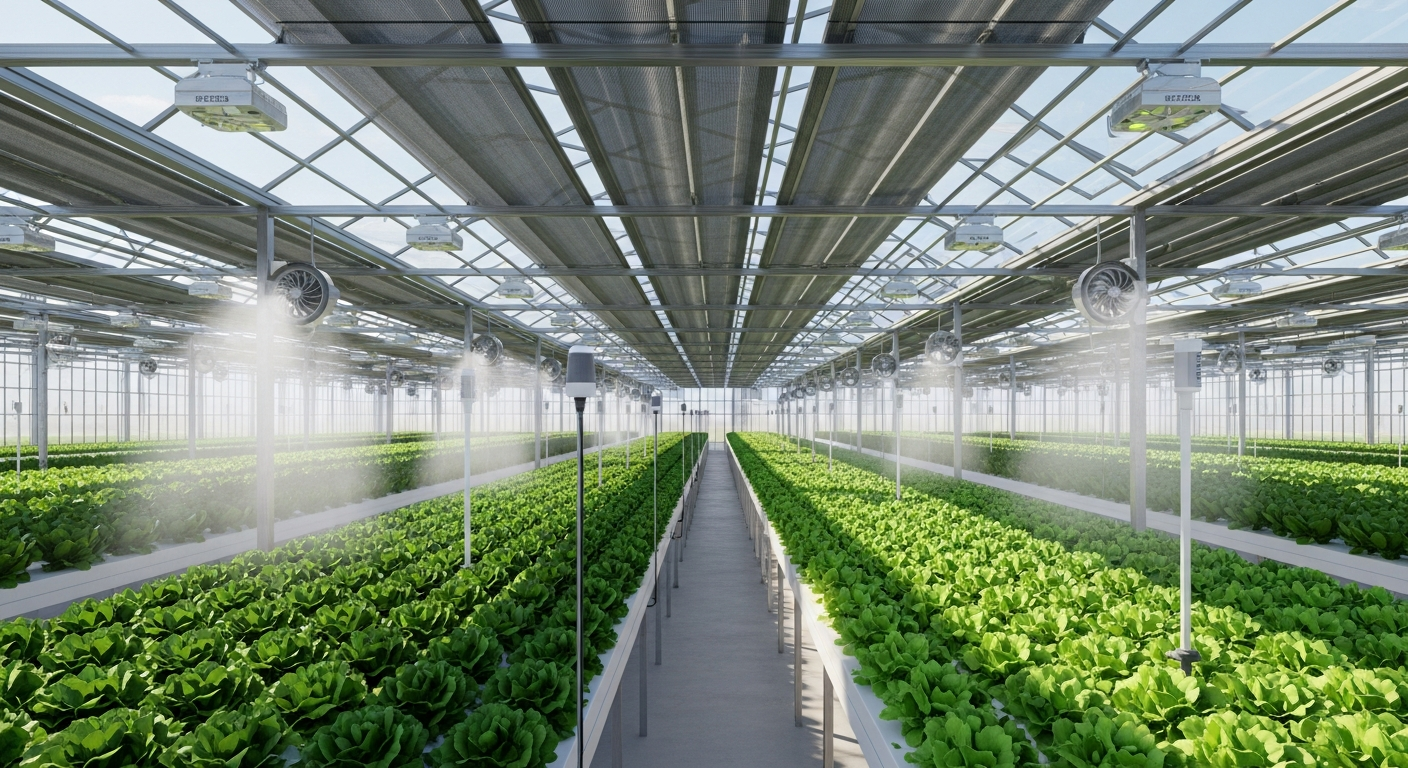
The concept of Daily Light Integral (DLI) is crucial here. DLI measures the total amount of photosynthetically active radiation (PAR) received by a plant over a 24-hour period. Different crops have different optimal DLI requirements. The goal of effective light management, including uniform shading, is to ensure that every plant receives its ideal DLI without experiencing harmful peak intensities. When shading is uniform, it means all plants are exposed to a similar intensity and duration of light, allowing them to photosynthesize efficiently and consistently.
Without uniform light distribution, some plants might be struggling with light deprivation while others are battling heat stress and photo-oxidative damage. This fundamental difference in environmental conditions at the most basic level sets the stage for a multitude of inconsistencies down the line, affecting everything from germination rates to harvest quality. Achieving light uniformity through precise shading is a cornerstone of advanced greenhouse cultivation, contributing directly to a stable and predictable growth environment.
The Detrimental Effects of Non-Uniform Shading
The consequences of failing to implement uniform shading are far-reaching and can significantly impact a grower’s bottom line. It’s not merely an aesthetic issue; it’s a fundamental flaw in environmental control that creates a domino effect of problems.
Uneven Growth and Development
Perhaps the most immediate and visible effect of inconsistent shading is uneven crop growth. Plants in areas receiving more light and heat may grow faster, develop larger leaves, or flower prematurely compared to those in heavily shaded spots. Conversely, plants under excessive shade will often stretch, developing weak, spindly stems as they try to reach for light. This disparity complicates management, as different sections of the crop will have varying water and nutrient needs, making it impossible to apply a single, optimized irrigation or fertilization schedule.
- Varied Maturation Times: Some plants will be ready for harvest while others are still weeks away, making batch harvesting inefficient and increasing labor costs.
- Inconsistent Plant Structure: Differences in stem thickness, leaf size, and overall plant architecture can compromise the structural integrity and market appeal of the crop.
Variances in Quality and Yield
The impact of non-uniform shading extends directly to the quality and quantity of your harvest. When plants develop under different light regimes, their internal biochemistry can vary significantly.
- Reduced Marketable Yield: A substantial portion of your crop might fail to meet desired market standards due to variations in size, color, flavor, or nutrient content. For example, some fruits may be smaller or less vibrant, and some leafy greens may be tougher or less palatable.
- Lower Overall Quality: Even if crops are technically harvested, the overall quality can be diminished. Taste, aroma, and shelf life can all be negatively affected by inconsistent growing conditions, leading to customer dissatisfaction and reduced profits.
- Forecasting Challenges: Predicting harvest yields and timing becomes incredibly difficult, impacting supply chain management and sales commitments.
Increased Stress and Disease Susceptibility
Plants under stress are more vulnerable to pests and diseases. Hot spots caused by inadequate shading can lead to localized heat stress, causing wilting, scorching, and increasing susceptibility to heat-loving pests like spider mites. Conversely, overly shaded areas might remain cooler and wetter, creating ideal conditions for fungal diseases like powdery mildew or botrytis. Maintaining a stable greenhouse environment with uniform conditions helps bolster plant immunity and reduces the need for chemical interventions.
Achieving Uniform Shading: Practical Strategies
Implementing effective, uniform shading requires careful planning and the right tools. It’s an investment that pays off in healthier plants and more predictable harvests.
Choosing the Right Shading Materials
The type of shading material you choose plays a critical role in achieving uniformity and overall effectiveness.
- Shade Cloths: Available in various densities (measured in percentage of light blocked), shade cloths are a common choice. For uniform shading, it’s crucial to select a material that provides consistent light diffusion and coverage. Avoid cloths with uneven weaving or gaps. They can be external (mounted above the greenhouse) or internal (retractable screens inside).
- Liquid Shading: Applied directly to the greenhouse roof, liquid shading paints offer a temporary, season-long solution. These paints can be formulated to wear off gradually, adapting to changing light conditions, or they can be washed off at the end of the season. Uniform application is key, often requiring specialized sprayers.
- Diffused Glazing/Films: Some modern greenhouse glazings inherently diffuse light, spreading it more evenly across the crop and reducing harsh shadows. These can be films applied to existing structures or integrated into new construction materials.
Tip: Consider the material’s lifespan, ease of installation, and how it interacts with other climate control systems like ventilation. Reflective materials can also help bounce heat away, contributing to cooler, more stable temperatures.
Strategic Placement and Automation
Manual deployment of shade cloth can be labor-intensive and often results in inconsistencies. Modern greenhouses benefit immensely from automated shading systems.
- Retractable Shade Screens: These systems allow growers to deploy and retract shading based on real-time light levels, temperature, and time of day. Controlled by environmental computers, they can open or close gradually, ensuring a smooth transition for plants and preventing sudden shifts in light intensity. This precision is vital for maintaining consistent crop growth.
- External vs. Internal Screens: External screens offer superior heat reduction as they block solar radiation before it enters the greenhouse. Internal screens provide more flexibility for light control, can act as energy curtains at night, and are protected from wind and weather. Combining both can offer the best of both worlds.
Actionable Advice: Install light sensors (pyranometers) both inside and outside your greenhouse. Integrate these sensors with an automated climate control system to dynamically adjust shading based on predefined light thresholds. This ensures your plants receive optimal light throughout the day, automatically adapting to cloud cover or intense sun.
Considering Greenhouse Design
The physical structure of your greenhouse can inherently create shading challenges. Be aware of structural elements (trusses, gutters, support posts) that cast shadows. In new constructions, designing with light uniformity in mind, perhaps using wider spans or specialized glazing bars, can minimize structural shading. For existing structures, strategic placement of crops, especially light-sensitive ones, can help mitigate these unavoidable shadows.
Beyond Shading: Integrating with Overall Climate Control
Uniform shading is not a standalone solution; it’s an integral part of a holistic greenhouse climate control strategy. For true yield optimization and plant health, shading must work in harmony with other environmental factors:
- Ventilation: Shading reduces heat load, but proper ventilation (natural or mechanical) is still essential to remove residual heat and maintain optimal air circulation.
- Humidity Control: Reduced light can influence transpiration rates. Ensure your humidity control systems are calibrated to account for changes induced by shading, preventing conditions that foster disease.
- Temperature Management: Shading directly impacts internal temperatures. Integrating shading with heating and cooling systems ensures temperatures remain within the ideal range for your specific crop.
When all these elements are meticulously managed and work in concert, the result is a perfectly balanced microclimate that promotes vigorous and consistent plant development.
Conclusion
The quest for consistent crop growth and maximum yields hinges on meticulous attention to environmental detail. Among these, establishing and maintaining uniform shading stands as a critical pillar. By understanding the science of light, recognizing the pitfalls of uneven coverage, and implementing intelligent shading strategies, greenhouse growers can create an environment where every plant has the opportunity to thrive. Investing in the right materials and embracing automation for precise light management will not only reduce plant stress and disease but also significantly enhance crop quality, increase marketable yields, and ultimately, drive the profitability of your greenhouse operation. Embrace uniform shading, and watch your greenhouse flourish with unparalleled consistency.