
The dream of cultivating lush plants year-round, regardless of external weather conditions, is at the heart of every greenhouse enthusiast and commercial grower. However, maintaining optimal internal temperatures, especially during colder months, presents a significant challenge. Heat loss through conventional single-layer greenhouse coverings can be substantial, leading to escalating heating costs and inconsistent growing environments. Fortunately, there’s a widely adopted, highly effective solution that dramatically enhances your greenhouse’s thermal performance: double-layering greenhouse films. This simple yet ingenious technique can revolutionize your climate control, saving you money and fostering healthier, more productive plants.
The Science Behind Double-Layering: How It Works
At its core, double-layering greenhouse film is an advanced insulation strategy. Instead of a single sheet of polyethylene or other greenhouse film forming your structure’s skin, two layers are applied, separated by a continuous cushion of air. This trapped air gap acts as a powerful thermal barrier, significantly impeding heat transfer both out of and into the greenhouse.
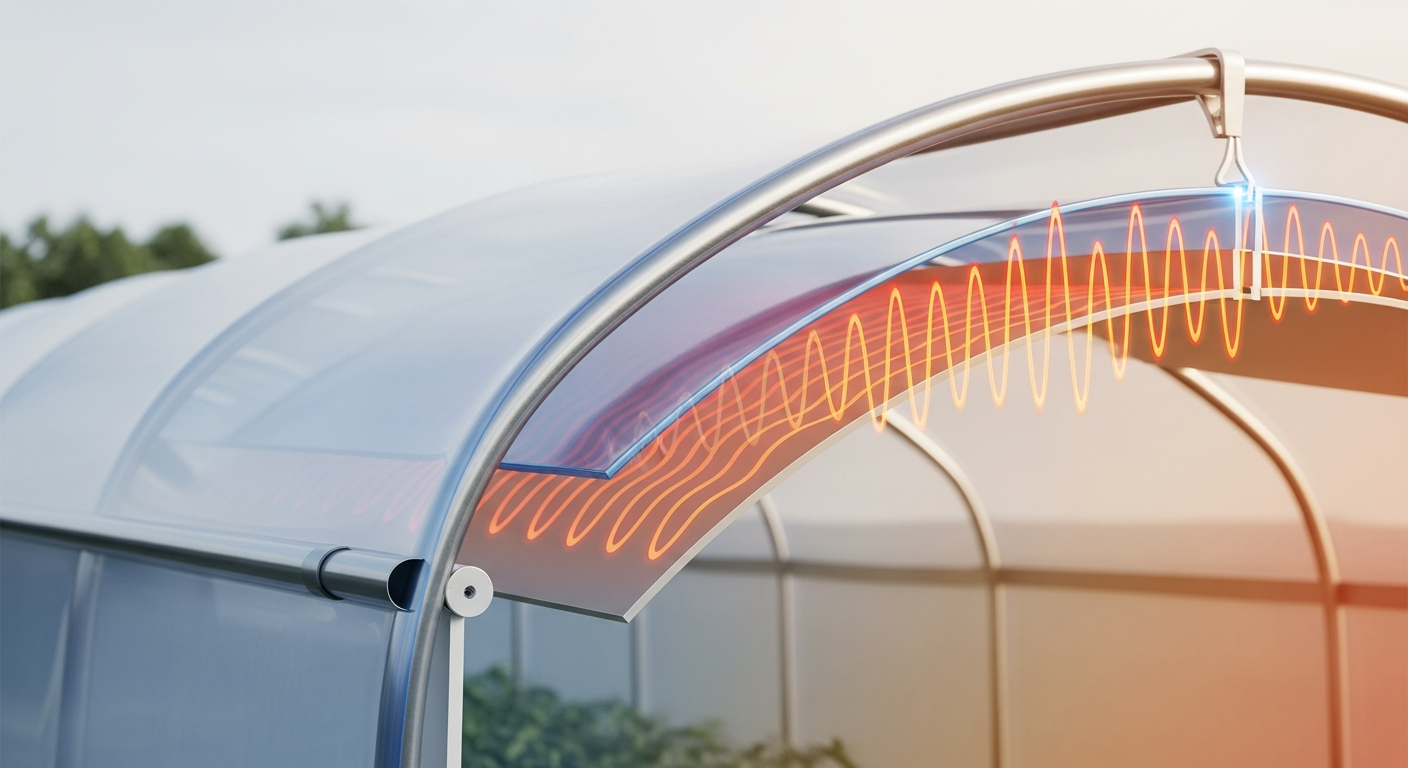
When heat energy inside your greenhouse tries to escape, it primarily does so through three mechanisms: conduction, convection, and radiation. A single layer of film offers minimal resistance to these processes. Heat conducts directly through the material, warm air molecules move through the film by convection, and radiant heat escapes relatively unimpeded. By introducing a layer of stagnant air between two films, you create a buffer that dramatically reduces all three forms of heat loss.
The air itself is a poor conductor of heat. Furthermore, the trapped air within the cavity cannot easily circulate, thus minimizing convective heat transfer. Many modern greenhouse films also incorporate infrared (IR) blockers, which help to reflect radiant heat back into the growing space, further enhancing the system’s efficiency. This clever combination of physical separation and specialized film properties transforms your greenhouse into a much more energy-efficient structure, allowing you to maintain desired temperatures with significantly less effort and expense.
Significant Benefits for Your Greenhouse and Your Wallet
The advantages of adopting a double-layering system extend far beyond mere thermal performance, impacting both your operational costs and your plants’ well-being.
Dramatic Energy Savings
This is arguably the most compelling reason for many growers to switch. Studies and real-world applications consistently show that double-layering greenhouse films can reduce heating costs by 30% to 50% compared to a single layer. For large commercial operations, these savings translate into thousands of dollars annually, offering a rapid return on the initial investment. Even for hobbyist growers, the reduction in energy bills makes year-round cultivation more financially viable and sustainable. This enhanced energy efficiency is a game-changer for greenhouse climate control.
Enhanced Temperature Stability
A stable internal temperature is crucial for plant health. Single-layer greenhouses are prone to dramatic temperature swings, especially between sunny days and cold nights. The insulating air gap created by double-layering acts like a thermal flywheel, moderating these fluctuations. It helps to keep the greenhouse warmer at night, preventing frost damage and cold stress, and can even help keep it cooler on intensely sunny days by reducing heat gain. This consistent environment promotes stronger growth, better flowering, and higher yields.
Improved Plant Health and Productivity
Plants thrive in stable conditions. When they are not constantly battling extreme temperature shifts, they can allocate more energy to growth, fruit production, and overall vigor. Reduced stress means less susceptibility to pests and diseases, and a longer, more productive growing season. For growers aiming for winter cultivation or extending their growing season, double-layering is an indispensable tool for creating an optimal growing environment.
Condensation Management
One often-overlooked benefit is improved condensation control. In a single-layer greenhouse, the inner surface of the film often becomes very cold, causing warm, humid air inside the greenhouse to condense rapidly. This condensation can drip onto plants, leading to fungal diseases and water spots. With a double-layer system, the inner film remains significantly warmer due to the insulating air gap, reducing the temperature difference that causes condensation. When combined with anti-drip film technology, this can virtually eliminate condensation issues, keeping your plants drier and healthier.
Implementing Double-Layering: Practical Considerations
While the concept is straightforward, successful implementation requires attention to detail.
Choosing the Right Films
Not all greenhouse films are created equal. For double-layering, consider using specialized films:
- Outer Layer: This film needs to be highly durable, UV-stabilized to withstand sun exposure, and often thicker (e.g., 6-mil) for structural integrity. Look for films with good light transmission.
- Inner Layer: This layer also benefits from UV stability but can sometimes be slightly thinner. Crucially, consider an IR-blocking (thermal) film for the inner layer to further enhance heat retention by reflecting radiant heat back into the greenhouse. Anti-drip additives are highly recommended for the inner film to prevent water droplets from falling onto plants.
Both layers should be clear or diffused, depending on your light requirements. Diffused films scatter light more evenly, reducing hot spots and shadows, which can be beneficial for plant growth.
The Air Inflation System
Maintaining a consistent, even air gap between the two layers is critical for optimal insulation. This is achieved using a small, continuous-duty blower fan. The fan inflates the space between the films, creating the insulating cushion. Key considerations include:
- Blower Size: Matched to the size of your greenhouse.
- Pressure: A low, constant pressure is all that’s needed. Too much pressure can stress the films and structure; too little results in a poor air gap. Pressure switches and regulators are often used to maintain the ideal inflation.
- Air Source: Ensure the blower draws clean, dry air.
Proper inflation ensures the films are taut, reducing flapping in the wind and maintaining the insulating barrier effectively.
Installation Tips
- Secure Attachment: Both films must be securely attached to your greenhouse frame, typically using aluminum wiggle wire and channel, or battens. The outer layer should be installed first, followed by the inner layer, creating a sealed cavity.
- Minimize Leaks: Any air leaks in the cavity will reduce the effectiveness of your inflation system and compromise insulation. Pay close attention to sealing all edges, corners, and overlaps.
- Proper Tension: While the air inflation will keep the films taut, proper initial tensioning during installation helps to prevent excessive movement and prolong film life.
Addressing Common Concerns and Maximizing Performance
Some growers hesitate to adopt double-layering due to misconceptions or concerns about its impact on their operations.
Light Transmission
A common worry is that two layers of film will significantly reduce light transmission, which is vital for photosynthesis. While there is a slight reduction compared to a single layer, modern high-quality polyethylene films are designed to maximize light penetration. The reduction is often minimal (around 10-15%) and is typically outweighed by the benefits of superior temperature control and the often-accompanying light diffusion properties of certain films. Diffused light can actually be beneficial, reducing scorching and ensuring light reaches lower canopy leaves more effectively.
Maintenance and Lifespan
Double-layered films, when properly installed and maintained, can have a similar lifespan to single layers, typically 4-5 years for quality UV-stabilized films. Regular checks for tears, punctures, and proper inflation are advisable. Minor tears can often be repaired with specialized film repair tape, extending the life of your covering.
Cost vs. Benefit Analysis
The initial investment for a double-layer system, including two layers of film and an inflation blower, is higher than a single layer. However, the substantial reduction in heating costs often provides a quick payback period, sometimes within a single heating season for commercial operations. The benefits of improved plant health, increased yields, and the ability to grow year-round further add to the long-term value, making it a sound financial and horticultural decision for serious growers.
Conclusion
Double-layering greenhouse films for heat retention is far more than just an upgrade; it’s a fundamental strategy for achieving superior climate control and maximizing the potential of your greenhouse. By creating an insulating air barrier, this technique dramatically cuts heating costs, stabilizes internal temperatures, and fosters a healthier, more productive environment for your plants. While it requires a thoughtful approach to film selection and installation, the long-term benefits in terms of energy savings, plant vigor, and extended growing seasons are undeniable. Embrace this proven method, and transform your greenhouse into a truly energy-efficient and high-performance growing sanctuary, ready to tackle any climate challenge. It’s an investment that pays dividends in both your wallet and the health of your beloved plants.