
In the intricate world of greenhouse cultivation, striking the perfect balance of environmental factors is the key to thriving plants. Among these factors, light intensity stands paramount, directly fueling photosynthesis and influencing everything from growth rate to fruit production. However, too much of a good thing can quickly turn detrimental, leading to heat stress, scorching, and reduced yields. This is where shade cloth emerges as an indispensable tool for greenhouse growers, offering a customizable solution to mitigate excessive light and heat. Understanding its profound impact on your greenhouse’s microclimate is not just about blocking sunlight; it’s about optimizing the growing environment for peak plant performance.
Understanding Light in the Greenhouse: More Than Just Brightness
Before delving into the specifics of shade cloth, it’s crucial to grasp what constitutes “good” light for plants. While our eyes perceive brightness, plants react to a specific spectrum of light known as Photosynthetically Active Radiation (PAR). This spectrum, roughly 400-700 nanometers, is what plants use to convert light energy into chemical energy through photosynthesis.
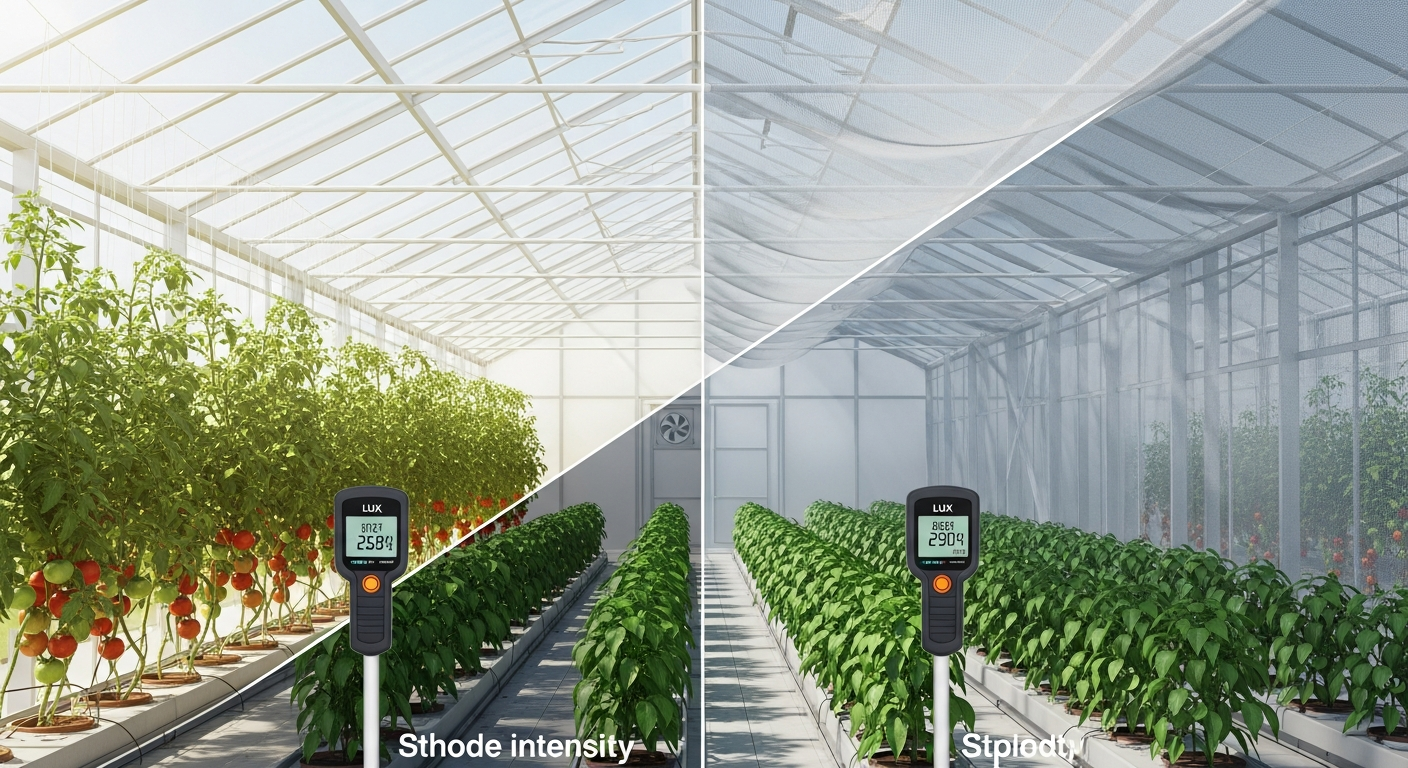
Beyond instantaneous intensity, growers often consider the Daily Light Integral (DLI), which measures the total amount of PAR light received by a plant over a 24-hour period. Different plants have different DLI requirements; some thrive under low light, while others demand high light levels. When natural sunlight delivers an intensity far exceeding a plant’s optimal PAR or DLI, it can lead to several problems:
- Photosystem Damage: Excess light can overwhelm the plant’s photosynthetic machinery, leading to photo-oxidation and irreversible damage.
- Heat Stress: High light intensity is often accompanied by high temperatures, causing stomata to close, reducing transpiration, and hindering nutrient uptake.
- Sun Scorch: Direct, intense sunlight can literally burn plant tissues, leaving unsightly spots and compromising plant health.
- Stunted Growth: Plants under stress allocate energy to survival rather than growth and reproduction.
Effectively managing light intensity is therefore a cornerstone of successful greenhouse cultivation, and shade cloth plays a pivotal role in this management.
The Mechanics and Multifaceted Benefits of Shade Cloth
Shade cloth, typically woven from high-density polyethylene (HDPE), is designed to block a specific percentage of sunlight while allowing air circulation. Its primary function is to reduce the intensity of solar radiation entering the greenhouse, but its benefits extend far beyond simple light reduction:
- Optimized Light Intensity: By reducing PAR light to a more suitable level, shade cloth prevents photoinhibition and ensures plants can photosynthesize efficiently without stress. This leads to healthier growth and better yields.
- Temperature Regulation: A significant portion of solar radiation is converted into heat within the greenhouse. Shade cloth acts as a barrier, significantly lowering internal temperatures by reducing the amount of radiant heat that penetrates the structure. This is crucial for preventing heat stress, wilting, and maintaining optimal growing temperatures, especially during hot summer months.
- Reduced Water Loss: Lower temperatures and reduced direct sunlight minimize transpiration rates from plant leaves, leading to decreased water consumption and less frequent irrigation cycles. This conserves water and reduces the risk of drought stress.
- UV Protection: Many shade cloths offer a degree of UV protection, which can be beneficial for both plants and greenhouse workers. While some UV is essential, excessive levels can be detrimental to delicate plant tissues.
- Pest and Disease Management: A cooler, less stressful environment can make plants more resilient to pests and diseases. Furthermore, the physical barrier can deter some flying insects.
- Energy Savings: By naturally lowering internal temperatures, shade cloth reduces the reliance on active cooling systems like exhaust fans and evaporative coolers, leading to significant energy cost savings.
The strategic deployment of shade cloth transforms a potentially harsh environment into a more hospitable one, supporting robust plant development.
Choosing the Right Shade Percentage for Your Crops
The effectiveness of shade cloth hinges on selecting the appropriate shade percentage. This percentage indicates how much sunlight the cloth blocks. Common percentages range from 30% to 80%, each suited for different applications and plant types.
Key Considerations for Selection:
- Plant Light Requirements: This is the most critical factor.
- 30-40% Shade: Ideal for light-loving vegetables (tomatoes, peppers), flowering plants, and general greenhouse use where only moderate light reduction and heat tempering are needed. It allows high DLI but cuts peak intensity.
- 50-60% Shade: Suitable for a wide range of plants, including many herbs, leafy greens (lettuce, spinach), and some ornamental plants that prefer partial shade or are susceptible to scorching. This is a common choice for mixed crops.
- 70-80% Shade: Best for shade-loving plants (ferns, orchids, some foliage plants), propagation houses, or extreme climates where intense sunlight and heat are a major concern. This significantly reduces light and heat.
- Local Climate and Season: Growers in naturally hot, sunny climates (e.g., deserts, tropical regions) will generally require higher shade percentages or deploy shade cloth for longer periods than those in cooler, cloudier regions. The season also plays a role; higher shade might be needed in summer, less in spring/autumn.
- Greenhouse Structure and Orientation: The design of your greenhouse (e.g., glazing material, ventilation, orientation) also influences how much shade is needed. South-facing walls often receive the most intense sun.
- Monitoring Light Levels: To fine-tune your shade cloth decision, consider investing in a PAR meter. This device measures Photosynthetically Active Radiation and provides objective data to help you understand exactly how much light your plants are receiving before and after shade cloth installation. This takes the guesswork out of it.
Always err on the side of slightly less shade initially and observe your plants. Signs of light stress (scorching, wilting) indicate you might need more shade, while signs of insufficient light (etiolation, pale growth) suggest less.
Implementing and Optimizing Shade Cloth Use
Once you’ve chosen the right shade percentage, proper implementation and ongoing optimization are key to maximizing its benefits.
Installation Best Practices:
- External vs. Internal:
- External Shade Cloth: Generally more effective at reducing heat as it blocks solar radiation before it enters the greenhouse structure. This keeps the greenhouse frame cooler. It typically requires a support structure or cabling system.
- Internal Shade Cloth: Easier to install and often more economical. However, some heat will already have entered the greenhouse before being blocked. Internal systems can be more easily retracted.
- Retractable Systems: For ultimate flexibility, consider retractable shade cloth systems. These allow you to deploy the shade during peak sunlight hours and retract it on cloudy days or in the evenings, ensuring your plants receive optimal DLI without unnecessary light reduction. This is especially beneficial in climates with variable weather.
- Secure Fastening: Ensure the shade cloth is securely fastened to prevent wind damage. Use appropriate clips, tie-downs, or framing. Allow for some airflow between the shade cloth and the greenhouse glazing if possible, especially with external systems, to prevent heat buildup in the gap.
Optimizing for Year-Round Performance:
- Seasonal Adjustment: Remember that light intensity varies significantly throughout the year. You might need to install higher percentage shade cloth in summer and remove or retract it in fall and winter when natural light levels are lower.
- Monitor Plant Response: Regularly observe your plants for signs of stress or etiolation. Leaf color, turgidity, and growth patterns are excellent indicators of whether your light levels are appropriate.
- Integrate with Other Climate Controls: Shade cloth is most effective when used in conjunction with other environmental controls like ventilation, fans, and evaporative cooling. Together, they create a holistic climate management strategy.
- Cleanliness: Keep your shade cloth clean. Dirt and debris can reduce its effectiveness by blocking light unevenly or diminishing its reflective properties.
By treating shade cloth as a dynamic tool rather than a static fixture, you can continuously adapt your greenhouse environment to meet the evolving needs of your crops.
Conclusion
The impact of shade cloth on greenhouse light intensity is profound and multifaceted, extending well beyond mere light reduction. It is a critical component in creating an optimal, stable growing environment, protecting plants from the detrimental effects of excessive solar radiation and heat stress. By thoughtfully selecting the right shade percentage and implementing it strategically, growers can regulate PAR light, manage temperatures, reduce water consumption, and ultimately foster healthier plants and more bountiful harvests.
Embracing shade cloth is not just about mitigating problems; it’s about actively enhancing the conditions for photosynthesis and overall plant vigor. For any greenhouse enthusiast committed to maximizing their growing potential, understanding and utilizing shade cloth effectively is an essential step towards achieving mastery over their controlled climate.