
Imagine an invisible enemy, silently compromising the air you breathe and the structural integrity of your home or business. This insidious adversary is mold and fungi, microscopic organisms that thrive in specific conditions, often without immediate detection. While various factors contribute to their proliferation, one stands out as a primary catalyst: moisture. Specifically, relative humidity (RH) plays a pivotal role in creating environments conducive to mold growth. For years, managing this invisible threat has been a reactive battle, often initiated only after visible signs of damage or unpleasant odors appear. However, a powerful tool has emerged to shift this paradigm from reaction to proactive prevention: the relative humidity sensor. These unassuming devices are revolutionizing how we monitor and control indoor environments, offering an indispensable first line of defense against the pervasive threat of mold and fungal contamination.
The Silent Threat: Understanding Mold and Fungi in Indoor Environments
Before delving into the mechanics of prevention, it’s crucial to grasp the nature of the threat itself. Mold and fungi are ubiquitous organisms, present almost everywhere in nature. While many varieties are harmless and even beneficial outdoors, certain species pose significant risks when they establish colonies indoors. These microorganisms reproduce by releasing spores, tiny airborne particles that are invisible to the naked eye. When these spores land on a surface with adequate moisture and an organic food source, they can germinate and begin to grow, forming visible colonies over time.
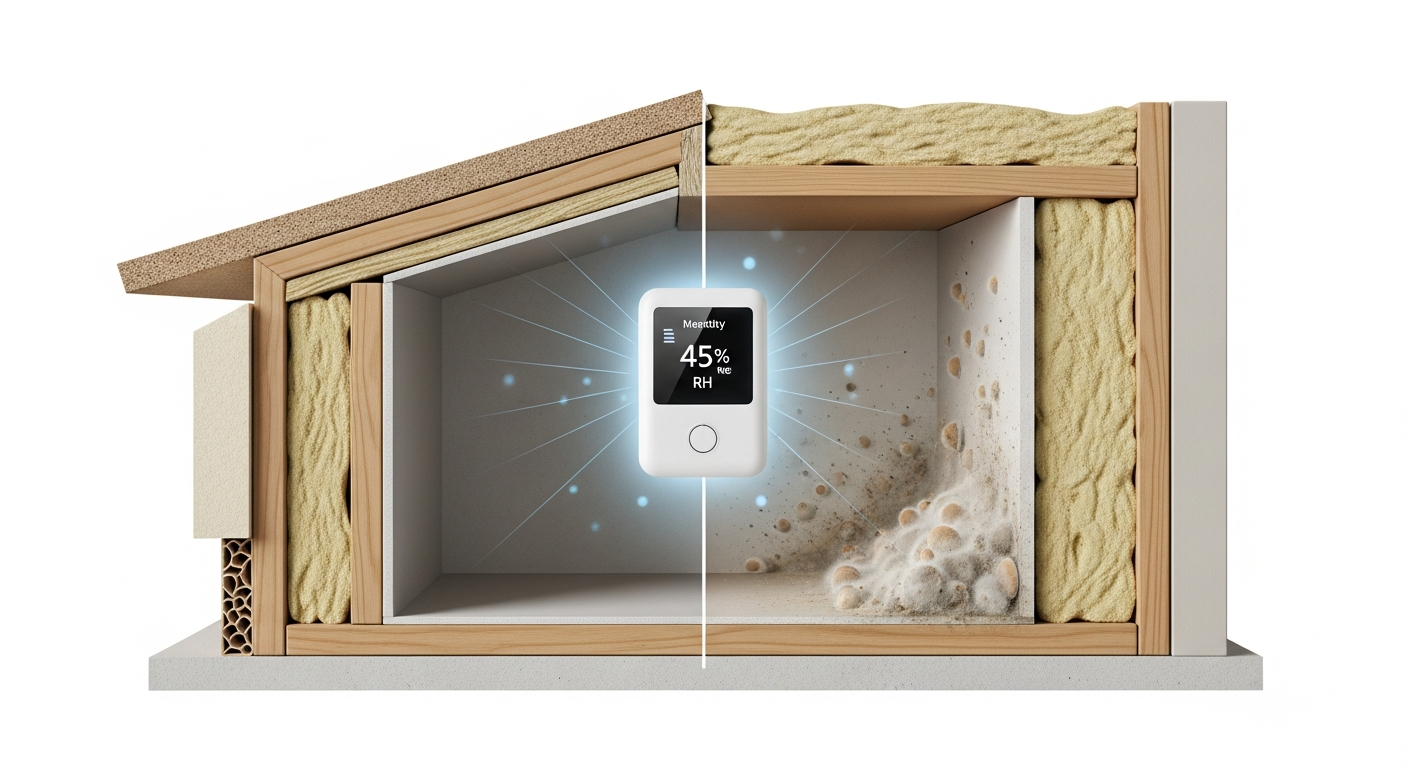
The dangers associated with indoor mold growth are multifaceted:
- Health Risks: Exposure to mold spores can trigger a range of health issues. For sensitive individuals, this might include allergic reactions like sneezing, runny nose, red eyes, and skin rash. Asthma sufferers may experience exacerbated symptoms, and prolonged exposure can lead to more severe respiratory problems, headaches, fatigue, and other systemic health complaints. Some molds produce mycotoxins, which are toxic compounds that can have serious health implications, though the extent of harm from indoor exposure is still a subject of ongoing research.
- Property Damage: Mold doesn’t just grow on surfaces; it consumes them. Over time, extensive mold growth can degrade building materials such as drywall, wood, insulation, carpets, and fabrics. This structural damage can weaken components, lead to costly repairs, and significantly reduce property value. A musty odor is often the first indication of a hidden mold problem, signaling that deterioration may already be underway.
- Compromised Indoor Air Quality (IAQ): Even without direct health symptoms, a mold infestation contributes to poor indoor air quality. The release of spores and volatile organic compounds (VOCs) by growing mold can make an indoor environment feel stuffy, unpleasant, and generally unhealthy.
The key takeaway is that mold requires moisture to thrive. Without it, spores remain dormant. This fundamental principle forms the cornerstone of effective mold and fungal prevention strategies. Understanding and managing moisture levels is not just a best practice; it is an absolute necessity for maintaining a healthy and structurally sound indoor environment.
The Science of Humidity: When Good Moisture Goes Bad
Moisture isn’t inherently bad. In fact, some level of humidity is necessary for human comfort and health. The air around us always contains some water vapor. However, when the concentration of this water vapor becomes too high, it crosses a critical threshold, transforming from a benign component of the air into a primary enabler of mold growth. This is where relative humidity (RH) becomes the central metric.
What is Relative Humidity?
Relative humidity is a measure of the amount of water vapor present in the air compared to the maximum amount of water vapor the air could hold at a given temperature. It’s expressed as a percentage. For example, 50% RH means the air contains half the maximum amount of water vapor it can hold at that specific temperature. Colder air holds less moisture than warmer air, so a drop in temperature can cause the RH to rise, even if the absolute amount of water vapor remains the same.
The Mold-Humidity Connection
Mold and fungi generally flourish when RH levels consistently exceed 60%, with optimal growth often occurring at 70% RH and above. At these elevated levels, surfaces can become damp, and condensation can form, providing the liquid water necessary for mold spores to germinate. This process is exacerbated by:
- Condensation: When warm, humid air comes into contact with a cooler surface (like a cold window pane, uninsulated pipe, or exterior wall), the air near the surface cools. If it cools to its dew point, the water vapor in the air condenses into liquid water on that surface. This is a prime breeding ground for mold.
- Poor Ventilation: Areas with inadequate airflow allow humid air to stagnate, preventing moisture from dissipating. This creates pockets of high RH that are perfect for mold.
- Building Materials: Many common building materials like drywall, wood, ceiling tiles, and insulation are organic and porous, readily absorbing moisture from the air. Once damp, they provide an ideal food source for mold.
Maintaining an indoor RH between 40% and 60% is generally considered ideal for both human comfort and mold prevention. Below 40%, the air can feel too dry, leading to discomfort and potential health issues like dry skin and irritated respiratory passages. Above 60%, the risk of mold and dust mite proliferation escalates dramatically. The goal, therefore, is to keep the indoor environment within this balanced range consistently.
Enter the Guardian: How Relative Humidity Sensors Empower Prevention
Given the critical role of RH, the ability to accurately and continuously monitor these levels becomes paramount. This is precisely where relative humidity sensors, often referred to as hygrometers, prove invaluable. These devices are the silent guardians of your indoor air quality, providing the data needed to take proactive measures against moisture-related issues.
What Are Relative Humidity Sensors?
At their core, relative humidity sensors are electronic devices designed to measure the amount of water vapor in the air and convert it into an electrical signal, which is then translated into an RH percentage reading. While the internal mechanisms vary (capacitive, resistive, thermal, etc.), their function remains the same: to provide accurate, real-time or near-real-time data on the moisture content of the air.
Types and Functionality:
- Standalone Sensors/Hygrometers: These are simple, often portable devices that display the current temperature and RH. They are excellent for localized monitoring in specific rooms or areas.
- Integrated Sensors: Many modern HVAC systems, smart thermostats, and even some air purifiers or dehumidifiers come with built-in RH sensors. These can often be programmed to automatically adjust climate control settings based on humidity levels.
- Smart Home Sensors: Designed to integrate with smart home ecosystems (e.g., Apple HomeKit, Google Home, Amazon Alexa), these sensors can send alerts to your smartphone, trigger smart dehumidifiers or fans, and provide historical data logs accessible remotely.
- Data Loggers: For more detailed analysis or long-term monitoring in commercial or industrial settings, data logging RH sensors record measurements over time, allowing for trend analysis and identification of persistent problem areas.
The Power of Continuous Monitoring:
The true power of RH sensors lies in their ability to provide continuous, objective data. Unlike relying on visual cues or a “musty smell,” which only appear after mold has already taken hold, sensors offer early warnings. They detect subtle shifts in humidity levels that, if left unaddressed, could lead to a full-blown mold infestation. This early detection capability transforms mold prevention from a reactive chore into a proactive, data-driven strategy. By understanding the minute-by-minute or hour-by-hour RH fluctuations, you gain critical insights into your building’s moisture dynamics and can intervene before conditions become favorable for fungal growth.
Proactive Prevention: Leveraging Sensors for Mold Control
Simply having a relative humidity sensor isn’t enough; the real benefit comes from knowing how to interpret its readings and, more importantly, what actions to take. Leveraging these sensors effectively allows you to shift from merely observing to actively managing your indoor environment for optimal fungal prevention.
Setting Your RH Targets
As discussed, the sweet spot for indoor relative humidity is generally between 40% and 60%. Your first step after installing sensors is to understand your baseline RH levels and then aim to keep them within this range. Smart sensors often allow you to set custom alerts for when RH deviates from your desired parameters.
Actionable Strategies Based on Sensor Data:
Once your sensors begin providing data, you can implement a variety of strategies:
- Automate Dehumidification: If your sensors consistently show RH above 60%, especially in specific areas like basements, crawl spaces, or bathrooms, it’s a clear signal to run a dehumidifier. Smart dehumidifiers can be paired with smart RH sensors to automatically turn on and off as needed, maintaining optimal levels without manual intervention.
- Enhance Ventilation: High RH readings, particularly in areas prone to moisture (kitchens, bathrooms, laundry rooms), indicate a need for improved ventilation. Use exhaust fans during and after showering or cooking. If ambient RH remains high, consider installing whole-house ventilation systems or smart fans that respond to humidity levels.
- Identify and Fix Leaks: A sudden, unexplained spike in RH in a specific area could indicate a hidden water leak from plumbing, the roof, or foundation. Sensors can act as early leak detectors, prompting you to investigate and repair the source of moisture before it leads to significant mold damage.
- Optimize HVAC Usage: Your heating, ventilation, and air conditioning (HVAC) system plays a crucial role in humidity control. During humid seasons, air conditioning not only cools the air but also dehumidifies it. Ensure your HVAC system is properly sized and maintained. Smart thermostats with integrated RH sensors can optimize operation for both temperature and humidity.
- Improve Insulation and Air Sealing: Consistent condensation on windows or walls, often detected by nearby RH sensors showing high localized humidity, points to inadequate insulation or air leaks. Addressing these issues can prevent surfaces from reaching their dew point, thus preventing condensation and subsequent mold growth.
- Strategic Placement: Place sensors in areas most susceptible to high humidity and mold: basements, attics, bathrooms, kitchens, laundry rooms, near exterior walls, and in crawl spaces. Consider placing a sensor in each major living area for comprehensive monitoring.
Case Study: The Proactive Homeowner
Consider a homeowner with a finished basement. Historically, they’ve experienced a musty smell during humid summers. After installing a smart RH sensor in the basement, they observe that the RH frequently creeps above 70% overnight, even with their central AC running upstairs. This data prompts them to install a dedicated basement dehumidifier, linked to the smart sensor. Now, whenever the RH exceeds 55%, the dehumidifier automatically activates, pulling excess moisture from the air. The result? No more musty smell, peace of mind, and significant reduction in the risk of mold growth, all thanks to actionable insights from their RH sensor.
This proactive approach, driven by the accurate data provided by relative humidity sensors, empowers individuals and property managers to maintain healthier, safer, and more durable indoor environments. It’s an investment in prevention that far outweighs the cost and hassle of mold remediation.
Choosing and Maintaining Your RH Sensors
To maximize the impact of relative humidity sensors on your mold and fungal prevention strategy, it’s important to choose the right devices and ensure they are properly maintained.
Factors to Consider When Choosing RH Sensors:
- Accuracy: Look for sensors with a low margin of error (e.g., ±2-3% RH). More accurate sensors provide more reliable data for decision-making.
- Range: Ensure the sensor can accurately measure across the full range of expected humidity levels in your environment.
- Connectivity:
- Standalone: Simple and affordable, but require manual checks.
- Bluetooth: Good for localized monitoring, data accessible via smartphone within a limited range.
- Wi-Fi/Zigbee/Z-Wave: Ideal for whole-home or remote monitoring, integrate with smart home systems, and often send alerts.
- Data Logging and Analytics: For comprehensive understanding, choose sensors that store historical data. Apps or software that provide graphs and trend analysis are highly beneficial for identifying patterns and persistent issues.
- Alerts and Notifications: The ability to receive push notifications or emails when RH thresholds are breached is crucial for timely intervention.
- Battery Life/Power Source: Consider if you prefer battery-operated sensors for flexibility or wired units for continuous power without battery changes.
- Display: Some sensors have clear, easy-to-read displays, while others rely solely on app integration.
Optimal Placement and Maintenance:
- Strategic Placement: Don’t just place a sensor anywhere. Put them in areas prone to moisture (bathrooms, kitchens, basements, laundry rooms), near potential leak points, in less-visited areas (attics, crawl spaces), and in major living spaces. Avoid placing them directly in sunlight, near heat sources, or directly in the path of vents, as this can skew readings.
- Calibration: Over time, sensor accuracy can drift. Some high-end sensors can be professionally calibrated, or you can perform a simple salt-based calibration check at home using a sealed container and saturated salt solution to create a known RH environment (e.g., 75%). Follow manufacturer guidelines.
- Cleaning: Dust and debris can accumulate on sensor elements, potentially affecting accuracy. Periodically clean the sensor according to the manufacturer’s instructions.
- Battery Replacement: If battery-powered, replace batteries promptly when low to ensure continuous monitoring.
By thoughtfully selecting and diligently maintaining your relative humidity sensors, you establish a robust and reliable system for proactive moisture management, significantly bolstering your defenses against mold and fungal growth.
Conclusion: Empowering a Healthier, Safer Environment
The threat of mold and fungal growth in indoor environments is significant, posing risks to both human health and property integrity. However, it is a threat that is largely preventable through diligent moisture control. Relative humidity sensors have emerged as an indispensable tool in this fight, transforming passive observation into active, data-driven prevention.
These unassuming devices provide critical insights into the invisible dynamics of indoor air, empowering homeowners, property managers, and facility operators to understand, monitor, and effectively manage humidity levels. By providing continuous, accurate data, sensors enable early detection of potential moisture problems, allowing for timely intervention before mold has a chance to take hold. From automating dehumidifiers and optimizing ventilation to identifying hidden leaks and improving insulation, the practical applications of RH sensor data are vast and profoundly impactful.
Investing in quality relative humidity sensors and integrating them into your overall indoor air quality strategy is not merely a technological upgrade; it is an investment in health, comfort, and the long-term structural integrity of your property. Embrace these intelligent guardians of your indoor environment, and take a proactive stance against the silent, insidious threat of mold and fungi. The peace of mind and protection they offer are truly invaluable.