
The gentle hum of fans, the verdant foliage, and the promise of lush growth – a greenhouse is often seen as a sanctuary for plants, a controlled environment where they can thrive protected from the harsh whims of external weather. However, even within this seemingly perfect haven, unseen threats can loom large. One of the most insidious and widespread challenges greenhouse growers face is the silent, pervasive menace of high humidity. While a certain level of moisture is vital, excessive humidity creates an ideal breeding ground for a host of unwelcome guests: plant diseases and aggressive fungal growth. Understanding this critical link is not just about avoiding problems; it’s about safeguarding your entire crop and ensuring the vibrant health of every plant.
The Science Behind Humidity and Pathogen Proliferation
To effectively combat the dangers of high humidity, it’s essential to grasp why it poses such a significant threat. At its core, humidity refers to the amount of water vapor in the air. When this level becomes excessively high, it profoundly impacts plant physiology and the life cycles of various pathogens.
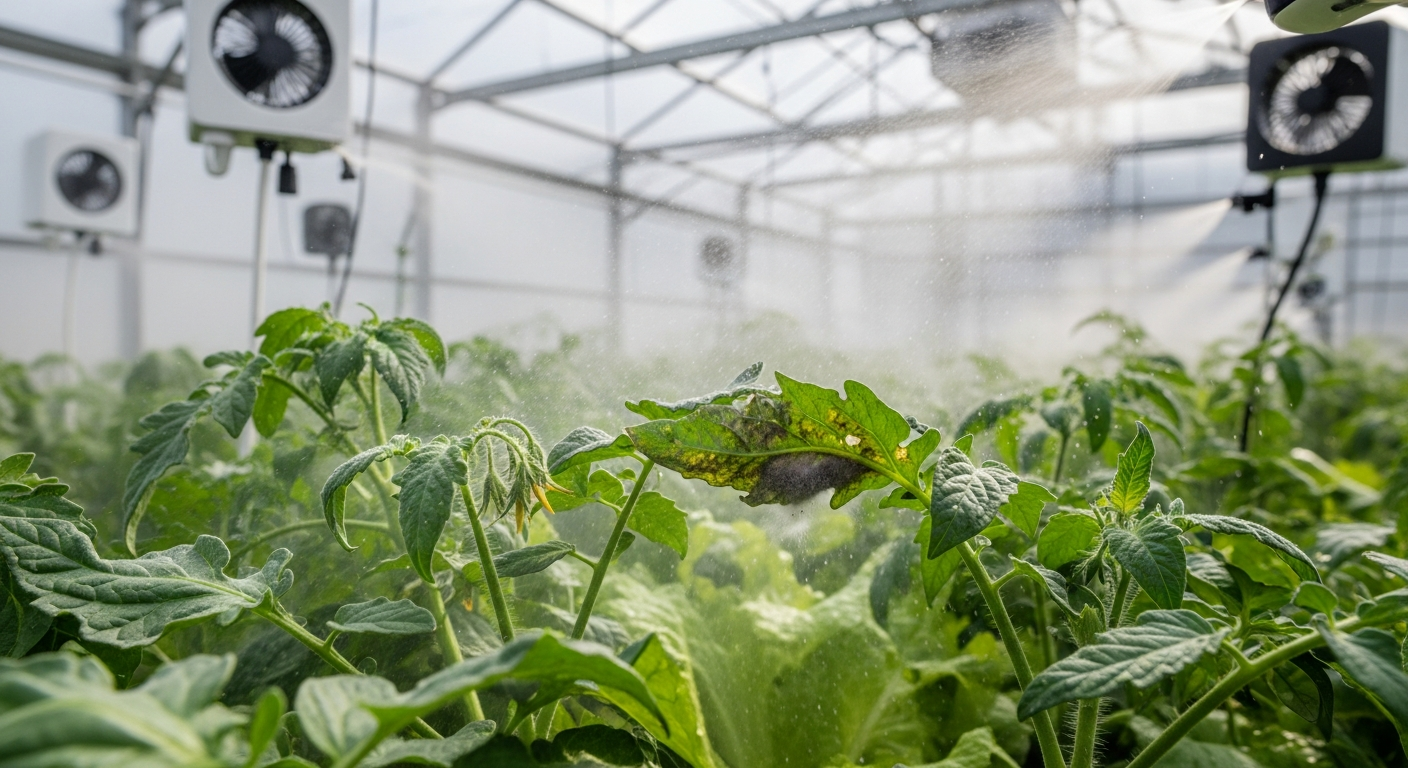
Here’s how high humidity tips the scales against plant health:
- Prolonged Leaf Wetness: Perhaps the most direct impact is the formation of a thin film of water on leaf surfaces, or simply the inability of existing moisture to evaporate. Many fungal spores, such as those of powdery mildew or botrytis, require a period of surface wetness to germinate and infect plant tissues. The longer leaves remain wet, the higher the risk of infection.
- Reduced Transpiration: Plants naturally release water vapor through tiny pores called stomata in a process called transpiration. This process is crucial for nutrient uptake and cooling. In highly humid conditions, the air is already saturated with moisture, making it difficult for plants to transpire efficiently. This can lead to internal water imbalances, nutrient deficiencies, and increased susceptibility to stress, weakening the plant’s natural defenses.
- Favorable Environment for Spore Germination: Fungal and bacterial pathogens have evolved to exploit specific environmental conditions. Most fungal spores, for instance, need adequate moisture on a plant surface to germinate and penetrate the host tissue. High humidity provides exactly this critical moisture, even if there isn’t visible water accumulation.
- Compromised Cuticle Integrity: The plant cuticle, a waxy layer on the epidermis, acts as a primary physical barrier against pathogens. Extremely high, prolonged humidity can sometimes soften or compromise this protective layer, making it easier for pathogens to gain entry.
Common Diseases Thriving in High Humidity
High humidity is a key environmental trigger for a wide array of plant diseases, particularly those caused by fungi and oomycetes (water molds). Recognizing these common culprits is the first step in effective management.
- Powdery Mildew: This ubiquitous fungal disease is easily identified by the tell-tale white, powdery spots that appear on leaves, stems, and flowers. While it can occur in relatively dry conditions, high humidity (especially at night) coupled with poor air circulation creates ideal conditions for its rapid spread. It hinders photosynthesis and can severely stunt growth.
- Downy Mildew: Often confused with powdery mildew, downy mildew presents differently, typically forming purplish-gray fuzzy growth on the underside of leaves, with yellow spots on the upper surface. It thrives in cool, wet, and highly humid environments, making it a significant threat in poorly ventilated greenhouses.
- Botrytis (Gray Mold): One of the most destructive greenhouse diseases, Botrytis cinerea causes a soft, brown rot and distinctive fuzzy gray mold on nearly all parts of the plant, including flowers, fruits, stems, and leaves. It particularly flourishes in high humidity, stagnant air, and cooler temperatures, especially where plant tissues have been wounded or are senescent.
- Damping-Off: A devastating disease for seedlings, damping-off causes young plants to collapse and rot at the soil line, often before they even emerge. Fungi like Pythium and Rhizoctonia are common culprits, and they thrive in overly wet soil conditions exacerbated by high air humidity and poor ventilation.
- Leaf Spot Diseases: A broad category encompassing various fungal and bacterial pathogens, leaf spot diseases manifest as circular or irregular spots of varying colors (brown, black, yellow) on foliage. Many fungal leaf spots, such as those caused by Alternaria or Cercospora, require prolonged leaf wetness to initiate infection and spread.
- Rust Fungi: These diseases produce characteristic rusty-orange, yellow, or brown pustules on leaves and stems. While some rusts prefer drier conditions for spore dispersal, their overall infection cycle is often boosted by periods of high humidity and leaf wetness.
Beyond Humidity: The Critical Role of Airflow and Condensation
It’s not just the absolute percentage of humidity that matters; the dynamics of air movement and temperature also play a crucial role. Stagnant air and temperature fluctuations can amplify the problems associated with high moisture levels.
- Stagnant Air Pockets: Without adequate air circulation, pockets of excessively humid air can form around plant canopies, even if the overall greenhouse humidity is moderately controlled. These microclimates are perfect incubators for fungal spores.
- Condensation: A major culprit in disease proliferation, condensation occurs when warm, moist air comes into contact with cooler surfaces (like greenhouse glazing, support structures, or plant leaves at night). The dew point is reached, and water droplets form. These droplets provide the essential free water that fungal and bacterial spores need to germinate and penetrate plant tissues. Prolonged periods of condensation are a direct invitation for disease.
- Vapor Pressure Deficit (VPD): This often-overlooked metric is critical for plant health. VPD measures the difference between the amount of moisture the air can hold and the amount it actually holds. An optimal VPD allows plants to transpire efficiently, promoting healthy growth and nutrient uptake, while simultaneously preventing excess moisture on leaf surfaces. High humidity leads to a low VPD, which inhibits transpiration and increases disease risk.
Proactive Strategies for Humidity Management
Effective humidity control is a cornerstone of integrated pest and disease management in any greenhouse. Implementing these strategies proactively can dramatically reduce the incidence of fungal and bacterial infections.
- Optimize Ventilation:
- Exhaust Fans: Install and properly size exhaust fans to remove humid air and bring in fresh, drier air from outside.
- Horizontal Air Flow (HAF) Fans: These strategically placed fans circulate air within the greenhouse canopy, preventing stagnant air pockets and equalizing temperature and humidity throughout the space.
- Natural Ventilation: Utilize roof vents and side walls (when external conditions allow) to allow warm, humid air to escape and fresh air to enter.
- Heating and Venting (The “Heat and Vent” Strategy): This technique involves running heaters simultaneously with exhaust fans. The heat raises the air temperature, increasing its capacity to hold moisture. The fans then purge this humid air. This method effectively “dries out” the greenhouse environment, even if it requires a temporary increase in energy use.
- Dehumidifiers: For sealed greenhouses or situations where external air is too humid to be effective for ventilation, commercial dehumidifiers can actively remove moisture from the air.
- Mindful Watering Practices:
- Water in the Morning: This allows any moisture on foliage to evaporate during the day. Avoid overhead watering in the late afternoon or evening.
- Drip Irrigation: Where possible, use drip systems or bottom watering to deliver water directly to the roots, keeping foliage dry.
- Avoid Overwatering: Saturated soil contributes to overall greenhouse humidity and creates an ideal environment for root rot pathogens.
- Proper Plant Spacing and Pruning:
- Adequate Spacing: Ensure sufficient space between plants to allow for good air movement through the canopy. Overcrowding is a recipe for disease.
- Strategic Pruning: Remove lower leaves and dense foliage to improve airflow within the plant canopy and reduce potential hiding spots for moisture and pathogens.
- Temperature Control: Maintain consistent temperatures, especially preventing drastic drops at night, to minimize condensation on plant surfaces.
- Hygrometers and Environmental Controllers: Invest in reliable hygrometers to monitor humidity levels accurately. For larger operations, environmental control systems can automate ventilation, heating, and dehumidification based on set parameters, maintaining an optimal greenhouse climate.
- Cleanliness and Sanitation: Regularly remove diseased plant material, fallen leaves, and debris from the greenhouse floor, as these can harbor spores and pathogens that thrive in humid conditions.
- Cultivar Selection: Whenever possible, choose plant varieties that are known to have genetic resistance or tolerance to common fungal and bacterial diseases.
Early Detection and Intervention
Even with the best preventative measures, vigilance is key. Regular scouting of your plants can help you spot early signs of disease before they become widespread epidemics.
- Daily Inspections: Dedicate time each day to visually inspect your plants, paying close attention to the undersides of leaves, new growth, and areas where air circulation might be poor.
- Look for Symptoms: Watch for any discoloration, spots, wilting, fuzzy growth, or unusual textures on leaves, stems, or flowers. Early signs of disease often appear as small, isolated lesions.
- Act Swiftly: If you identify signs of disease:
- Isolate Affected Plants: If possible, move infected plants away from healthy ones to prevent further spread.
- Improve Conditions: Immediately reassess and adjust your humidity control strategies – increase ventilation, reduce watering, or activate dehumidifiers.
- Remove Infected Material: Carefully prune away diseased leaves, stems, or flowers. Dispose of this material outside the greenhouse to avoid reinfection.
- Consider Treatments: For severe or spreading infections, consider applying appropriate fungicides or bactericides. Always follow product labels carefully and prioritize organic or biological controls if suitable for your plants and growing philosophy.
Conclusion
High humidity in a greenhouse climate is far more than just uncomfortable air; it’s a direct catalyst for myriad plant diseases and rampant fungal growth, threatening the very vitality of your cherished crops. From the invisible film of water that allows fungal spores to germinate, to the silent, suffocating effect it has on plant transpiration, excessive moisture creates a perfect storm for pathogens. By understanding the intricate relationship between humidity and disease, and by proactively implementing comprehensive humidity management strategies – focusing on superior air circulation, strategic heating and venting, proper watering, and meticulous sanitation – you empower yourself to protect your plants. Consistent monitoring and swift action at the first sign of trouble are your best defenses. Mastering humidity control isn’t just a technical skill; it’s an art that ensures the long-term health, productivity, and beauty of your greenhouse ecosystem.