
The vibrant world inside a greenhouse is a delicate ecosystem where every environmental factor plays a crucial role in plant health and growth. Among these, moisture accumulation is a silent, often unseen adversary that can lead to significant problems if not properly managed. From fostering fungal diseases to impeding light transmission and even damaging greenhouse structures, excessive interior moisture, particularly in the form of condensation, can quickly turn your green sanctuary into a challenging environment. While many factors contribute to this phenomenon, one of the most fundamental yet frequently overlooked elements is the choice and properties of your greenhouse glazing. Understanding how different glazing materials impact the build-up of interior moisture is not just about keeping things dry; it’s about creating an optimal, healthy, and productive climate for your plants.
Understanding Interior Moisture Dynamics in Your Greenhouse
Before diving into the specifics of glazing, it’s essential to grasp why moisture accumulates inside a greenhouse. The primary sources of humidity are undeniable: plant transpiration, evaporation from growing media and irrigation, and even plant respiration. As plants release water vapor into the air, the relative humidity inside the enclosed space naturally rises. When this warm, moisture-laden air comes into contact with a cooler surface – such as the interior of your greenhouse glazing – it cools down. If the air temperature drops below its dew point, the water vapor condenses into liquid droplets.
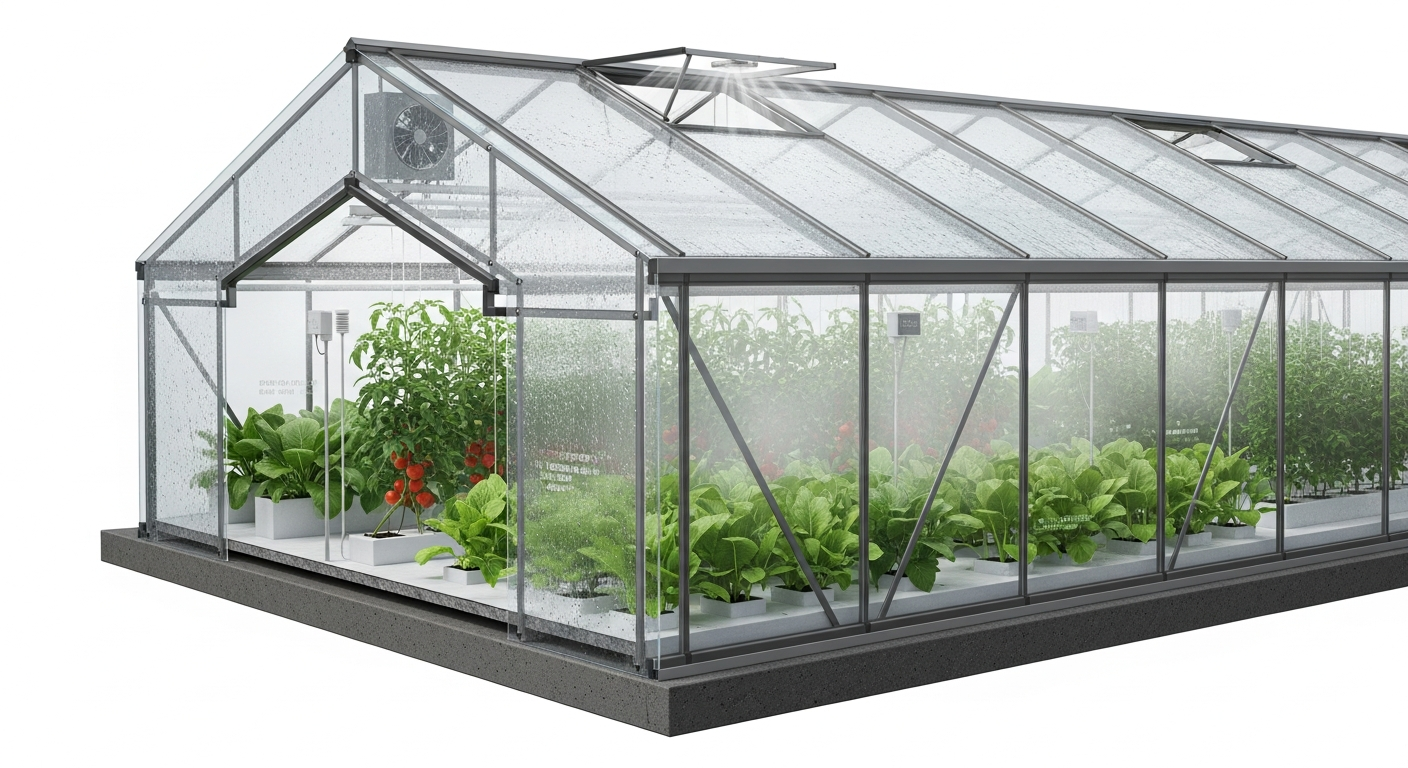
This condensation isn’t just an aesthetic issue; it has tangible negative impacts:
- Disease Propagation: Constant moisture on plant leaves creates an ideal breeding ground for fungal and bacterial diseases like Botrytis (gray mold), powdery mildew, and downy mildew, which can decimate crops.
- Reduced Light Transmission: Water droplets on glazing scatter and absorb light, reducing the amount of crucial light reaching your plants, thereby hindering photosynthesis and growth.
- Water Stains and Drip Damage: Condensed water can drip onto plants, washing away foliar nutrients, creating cold spots, and even damaging delicate seedlings.
- Structural Deterioration: Persistent moisture can accelerate the corrosion of metal frames and the decay of wooden structures, shortening the lifespan of your greenhouse.
- Energy Inefficiency: Wet surfaces transfer heat differently, and the effort to dry out a perpetually damp greenhouse can lead to increased heating costs.
Effectively managing greenhouse humidity control and preventing excessive condensation is paramount for a successful growing operation. And the first line of defense often lies in your choice of glazing.
The Glazing Connection: How Materials Influence Condensation
The type of material you choose for your greenhouse’s outer shell – its glazing – significantly dictates how heat is retained or lost, and consequently, how much condensation forms on its interior surface. This is primarily due to differences in thermal conductivity and insulation value.
Single-Pane Glass
Traditional single-pane glass offers excellent light transmission but very poor thermal insulation. Its interior surface temperature drops quickly in response to cooler outdoor temperatures, often falling below the dew point of the greenhouse air. This makes single-pane glass highly prone to heavy condensation, especially during cold nights. While durable and visually clear, its lack of insulating properties makes it an energy inefficient choice for moisture management in many climates.
Double-Pane Glass and Insulated Glass Units (IGUs)
By creating an air or inert gas gap between two panes of glass, double-pane glass dramatically improves thermal insulation. This insulating layer helps keep the interior glass surface warmer, reducing the likelihood of it reaching the dew point and thus significantly minimizing condensation. While more expensive and heavier, IGUs offer a better balance of light transmission and energy efficiency, making them a superior choice for controlling moisture accumulation compared to single-pane glass.
Polycarbonate Panels (Twin-wall, Multi-wall)
Polycarbonate sheets, particularly twin-wall or multi-wall polycarbonate, are renowned for their excellent thermal insulation properties. The multiple layers and air channels create an effective barrier against heat loss, leading to a warmer interior surface temperature that is less likely to cause condensation. Polycarbonate also offers good light diffusion, which can benefit plant growth by reducing hot spots. Many modern polycarbonate panels also come with factory-applied anti-drip coatings on the interior surface. These coatings alter the surface tension of water, causing condensation to form as a thin, continuous film rather than discrete droplets, which then runs off more easily and causes less light obstruction.
Polyethylene Film
Polyethylene film, a flexible plastic sheeting, is a popular and cost-effective glazing option. Single layers offer minimal insulation and are highly susceptible to condensation. However, using double-layer polyethylene film with an air gap created by inflation (blown air between the two layers) significantly improves insulation and reduces condensation. The air buffer helps maintain a warmer inner surface. Like polycarbonate, some polyethylene films are treated with anti-drip additives to manage condensation, although the effectiveness can diminish over time.
Beyond Material: Glazing Properties and Design for Moisture Control
While the material itself is crucial, several other glazing properties and design considerations play a vital role in preventing interior moisture accumulation:
- Insulation Value (U-value/R-value): This is perhaps the most critical factor. A lower U-value (or higher R-value) indicates better insulation. Glazing with superior insulation will maintain a warmer interior surface, reducing the temperature differential with the moist indoor air and thus preventing condensation. Investing in high R-value glazing is an investment in better humidity control and lower energy bills.
- Anti-Drip Coatings: As mentioned, these specialized coatings are a game-changer for managing condensation on polycarbonate and some polyethylene films. By reducing surface tension, they prevent water droplets from forming, which means less dripping, better light transmission, and reduced risk of disease.
- Emissivity: This refers to a material’s ability to radiate heat. Low-emissivity (Low-E) coatings can be applied to glazing to reduce radiant heat loss, further enhancing thermal performance and keeping the interior surface warmer.
- Glazing Angle and Design: A steeper roof pitch encourages condensed water to run down the glazing more quickly rather than dripping onto plants. Proper sealing around glazing panels is also essential to prevent cold air infiltration, which can exacerbate condensation issues.
Practical Strategies for Glazing-Assisted Moisture Management
Even with the best glazing, a multi-faceted approach is necessary to achieve optimal greenhouse environment control. Here are some practical tips that leverage your glazing choice and other climate control strategies:
- Prioritize Ventilation: This is the most effective method for controlling humidity.
- Natural Ventilation: Utilize roof vents and side vents to allow warm, moist air to escape and fresh, drier air to enter. Opening vents even slightly during colder periods can significantly reduce condensation without excessive heat loss.
- Forced Ventilation: Install exhaust fans and intake shutters to create a controlled airflow, ensuring constant air exchange. Timers and humidistats can automate this process.
- Ensure Adequate Air Circulation: Install Horizontal Air Flow (HAF) fans within the greenhouse. These fans don’t exchange air with the outside but rather gently move air internally, breaking up stagnant pockets near the glazing and helping to equalize temperatures. This constant movement prevents moisture-laden air from settling and condensing on cooler surfaces.
- Strategic Heating: While often associated with temperature control, heating also plays a crucial role in moisture management. Slightly raising the ambient air temperature, especially during the evening transition from day to night, can help keep the glazing surface temperature above the dew point, preventing condensation. Using radiant heaters can also directly warm surfaces.
- Watering Practices: Adjust your watering schedule to avoid watering late in the day, allowing plants and growing media to dry out before nightfall. Consider drip irrigation systems to reduce evaporation from surfaces.
- Monitor and Adjust: Invest in a good thermometer and hygrometer (or a combined weather station) to continuously monitor interior temperature and relative humidity. Understanding your greenhouse’s microclimate allows for timely adjustments to ventilation and heating systems.
- Maintain Glazing Cleanliness: Keep your glazing clean, both inside and out. Dirt, dust, and algae on the exterior reduce light transmission, requiring more heating to maintain plant temperatures. On the interior, any build-up can trap moisture and impede the function of anti-drip coatings.
Conclusion
The choice of greenhouse glazing is a foundational decision that profoundly influences interior moisture accumulation and, by extension, the overall health and productivity of your plants. From the poor insulation of single-pane glass to the advanced thermal performance and anti-drip properties of multi-wall polycarbonate, each material presents a unique profile for managing condensation. However, glazing is just one piece of the puzzle. An integrated approach that combines optimal glazing with effective ventilation, strategic heating, efficient air circulation, and smart watering practices is essential for creating a truly controlled and thriving greenhouse environment. By paying close attention to these factors, you can effectively minimize interior moisture, prevent diseases, maximize light, and ensure your “Greenhouse Climates” nurtures robust, healthy growth year-round.