
Optimizing your greenhouse environment is a delicate dance between light, temperature, and humidity. While many greenhouse growers understand the fundamental need for shading, fewer grasp the critical importance of when to apply and remove it. Strategic timing of greenhouse shading isn’t just about preventing sunburn; it’s about maximizing photosynthesis, mitigating heat stress, and ensuring the robust health of your plants throughout their growth cycles. This article will delve into the nuances of timing your shading applications and removals to cultivate the perfect climate for your botanical residents.
The Science Behind Greenhouse Shading and Climate Control
Before we discuss timing, it’s essential to understand why greenhouse shading is such a vital component of effective climate control. Shading primarily serves to reduce the amount of solar radiation entering the greenhouse. This has several profound effects:
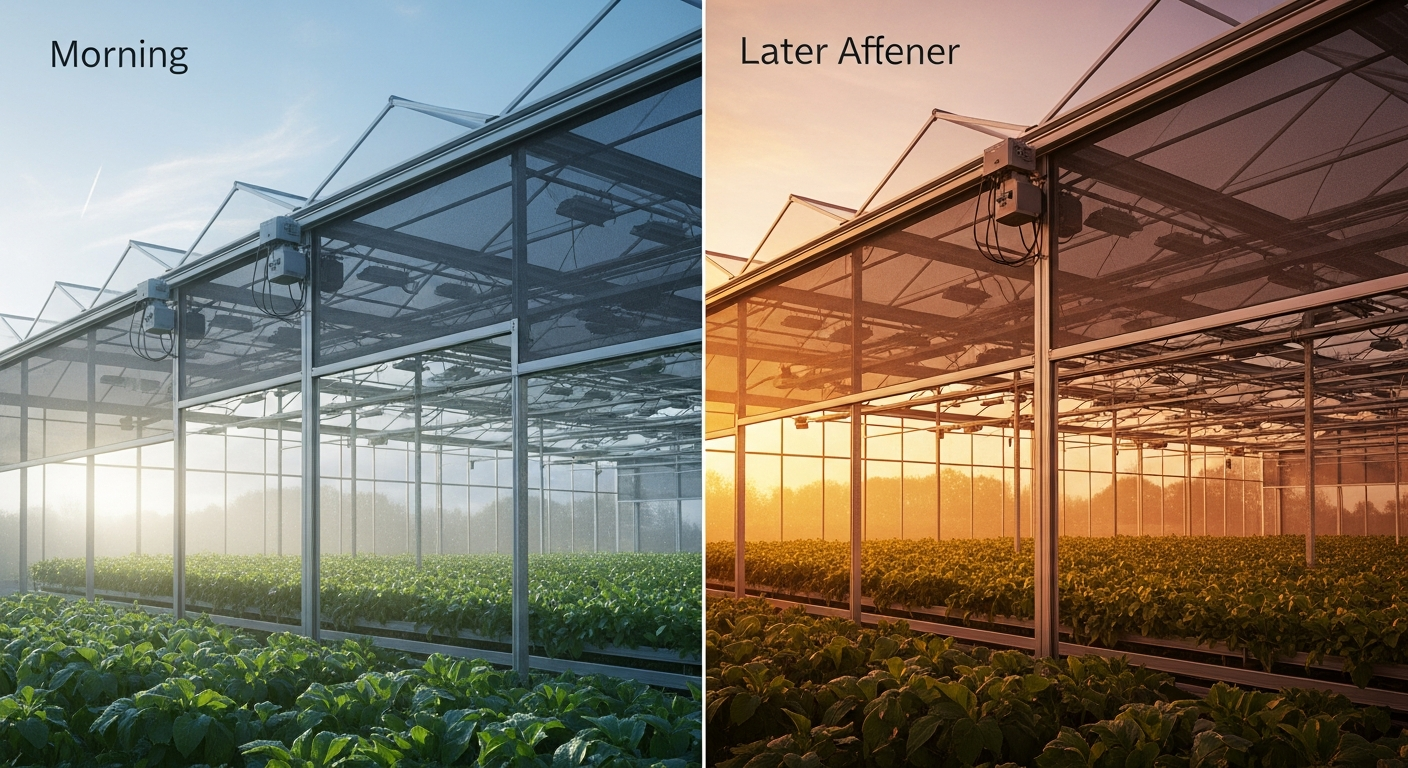
- Temperature Regulation: Direct, intense sunlight can quickly superheat a greenhouse, leading to dangerously high temperatures that stress plants, inhibit growth, and can even cause permanent damage. Shading helps to keep internal temperatures within an optimal range, reducing the reliance on active cooling systems like fans and evaporative coolers.
- Light Intensity Management: While light is crucial for photosynthesis, too much direct light, especially during peak hours, can be detrimental. Excessive light can cause photoinhibition (damage to photosynthetic machinery), bleaching, or scorching of leaves. Shading modulates light intensity, ensuring plants receive adequate, but not excessive, photosynthetically active radiation (PAR).
- Reducing Water Stress: High temperatures and intense light increase transpiration rates, meaning plants lose water more rapidly through their leaves. Shading helps lower both temperature and light intensity, thereby reducing the demand for water and lessening the risk of dehydration and wilting.
- Protecting Delicate Plants: Seedlings, young plants, and certain sensitive species are particularly vulnerable to strong sunlight. Shading provides the necessary protection, allowing them to establish and grow without undue stress.
Various shading methods exist, from fixed shade cloths with specific percentages (e.g., 30%, 50%, 70%) to retractable shade systems, liquid shading paints, or even internal shade screens. The type of shading often influences the ease and precision of application and removal, but the principles of timing remain consistent.
Applying Greenhouse Shading: Finding the Morning Sweet Spot
The decision of when to apply greenhouse shading in the morning is a critical one. Apply it too early, and you deprive your plants of valuable morning light necessary for kickstarting photosynthesis. Apply it too late, and you risk exposing them to damaging peak sun intensity and rapidly rising temperatures.
Key Considerations for Morning Application:
- Sunrise and Ambient Conditions: Plants benefit greatly from the softer, cooler light of the early morning. This period allows them to begin photosynthesis without the threat of overheating. As such, generally avoid applying shade immediately at sunrise.
- Temperature Forecast: Monitor the daily weather forecast closely. On days predicted to be hot and sunny with high UV index, you’ll need to apply shading earlier than on cooler, overcast days.
- Sun Angle and Intensity: Pay attention to when the sun’s angle starts to become direct and its intensity begins to significantly elevate internal greenhouse temperatures. This often occurs mid-morning, typically between 9:00 AM and 11:00 AM, depending on your geographic location, season, and the orientation of your greenhouse.
- Plant Species and Stage:
- Heat-Sensitive Plants: For crops like lettuce, cool-season herbs, or delicate orchids, you might err on the side of earlier application, perhaps when temperatures inside begin to climb past 75°F (24°C).
- Sun-Loving Plants: Tomatoes, peppers, and other sun-worshipping plants can handle more direct morning sun, so shading can be delayed until temperatures approach their upper comfort limits, often 80-85°F (27-29°C).
- Seedlings & Cuttings: These vulnerable plants require consistent protection and may need shading applied earlier or even kept on for longer periods during intense sun.
- Monitoring Equipment: Utilize tools like greenhouse thermometers, humidity sensors, and even PAR (Photosynthetically Active Radiation) meters. A PAR meter can tell you precisely when light levels are becoming too high for your specific crops, guiding your shading decisions with scientific accuracy.
Practical Tip: A good general rule of thumb for manual shading systems is to apply shade once the interior greenhouse temperature consistently reaches 5-10°F (3-5°C) below your desired maximum daytime temperature, or when the sun’s intensity starts to feel uncomfortably strong on your skin inside the greenhouse. For automated systems, set temperature and/or light thresholds that trigger the shade deployment.
Removing Greenhouse Shading: Maximizing Evening Light and Cooling
Just as important as applying shade at the right time is removing it strategically. Leaving shade on too long can hinder plant growth, reduce yields, and prevent proper cooling of the greenhouse environment for the night.
Key Considerations for Evening Removal:
- Evening Light Utilization: As the sun begins its descent in the late afternoon, its intensity naturally wanes. This period of gentler, indirect light is still highly beneficial for photosynthesis without the risk of heat stress. Removing shade allows plants to absorb this valuable light, extending their photosynthetic activity for the day.
- Preventing Etiolation: Prolonged shading, especially into the late afternoon and evening, can lead to etiolation – a condition where plants stretch and become leggy as they search for more light. Removing shade ensures they receive sufficient light exposure throughout the day.
- Facilitating Cooling: Removing shade in the late afternoon allows the greenhouse structure and its contents to radiate accumulated heat more effectively into the cooler evening air. This passive cooling helps bring down overnight temperatures, which is crucial for many crops that require a temperature differential between day and night.
- Humidity Management: While shading can help maintain humidity, removing it later in the day, combined with ventilation, can help reduce excess humidity before nightfall, minimizing the risk of fungal diseases.
Practical Tip: Aim to remove shading once the peak direct sunlight has passed your greenhouse, typically between 3:00 PM and 5:00 PM, or when the internal temperature starts to naturally drop below your upper threshold. Observe the external light conditions – if the sky is clear but the sun is low and no longer directly striking your plants with full intensity, it’s likely a good time to retract your shading. On overcast days where temperatures remain moderate, you might even consider not applying full shading at all, or removing it earlier.
Fine-Tuning Your Shading Strategy for Optimal Plant Health
Mastering the art of greenhouse shading timing requires observation, adjustment, and an understanding of your specific greenhouse and its inhabitants. Here are some advanced tips for continuous optimization:
- Seasonal Adjustments: The sun’s intensity and angle change dramatically with the seasons. Summer will naturally require earlier application and later removal of shade compared to spring or fall. In some northern climates, full shading might only be necessary during the peak summer months.
- Regional Climates: A greenhouse in Arizona will have vastly different shading needs than one in Seattle. Understand your local climate, average solar radiation, and typical temperature fluctuations.
- Integrate with Ventilation: Shading is most effective when used in conjunction with a robust ventilation strategy. Shade reduces heat gain, but active ventilation (fans) and passive ventilation (vents, louvers) are still crucial for moving air and expelling any trapped heat. Sometimes, increased ventilation can delay the need for shade application.
- Gradual Transitions: If you have an automated retractable shade system, consider programming it for gradual transitions. Instead of instant deployment or retraction, a slow opening or closing can help plants adapt more smoothly to changing light conditions.
- Observe Your Plants: Your plants are your best indicators. Look for signs of stress: wilting, bleached leaves, or stunted growth might indicate insufficient or improperly timed shading. Leggy, pale growth could signal too much shading. Learn to read their cues.
Conclusion
Strategic timing of greenhouse shading is a cornerstone of effective greenhouse climate control and ultimately, thriving plants. By understanding when to apply and remove shading, you can create an environment that minimizes stress, maximizes photosynthetic efficiency, and supports vigorous growth. Remember, there’s no single perfect schedule; rather, it’s about paying close attention to your plants, monitoring your greenhouse environment, and adapting your shading strategy to the daily and seasonal shifts in solar intensity and temperature. With careful observation and timely adjustments, you’ll be well on your way to mastering the art of greenhouse climate management and ensuring your plants always bask in ideal conditions.