
Imagine stepping out of a refreshing shower, only to find your bathroom mirror or shower screen completely fogged up, obscuring your reflection and hindering your morning routine. Or consider a greenhouse where condensation drips constantly from the ceiling, potentially damaging delicate plants and reducing vital light transmission. These frustrating scenarios are all too common in spaces featuring modern glazing surfaces, but thankfully, a sophisticated solution exists: anti-drip coatings. These innovative treatments are revolutionizing how we interact with glass, offering a suite of benefits that extend far beyond simple aesthetics.
In this comprehensive guide, we’ll delve into the fascinating world of anti-drip coatings, exploring their ingenious mechanism, the myriad advantages they offer, and how they are enhancing clarity, improving safety, and reducing maintenance across various applications. Get ready to discover how this cutting-edge technology is transforming glazing surfaces from mere barriers into clear, high-performing components of our homes and industries.
Understanding Anti-Drip Coatings: The Science of Clarity
To truly appreciate the advantages of anti-drip coatings, it’s essential to understand how they work. The core problem they address is the formation of water droplets, particularly from condensation, on glass surfaces. When warm, moist air meets a cooler surface like glass, the water vapor in the air cools and condenses into tiny liquid droplets. These droplets scatter light, creating the familiar foggy or obscured effect that hinders visibility.
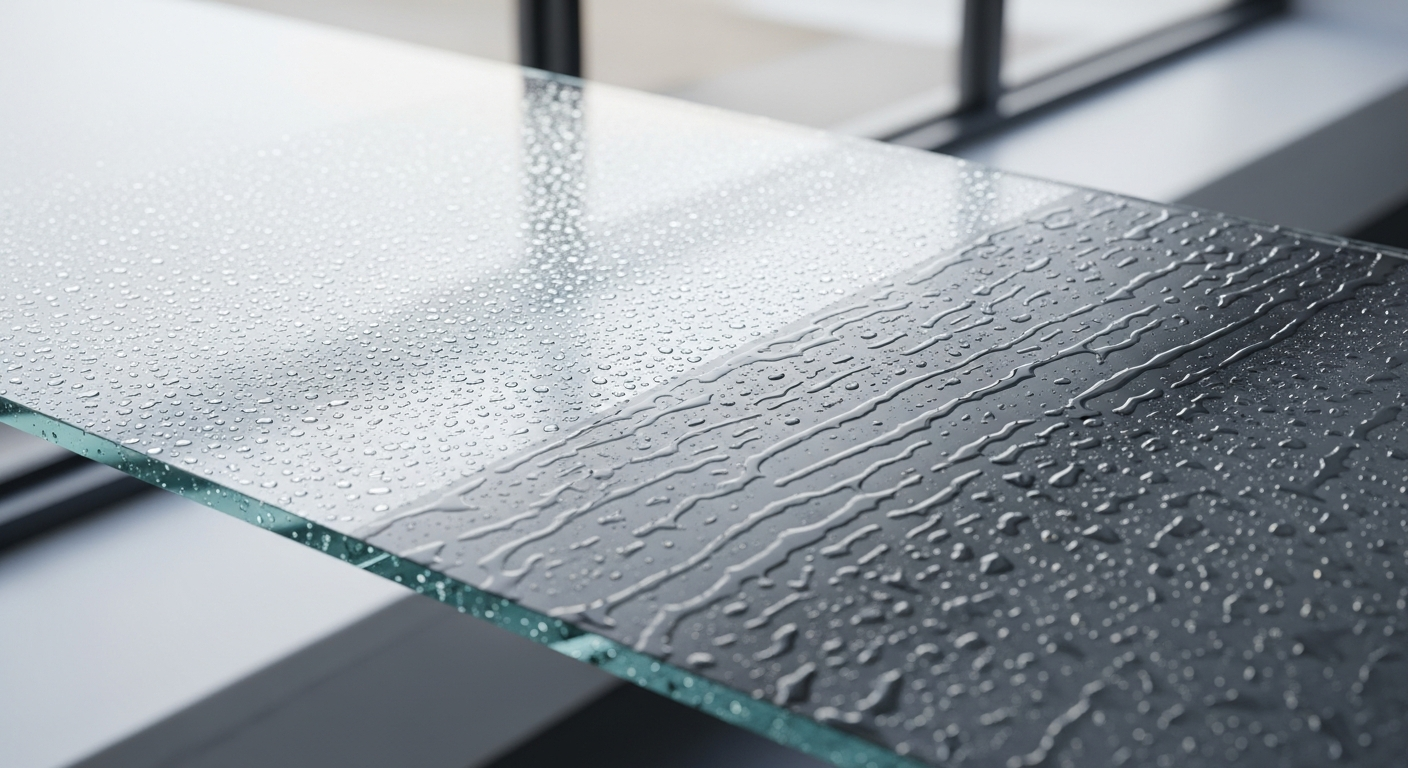
Traditional glass surfaces are inherently somewhat hydrophobic, meaning they tend to repel water. This causes water to bead up into distinct droplets. Anti-drip coatings, however, are designed to make the glass surface hydrophilic – meaning “water-loving.” When applied, these advanced coatings alter the surface tension of the glass. Instead of allowing water to form individual droplets, the coating encourages water to spread out evenly, forming a thin, uniform, and virtually invisible film. This film doesn’t scatter light in the same way droplets do, thereby maintaining crystal-clear transparency.
The mechanism behind this transformation typically involves a microscopic texture or a chemical composition that attracts water molecules. This prevents the water from forming contact angles that result in spherical droplets. Instead, the water is ‘sheeted’ across the surface, allowing for uninterrupted light transmission and exceptional visual clarity, even in high-humidity environments.
The Distinction: Anti-Drip vs. Hydrophobic Coatings
It’s important to differentiate anti-drip (hydrophilic) coatings from hydrophobic coatings. While both modify the glass surface, their goals and mechanisms are distinct:
- Hydrophobic Coatings: These coatings repel water, causing it to bead up and roll off the surface very easily. They are excellent for “self-cleaning” effects during rain, as the rolling water carries dirt away. However, in high-humidity, low-airflow environments (like a steamy bathroom), these beads can still coalesce into larger droplets that obscure vision until they fully run off.
- Anti-Drip (Hydrophilic) Coatings: These coatings attract water, causing it to spread into an even film. They are specifically designed to combat the visual obstruction caused by condensation droplets, ensuring maximum clarity even when the glass is wet.
For applications where maintaining perfect visibility through a condensed or wet surface is paramount, anti-drip coatings are the superior choice.
The Paramount Benefit: Unparalleled Clarity and Optical Performance
The most immediate and impactful benefit of anti-drip coatings is the dramatic improvement in clarity and optical performance, especially under challenging conditions. This translates into tangible advantages across a multitude of settings:
- Eliminating Condensation Obstruction: This is the primary function. In bathrooms, kitchens, refrigerated display cases, and industrial settings, anti-drip coatings keep surfaces like mirrors, shower screens, windows, and display fronts crystal clear, even when humidity levels are high. No more waiting for the mirror to defog or wiping down surfaces.
- Enhanced Light Transmission: For environments where light is critical, such as greenhouses and solar panels, anti-drip coatings prevent water droplets from forming. Droplets can refract and scatter sunlight, reducing the amount of light reaching plants or photovoltaic cells. By maintaining a clear film, anti-drip surfaces ensure optimal light penetration, potentially boosting plant growth or energy generation efficiency.
- Improved Safety: In applications like vehicle windows (especially rear windows or side mirrors that might be treated), marine glazing, or safety glasses in humid industrial environments, clear visibility is non-negotiable. Anti-drip coatings contribute significantly to safety by ensuring an unobstructed view, reducing the risk of accidents caused by obscured vision.
- Aesthetic Appeal: From a purely visual standpoint, clear, streak-free glass simply looks better. Anti-drip treated windows and glass features contribute to a cleaner, more sophisticated aesthetic in homes, commercial buildings, and retail spaces. The constant battle against fogged-up glass becomes a thing of the past.
- Better Product Presentation: For retail display cases, especially those with refrigeration (e.g., deli counters, floral displays), anti-drip coatings keep the glass clear, allowing customers to easily view products without condensation getting in the way. This enhances the customer experience and can drive sales.
In essence, anti-drip coatings transform glass from a potential visual barrier into a consistently clear portal, enhancing functionality and user experience.
Beyond Visibility: Maintenance, Durability, and Energy Efficiency
While enhanced clarity is the headline benefit, anti-drip coatings offer a wealth of secondary advantages that contribute to the longevity of glazing, reduce maintenance burdens, and can even improve energy efficiency:
- Reduced Cleaning Frequency and Effort: Because water spreads evenly and dries more quickly and uniformly, anti-drip surfaces are less prone to water spotting and streaking, which are typically caused by uneven drying of droplets that leave mineral residues. This means less frequent cleaning and when cleaning is necessary, it’s often quicker and easier.
- Prevention of Mineral Deposits and Staining: Hard water contains minerals like calcium and magnesium. When water droplets evaporate, these minerals are left behind, forming unsightly spots, stains, and even etching over time. By promoting a uniform water film that dries without leaving concentrated residues, anti-drip coatings significantly reduce the accumulation of mineral deposits, preserving the pristine look and structural integrity of the glass.
- Extended Lifespan of Glazing Surfaces: The protective layer provided by anti-drip coatings, coupled with reduced chemical cleaning and mineral buildup, can contribute to the extended lifespan of the glazing. It acts as a barrier against environmental degradation and harsh water conditions, maintaining the glass’s optical properties over a longer period.
- Potential for Improved Energy Efficiency: In applications like greenhouses, optimized light transmission means plants receive more natural light, potentially reducing the need for artificial grow lights. For residential and commercial buildings, clearer windows allow more natural daylight penetration, which can decrease reliance on electric lighting during the day. In the case of solar panels, maintaining maximum transparency ensures that the panels can absorb sunlight more effectively, leading to higher energy yields.
- Enhanced Hygiene: In medical environments or food preparation areas where glass partitions or displays are used, the smoother, more uniform surface created by anti-drip coatings can be easier to clean and sterilize, potentially harboring fewer bacteria than a surface with numerous microscopic water droplet residues.
These coatings offer a compelling long-term value proposition by not only improving immediate visibility but also by contributing to significant savings in labor, cleaning supplies, and potentially energy costs.
Real-World Applications and Practical Considerations
The versatility of anti-drip coatings means they are being adopted across a broad spectrum of industries and domestic settings. Understanding where and how they are most effectively applied can help you determine if this technology is right for your needs.
Common Applications:
- Residential:
- Bathrooms: Shower screens, mirrors, and glass shower enclosures benefit immensely from preventing fogging and water spots.
- Kitchens: Glass backsplashes, appliance fronts, and interior cabinet doors can stay clearer, even in steamy environments.
- Conservatories & Sunrooms: Prevents interior condensation from obscuring views and encourages healthier plant life.
- Commercial:
- Retail Displays: Refrigerated food displays, bakery cases, and store windows remain clear for optimal product visibility.
- Restaurants & Cafes: Glass partitions, sneeze guards, and display cabinets maintain a clean and appealing look.
- Public Transport: Train windows, bus windows, and even aircraft windows can utilize anti-drip technology for improved passenger visibility and safety.
- Industrial & Specialized:
- Greenhouses: Crucial for maximizing light transmission to plants and preventing water drip damage.
- Solar Panels: Improves efficiency by ensuring maximum light absorption, especially in humid or cold climates where condensation forms.
- Automotive: Certain car windows, mirrors, or even specialized headlamps can incorporate these coatings for enhanced safety.
- Optical Devices: Lenses for cameras, microscopes, or other precise instruments can benefit from anti-drip properties to maintain performance.
Choosing and Maintaining Anti-Drip Surfaces:
When considering anti-drip coatings, there are a few practical aspects to keep in mind:
Application Method: Anti-drip coatings can be factory-applied during the manufacturing process of new glazing units, or they can be applied as an aftermarket treatment. Factory-applied coatings often offer superior durability and integration, while aftermarket options provide flexibility for existing installations. Some DIY kits are available for smaller surfaces like shower screens or mirrors, but for larger or critical applications, professional application is often recommended for best results and longevity.
Lifespan and Reapplication: The durability of anti-drip coatings varies depending on the specific product, environmental exposure, and cleaning routines. Some coatings can last for years, while others may require reapplication periodically. Always check the manufacturer’s specifications for expected lifespan and reapplication guidelines.
Maintenance Tips for Coated Surfaces:
- Use Mild Cleaners: Avoid harsh, abrasive cleaners, scouring pads, or brushes that can damage or strip the coating. Opt for a soft cloth and a gentle, non-abrasive glass cleaner or simply warm water.
- Rinse Thoroughly: After cleaning, rinse the surface thoroughly to remove any cleaning solution residue, which can interfere with the coating’s effectiveness.
- Avoid Waxes and Sealants: Do not apply other waxes, sealants, or water repellents on top of an anti-drip coating, as this can counteract its hydrophilic properties.
- Regular Cleaning: While anti-drip coatings reduce the frequency of intense cleaning, regular gentle cleaning will help maintain their effectiveness and keep the glass sparkling.
Conclusion
Anti-drip coatings represent a significant advancement in glazing technology, offering a robust and elegant solution to the perennial problem of condensation and obscured visibility. By transforming glass surfaces to be hydrophilic, these coatings ensure unparalleled clarity, allowing for continuous, crystal-clear views even in the most humid or challenging environments. The benefits extend beyond immediate visual improvements, contributing to reduced maintenance, prevention of mineral buildup, extended glass lifespan, and even improved energy efficiency in various applications.
From the comfort of a fog-free bathroom mirror to the critical light transmission in a greenhouse or the enhanced safety on public transport, anti-drip coatings are quietly elevating the performance and user experience of modern glazing surfaces. As we continue to seek smarter, more efficient, and aesthetically pleasing solutions for our built environments, the role of anti-drip technology is set to become even more indispensable, promising a future where clarity is always within sight.