
In the dynamic world of indoor horticulture, achieving optimal plant growth and maximizing yields hinges on a delicate balance of environmental factors. Among these, lighting stands paramount. While powerful grow lights provide the essential energy for photosynthesis, their inherent intensity can create challenges related to uneven coverage and excessive heat. Enter the light mover – a seemingly simple device that can revolutionize your grow space. Far from just a novelty, a well-optimized light mover setup is a strategic tool for enhancing light distribution, eliminating detrimental hot spots, and ultimately fostering healthier, more productive plants. This comprehensive guide will delve into the intricacies of optimizing your light mover system, transforming your cultivation environment into a haven of uniform growth and efficient resource utilization.
The Core Benefits of Light Movers
Understanding the fundamental advantages of integrating light movers into your grow room setup is the first step toward appreciating their full potential. These devices address critical issues often faced by static lighting systems, leading to a host of improvements in plant health and yield.
Maximizing Light Footprint and Coverage
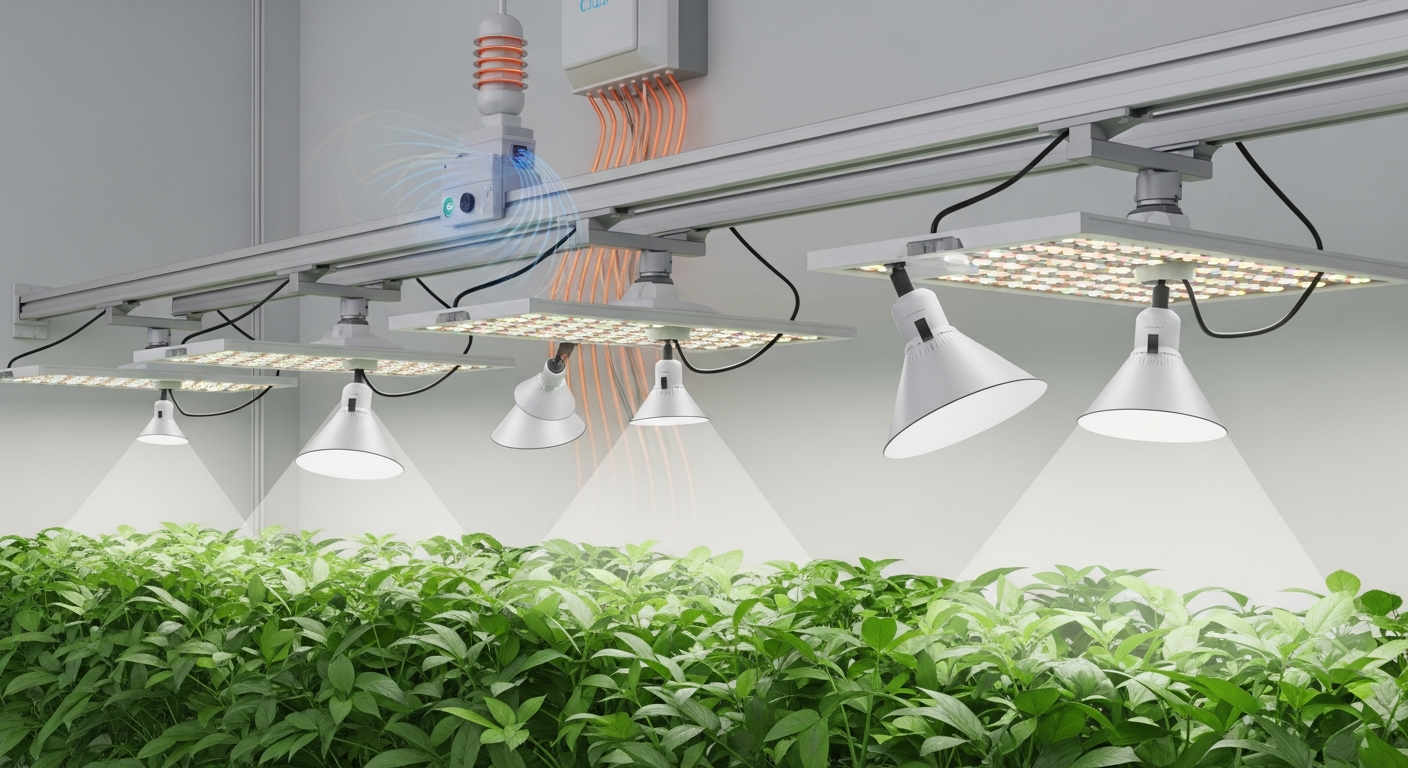
One of the primary benefits of a light mover is its ability to significantly expand the effective light footprint of your existing grow lights. A static light illuminates a fixed area, creating a circular or square intensity pattern that diminishes towards the edges. By moving the light source back and forth, the light mover stretches this footprint, covering a much larger area with sufficient intensity. This means you can achieve even light distribution across more plants or a larger cultivation area, often requiring fewer high-wattage fixtures.
Eliminating Hot Spots and Plant Stress
Static grow lights, especially powerful HID (High-Intensity Discharge) lamps, generate considerable heat. When fixed in one position, this heat concentrates directly beneath the fixture, creating “hot spots” where plants can suffer from heat stress, bleached leaves, stunted growth, and even permanent damage. Light movers continuously shift the heat source, preventing prolonged exposure to any single plant or area. This dynamic movement ensures that the intense light and heat are distributed evenly, significantly reducing the risk of heat stress and creating a more comfortable environment for your plants to thrive.
Boosting Canopy Penetration and Uniform Growth
Beyond surface-level illumination, effective light penetration into the lower canopy is crucial for developing robust plants and maximizing yield. Static lights often struggle to penetrate dense foliage, leaving lower leaves and budding sites underdeveloped. As a light mover sweeps across the canopy, the angle of incidence changes, allowing light to penetrate deeper into the plant structure from various directions. This enhanced canopy penetration promotes more uniform growth throughout the plant, encouraging the development of secondary budding sites and overall healthier plant architecture. The result is typically a noticeable increase in overall yield and quality, as more parts of the plant receive adequate light for photosynthesis.
Strategic Light Mover Setup for Optimal Coverage
Achieving the best results with a light mover requires more than just plugging it in. Strategic planning and meticulous setup are crucial for maximizing its benefits. Consider these factors when designing your system.
Choosing the Right Mover and Rail Length
The market offers various types of light movers, from simple linear movers to more complex designs. Select a mover that matches the size and layout of your grow area. The rail length is paramount; it should allow your light fixture to travel across the entire width or length of your grow space, ensuring full coverage. A common mistake is using a rail that is too short, leading to insufficient coverage at the edges. Measure your grow area carefully and err on the side of a slightly longer rail if necessary.
- Practical Tip: For a rectangular grow space, position the mover along the longer dimension to maximize sweep distance. For square spaces, diagonal movement with specialized movers can be even more effective.
Reflector Choice and Positioning
The type of reflector you pair with your grow light significantly impacts light spread and intensity. Open-ended reflectors provide a broad but less intense spread, while air-cooled or enclosed reflectors offer more focused intensity. When using a light mover, an open-ended or wide-angle reflector is often more beneficial as it helps to blend the light from multiple passes, contributing to a more uniform light footprint. Ensure your reflector is clean and free of dust, as a dirty surface can drastically reduce light output.
- Practical Tip: Experiment with different reflector types if possible. A wider spread reflector often works better with movers to achieve truly even distribution.
Adjusting Speed and Cycle Times
The speed at which your light mover travels is a critical adjustment. Moving too fast can lead to a “strobe” effect, where plants experience rapid changes in light intensity, which can be stressful. Moving too slow might negate some of the heat dispersion benefits and create areas of prolonged intensity. The ideal speed creates a gentle, continuous sweep, allowing plants to absorb light steadily. Many light movers offer adjustable speed settings.
- Practical Tip: Start with a moderate speed setting and observe your plants. Look for signs of even growth and no visible stress from light fluctuation. Adjust gradually until you find the sweet spot for your specific grow light and plant type. Some growers prefer slightly slower speeds during vegetative growth and marginally faster speeds during flowering to maximize overall DLI (Daily Light Integral).
Multi-Light Setups and Synchronization
For larger grow areas, you might employ multiple light fixtures on light movers. Synchronization is key here. You can either use independent movers for each light, staggered to cover different zones, or use a system that allows multiple lights to move in sync on a single or interconnected rail system. Careful planning ensures there are no dark spots or overlapping areas of excessive intensity. Consider the spacing between lights on the mover to ensure their footprints blend effectively.
- Practical Tip: If using multiple independent movers, set them to slightly different speeds or start times to prevent them from moving in perfect unison, which could create a less uniform effect. Staggering their movement helps smooth out the overall light delivery.
Mastering Heat Management with Light Movers
While light movers inherently assist with heat dispersion, a holistic approach to heat management is essential for a truly optimized grow environment.
Understanding Heat Distribution
Even with a light mover, understanding how heat dissipates from your fixtures is crucial. HID lights emit a significant amount of radiant heat. LED fixtures, while generally cooler to the touch, still generate heat that needs to be managed to maintain their efficiency and lifespan. The movement of the light source prevents heat from concentrating directly over a specific plant, but the overall heat load in the grow room remains.
Ventilation and Air Circulation Synergy
Light movers work best in conjunction with robust ventilation and air circulation systems. Exhaust fans remove hot air from the grow space, while intake fans bring in fresh, cooler air. Oscillating fans within the canopy help move air around the plants, preventing pockets of stagnant hot air and strengthening plant stems. The combined effect of moving lights and circulating air ensures that heat is not only dispersed but also effectively removed from the growing environment.
- Practical Tip: Position oscillating fans to gently blow across the top of the canopy, helping to dissipate heat directly from the light path and ensuring air movement even as the light fixture moves overhead.
Light Mover Height and Plant Distance
The distance between your grow light and the plant canopy remains a critical factor, even with a light mover. While the mover mitigates hot spots, placing the light too close can still cause stress, especially during the apex of its sweep. Conversely, placing it too high reduces light intensity. The light mover allows you to potentially lower your lights slightly compared to a static setup, as the constant movement reduces the duration of direct high-intensity exposure. However, careful observation of your plants for signs of light burn or stress is always recommended.
- Practical Tip: Start with the manufacturer’s recommended distance for your specific grow light, then gradually lower the fixture while observing your plants daily. The ability of the light mover to dissipate heat allows for more flexibility in light height, often enabling closer positioning for higher PAR readings without the risk of burning.
Integrating Environmental Controls
For ultimate heat management, integrate your light mover setup with automated environmental controls. Thermostats, hygrometers, and CO2 monitors can be linked to your ventilation, heating, and cooling systems. This allows for precise control over temperature and humidity, creating a consistently ideal climate for your plants, regardless of the light mover’s position.
- Practical Tip: Invest in a good environmental controller that can manage multiple aspects of your grow room. This not only optimizes conditions but also provides valuable data for fine-tuning your setup over time.
Advanced Tips for Peak Performance and Efficiency
Once your basic light mover setup is optimized, consider these advanced strategies to push your grow to its limits and ensure long-term efficiency.
Monitoring and Adjustment
Never set and forget. Regularly monitor your plants for any signs of stress, uneven growth, or nutrient deficiencies that might be linked to lighting issues. Use a PAR meter (Photosynthetically Active Radiation) if possible, to map the light intensity across your entire grow area, both with and without the light mover in motion. This provides valuable data for fine-tuning speed, height, and sweep patterns.
- Practical Tip: Take pictures of your plants regularly from the same angle. This helps you visually track growth patterns and identify any inconsistencies over time. Consider dividing your grow area into zones and regularly checking plant health in each zone.
Maintenance and Longevity
Light movers are mechanical devices and require occasional maintenance to ensure smooth, consistent operation. Regularly clean the rail and rollers, lubricate moving parts according to the manufacturer’s instructions, and check for any signs of wear or damage. A well-maintained light mover will operate reliably for years, protecting your investment and ensuring consistent light delivery.
- Practical Tip: Keep the area around the light mover clean to prevent dust and debris from accumulating on the rail and motor, which can cause friction and wear.
Combining with Supplemental Lighting
In some advanced setups, growers combine moving primary lights with static supplemental lighting (e.g., LED bars for specific spectrums or side lighting). The light mover handles the bulk of the intense primary illumination, while supplemental lights fill in gaps or target specific areas or growth stages. This sophisticated approach can further optimize light quality and coverage, leading to truly exceptional results.
- Practical Tip: If using supplemental lighting, ensure it complements the moving light, rather than creating new hot spots or shadows. Consider using lower-intensity LEDs for side lighting to target lower canopy without adding excessive heat.
Optimizing your light mover setup is a journey of continuous learning and refinement, but the rewards are significant. By mastering light coverage, managing heat, and paying close attention to your plants’ needs, you can unlock unparalleled growth potential, achieve higher yields, and cultivate healthier, more resilient plants. A properly configured light mover isn’t just an accessory; it’s a cornerstone of modern, efficient indoor gardening, transforming your grow space into an environment where every plant thrives under perfectly distributed light.