
In an era defined by fluctuating energy costs and an undeniable push towards environmental stewardship, the conversation around energy consumption has never been more critical. For businesses, facility managers, and even homeowners, understanding and controlling energy usage is paramount to both financial health and ecological responsibility. While traditional lighting merely illuminates a space, a new generation of technology is transforming how we interact with and monitor our illumination infrastructure. Enter smart lighting controllers, sophisticated systems that move beyond simple on/off functionality to offer profound insights into energy consumption, paving the way for unprecedented efficiency and significant cost savings.
This article delves into how these intelligent systems are revolutionizing energy management, offering a powerful toolkit for comprehensive energy consumption monitoring. We’ll explore the technology behind these innovations, the tangible benefits they deliver, and practical steps for leveraging them to build a more sustainable and cost-effective future.
The Dawn of Smarter Illumination: Beyond Basic On/Off
The journey of lighting has been one of continuous evolution, from rudimentary oil lamps to incandescent bulbs, then to energy-efficient LEDs. Yet, for decades, the control mechanism remained largely unchanged: a simple switch dictating on or off. While dimmers and timers introduced a degree of flexibility, they scratched only the surface of what was possible.
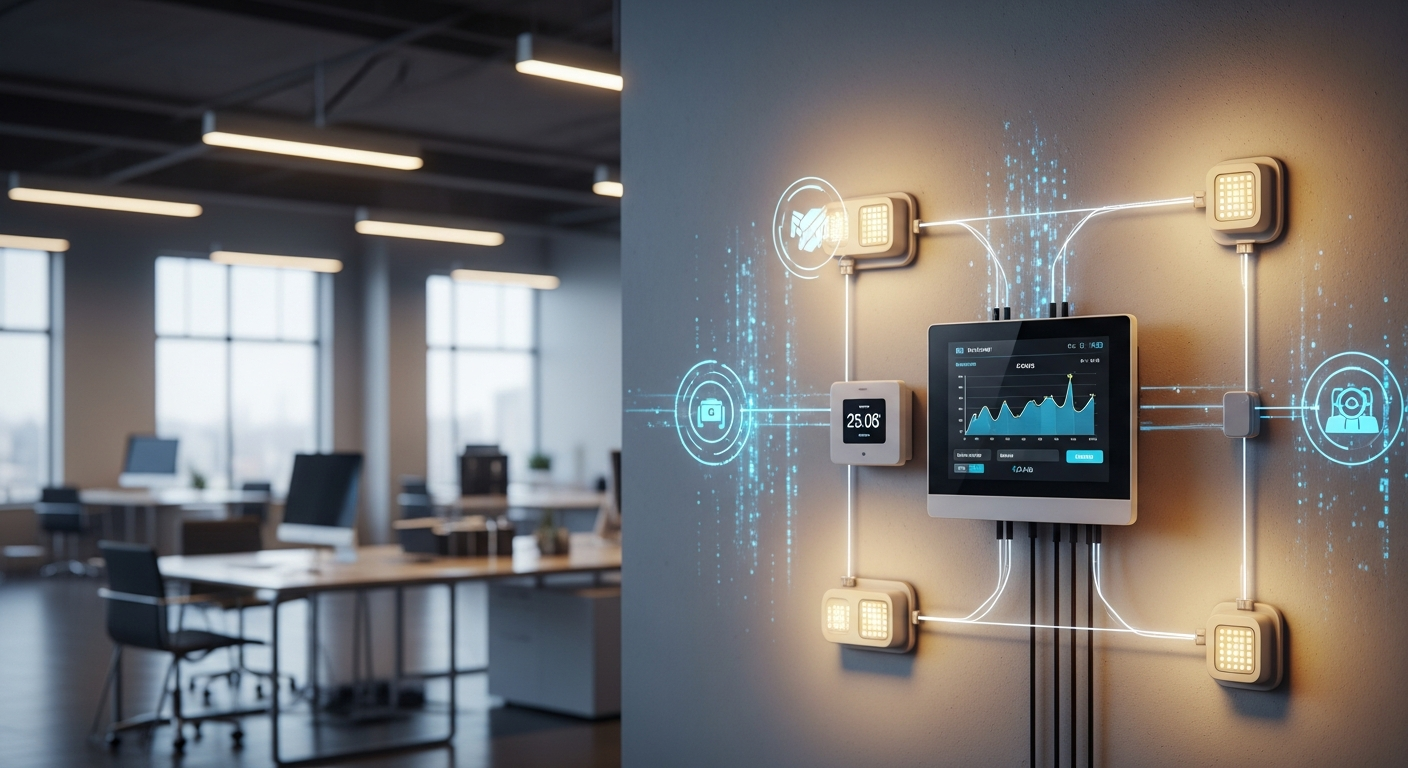
The advent of smart lighting systems marks a pivotal shift. These are no longer isolated light sources but rather integrated, controllable, and networkable components of a larger ecosystem. They represent a fundamental rethinking of how we light our spaces, moving beyond mere illumination to sophisticated energy management.
From Simple Switches to Sophisticated Systems
The historical progression from a mechanical switch to today’s advanced systems highlights a significant leap. Early lighting controls were reactive, responding only to manual input. Modern smart lighting controllers, however, are proactive and predictive. They leverage digital communication protocols (like Wi-Fi, Bluetooth Mesh, Zigbee, Z-Wave, or DALI) to create interconnected networks of lights that can be controlled individually or in groups from a central hub, a mobile app, or even through voice commands.
This integration capability means that wireless lighting control is not just about convenience; it’s about collecting data. Each smart fixture, or its associated controller, can now report back crucial operational parameters, transforming every light point into an IoT lighting device. This shift fundamentally changes the paradigm: we are no longer just controlling lights; we are intelligently managing the energy they consume.
Unveiling the Invisible: How Smart Controllers Monitor Energy
The true power of smart lighting controllers lies in their ability to monitor energy consumption, offering a window into an often-overlooked aspect of building utilities. This capability is engineered through a combination of embedded technologies and sophisticated data processing.
The Technology Under the Hood
At the heart of an effective energy monitoring system are several key technological components:
- Integrated Sensors: Many smart lighting fixtures or their dedicated controllers are equipped with sensors that measure actual electricity flow. These can monitor parameters like current, voltage, and power factor, providing a precise understanding of the power being drawn by each light or zone.
- Communication Protocols: Data gathered by these sensors needs a pathway to a central point. Protocols such as Wi-Fi, Bluetooth Mesh, Zigbee, Z-Wave, and DALI enable seamless, reliable communication between individual smart lights and a central gateway. For larger commercial installations, Power over Ethernet (PoE) lighting systems can also transmit both power and data over a single cable, further simplifying infrastructure and enhancing monitoring capabilities.
- Centralized Hubs or Gateways: These devices act as the brain of the smart lighting system, aggregating data from numerous individual smart lights. They translate the raw sensor data into a standardized format and often serve as the primary interface for local control.
- Cloud-Based Platforms and Software: The collected data is typically uploaded to secure cloud servers, where it’s stored, processed, and analyzed. These platforms provide intuitive dashboards, analytics tools, and reporting features, allowing users to visualize real-time data and historical trends from anywhere with an internet connection. This is where energy analytics truly comes to life, turning raw numbers into actionable insights.
Real-time Data vs. Historical Trends
The dual benefit of smart lighting controllers for energy consumption monitoring lies in their capacity to provide both immediate feedback and long-term analysis. Real-time monitoring allows users to instantly identify anomalies, such as lights inadvertently left on, flickering issues indicative of a failing fixture, or sudden spikes in consumption that might suggest a problem. This immediate insight enables swift corrective action, preventing sustained energy waste.
Equally valuable is the collection of historical data. By tracking consumption over days, weeks, months, or even years, users can discern patterns, identify peak usage periods, and measure the effectiveness of various energy-saving strategies. This trend analysis is crucial for long-term energy planning, budget forecasting, and making informed decisions about future upgrades or system adjustments. It helps in understanding seasonality in consumption and managing peak demand effectively, potentially reducing demand charges from utility providers.
The Power of Insight: Benefits of Monitoring Lighting Energy
The ability to accurately monitor energy consumption through smart lighting controllers unlocks a multitude of benefits that extend far beyond simple convenience.
Significant Cost Savings
Perhaps the most immediate and tangible benefit is the potential for substantial cost savings. By providing granular data, these systems empower users to:
- Identify and Eliminate Waste: Pinpoint areas where lights are left on unnecessarily, even after hours, contributing to significant energy waste.
- Optimize Schedules: Fine-tune lighting schedules based on actual occupancy patterns and daylight availability, ensuring lights are only on when and where needed.
- Reduce Peak Demand Charges: Understanding peak usage allows for strategic load shedding or dimming during high-tariff periods, which can dramatically lower electricity bills.
- Negotiate Better Rates: Precise consumption data can be leveraged in discussions with energy providers, potentially leading to more favorable utility contracts.
These actions directly translate into reduced utility bills and overall lower operational expenses.
Enhanced Operational Efficiency and Maintenance
Beyond direct energy savings, smart lighting systems contribute to a more efficient operational environment:
- Predictive Maintenance: Monitoring the power draw and operational status of individual fixtures can alert facility managers to potential failures before they occur. A sudden drop in power consumption for a fixture, for instance, might indicate a bulb nearing the end of its life, allowing for proactive replacement and reduced downtime.
- Optimized Resource Allocation: With centralized control and monitoring, facility managers can manage vast lighting networks from a single dashboard, eliminating the need for manual checks and reducing labor costs. Integration with building management systems (BMS) further streamlines facility operations.
- Automated Control: Integration with occupancy sensors and daylight harvesting features ensures lighting automatically adjusts to natural light levels and human presence, maximizing comfort while minimizing consumption without manual intervention.
Environmental Responsibility and Compliance
In an increasingly environmentally conscious world, smart lighting controllers play a crucial role in achieving sustainability goals:
- Reduced Carbon Footprint: By significantly cutting electricity consumption, these systems directly contribute to a lower environmental impact and help in reducing the overall carbon footprint of a building or organization.
- Meeting Sustainability Targets: Many organizations have ambitious sustainability targets or are required to comply with energy efficiency regulations. Detailed energy monitoring provides the verifiable data needed to demonstrate compliance and progress towards these goals.
- Showcasing Green Initiatives: Adopting smart lighting technology is a visible demonstration of a commitment to green initiatives, enhancing a company’s reputation and appeal to environmentally aware customers and employees.
Data-Driven Decision Making
The wealth of data provided by smart lighting systems transforms energy management from guesswork into a precise science. Energy analytics empower stakeholders to make informed, data-driven decisions regarding future investments, building upgrades, and energy policies. This ensures that every efficiency initiative is backed by solid evidence of its impact and return on investment.
Implementing Smart Lighting for Maximum Energy Returns
Adopting smart lighting controllers requires careful planning and consideration to maximize their energy monitoring and saving potential.
Key Considerations for Deployment
- Thorough Assessment: Begin by conducting a detailed audit of your current lighting infrastructure and energy usage. Identify areas of high consumption, inefficient fixtures, and potential opportunities for automation. This baseline data is crucial for measuring the success of your smart lighting implementation.
- Scalability: Choose a system that can grow with your needs. Whether you’re starting with a small office or planning for a large commercial facility, ensure the chosen technology supports future expansion. Many systems cater to both smart home lighting and robust commercial lighting solutions.
- Interoperability: Evaluate how well the smart lighting system integrates with your existing or planned IT infrastructure and other building management systems (BMS). Open standards and API availability are key for seamless communication and holistic building intelligence.
- Security: As IoT lighting systems connect to your network, robust cybersecurity measures are essential. Ensure the chosen system has strong encryption, authentication protocols, and regular security updates to protect sensitive data and prevent unauthorized access.
- User Interface: An intuitive and user-friendly interface for monitoring and control is vital. Look for systems with clear dashboards, easy scheduling capabilities, and accessible mobile apps that make managing your lighting effortless.
Tips for Optimizing Energy Monitoring
- Start Small with a Pilot Project: Before a full-scale rollout, implement smart lighting in a smaller, manageable area. This allows you to test the system’s capabilities, troubleshoot issues, and gather initial data to refine your strategy.
- Integrate with Environmental Sensors: Maximize savings by integrating your smart lighting with occupancy sensors, daylight sensors, and even temperature sensors. This enables truly dynamic and responsive lighting environments that only use energy when and where it’s needed.
- Set Up Customizable Alerts: Configure the system to send automatic alerts for unusual energy spikes, prolonged periods of high usage, or fixture malfunctions. Proactive notifications allow for quick intervention.
- Regularly Review Energy Reports: Make it a routine to examine the generated energy reports. Understand your usage patterns, identify opportunities for further optimization, and track your progress towards energy efficiency goals.
- Educate Users: Ensure all relevant personnel (employees, facility staff, residents) understand how the smart lighting system works and the benefits of proper usage. User awareness can significantly amplify energy savings.
The Future is Bright: Smart Lighting and Sustainability
The evolution of smart lighting controllers is far from over. Future advancements promise even greater sophistication and integration. We can expect deeper integration with artificial intelligence (AI) for predictive analytics, allowing systems to anticipate human behavior and environmental conditions to optimize lighting even before needs arise.
These systems will play an increasingly vital role in broader smart cities initiatives, contributing to grid optimization, demand response programs, and overall urban sustainability. As we move towards a more connected and data-rich world, smart lighting is set to become an indispensable component of infrastructure that not only conserves energy but actively contributes to a resilient and sustainable future, moving closer to true energy independence.
Conclusion
Smart lighting controllers are no longer merely about convenience or aesthetics; they are powerful, indispensable energy monitoring tools. By providing granular data, real-time insights, and sophisticated control capabilities, they empower users to gain an unprecedented understanding of their lighting energy consumption. This understanding directly translates into significant cost savings, enhanced operational efficiency, reduced environmental impact, and a strengthened commitment to sustainability.
In a world where every watt counts, investing in smart lighting is not just an upgrade to your illumination; it’s an investment in a smarter, more efficient, and ultimately more sustainable future. The path to optimized energy consumption begins with visibility, and smart lighting controllers brilliantly illuminate that path.