
Imagine a scorching summer day where the sun relentlessly beats down, turning your home or office into an oven. Or perhaps a winter scenario where precious indoor heat escapes through poorly insulated windows, driving up your energy bills. The invisible culprit in both these scenarios is often infrared (IR) radiation, a powerful component of the electromagnetic spectrum that we feel as heat. While essential for life, uncontrolled IR can lead to discomfort, energy waste, and even premature aging of interiors. But what if you could put a barrier between your indoor environment and this unseen heat? Enter specialized films, innovative solutions engineered to manage IR radiation, effectively trapping unwanted heat out or keeping desired heat in. This article delves into the fascinating science and practical applications of these advanced films, revealing how they revolutionize thermal control and enhance our living and working spaces.
Understanding Infrared Radiation and Its Impact
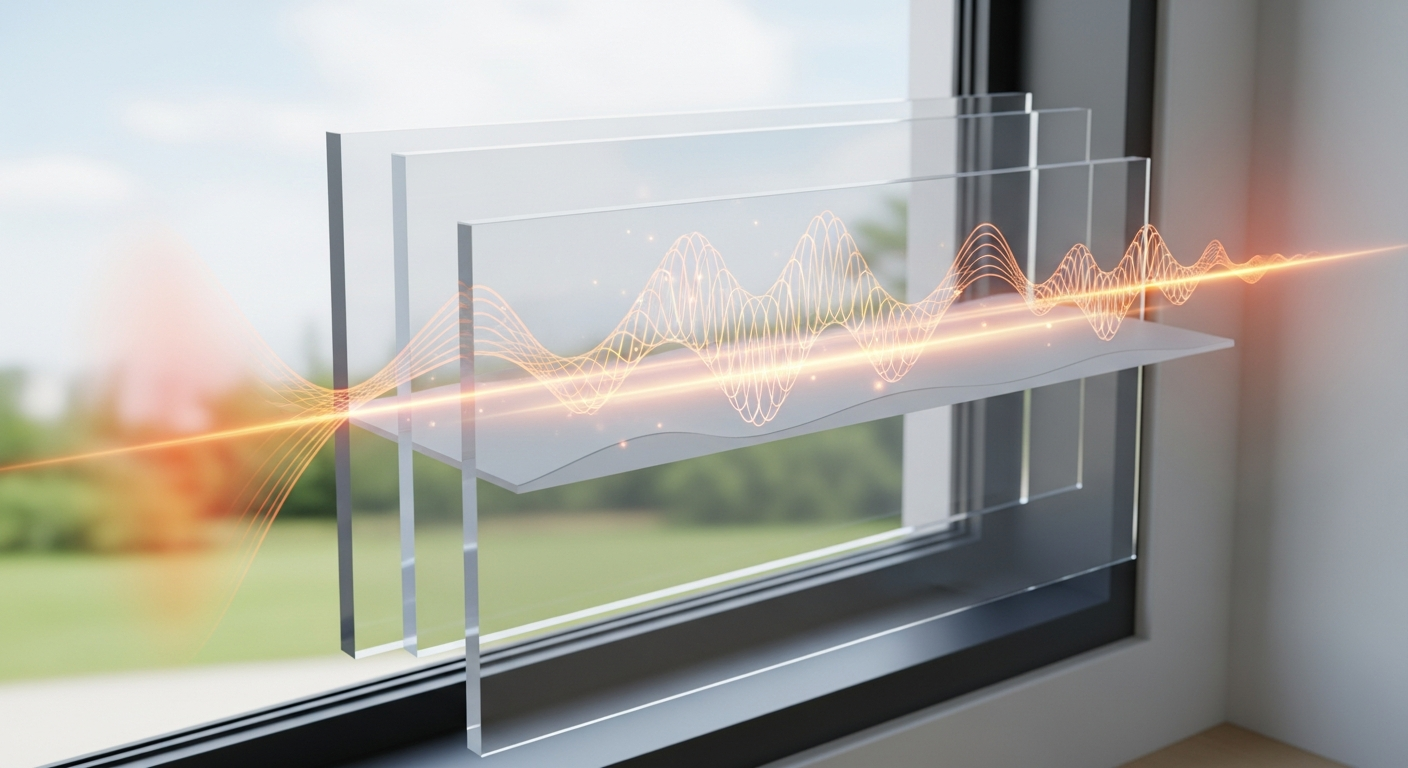
To appreciate the ingenuity of specialized films, we first need to grasp the nature of infrared radiation. IR is a form of electromagnetic radiation with wavelengths longer than visible light but shorter than microwaves. It’s omnipresent in our daily lives, though we cannot see it. We experience IR primarily as heat.
Sources of Infrared Radiation
- The Sun: The most significant natural source, solar IR is responsible for much of the heat gain experienced through windows. Roughly half of the sun’s energy that reaches the Earth’s surface is in the form of infrared.
- Heated Objects: Any object with a temperature above absolute zero emits IR radiation. This includes human bodies, electronic devices, heating systems, and even the walls of a room that have absorbed heat.
- Artificial Light Sources: Incandescent bulbs, for instance, emit a significant amount of their energy as IR, contributing to heat in a space.
The Impact of Unmanaged IR Radiation
Unchecked infrared radiation can have several detrimental effects on our environments:
- Solar Heat Gain: During warm months, direct sunlight passing through windows brings with it a substantial amount of IR. This leads to a rapid increase in indoor temperatures, known as solar heat gain, forcing air conditioning systems to work harder and consume more energy.
- Discomfort and Hot Spots: Uneven heating caused by direct sunlight creates uncomfortable hot spots near windows, making rooms less enjoyable and productive.
- Increased Energy Consumption: Higher temperatures necessitate greater reliance on HVAC systems, directly translating to higher utility bills and a larger carbon footprint.
- Fading and Damage to Interiors: While UV radiation is often blamed, IR radiation also contributes significantly to the fading, cracking, and deterioration of furniture, flooring, artwork, and fabrics by accelerating chemical degradation.
- Glare: Although primarily associated with visible light, intense solar radiation often accompanies significant IR, contributing to visual discomfort and eye strain.
Effectively managing IR radiation is therefore not just about comfort; it’s about energy efficiency, preservation, and creating healthier, more sustainable environments.
The Science Behind Heat-Trapping Films
Specialized films designed to manage infrared radiation are a marvel of material science and engineering. They don’t just block light; they intelligently interact with specific wavelengths of the electromagnetic spectrum. The term “heat-trapping” in this context refers to their ability to prevent unwanted IR heat from entering a space, or conversely, to reflect desirable indoor heat back into a room.
How Specialized Films Work
At their core, these films employ sophisticated mechanisms to selectively absorb, reflect, or transmit different parts of the solar spectrum:
- Spectrally Selective Technology: This is the hallmark of advanced IR films. Unlike traditional tinted films that broadly block visible light (often sacrificing natural brightness), spectrally selective films are engineered to allow maximum visible light transmission while significantly rejecting IR radiation. They achieve this by having distinct optical properties for different wavelengths.
- Advanced Materials: The magic lies in the materials used. These typically include:
- Metal Oxides: Indium Tin Oxide (ITO), Antimony Tin Oxide (ATO), and tungsten oxide are common choices. When integrated into films, these materials exhibit high transparency to visible light but strongly absorb or reflect IR.
- Precious Metals: Some high-performance films incorporate incredibly thin layers of silver, gold, or other noble metals. These metals are excellent reflectors of IR radiation.
- Ceramic Nanoparticles: Modern advancements often utilize ceramic nanoparticles (e.g., titanium nitride, zirconium nitride) dispersed within the film layers. These nanoparticles are incredibly effective at blocking IR without significantly darkening the film.
- Multi-Layered Construction: Most specialized films are not single sheets but rather complex laminates consisting of multiple micro-thin layers. Each layer might serve a specific function: an adhesive layer, a UV-blocking layer, an IR-blocking layer, and a scratch-resistant top coat. This layered architecture allows for precise control over the film’s performance characteristics.
- Absorption and Re-emission/Reflection: When IR radiation strikes a specialized film, one of two things generally happens:
- Reflection: The film’s metallic or ceramic particles reflect a significant portion of the IR energy back outwards, preventing it from penetrating the glass. This is the primary mechanism for rejecting solar heat.
- Absorption and Re-emission: Some IR energy might be absorbed by the film materials. However, unlike regular glass that would then re-emit this heat inwards, these films are designed to re-emit a large portion of the absorbed heat back outwards, away from the interior space.
The result is a highly effective barrier that significantly reduces heat transfer through glass, maintaining cooler indoor temperatures in summer and, in some formulations, reducing heat loss in winter by reflecting internal radiant heat back into the room.
Key Types of Specialized IR-Blocking Films
The versatility of IR-blocking film technology means it can be applied in various sectors, each with specific requirements for performance, durability, and aesthetics.
Window Films for Buildings (Residential & Commercial)
This is perhaps the most common application. These films are applied to existing glass windows and doors to enhance their thermal performance. They come in a wide range of visible light transmissions (VLT), from nearly clear to deeply tinted, allowing property owners to choose based on their need for natural light, privacy, and aesthetics.
- Clear/Low-E Films: Designed to be virtually invisible, these films maximize natural light while significantly reducing IR gain. “Low-E” (low emissivity) films also help retain indoor heat during colder months by reflecting radiant heat back into the room.
- Neutral Tints: Offer a subtle reduction in visible light alongside strong IR rejection, providing a balanced look.
- Reflective Films: These films have a mirrored appearance, offering excellent IR rejection and increased daytime privacy.
- Dual-Action Films: Some advanced films are designed to block solar IR in summer and reflect interior heat back indoors in winter, providing year-round energy savings.
Automotive Window Films
Car manufacturers and aftermarket installers use specialized films to improve the comfort and efficiency of vehicles. These films address similar issues as building films but must adhere to specific automotive regulations regarding visible light transmission for safety.
- Heat Rejection: Dramatically reduces the cabin temperature, especially when parked in the sun, lessening the load on the car’s air conditioning system and improving fuel efficiency.
- UV Protection: Blocks nearly 99% of harmful UV rays, protecting occupants from skin damage and preventing interior fading and cracking of upholstery and dashboards.
- Glare Reduction: Enhances driving comfort and safety by minimizing blinding glare from the sun or headlights.
Industrial and Specialty Films
Beyond buildings and vehicles, IR-blocking films find applications in more niche and demanding environments:
- Electronics and Displays: Used in touchscreens, monitors, and electronic casings to manage heat generated by components or to protect sensitive internal parts from external thermal loads.
- Museums and Archives: Applied to display cases or windows to protect invaluable artifacts and documents from thermal degradation and UV damage.
- Data Centers: Used on windows or server racks to help maintain optimal operating temperatures for sensitive equipment, improving efficiency and preventing downtime.
- Greenhouses: Specialized films can regulate temperature within greenhouses, ensuring optimal growing conditions for plants by controlling solar radiation.
Each type is formulated with specific performance goals, demonstrating the incredible adaptability of this technology.
Benefits and Applications: Why Invest in IR-Blocking Films?
The decision to install specialized IR-blocking films is an investment that yields multiple tangible and intangible returns, improving comfort, cost-efficiency, and sustainability.
Significant Energy Savings
This is often the primary driver for adoption. By reducing solar heat gain, especially during peak cooling seasons, IR-blocking films dramatically lessen the workload on air conditioning systems. This directly translates to:
- Lower Utility Bills: Businesses and homeowners can see substantial reductions in their electricity consumption for cooling, with potential savings of 15-30% or more on HVAC costs.
- Reduced HVAC Wear and Tear: Less strain on AC units means a longer lifespan for equipment and fewer maintenance costs.
- Quick ROI: Depending on the climate and energy costs, the initial investment in high-quality film can be recouped through energy savings in just a few years.
Enhanced Indoor Comfort
Beyond monetary savings, these films significantly improve the quality of indoor environments:
- Stable Temperatures: Eliminating hot spots near windows creates a more uniform and comfortable temperature throughout the room.
- Reduced Glare: Many IR films also offer glare reduction, improving visual comfort for occupants working on computers, watching TV, or simply relaxing.
- Increased Productivity: In commercial settings, a more comfortable environment can lead to higher employee satisfaction and productivity.
Preservation of Interiors and Valuables
IR and UV radiation are the primary culprits behind the degradation of interior furnishings. By blocking a vast majority of both, specialized films offer superior protection:
- Fading Prevention: Protects furniture, carpets, hardwood floors, artwork, and drapes from premature fading, cracking, and discoloration.
- Longevity of Assets: Extends the life of valuable interior assets, saving on replacement costs.
Environmental Impact
Reducing energy consumption for cooling directly contributes to a smaller carbon footprint, aligning with global efforts towards sustainability. Less electricity usage often means fewer greenhouse gas emissions from power plants.
Practical Tips and Considerations
If you’re considering IR-blocking films, here’s some actionable advice:
- Assess Your Needs: Consider your specific challenges (e.g., extreme heat gain, glare, privacy, desire for natural light, budget). This will help you choose the right film type and VLT.
- Look for Performance Metrics: When comparing films, pay attention to:
- Total Solar Energy Rejected (TSER): A comprehensive measure of how much solar energy (including visible light, UV, and IR) is blocked. Higher TSER means better heat rejection.
- Shading Coefficient (SC) / Solar Heat Gain Coefficient (SHGC): Lower values indicate less solar heat gain.
- Visible Light Transmission (VLT): Percentage of visible light that passes through.
- UV Rejection: Look for 99% or higher.
- Professional Installation is Key: While DIY kits exist, professional installation ensures a flawless finish, optimal performance, and adherence to warranty requirements. It prevents bubbles, creases, and improper adhesion.
- Check Warranties: Reputable manufacturers offer comprehensive warranties covering issues like peeling, bubbling, and fading.
- Local Regulations: For automotive applications, be aware of local laws regarding window tint percentages. For residential or commercial, check with HOAs or building management.
Conclusion
Infrared radiation, though unseen, plays a profound role in how we experience our indoor environments. From baking hot living rooms to skyrocketing energy bills, its unmanaged presence can significantly detract from comfort and sustainability. Specialized films offer a sophisticated and elegant solution to this challenge. By leveraging cutting-edge material science and spectrally selective technology, these films intelligently manage heat, keeping interiors cooler, brighter, and more energy-efficient. Whether for homes, offices, or vehicles, investing in IR-blocking films is a smart choice for anyone seeking enhanced comfort, significant energy savings, protection for their valuables, and a step towards a more sustainable future. They represent not just an upgrade to your windows, but a strategic enhancement to your entire environment, ensuring a more pleasant and energy-conscious existence.