
As the days shorten and temperatures plummet, your greenhouse becomes a crucial refuge for sensitive plants, offering warmth and protection against winter’s chill. However, this cozy haven often comes with a hidden challenge: managing humidity. The very act of heating your greenhouse, combined with reduced natural ventilation and plant transpiration, can create a perfect breeding ground for dreaded winter mold. Left unchecked, high humidity can swiftly turn your flourishing winter garden into a landscape of fungal disease, jeopardizing your plants and your hard work. But fear not! With the right knowledge and proactive strategies, you can maintain optimal conditions, ensuring your greenhouse remains a healthy, productive space, free from the threat of mold.
The Winter Humidity Challenge: Why Heated Greenhouses Are Prime for Mold
Understanding why humidity becomes such a prevalent issue in a heated greenhouse during winter is the first step toward effective management. In colder months, we naturally seal up our greenhouses to conserve heat, drastically reducing the natural air exchange that helps dissipate moisture during warmer seasons. Inside, your plants continue to transpire, releasing water vapor into the air. When this warm, moisture-laden air comes into contact with cooler surfaces – such as greenhouse walls, roofing, or even the leaves of your plants – it cools rapidly, reaching its dew point, and condenses into liquid water. This visible condensation dripping from the ceiling or forming on plant foliage is a clear sign of excessive humidity.
These damp, stagnant conditions are precisely what many common greenhouse fungi, like Botrytis cinerea (gray mold) and powdery mildew, need to thrive. Botrytis often attacks damaged or aging plant tissue, quickly spreading through your crop, while powdery mildew coats leaves with its characteristic white, dusty spots, impairing photosynthesis. Other fungal diseases also lie in wait, ready to exploit a high-humidity environment. Preventing these outbreaks requires a strategic approach to greenhouse humidity control.
Understanding Your Humidity Readings: Tools and Optimal Ranges
You can’t manage what you don’t measure. Accurate monitoring of your greenhouse environment is fundamental to preventing winter mold. The essential tool for this is a reliable thermohygrometer, which measures both temperature and relative humidity (RH). Placing multiple sensors in different zones of your greenhouse can provide a more comprehensive picture, as humidity levels can vary significantly in various areas.
Relative humidity is the amount of water vapor present in the air expressed as a percentage of the maximum amount that the air could hold at the same temperature. For most plants in a heated greenhouse, an ideal RH range falls between 60% and 70%. However, this can vary:
- Seedlings and cuttings often prefer slightly higher humidity (70-80%) to aid rooting and establishment.
- Mature plants and those susceptible to fungal diseases benefit from RH levels closer to 60%.
- Flowering and fruiting plants might require lower humidity (50-60%) to prevent issues like blossom end rot or fungal blights on developing fruits.
Understanding the dew point is also critical. The dew point is the temperature at which the air becomes saturated with water vapor, leading to condensation. If your leaf temperature drops below the dew point of the surrounding air, condensation will form on the leaves, creating a moist surface ideal for spore germination. Keeping leaf temperatures above the dew point through good air circulation and strategic heating is a powerful preventative measure against fungal diseases.
Proactive Strategies for Humidity Control
Effective humidity management is a multi-faceted approach, combining several techniques to create an environment where mold simply cannot flourish. Here are some actionable strategies:
Ventilation and Air Exchange
Despite the cold, ventilation remains your primary weapon against high humidity. Even a small amount of fresh air exchange can make a significant difference. While continuous venting isn’t feasible during freezing temperatures, periodic venting is crucial. The “heat and vent” method is highly effective:
- Heat and Vent: Briefly raise the greenhouse temperature by a few degrees (e.g., 5-10°F) for 15-30 minutes, then open vents (ridge and side) or run exhaust fans for another 15-30 minutes to purge the moist, warm air and introduce drier, cooler air. The incoming air, even if cold, will be relatively drier and will be quickly warmed by your heating system. This creates a powerful drying effect.
- Automatic Vents: Install automatic vent openers that respond to temperature changes. While primarily for cooling, they can assist in air exchange during mild winter days or during a “heat and vent” cycle.
- Exhaust Fans: Install thermostatically or humidistatically controlled exhaust fans to actively remove stale, humid air. Ensure you have adequate intake vents to allow fresh air to enter.
Improving Air Circulation
Stagnant air pockets are prime spots for condensation and mold growth. Even with good ventilation, internal air movement is essential to break up these microclimates and ensure uniform temperatures and humidity throughout the greenhouse.
- Horizontal Air Flow (HAF) Fans: These are ideal for greenhouses. Positioned correctly, HAF fans create a continuous, gentle air current that circulates air throughout the entire structure, mixing the air and preventing hot/cold or wet/dry spots.
- Oscillating Fans: Smaller oscillating fans can also be used in specific areas to ensure air movement around dense plant canopies.
Strategic Watering Practices
How and when you water your plants significantly impacts greenhouse humidity.
- Water in the Morning: Always water early in the day. This allows excess moisture on foliage and from growing media to evaporate throughout the day when temperatures are typically higher and ventilation can be maximized, ensuring plants are dry before nightfall.
- Avoid Overwatering: Overwatered plants lead to soggy soil, which contributes to higher ambient humidity as moisture slowly evaporates. Ensure proper drainage in pots and growing beds.
- Drip Irrigation/Bottom Watering: Whenever possible, use drip irrigation systems or bottom-water your plants to avoid wetting foliage, which is a common entry point for fungal spores.
Plant Spacing and Pruning
Overcrowded plants restrict airflow and create localized high-humidity zones within the plant canopy. Ensure adequate spacing between plants to allow for good air circulation. Regularly prune away dead or yellowing leaves, as these decaying tissues are particularly susceptible to fungal infection and can quickly become a source of inoculum for the entire greenhouse.
Advanced Solutions and Continuous Monitoring
For larger greenhouses or those experiencing persistent humidity challenges, more advanced solutions can provide robust humidity control.
Dehumidifiers
When external conditions make venting impractical or insufficient (e.g., extremely cold, rainy, or foggy weather), a greenhouse dehumidifier can be an invaluable tool. These devices actively remove moisture from the air, collecting it as water. There are two main types:
- Refrigerant Dehumidifiers: Work by cooling air to extract moisture, similar to an air conditioner. They are generally more efficient in warmer, more humid environments.
- Desiccant Dehumidifiers: Use a desiccant material to absorb moisture from the air. They are often more effective in cooler temperatures, which can be beneficial in a winter greenhouse.
The choice depends on your specific greenhouse size, temperature profiles, and budget. Ensure the unit is rated for greenhouse use and has sufficient capacity for your space.
Automated Environmental Control Systems
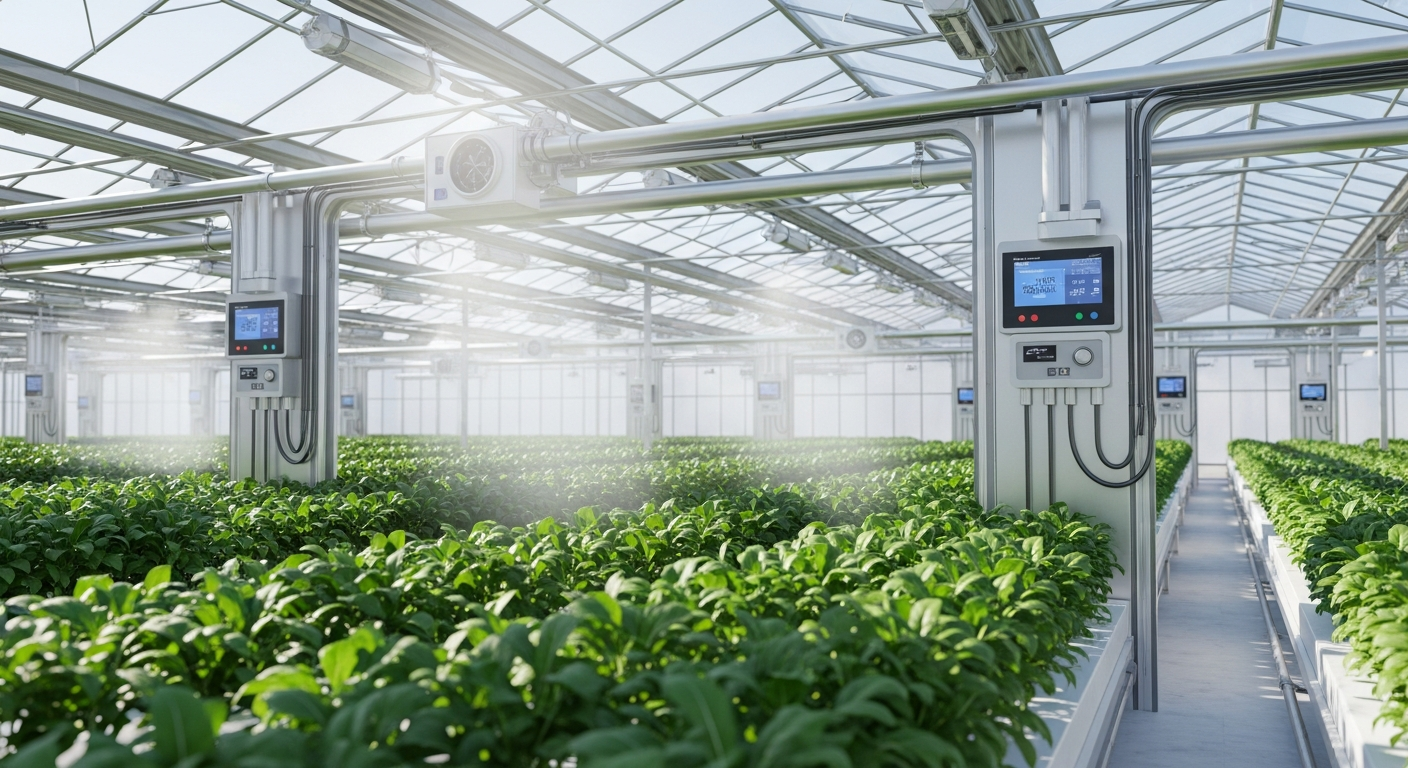
For the ultimate in precision greenhouse climate control, automated systems integrate sensors (temperature, humidity, CO2) with control over heaters, vents, fans, and irrigation. These systems can maintain precise environmental parameters 24/7, reacting instantly to changing conditions and optimizing energy use while minimizing human intervention. They are a significant investment but offer unparalleled consistency in preventing winter mold and promoting plant health.
Sanitation and Vigilance
Beyond technological solutions, maintaining a clean greenhouse is paramount. Regularly remove any fallen leaves, plant debris, or dead plant material. These can harbor fungal spores and provide an ideal food source for mold. Inspect your plants daily for any early signs of disease, such as spots, discoloration, or fuzzy growth. Early detection and removal of infected plants or parts can prevent a minor issue from becoming a widespread epidemic.
Conclusion
Managing humidity in a heated greenhouse during winter is a continuous balancing act, but it’s an essential one for successful cultivation. By understanding the dynamics of moisture, implementing a combination of strategic ventilation, consistent air circulation, thoughtful watering practices, and diligent monitoring, you can create a resilient environment. Don’t let the threat of winter mold dampen your growing ambitions. With these proactive steps, your greenhouse will remain a thriving oasis, nurturing your plants through even the coldest months, and ensuring a healthy, productive growing season year after year.