
Smart irrigation systems are a cornerstone of modern greenhouse management, offering unparalleled precision in water and nutrient delivery, significant resource savings, and enhanced crop health. By automating and optimizing irrigation schedules based on real-time environmental data, these systems empower growers to achieve higher yields with less waste. However, the sophisticated hardware and software that make these systems “smart” are not set-it-and-forget-it solutions. Like any high-performance machinery, their long-term reliability and accuracy hinge on consistent, proactive maintenance. Neglecting these crucial protocols can lead to costly breakdowns, inaccurate readings, inefficient water use, and ultimately, compromise your entire operation. This article delves into the essential maintenance protocols designed to ensure your smart irrigation hardware remains robust, reliable, and continues to deliver optimal performance for years to come.
The Foundation: Initial Setup and Calibration for Longevity
The journey to long-term reliability begins even before your smart irrigation system is fully operational. Proper installation and meticulous initial calibration are paramount. Skipping steps here can sow the seeds for future malfunctions and inaccurate data.
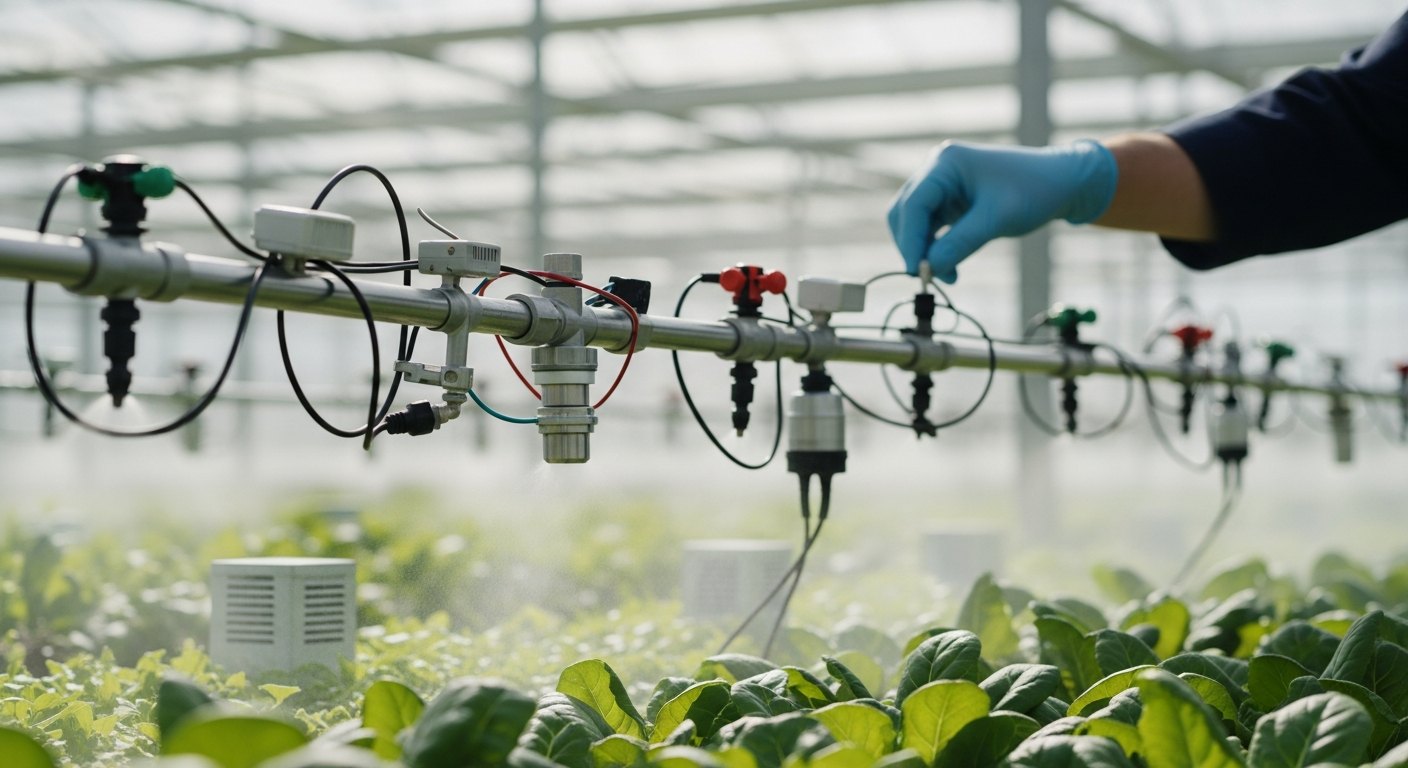
- Strategic Placement: Ensure all sensors (soil moisture, pH, EC, temperature, light) are installed in locations truly representative of your growing environment. Avoid placing them near heat sources, in direct paths of fans, or in areas prone to inconsistent conditions.
- Secure Connections: Verify all wiring is properly secured, connections are watertight, and cables are protected from physical damage, pests, and environmental exposure. Loose connections are a common culprit for intermittent failures.
- Baseline Calibration: Conduct initial calibration of all sensors according to manufacturer guidelines. This often involves calibrating pH and EC sensors with buffer solutions and soil moisture sensors in known wet/dry conditions. Document these baseline readings meticulously.
- System Integration Check: Confirm that all hardware components communicate effectively with the central controller and software platform. Test all valves, pumps, and emitters to ensure they respond correctly to commands.
Establishing a Routine: Proactive Preventative Maintenance Schedules
Consistency is key to extending the lifespan of your smart irrigation hardware. Implementing a tiered maintenance schedule – daily, weekly, monthly, and annually – ensures that no critical component is overlooked.
Daily/Weekly Checks: Visual Inspections and Performance Monitoring
- Visual Scan: Quickly inspect the entire system for visible leaks, loose connections, damaged wires, or clogged emitters.
- Sensor Readings Verification: Cross-reference sensor data with visual observations of plant health and soil conditions. Are the soil moisture readings aligning with how the media feels? Are pH/EC levels within expected ranges?
- Pressure Checks: Briefly observe system pressure, if your system includes gauges, to ensure it’s within operating parameters. Significant drops can indicate leaks or blockages.
- Controller Status: Check the main controller for any error messages, warning lights, or unusual indicators.
Monthly/Quarterly Tasks: Deeper Dives and Component-Specific Attention
- Filter Cleaning/Replacement: Irrigation filters (screen, disc, sand) are critical for preventing clogs. Clean or replace them regularly based on water quality and system usage.
- Sensor Cleaning and Re-calibration: Even high-quality sensors drift over time. Clean soil moisture probes, pH electrodes, and EC sensors, and re-calibrate them using appropriate standards. The frequency depends on the sensor type and environmental conditions, but quarterly is a good starting point for many.
- Emitter Inspection and Flushing: Systematically check drip emitters and spray nozzles for blockages, drips, or inconsistent spray patterns. Flush irrigation lines to remove sediment build-up.
- Valve Operation Test: Manually cycle all irrigation valves to ensure they open and close completely and without obstruction. Listen for any unusual noises.
Annual Overhauls: Comprehensive System Review and Wear Part Replacement
- Full System Audit: Conduct a comprehensive inspection of every component, from the water source to the furthest emitter.
- Pump Inspection: Check the pump for signs of wear, unusual noises, leaks, or corrosion. Lubricate as per manufacturer guidelines.
- Wiring and Enclosure Integrity: Inspect all wiring for fraying or damage, and ensure all control panel enclosures are sealed against moisture and dust.
- Battery Replacement: Replace batteries in wireless sensors or backup power supplies as recommended by manufacturers.
- Software and Firmware Update Review: Check for and apply any available software or firmware updates for your controller and associated devices.
Component-Specific Care: Ensuring Every Part Performs
Understanding the unique maintenance needs of each system component is vital for holistic reliability.
Sensor Maintenance (Soil Moisture, pH, EC, Temperature)
Sensors are the “eyes and ears” of your smart irrigation system. Their accuracy directly impacts irrigation decisions.
- Cleaning: Soil moisture probes can accumulate mineral deposits. Gently clean them with distilled water and a soft cloth or brush. pH and EC electrodes require specific cleaning solutions.
- Calibration: Always recalibrate pH and EC sensors with fresh buffer solutions. For soil moisture sensors, consider periodic recalibration in known soil conditions or comparing readings with a handheld meter.
- Placement Review: Occasionally reassess sensor placement, especially if crop types or growing methods change.
Valve and Drip Emitter Health
These components are the delivery mechanism; any failure here directly impacts water distribution.
- Clog Prevention: Regular flushing of irrigation lines is crucial. Consider using acid or chlorine injections (chemigation) periodically, if appropriate for your system and crops, to break down mineral deposits and organic matter.
- Leak Detection: Pay close attention to any signs of water pooling around valves or emitters, indicating leaks that waste water and can affect localized nutrient delivery.
- Diaphragm Inspection: For solenoid valves, the diaphragm is a common wear item. Inspect for cracks or stiffness and replace as needed.
Pump and Filtration System Upkeep
The pump is the heart of your system, and filters protect it.
- Filter Maintenance: This cannot be stressed enough. Clean or backwash filters frequently to maintain optimal water flow and prevent strain on the pump.
- Pump Performance: Listen for unusual noises (grinding, humming), check for vibrations, and monitor pressure readings. Address any issues promptly to prevent catastrophic pump failure.
- Seal and Gasket Checks: Inspect pump seals and gaskets for leaks.
Controller and Wiring Integrity
The controller is the brain, and robust wiring ensures clear communication.
- Environmental Protection: Ensure the controller’s enclosure is properly sealed to protect against dust, humidity, and extreme temperatures.
- Wiring Integrity: Periodically check all wiring connections for corrosion, damage, or loose terminals.
- Power Supply: Verify the power supply is stable and free from surges. Consider surge protectors for sensitive electronics.
The Digital Backbone: Software, Connectivity, and Data Management
In a smart system, the digital components are as critical as the physical hardware. Neglecting them undermines the “smart” aspect.
- Firmware and Software Updates: Regularly check for and install updates for your irrigation controller’s firmware and any associated cloud-based software. Updates often include bug fixes, security enhancements, and new features that improve system performance and reliability.
- Network Connectivity Checks: Ensure your system’s internet connection (Wi-Fi, Ethernet, cellular) is stable and robust. Poor connectivity can lead to delayed commands, incomplete data logging, and missed irrigation cycles. Regularly check signal strength and network status.
- Data Backup and Integrity: Smart systems generate a wealth of data. Ensure this data is regularly backed up, especially if it’s stored locally. Review data logs periodically for inconsistencies or gaps, which could indicate sensor or connectivity issues. This historical data is invaluable for trend analysis and troubleshooting.
- System Security: Protect your system from unauthorized access. Use strong passwords, enable two-factor authentication if available, and ensure your network is secure.
Troubleshooting Common Issues and Future-Proofing Your System
Even with meticulous maintenance, issues can arise. Being prepared to troubleshoot and having a strategy for system evolution is crucial.
- Log and Document: Keep detailed records of all maintenance performed, repairs, sensor calibrations, and any anomalies observed. This log is invaluable for diagnosing recurring problems and understanding system behavior over time.
- Develop a Troubleshooting Guide: Create a simple guide for common issues (e.g., “no water flow,” “sensor reading erratic”) including likely causes and first steps for resolution.
- Stock Critical Spares: Having spare parts like common valves, emitters, filter cartridges, and critical sensor probes on hand can significantly reduce downtime during an unexpected failure.
- Professional Consultations: Consider an annual professional inspection and tune-up, especially if your system is complex or aging. Experts can identify subtle issues you might miss and offer advice on optimization.
- Scalability and Upgrades: As your greenhouse operations evolve, your irrigation system should too. Plan for potential upgrades or expansions. Invest in hardware that is modular and compatible with future technologies to ensure your system remains relevant and efficient.
Conclusion
Investing in a smart irrigation system for your greenhouse is a strategic move towards greater efficiency, sustainability, and improved crop yields. However, the true return on this investment is realized only when the system is meticulously maintained. By adhering to a comprehensive set of maintenance protocols – from diligent daily checks and regular component-specific care to ensuring the integrity of your digital backbone – you safeguard your investment. Proactive maintenance minimizes downtime, extends hardware lifespan, ensures accurate data, and ultimately, guarantees your greenhouse operates with the precision and reliability you expect from a truly smart system. Embrace these protocols, and watch your “Greenhouse Climates” thrive with unparalleled efficiency.