
For many greenhouse growers, maintaining optimal temperatures, especially during scorching summers, is a constant battle. Evaporative cooling systems are a lifesaver, providing an energy-efficient way to reduce greenhouse temperatures and create the ideal environment for your plants to thrive. However, like any critical piece of climate control equipment, these systems require diligent maintenance to operate at peak efficiency and ensure their longevity. Ignoring maintenance can lead to decreased cooling performance, higher energy bills, and costly repairs. This comprehensive guide will walk you through the essential steps to keep your greenhouse evaporative cooling system running smoothly, ensuring your plants stay cool and happy all season long.
Understanding Your Greenhouse Evaporative Cooling System
Before diving into maintenance specifics, it’s helpful to understand the basic components and how a greenhouse evaporative cooling system works. Typically, these systems consist of large fans installed on one side of the greenhouse and wetted cooling pads on the opposite side. A water pump circulates water from a sump or reservoir over these cooling pads. As hot air from outside is drawn through the wet pads by the fans, the water evaporates, absorbing heat from the air and significantly lowering its temperature before it enters the greenhouse. Key components that require regular attention include:
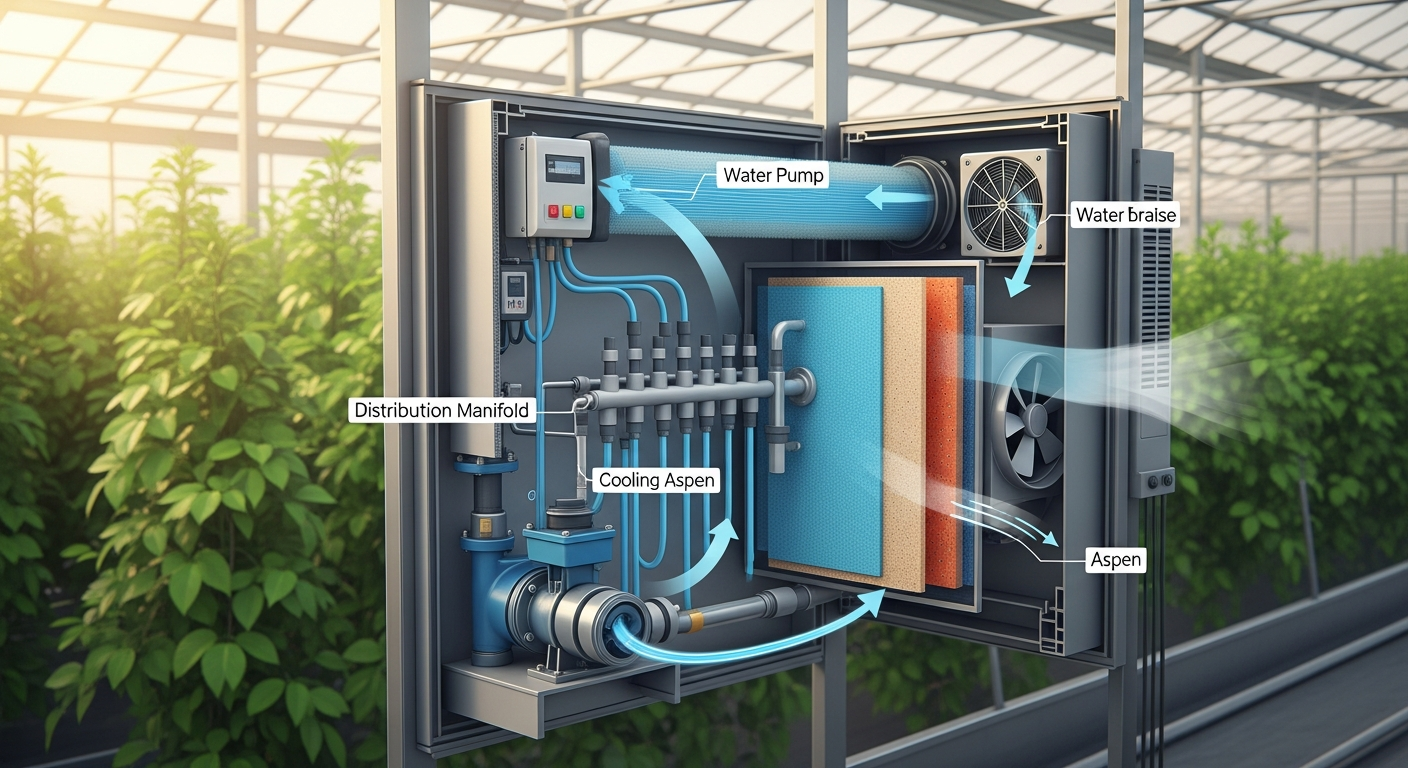
- Cooling Pads: Usually made from cellulose or synthetic materials, these are where the evaporation magic happens.
- Water Distribution System: Includes the pump, distribution manifold, and sometimes drip lines that deliver water evenly over the pads.
- Sump/Reservoir: Holds the water circulated by the pump.
- Fans: Responsible for drawing air through the pads and exhausting warm, humid air.
- Controls: Thermostats and humidistats that automate system operation.
Essential Daily and Weekly Checks
Proactive daily and weekly inspections can prevent minor issues from escalating into major problems, saving you time and money in the long run.
Daily Routine Checks
- Inspect Water Level: Ensure the water level in the sump or reservoir is adequate. Low water levels can strain your pump and reduce cooling efficiency.
- Check for Leaks: Quickly scan around the system for any visible water leaks from pipes, connections, or the sump itself. Address leaks immediately to prevent water waste and potential damage.
- Observe System Operation: Briefly run the system to ensure fans are spinning freely, the pump is operating, and water is flowing over the cooling pads. Look for any unusual noises or vibrations.
- Monitor Temperature and Humidity: Keep an eye on your greenhouse’s internal temperature and humidity levels. Significant deviations could indicate a cooling system issue.
Weekly Inspections
- Examine Cooling Pads: Look for dry spots, which indicate uneven water distribution or clogged pads. Also, check for early signs of algae growth or mineral buildup.
- Verify Water Distribution: Ensure water is flowing evenly across the entire surface of the cooling pads. Clogged distribution holes can lead to dry spots and reduced efficiency.
- Listen to Pumps and Fans: Pay close attention to the sounds your pump and fans are making. Grinding, squealing, or excessive vibration can signal a pending mechanical failure.
- Clean Debris: Remove any visible debris, such as leaves, insects, or plant matter, from the sump and around the cooling pads and fan inlets.
Deep Dive into Monthly and Seasonal Maintenance
Beyond daily and weekly checks, more thorough maintenance tasks are required monthly or seasonally to ensure optimal performance and extend the lifespan of your evaporative cooling system.
Cooling Pads: The Heart of the System
The cooling pads are critical for efficient heat exchange. Keeping them clean and in good condition is paramount.
- Cleaning Cooling Pads:
- Brushing & Rinsing: Regularly brush off any loose dirt, dust, or light mineral deposits. For more stubborn buildup, gently rinse the pads with a hose from the top down while the system is running (without fans operating initially, then with fans to dry). Avoid high-pressure washing, which can damage the pad material.
- Algae Removal: If you notice algae growth, it’s often due to light exposure and nutrients in the water. You can use a diluted bleach solution (e.g., 1 part bleach to 10 parts water) or a commercial algaecide specifically designed for evaporative coolers. Always follow product instructions carefully and rinse thoroughly afterward to prevent chemical residue from affecting your plants.
- Preventing Algae and Mineral Buildup:
- Bleed-Off Rate: Adjust your system’s bleed-off rate to regularly replace a small percentage of the water with fresh water. This flushes out dissolved minerals and prevents their concentration and subsequent buildup on pads.
- Water Treatment: Consider using water softeners or scale inhibitors if you have particularly hard water.
- Shielding from Sunlight: Where possible, minimize direct sunlight exposure on the cooling pads when the system is not in use, as UV light promotes algae growth.
- Inspect for Damage & Degradation: Check pads for tears, holes, sagging, or excessive flaking. Damaged pads reduce efficiency and allow unfiltered air to enter.
- When to Replace Pads: Cooling pads typically last 3-5 years, depending on water quality and maintenance. If pads are severely clogged, deteriorated, or no longer hold water efficiently even after cleaning, it’s time for replacement.
Water Pump and Distribution System
The pump and water lines ensure consistent water flow.
- Clean Pump Screen/Filter: The pump often has a screen or filter to prevent debris from entering. Clean this regularly to ensure unrestricted water flow and prevent pump strain.
- Inspect Pump for Wear: Check the pump for signs of corrosion, wear on impellers, or excessive vibration. Ensure all electrical connections are secure and free of corrosion.
- Flush Distribution Lines: Periodically drain and flush the entire water distribution system to remove sediment and biological growth. Use a pipe brush for stubborn clogs.
- Clean Distribution Holes: Use a small wire or drill bit (carefully) to clear any clogged holes or emitters in the distribution manifold that deliver water to the pads.
- Drain and Clean Sump: At least once a month (or more frequently in hard water areas), drain the sump completely, scrub away any sludge, algae, or mineral deposits, and rinse thoroughly before refilling.
Fan Units: Ensuring Airflow
The fans are crucial for moving air through the system.
- Clean Fan Blades: Dust and debris can accumulate on fan blades, reducing efficiency and unbalancing the fan. Clean them with a soft cloth or brush.
- Check Motor and Bearings: Listen for unusual noises and feel the motor for excessive heat. Lubricate motor bearings if your fan model requires it (some modern motors are sealed and maintenance-free).
- Inspect Belts (if applicable): For belt-driven fans, check belt tension and wear. A loose belt can slip, reducing airflow, while a worn belt can break. Replace cracked or frayed belts.
- Clear Fan Guards: Ensure fan guards are clear of obstructions to maintain optimal airflow and safety.
Troubleshooting Common Evaporative Cooling Issues
Even with regular maintenance, issues can arise. Here are quick tips for common problems:
- Poor Cooling Performance:
- Check for dry spots on pads (clogged distribution, low water flow).
- Inspect for dirty or clogged pads (reduce airflow and evaporation).
- Ensure fans are running at full speed and blades are clean.
- Verify there isn’t too much outside air bypassing the pads.
- Excessive Water Consumption:
- Check for leaks in the system.
- Adjust bleed-off rate if it’s too high.
- Ensure pads are not clogged or damaged, leading to inefficient evaporation.
- Algae or Odors:
- Increase bleed-off to reduce nutrient concentration.
- Introduce algaecide specifically for evaporative coolers.
- Ensure proper drying cycles if your system allows for it.
Conclusion
A well-maintained greenhouse evaporative cooling system is an indispensable asset for any grower. By committing to a routine of daily, weekly, and seasonal checks, you can significantly enhance your system’s efficiency, prolong its lifespan, and ensure your greenhouse climate control remains precise and reliable. Regular cleaning of cooling pads, meticulous inspection of the water distribution system, and attention to fan units will safeguard your investment and, most importantly, provide the perfect cool, humid environment for your plants to flourish, even during the hottest months. Don’t wait for problems to arise; embrace preventive maintenance and enjoy a thriving greenhouse season after season.