
Building a new structure, whether it’s a residential home, a sprawling commercial complex, or an industrial facility, involves a myriad of intricate processes. Among the most critical, yet often overlooked until they become problems, are the integration of essential utility infrastructures: specifically, electrical power and water access. These aren’t merely add-ons; they are the lifeblood that transforms a shell into a functional, habitable, and productive space. From powering lights and appliances to providing clean drinking water and efficient waste removal, the seamless integration of these systems is paramount for a build’s success, safety, and long-term viability. This article delves into the complexities, best practices, and innovative approaches to integrating electrical and water utilities, ensuring that every build is not just beautiful, but also robustly functional from the ground up.
The Foundational Pillars: Planning and Design for Seamless Utility Integration
The journey to successful utility integration begins long before the first shovel breaks ground. It is rooted deeply in the planning and design phases, where strategic decisions can mitigate future challenges and optimize performance. Ignoring these early stages can lead to costly rework, delays, and ongoing operational inefficiencies.
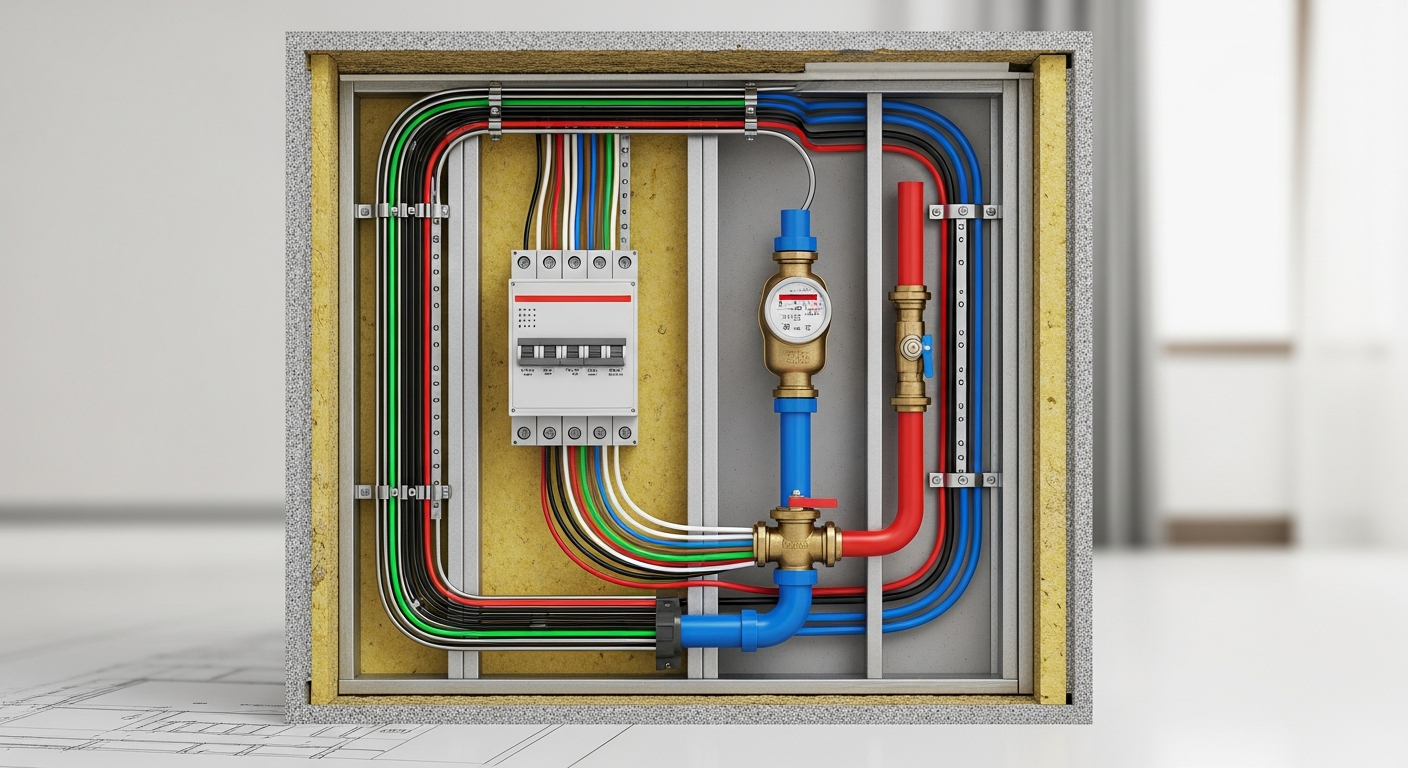
Early Stage Site Assessment and Regulatory Compliance
Every construction project commences with a thorough site assessment. This isn’t just about soil type or topography; it’s crucially about understanding the existing utility landscape. Where are the nearest electrical grid connections? What is the capacity of the local power grid? What are the specifications for water supply lines and wastewater management systems? A comprehensive assessment includes:
- Utility Mapping: Identifying the location of existing underground and overhead utility lines (electrical, water, gas, telecommunications) on and around the property. This often requires contacting local utility providers and using services like “Call Before You Dig” to prevent accidental strikes.
- Zoning and Permitting: Understanding local zoning ordinances, building codes, and environmental regulations is non-negotiable. These dictate everything from setbacks and easements for utility lines to specific requirements for water discharge and electrical safety standards. Obtaining necessary permits early ensures compliance and avoids legal complications down the line.
- Infrastructure Availability: Confirming the availability of adequate municipal water pressure and flow, as well as the capacity of existing sewer systems or suitability for septic solutions. For electrical, this means verifying the nearest transformer capacity and grid stability.
Collaborative Design and Engineering
Effective utility integration is a multidisciplinary effort. Architects, civil engineers, electrical engineers, and plumbing engineers must collaborate closely from the outset. This synergy ensures that utility requirements are factored into the architectural design, structural integrity, and overall site layout. Key aspects include:
- Capacity Planning: Electrical engineers perform detailed load calculations to determine the total electrical demand for the build, factoring in lighting, HVAC, appliances, and future expansion (e.g., EV charging stations, solar panel integration). Similarly, plumbing engineers calculate peak water demand and wastewater output to size pipes, pumps, and drainage systems appropriately.
- Route Planning and Trenching Strategies: Designing the most efficient and least disruptive routes for utility lines, considering factors like soil conditions, existing landscaping, and potential conflicts with other underground infrastructure. Shared trenching strategies can reduce excavation costs and minimize site disturbance, but require careful coordination.
- Future-Proofing and Scalability: Modern builds should anticipate future needs. This means oversizing conduits for future wiring, installing larger diameter water lines where feasible, and designing electrical panels with spare capacity. The integration of smart home technologies, renewable energy sources, and electric vehicle charging infrastructure should be considered during this phase.
Practical Tip: Hold regular interdisciplinary design review meetings. These forums allow for early identification of potential conflicts or inefficiencies, fostering solutions before construction even begins. Consider using Building Information Modeling (BIM) software, which can simulate utility routing and detect clashes digitally.
Powering Progress: Integrating Electrical Access in Builds
Electrical access is more than just flipping a light switch; it’s a complex network designed to safely and efficiently deliver power throughout a structure. Proper integration is critical for safety, functionality, and compliance with stringent electrical codes.
From Grid Connection to Internal Distribution
The process of bringing electricity into a building involves several key stages:
- Service Entrance: This is the point where electrical power enters the building from the utility grid, typically via overhead lines or underground conduits. The service entrance equipment includes the meter (to measure consumption), the service disconnect (a main breaker to cut all power), and the main service panel (or breaker panel).
- Main Service Panel: This central hub distributes electricity to various circuits within the building. It houses circuit breakers that protect against overcurrents and short circuits. Proper sizing of the main panel is essential to accommodate current demand and future expansion.
- Branch Circuits and Wiring: From the main panel, electricity flows through branch circuits to individual outlets, lights, and appliances. The selection of wiring materials (e.g., copper vs. aluminum), wire gauge, and wiring methods (e.g., conduit, non-metallic sheathed cable) must comply with the National Electrical Code (NEC) and local amendments.
- Grounding and Bonding: A robust grounding system is paramount for safety. It provides a path for fault currents to safely dissipate into the earth, preventing electrical shock and protecting equipment. Bonding connects all metallic parts of the electrical system to the grounding electrode, ensuring they are at the same electrical potential.
Safety Standards and Emerging Technologies
Adherence to electrical safety standards is not just a regulatory requirement; it’s a moral imperative. Regular inspections by qualified electricians and compliance with the NEC are critical. Beyond fundamental safety, modern electrical integration increasingly incorporates advanced technologies:
- Surge Protection: Whole-house surge protectors safeguard sensitive electronics from power spikes, extending their lifespan.
- Arc-Fault Circuit Interrupters (AFCIs) and Ground-Fault Circuit Interrupters (GFCIs): These devices detect dangerous electrical conditions (arcs that can cause fires, or ground faults that can cause shocks) and quickly cut power, offering enhanced protection in residential and commercial settings.
- Electric Vehicle (EV) Charging Infrastructure: With the rise of EVs, integrating dedicated high-voltage circuits and charging stations (Level 2 or DC fast chargers) during construction is becoming a standard expectation for future-proof builds.
- Renewable Energy Integration: Solar photovoltaic (PV) systems, battery storage, and even wind turbines are being seamlessly integrated into building electrical systems, requiring careful design for grid-tied or off-grid operation and safety interlocks.
- Smart Home and Building Management Systems (BMS): These systems allow for centralized control and automation of lighting, HVAC, security, and appliances, optimizing energy use and enhancing convenience.
Actionable Advice: During the rough-in electrical phase, ensure all boxes are properly mounted, wires are secured, and correct conductor sizing is used for each circuit. Documenting the electrical panel layout and circuit assignments is crucial for future maintenance and troubleshooting.
The Flow of Life: Water Access, Supply, and Management
Water access encompasses not just the supply of potable water but also the efficient and hygienic management of wastewater and stormwater. This multi-faceted utility demands careful planning and execution to ensure health, safety, and environmental responsibility.
Potable Water Supply and Distribution
Access to clean, safe drinking water is fundamental. This typically involves connecting to a municipal water main or developing a private well system:
- Municipal Connection: This involves tapping into the local water utility’s main line. Key considerations include adequate water pressure (often requiring booster pumps for taller buildings or distant properties) and sufficient flow rates to meet peak demand. A main shut-off valve and backflow prevention device are essential components.
- Well Systems: For rural or off-grid builds, a private well may be necessary. This requires hydrogeological assessment, proper well drilling, pump selection, pressure tank installation, and often water treatment systems (filtration, softening, purification) to ensure water quality.
- Internal Plumbing: Once water enters the building, it’s distributed through a network of pipes to fixtures like sinks, showers, toilets, and appliances. Materials commonly include copper, PEX (cross-linked polyethylene), or CPVC (chlorinated polyvinyl chloride), each with specific applications and installation requirements.
- Hot Water Systems: Integrating efficient hot water systems, such as conventional tank heaters, tankless (on-demand) heaters, or even solar water heaters, is crucial. Placement considerations include accessibility for maintenance and proximity to high-demand areas to minimize heat loss.
Wastewater and Stormwater Management
Equally important is the safe and efficient removal of wastewater and the effective management of stormwater runoff:
- Wastewater Management:
- Sewer Systems: Buildings connected to municipal sewer systems channel wastewater through gravity-fed or pumped lines to treatment plants. Proper slope and vent piping are critical for preventing blockages and ensuring odor control.
- Septic Systems: For properties without municipal sewer access, a septic system involves a septic tank for primary treatment and a drain field for secondary treatment and effluent disposal. Design requires a thorough soil percolation test and adherence to strict health department regulations.
- Stormwater Management: Uncontrolled stormwater runoff can lead to erosion, flooding, and pollution. Integrated solutions include:
- Drainage Systems: Gutters, downspouts, French drains, and catch basins direct runoff away from the building foundation.
- Permeable Surfaces: Utilizing permeable pavers, porous asphalt, or green roofs to allow water to infiltrate the ground naturally, reducing runoff volume.
- Retention/Detention Ponds: Designed to temporarily hold or permanently retain stormwater, releasing it slowly or allowing it to evaporate, mitigating downstream flooding.
- Rainwater Harvesting: Collecting rainwater from roofs for non-potable uses like irrigation or toilet flushing, reducing demand on municipal supplies.
Practical Tip: Install accessible shut-off valves at critical points (main service, individual fixtures) to facilitate maintenance and emergency repairs. Consider investing in high-quality, durable plumbing materials to minimize leaks and extend system lifespan.
Navigating the Hurdles: Challenges and Best Practices for Longevity
Despite meticulous planning, utility integration can present challenges. Anticipating and addressing these can save significant time and resources, ensuring the longevity and efficiency of the installed systems.
Common Challenges in Utility Integration
- Unforeseen Site Conditions: Encountering bedrock, contaminated soil, or unmarked existing utilities during excavation can lead to costly delays and redesigns.
- Coordination Failures: Lack of communication between different trades (e.g., plumbers, electricians, excavators) can result in conflicts, damage to installed utilities, or inefficient routing.
- Regulatory Hurdles and Permitting: Navigating complex and sometimes conflicting local, state, and national regulations, coupled with lengthy permit approval processes, can be a major bottleneck.
- Budget Overruns: Unexpected material costs, labor shortages, or the need for specialized equipment can push project budgets beyond initial estimates.
- Accessibility for Maintenance: Utilities often get buried or hidden, making future maintenance, upgrades, or repairs difficult and expensive if not designed with accessibility in mind.
Best Practices for Overcoming Challenges and Ensuring Longevity
- Thorough Geotechnical Surveys: Prior to excavation, conduct comprehensive surveys to understand soil composition, groundwater levels, and potential geological hazards.
- Utility Surveying and Locating: Utilize ground-penetrating radar (GPR) and other technologies to precisely locate existing underground utilities before any digging commences. Always “Call Before You Dig.”
- Integrated Project Delivery (IPD): Embrace collaborative project delivery methods that bring all stakeholders (owner, architect, engineers, contractors) together early, fostering shared risk and reward, and improving communication.
- Robust Documentation: Maintain detailed “as-built” drawings of all utility layouts, including exact depths, materials used, and connection points. This is invaluable for future maintenance, repairs, and expansions.
- Quality Control and Inspections: Implement rigorous quality control measures throughout the installation process. Regular inspections by certified professionals ensure compliance with codes and prevent future failures.
- Material Selection: Opt for high-quality, durable, and corrosion-resistant materials for both electrical conduits and plumbing pipes, especially for underground installations, to withstand environmental stresses and ensure long service life.
- Consider Climate Resilience: Design utilities to withstand local climate threats, such as extreme temperatures, heavy rainfall, or seismic activity. For example, elevate electrical panels in flood-prone areas.
Actionable Advice: Mandate cross-trade coordination meetings on-site, especially during the rough-in and utility trenching phases. A designated utility coordinator can be instrumental in resolving potential conflicts proactively.
The Future-Ready Build: Smart, Sustainable, and Resilient Utilities
As technology advances and environmental consciousness grows, the integration of electrical and water utilities is evolving towards smarter, more sustainable, and resilient systems. Future-proofing a build means looking beyond immediate needs.
Embracing Smart and Sustainable Utility Solutions
- Smart Grids and Water Networks: Integration with smart grid technologies allows for real-time monitoring of energy consumption, demand response programs, and enhanced grid stability. Similarly, smart water networks use sensors and data analytics to detect leaks, monitor water quality, and optimize distribution.
- Decentralized Utility Systems: For increased resilience and sustainability, some builds are moving towards partially or fully decentralized utility systems. This includes microgrids for electrical power (combining solar, battery storage, and sometimes generators) and on-site water treatment and recycling facilities.
- Renewable Energy Sources: Beyond solar panels, future builds may incorporate small-scale wind turbines, geothermal heating and cooling, or even biomass generators, all seamlessly integrated into the electrical system.
- Water Conservation and Reuse: Advanced greywater recycling systems (treating water from sinks and showers for irrigation or toilet flushing) and blackwater treatment systems (treating all wastewater on-site) are becoming more sophisticated and economically viable.
- Data-Driven Management: Utilizing building management systems (BMS) and IoT (Internet of Things) sensors to gather data on utility usage, identify inefficiencies, predict maintenance needs, and automate controls for optimal performance.
Actionable Advice: When designing for smart utilities, prioritize open-source protocols and interoperability to avoid vendor lock-in and ensure future compatibility with evolving technologies.
Conclusion
The integration of electrical and water infrastructure is a monumental undertaking that underpins the very functionality and habitability of any build. It demands meticulous planning, expert engineering, cross-disciplinary collaboration, and an unwavering commitment to safety and quality. From the initial site assessment and navigating regulatory complexities to implementing cutting-edge technologies like smart grids and advanced water recycling, every decision has profound implications for a project’s success and its long-term performance.
By prioritizing thoughtful design, anticipating challenges, and embracing sustainable, future-ready solutions, builders and developers can create structures that are not only aesthetically pleasing but also robustly functional, energy-efficient, and resilient in the face of evolving environmental and technological landscapes. Investing in proper utility integration isn’t just about meeting codes; it’s about building a foundation for sustainable living and operational excellence for generations to come.