
Building a greenhouse is an investment in your gardening or agricultural future, promising year-round cultivation and protection for your precious plants. However, the integrity of this controlled environment hinges critically on one often-overlooked factor: the impact resistance of its glazing materials. From unexpected hailstorms and powerful winds carrying debris to accidental knocks during maintenance, your greenhouse glazing faces numerous threats. Understanding impact resistance standards isn’t just about preventing costly repairs; it’s about safeguarding your crops, ensuring operational continuity, and maintaining a safe environment. This comprehensive guide delves into the world of impact resistance for greenhouse glazing, helping you make informed decisions for a resilient and long-lasting structure.
Why Impact Resistance is Crucial for Greenhouse Glazing
The protective skin of your greenhouse—its glazing—is constantly exposed to the elements and potential hazards. When this skin is compromised, the consequences can range from minor inconveniences to significant financial losses.
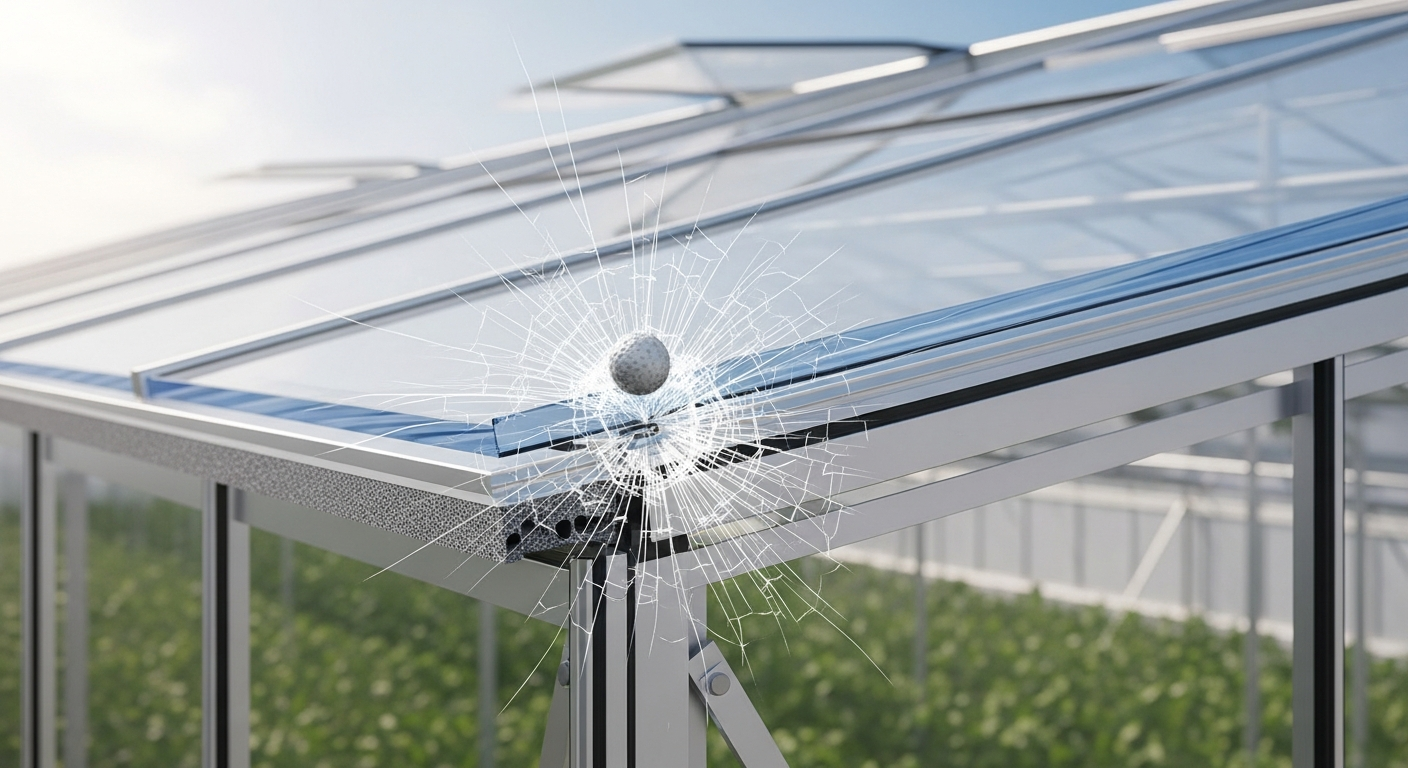
Threats to Greenhouse Glazing Integrity
- Extreme Weather Events:
- Hail: One of the most common and destructive forces, hailstones can vary in size and velocity, leading to anything from minor pitting to complete shattering of glazing panels.
- High Winds and Wind-borne Debris: Strong gusts can exert immense pressure on panels, while flying objects like branches, gravel, or even misplaced tools can become dangerous projectiles.
- Snow and Ice Loads: While not a direct impact, accumulated snow and ice can stress glazing materials, making them more susceptible to impact damage if weakened.
- Accidental Impacts:
- Operational Accidents: Tools dropping, equipment bumping, or personnel errors during maintenance or planting can cause unexpected damage.
- Wildlife: Birds, small animals, or even larger critters can sometimes collide with glazing, particularly in areas where greenhouses are integrated into natural landscapes.
- Vandalism: Unfortunately, greenhouses can sometimes be targets of deliberate damage, making robust glazing a practical deterrent and protective measure.
Consequences of Compromised Glazing
When impact resistance fails, the repercussions extend far beyond a broken pane:
- Crop Damage: Exposed to harsh weather, pests, or disease, plants can suffer significant setbacks or even be entirely lost, negating the purpose of the greenhouse.
- Energy Loss: Gaps and cracks in glazing lead to heat loss in winter and cooling loss in summer, drastically increasing heating and cooling costs and making temperature control difficult.
- Increased Repair and Maintenance Costs: Replacing damaged panels is expensive, both in terms of material cost and labor. Frequent repairs eat into profits and operational time.
- Safety Hazards: Shattered glass or dislodged panels pose direct risks to personnel and visitors from sharp edges or falling debris.
- Structural Integrity: Severely damaged glazing can compromise the overall structural stability of the greenhouse, especially during subsequent high-wind events.
Common Greenhouse Glazing Materials and Their Impact Properties
The market offers a variety of glazing materials, each with unique properties regarding light transmission, insulation, and, critically, impact resistance.
Glass Glazing Options
- Standard Float Glass (Annealed Glass): This is the most basic and least impact-resistant form of glass. When it breaks, it shatters into large, sharp shards, posing a significant safety hazard. While offering excellent light transmission, its brittleness makes it unsuitable for areas prone to impacts or extreme weather.
- Tempered Glass (Toughened Glass): Manufactured through a process of controlled thermal or chemical treatments, tempered glass is four to five times stronger than annealed glass of the same thickness. When it breaks, it fragments into small, relatively harmless granular chunks, greatly reducing injury risk. It’s a popular choice for greenhouses due to its enhanced safety and moderate impact resistance against smaller impacts like light hail.
- Laminated Glass: Consisting of two or more panes of glass bonded together with an interlayer (typically PVB or EVA), laminated glass holds together when shattered. The interlayer keeps the glass fragments in place, maintaining the greenhouse’s enclosure and preventing sharp pieces from falling. While offering excellent safety and security, its impact resistance is primarily about containment rather than preventing breakage, and it can be heavier and more expensive.
Plastic Glazing Options
- Polycarbonate (PC):
- Solid Polycarbonate: Often considered the gold standard for impact resistance, solid polycarbonate is virtually unbreakable. It can withstand significant impacts from large hailstones, rocks, and even ballistic forces without shattering. It’s lighter than glass but can be more expensive and may yellow over time if not UV-protected.
- Multiwall Polycarbonate: Featuring multiple layers with air channels, multiwall polycarbonate offers excellent insulation properties alongside superior impact resistance compared to glass. While not as impact-resistant as solid polycarbonate, it’s highly resilient against most hailstorms and debris, making it a popular and cost-effective choice for many commercial and hobby greenhouses.
- Acrylic (PMMA – Polymethyl Methacrylate): Often referred to as Plexiglas, acrylic offers good light transmission and is more impact-resistant than annealed glass, but less so than polycarbonate. It’s lighter than glass and can be a good option for certain applications, but it is more prone to scratching and can crack under severe impact.
- Fiberglass Reinforced Polymer (FRP): Once a common greenhouse material, FRP panels are made from polyester resin reinforced with fiberglass. They offer decent impact resistance, are lightweight, and diffuse light well. However, older FRP can yellow, become brittle, and lose light transmission over time due to UV degradation, making it less durable in the long run than modern polycarbonate.
Understanding Impact Resistance Standards and Testing
To quantify and compare the impact resistance of various glazing materials, standardized testing procedures and classifications have been developed by international and national organizations.
The Purpose of Standards
Impact resistance standards provide a common language for manufacturers, builders, and consumers. They define:
- Test Methodologies: How impacts are simulated (e.g., dropping specified weights, launching projectiles).
- Impact Energy: The force or energy applied during the test.
- Performance Criteria: What constitutes a “pass” or “fail” (e.g., no penetration, no shattering, specific fragment size).
- Classification Systems: Categories or ratings that indicate a material’s level of resistance.
Key Testing Methodologies and Standards
While specific standards can vary by region (e.g., ASTM in North America, EN in Europe), the underlying principles are similar:
- Falling Ball Impact Test: A common method where steel balls of specific weights are dropped from varying heights onto the glazing material. The material is then assessed for breakage, penetration, or cracking. This test simulates impacts from hail or small falling objects.
- Pendulum Impact Test: A weighted pendulum is swung to strike the glazing material. This test measures resistance to impacts from swinging or blunt objects.
- Projectile Impact Test: This involves launching projectiles (e.g., steel balls, shotgun pellets) at controlled velocities to simulate high-speed impacts, such as those from wind-borne debris.
- Building Codes and Wind Load Standards: While not strictly impact resistance, building codes often specify minimum wind load requirements for glazing. These standards dictate how much pressure glazing must withstand without failure, indirectly contributing to resistance against wind-driven impacts.
Interpreting Impact Ratings
When selecting materials, look for classifications or ratings that indicate performance under impact. For example:
- Some standards might classify materials into different “impact classes” based on the maximum energy they can withstand without penetration or significant damage.
- Manufacturers often provide data sheets detailing which specific tests their products have passed and at what energy levels.
- Focus on standards relevant to your local climate and potential threats. If you’re in a hail-prone region, prioritize materials with high hail resistance ratings.
Always consult product specifications and ensure the glazing material you choose meets or exceeds the recommended standards for your region and intended application.
Practical Considerations for Choosing Impact-Resistant Glazing
Selecting the right impact-resistant glazing involves balancing performance, budget, and specific environmental factors.
Assess Your Environment and Risks
- Local Climate: Research historical weather data for your area. Is it prone to severe hailstorms, high winds, or heavy snowfall? This will heavily influence your material choice.
- Proximity to Trees/Structures: Greenhouses near large trees or buildings are more susceptible to falling branches or debris during storms.
- Traffic and Activity: Consider the level of human or equipment activity around the greenhouse. A commercial facility with heavy machinery might require more robust glazing than a backyard hobby greenhouse.
Material Selection Best Practices
- For High Hail and Wind Zones: Multiwall or Solid Polycarbonate is generally the top recommendation due to its superior impact resistance and durability. While the initial cost might be higher than glass, the long-term savings from reduced repairs and crop protection often justify the investment.
- For Moderate Risk Areas: Tempered Glass offers a good balance of light transmission, aesthetic appeal, and enhanced safety compared to annealed glass. It performs well against smaller impacts and provides excellent clarity.
- For Enhanced Safety (but not necessarily impact prevention): Laminated Glass is excellent where shattered glass is a major concern, as it holds fragments in place. It’s often used in public access areas or where security is paramount.
- Consider UV Protection: Many plastic glazings, especially polycarbonate, come with UV-resistant coatings. Ensure these are present to prevent yellowing and degradation over time, which can compromise both light transmission and impact resistance.
Installation and Maintenance Tips
- Proper Framing: Even the most impact-resistant glazing needs a strong, well-designed frame. Ensure the framing system is robust enough to support the glazing and withstand wind loads.
- Secure Fastening: Glazing panels must be securely fastened to prevent them from being dislodged by wind or impact. Follow manufacturer guidelines for fasteners and sealants.
- Expansion and Contraction: Plastic glazing materials expand and contract significantly with temperature changes. Ensure proper allowances are made during installation to prevent buckling or stress cracks.
- Regular Inspection: Periodically inspect your glazing for any signs of damage, such as small cracks, chips, or loose panels. Addressing minor issues promptly can prevent them from escalating.
- Cleaning: Use only recommended cleaning agents and methods for your specific glazing material to avoid scratching or damaging protective coatings.
Conclusion
The impact resistance of your greenhouse glazing is a critical factor in its longevity, operational efficiency, and the safety of your investment. By understanding the threats, recognizing the distinct properties of various glazing materials, and interpreting relevant industry standards, you can make an informed decision that safeguards your plants and structure. Whether you opt for the unparalleled strength of polycarbonate, the clarity and safety of tempered glass, or another material, prioritizing impact resistance is a proactive step toward a more resilient and successful greenhouse operation. Choose wisely, install correctly, and maintain diligently to ensure your greenhouse stands strong against whatever impacts come its way.