
As the days grow shorter and temperatures plummet, greenhouse enthusiasts face a unique set of challenges. Among the most critical, yet often overlooked, is maintaining optimal humidity levels while simultaneously striving to keep the precious warmth locked inside. The winter months can transform your verdant oasis into a breeding ground for problems if humidity isn’t managed correctly. It’s a delicate dance: conserve heat to keep plants cozy, but also allow enough fresh air exchange to prevent the suffocating embrace of excess moisture. Striking this balance is key to ensuring your plants not only survive but thrive through the coldest season, safeguarding them from diseases and fostering vigorous growth.
Understanding the Winter Humidity Conundrum
In the winter greenhouse, high humidity isn’t just an inconvenience; it’s a significant threat to plant health. Several factors converge to create this moist environment:
- Reduced Ventilation: To conserve precious heat, vents are often kept closed, severely limiting the exchange of moist indoor air with drier outdoor air.
- Plant Transpiration: Plants continuously release water vapor through their leaves. In a sealed environment, this vapor quickly saturates the air.
- Cold Surfaces: Cold glass, polycarbonate, or plastic walls and roofs cause water vapor in the warmer greenhouse air to condense, leading to dripping and persistent dampness. This condensation provides an ideal breeding ground for pathogens.
- Heating Systems: Some heating systems, particularly unvented heaters, can add moisture to the air as a byproduct of combustion. Even dry heat can create a stark temperature difference that promotes condensation.
- Watering Practices: Water evaporating from soil, benches, and floors contributes significantly to ambient humidity.
The dangers of unchecked high humidity are numerous and severe. The most prevalent issues include:
- Fungal Diseases: High humidity is the primary catalyst for devastating diseases like botrytis (grey mold), powdery mildew, downy mildew, and various forms of rust. These pathogens thrive in stagnant, moist conditions, rapidly spreading and causing significant crop loss.
- Bacterial Blights: While less common than fungal issues, some bacterial diseases also prefer humid environments.
- Root Rot: Persistent dampness, especially combined with overwatering, can lead to anaerobic conditions around roots, causing them to rot.
- Reduced Transpiration: When the air is saturated with moisture, plants struggle to transpire effectively. This can impair nutrient uptake and overall growth.
- Pest Attraction: Certain pests, like fungus gnats, are attracted to moist soil and humid conditions.
Conversely, extremely low humidity, while less common in a closed winter greenhouse, can also cause problems, leading to excessive plant transpiration, wilting, and an increased susceptibility to pests like spider mites. The goal is always a happy medium, often expressed as relative humidity (RH) within a specific range, typically 60-80% for many common greenhouse crops.
The Core Challenge: Balancing Heat Retention and Air Exchange
The fundamental dilemma for winter greenhouse climate control is straightforward: how do you allow enough air exchange to reduce humidity without sacrificing all your carefully generated heat? Opening vents to introduce drier, colder outdoor air inevitably leads to heat loss, increasing energy costs. Keeping vents closed, however, traps moisture, inviting disease.
Understanding Vapor Pressure Deficit (VPD)
While often talked about in terms of relative humidity, a more precise metric for understanding the evaporative demand of the air on plants is Vapor Pressure Deficit (VPD). VPD measures the difference between the amount of moisture in the air and how much moisture the air *could* hold when saturated. A higher VPD means the air is drier and plants will transpire more; a lower VPD (high humidity) means the air is more saturated, and plants transpire less. Monitoring both temperature and humidity to calculate VPD can give a more holistic picture of your greenhouse environment, allowing for finer tuning of climate settings. However, for most home greenhouse enthusiasts, maintaining relative humidity within an optimal range is a practical and effective approach.
The Interplay of Heating and Ventilation
Heating systems don’t just add warmth; they play a crucial role in humidity management. Warmer air has a greater capacity to hold moisture. By raising the air temperature, you can effectively lower the relative humidity, even if the absolute amount of water vapor remains the same. This principle is vital for the strategy of “heating and venting” simultaneously.
Meanwhile, proper air circulation is non-negotiable. Stagnant air allows pockets of high humidity to form around plant canopies, creating microclimates ripe for disease. Even if overall humidity is acceptable, poor circulation can still lead to problems.
Practical Strategies for Winter Humidity Management
Effective humidity control in your winter greenhouse requires a multi-pronged approach, integrating environmental controls with smart cultural practices.
Strategic Ventilation Techniques
- Timed Venting: Instead of continuous venting, open vents for short, precise intervals. The best time is typically during the warmest part of the day (mid-morning to early afternoon) when outdoor air is slightly warmer and drier. Even a 10-15 minute vent opening can make a significant difference.
- Crack Vents: Utilize automatic vent openers that allow vents to open just a crack. This provides slow, continuous air exchange without excessive heat loss.
- Cross-Ventilation: If your greenhouse design allows, open vents on opposite sides to create a gentle airflow, flushing out humid air more effectively.
- Heat and Vent (Purge Cycle): This is a powerful technique. Briefly raise your greenhouse temperature setting by a few degrees while simultaneously opening vents. The warmer air, capable of holding more moisture, will be flushed out. This is a short-term, energy-intensive process but highly effective at “drying out” the greenhouse atmosphere.
- Automated Systems: For serious growers, integrating a humidistat with your vent and heater controls is invaluable. These systems can automatically open vents when humidity reaches a set point and close them when it drops, often coordinating with heating to maintain the desired balance.
Optimizing Heating for Humidity Control
- Differential Heating: Consider setting your night-time temperature slightly higher than strictly necessary for plant growth. This creates a larger temperature difference with the outside, reducing condensation, and allows for more effective moisture removal during day-time venting cycles.
- Under-Bench Heating: Keeping the root zone slightly warmer than the air can promote healthier plant metabolism and help prevent condensation on lower leaves.
- Fan-Forced Heaters: While they can be less energy-efficient than radiant heaters for direct plant warmth, fan-forced heaters excel at moving and mixing air, which aids in drying out the greenhouse.
Ensuring Robust Air Circulation
- Horizontal Air Flow (HAF) Fans: These are critical. Position HAF fans to create a continuous, gentle air current that sweeps through the entire greenhouse, preventing stagnant air pockets. This equalizes temperature and humidity throughout the space, significantly reducing condensation and the risk of disease.
- Oscillating Fans: Smaller oscillating fans can supplement HAF systems, especially in corners or dense plant areas, to ensure every plant receives some air movement.
- Under-Bench Fans: If you have solid benches or dense planting, small fans underneath can help move air and prevent moisture buildup at the soil level.
Smart Cultural Practices
- Watering Wisely: Water plants in the morning on sunny days, allowing excess moisture to evaporate throughout the day. Avoid watering late in the afternoon or evening during winter.
- Sub-Irrigation: Consider methods like capillary mats or ebb and flow systems that water from below, reducing the amount of surface evaporation directly into the air.
- Adequate Spacing: Give your plants enough room to breathe. Overcrowding restricts air movement around foliage, creating ideal microclimates for disease.
- Pruning: Regularly remove dead, diseased, or yellowing foliage. This debris can trap moisture and harbor pathogens. Pruning also improves air circulation within the plant canopy.
- Greenhouse Cleanliness: Keep your greenhouse floor and benches clean. Remove fallen leaves and plant debris which can hold moisture and encourage pests and diseases.
Supplemental Dehumidification
For some growers, especially those in very humid climates or with high-value crops, a dedicated dehumidifier can be a valuable tool. While energy-intensive, modern dehumidifiers are efficient at extracting moisture from the air. They are particularly useful for maintaining specific humidity targets or during prolonged periods of overcast, damp weather when venting isn’t feasible.
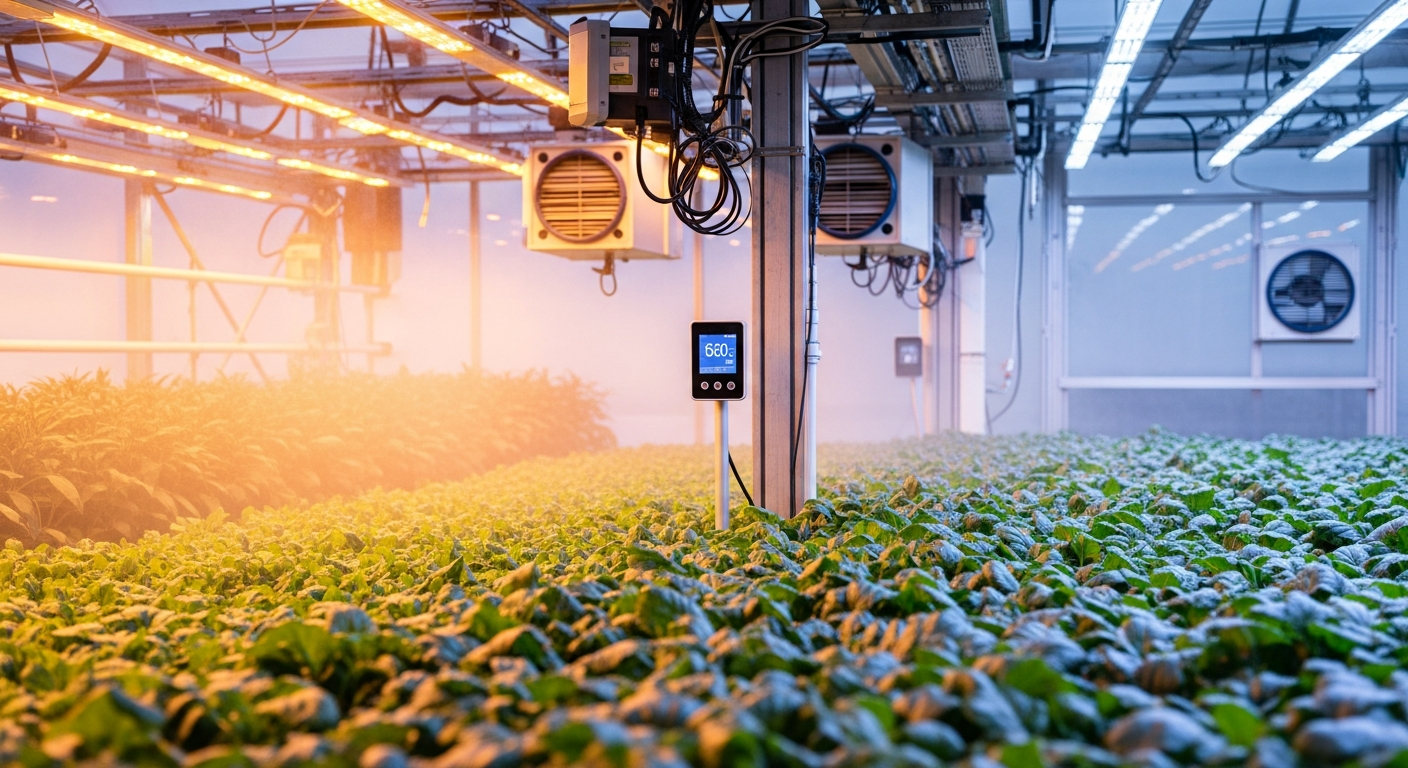
Regardless of your chosen methods, constant monitoring is paramount. Invest in a reliable digital hygrometer (humidity meter) and thermometer. Ideally, place sensors at plant level in various locations to get an accurate picture of your greenhouse environment.
Conclusion
Managing humidity in a winter greenhouse is an intricate but essential aspect of successful cultivation. It’s a continuous balancing act between conserving heat and ensuring adequate fresh air exchange to prevent the onset of damaging fungal diseases and maintain optimal plant health. By understanding the causes of high winter humidity and implementing a combination of strategic ventilation, optimized heating, consistent air circulation, and mindful cultural practices, you can create a resilient and productive environment for your plants. Regular monitoring with reliable sensors is your best friend in this endeavor, allowing you to adapt and refine your strategies as the winter season unfolds. Master this balance, and your greenhouse will remain a thriving haven, even in the coldest months.