
As greenhouse enthusiasts, we pour our hearts and souls into cultivating the perfect environment for our plants. Yet, one of the most persistent challenges, especially during warmer months or in sun-drenched climates, is managing internal temperatures. Excessive heat can quickly turn your thriving oasis into a sauna, leading to plant stress, stunted growth, and even crop failure. While traditional methods like ventilation, fans, and shade cloths are essential, there’s an often-overlooked, highly effective solution gaining traction: using reflective paints on greenhouse exterior surfaces. This innovative approach can significantly reduce heat gain, creating a cooler, more stable internal climate for your cherished plants and potentially saving you on energy costs.
The Overheating Challenge in Greenhouses
Greenhouses, by their very design, are brilliant at capturing solar energy – it’s how they work their magic to extend growing seasons and protect delicate crops. However, this efficiency can become a double-edged sword when ambient temperatures rise. The transparent or translucent panels allow solar radiation to penetrate, warming the interior air and surfaces. This trapped heat, known as the greenhouse effect, is fantastic for warmth during colder periods but can lead to severe overheating. Temperatures can soar far beyond ideal ranges, often exceeding outdoor temperatures by 10-20°F (5-11°C) or more on a sunny day.
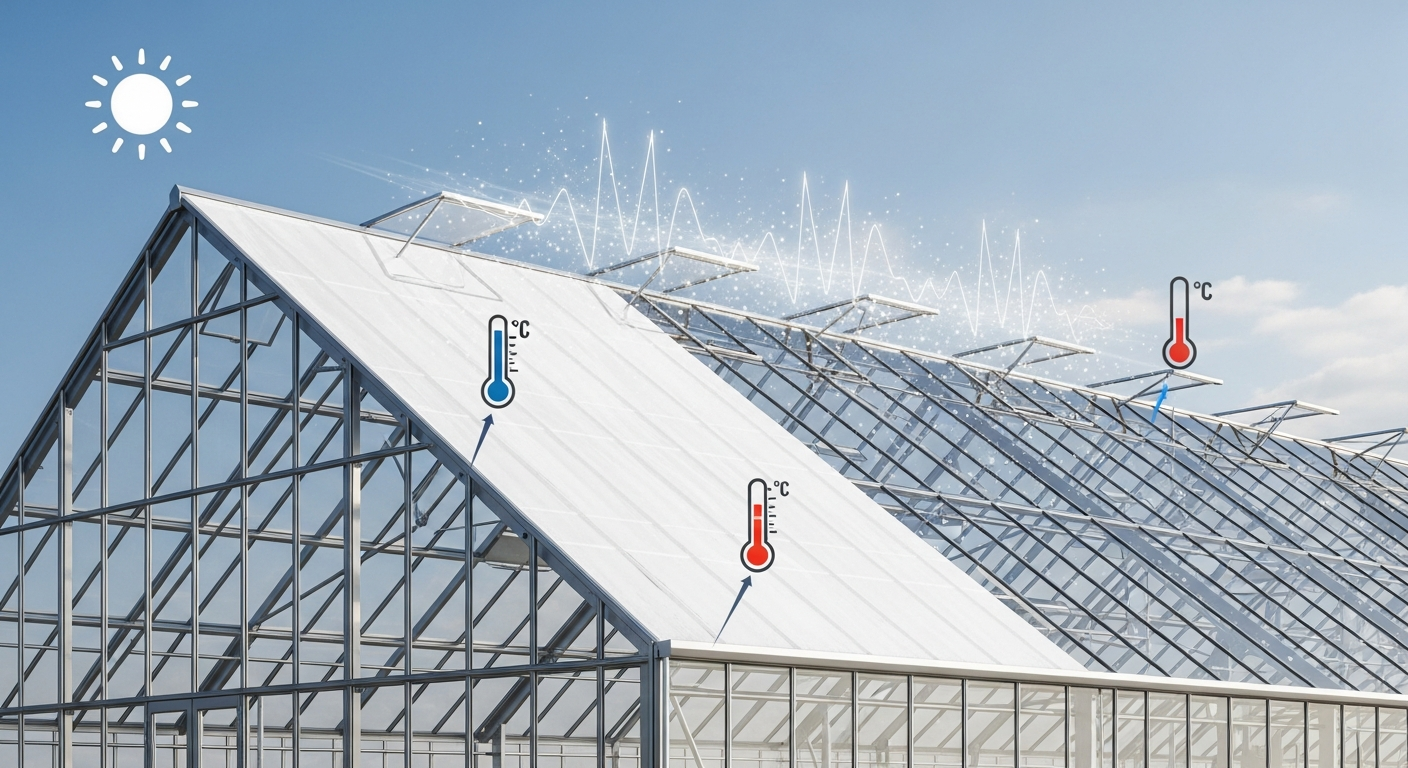
Such extreme heat has detrimental effects on plant health. High temperatures accelerate respiration, causing plants to use up their energy reserves faster than they can produce them through photosynthesis. This leads to wilting, scorched leaves, flower drop, reduced fruit set, and overall poor growth. Continuously battling this heat with fans and evaporative coolers requires significant energy, increasing operational costs and your carbon footprint. This is where a proactive approach to preventing heat from entering in the first place, such as applying heat-reflective coatings, becomes invaluable for effective greenhouse climate control.
How Reflective Paints Work Their Cooling Magic
Unlike standard paints that merely offer aesthetic appeal or protection, reflective paints are engineered with specialized pigments and binders to perform a crucial thermal function: they reflect a significant portion of the sun’s energy away from the surface. This is not just about making a surface look white; it’s about its spectral properties. The two primary characteristics that define a paint’s cooling capability are:
- Solar Reflectance (SR): This measures the fraction of solar energy reflected by a surface. A higher SR value means more sunlight (including visible, ultraviolet, and near-infrared light) is bounced away rather than absorbed as heat.
- Thermal Emissivity (ε): This refers to a material’s ability to radiate absorbed heat away from its surface. A high emissivity means that any heat that is absorbed is quickly re-radiated, preventing it from transferring into the structure below.
These paints are often referred to as “cool paints” or “cool roof” coatings because they dramatically reduce the amount of solar radiation absorbed by the exterior surfaces of your greenhouse. By lowering surface temperatures, they directly contribute to lower internal greenhouse temperatures. Imagine your greenhouse roof as a radiant barrier; instead of absorbing the sun’s powerful rays and radiating that heat inwards, a reflective coating acts like a mirror, sending much of that energy back into the atmosphere. This significantly minimizes heat gain and creates a much more comfortable environment for your plants, reducing the burden on your active cooling systems.
Selecting the Optimal Reflective Paint for Your Greenhouse
Choosing the right reflective paint is crucial for maximizing its cooling benefits and ensuring longevity. Not all white paints are created equal, and specific formulations are designed for superior solar reflectance and durability. Here’s what to look for:
Key Properties and Types of Reflective Paints:
- High Solar Reflectance Index (SRI): This is a combined measure of solar reflectance and thermal emissivity, indicating how cool a surface will be relative to standard black and white surfaces. Look for paints with an SRI of 80 or higher for maximum cooling effect.
- Acrylic-based Coatings: Many effective cool paints are acrylic or elastomeric acrylics. These offer excellent adhesion, flexibility, and resistance to weathering and UV degradation, which is vital for exterior greenhouse surfaces constantly exposed to the elements.
- Ceramic Microsphere Infusion: Some high-performance paints contain microscopic ceramic spheres. These spheres create a dense, insulative layer that further enhances reflectivity and reduces heat transfer.
- Durability and Weather Resistance: Your chosen paint must withstand harsh weather conditions, including heavy rain, strong winds, and prolonged UV exposure, without chalking, peeling, or losing its reflective properties over time.
- Compatibility with Greenhouse Materials: Ensure the paint is suitable for your specific greenhouse exterior materials, whether it’s metal framing, polycarbonate panels, or other roofing structures. Always check the manufacturer’s specifications.
Practical Tips for Selection:
- Check Specifications: Don’t just pick “white” paint. Look for products specifically marketed as “cool roof coatings” or “heat reflective paints” and check their published SRI, SR, and emissivity values.
- Consider Longevity: Investing in a higher-quality, more durable reflective paint will pay off in the long run through sustained performance and less frequent reapplication.
- Review Warranties: A good warranty can indicate a manufacturer’s confidence in their product’s performance and durability.
- Read Reviews: Look for feedback from other greenhouse owners or commercial facilities that have used the product.
A Step-by-Step Guide to Applying Reflective Paint
Proper application is key to ensuring your reflective paint performs optimally and lasts for years. Follow these steps for the best results:
1. Preparation is Paramount:
- Clean the Surface: Thoroughly clean all exterior surfaces to be painted. Remove any dirt, dust, algae, mildew, loose paint, rust, or other contaminants. A pressure washer with a mild detergent solution is often effective, followed by a rinse. Allow the surface to dry completely.
- Make Repairs: Patch any cracks, holes, or damaged areas on your greenhouse structure before painting. Ensure all seams and fasteners are secure.
- Prime (if necessary): For certain materials, especially bare metal or previously unpainted surfaces, a compatible primer may be required to ensure proper adhesion and longevity of the reflective paint. Check the paint manufacturer’s recommendations.
- Mask Off Areas: Use painter’s tape and plastic sheeting to protect any areas you don’t want painted, such as glass panes, vents, or trim.
2. Application Techniques:
- Stir Thoroughly: Reflective paints often contain suspended pigments that can settle. Stir the paint thoroughly before and during application to ensure an even consistency and optimal performance.
- Work in Optimal Conditions: Apply paint on a dry day with moderate temperatures (usually between 50-90°F or 10-32°C) and low humidity. Avoid painting in direct scorching sunlight, extremely cold weather, or when rain is expected.
- Choose Your Method:
- Rollers: For large, flat surfaces, a high-quality roller (often a lamb’s wool or synthetic nap specifically for smooth to semi-smooth surfaces) provides excellent coverage.
- Brushes: Use a good quality synthetic brush for edges, corners, and detailed areas.
- Sprayers: For very large greenhouses, an airless sprayer can provide the most efficient and even application. Ensure you have proper ventilation and safety gear if spraying.
- Apply Even Coats: Apply the paint in thin, even coats. Avoid applying too thickly, which can lead to drips, uneven drying, and reduced performance. Typically, two coats are recommended for maximum solar reflectance and durability.
- Allow Adequate Drying Time: Follow the manufacturer’s instructions for drying time between coats and before exposing the freshly painted surface to rain or heavy dew.
3. Safety First:
- Always wear appropriate personal protective equipment (PPE), including gloves, eye protection, and a respirator (especially if spraying).
- Ensure good ventilation in your work area.
Beyond Cooling: The Broader Benefits of Reflective Surfaces
While the primary goal of applying reflective paint is to reduce internal greenhouse temperatures, the benefits extend far beyond just cooling. This passive cooling strategy offers a multitude of advantages for both your plants and your wallet:
- Significant Energy Savings: By reducing solar heat gain, reflective paints lessen the workload on your active cooling systems, such as exhaust fans, evaporative coolers, and even air conditioning units. This directly translates into lower electricity bills, providing substantial energy efficiency and operational cost savings over the long term.
- Enhanced Plant Health and Productivity: A cooler, more stable greenhouse environment minimizes heat stress on plants. This leads to improved photosynthesis, better water absorption, reduced wilting, and ultimately, healthier plants, more robust growth, and increased yields. Optimal temperatures are crucial for many crops, from delicate ornamentals to productive vegetables.
- Extended Greenhouse Structure Lifespan: High temperatures and constant thermal expansion and contraction can stress greenhouse materials, leading to premature degradation of roofing panels, seals, and structural components. Reflective coatings protect these surfaces from intense UV radiation and reduce thermal cycling, thus extending the overall lifespan of your greenhouse structure.
- Reduced “Heat Island” Effect: For commercial operations with multiple greenhouses, utilizing reflective surfaces contributes to a reduction in the “urban heat island” effect, where built-up areas become significantly warmer than surrounding rural areas. This broader environmental benefit contributes to more sustainable agricultural practices.
- Improved Worker Comfort: In commercial or larger hobby greenhouses, a cooler interior also means a more comfortable working environment for anyone tending to the plants, leading to increased productivity and morale.
Implementing reflective paints is a smart, sustainable investment that contributes to comprehensive greenhouse management, offering both immediate temperature relief and long-term economic and environmental benefits.
Harnessing the power of the sun by strategically reflecting it away is a truly smart approach to greenhouse cooling. By applying specialized reflective paints to the exterior surfaces of your greenhouse, you can transform it from a heat absorber into a heat deflector. This passive cooling method reduces interior temperatures, significantly cuts down on energy consumption for active cooling systems, and creates a far more stable and conducive growing environment for your plants. It’s an investment that pays dividends in plant health, energy savings, and the overall longevity of your greenhouse structure. Consider integrating this powerful strategy into your climate control plan and experience the benefits of a cooler, more efficient greenhouse today.