
In the bustling heart of every modern greenhouse lies a sophisticated network of electronics, diligently working to monitor, control, and optimize the growing environment. From precision temperature and humidity sensors to automated irrigation controllers, grow light ballasts, and advanced climate control systems, these devices are the unsung heroes of successful cultivation. However, the very environment they aim to manage – hot, humid, and often dusty – poses a significant threat to their longevity and performance. High temperatures are notorious for degrading electronic components, leading to reduced accuracy, premature failure, and costly downtime. Protecting these sensitive systems from the relentless heat of a greenhouse isn’t just a good idea; it’s essential for maintaining optimal growing conditions and safeguarding your investment. This article will explore comprehensive strategies for shielding your vital greenhouse electronics, ensuring they operate reliably for years to come.
Understanding the Threat: Why Heat Degrades Greenhouse Electronics
Electronics are remarkably delicate machines, and their operational limits are often defined by temperature thresholds. When exposed to temperatures exceeding their specified range, electronic components – from microchips and capacitors to power supplies and circuit boards – experience accelerated degradation. This isn’t just about immediate failure; it’s a gradual process that erodes reliability and shortens lifespan.
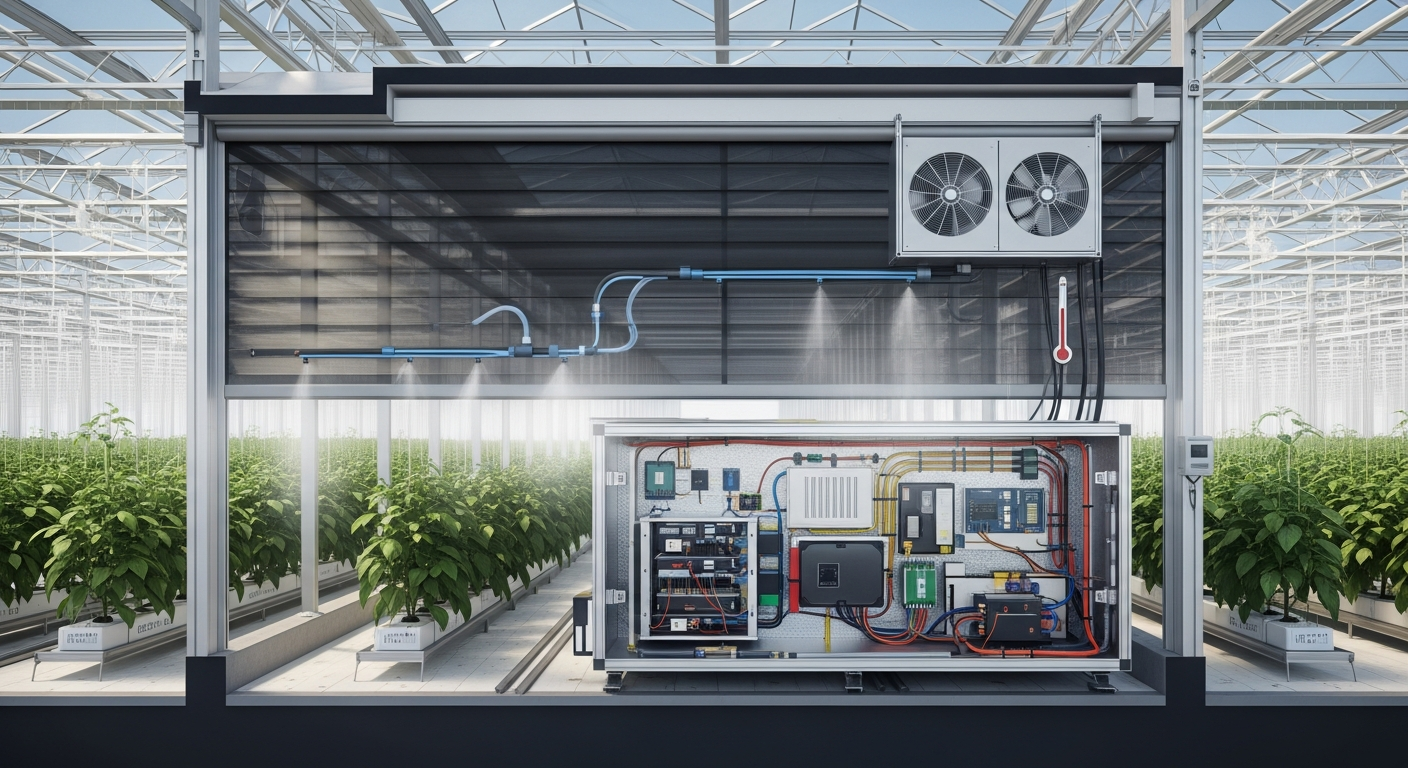
- Accelerated Component Degradation: High temperatures increase the molecular vibration within semiconductors, leading to phenomena like electromigration and thermal runaway. This weakens internal connections and can cause components to fail prematurely. Capacitors, for instance, are particularly susceptible to heat, which can dry out their electrolytes and reduce their capacitance, impacting power stability.
- Reduced Accuracy and Performance: Sensors and controllers calibrated for specific temperature ranges can lose their accuracy when operating in extreme heat. A humidity sensor or temperature probe that’s overheating may provide incorrect readings, leading your climate control system to make poor decisions, such as over-ventilating or under-irrigating.
- Increased Risk of Malfunctions: Overheating can lead to intermittent glitches, unexpected shutdowns, or complete system failures. Imagine your automated ventilation system failing on the hottest day of the year, or your irrigation controller seizing up during a crucial watering cycle.
- Shortened Lifespan and Higher Replacement Costs: Every 10°C increase in operating temperature can effectively halve the lifespan of many electronic devices. This means more frequent replacements, higher maintenance costs, and a greater overall financial burden on your greenhouse operation.
The humid, sometimes corrosive atmosphere of a greenhouse further exacerbates the problem, especially when combined with temperature fluctuations that can cause condensation. Therefore, a proactive approach to thermal management and protection is paramount.
Identifying Vulnerable Electronics in Your Greenhouse
Before implementing shielding strategies, it’s crucial to identify which electronic components in your greenhouse are most susceptible to heat damage. Virtually any device containing circuitry is at risk, but some are more critical or exposed than others.
- Environmental Sensors: Temperature, humidity, CO2, light intensity (PAR), and soil moisture sensors are often directly exposed to the greenhouse environment and rely on accurate readings for optimal control.
- Control Panels and PLCs (Programmable Logic Controllers): These are the brains of your automated systems, managing everything from ventilation fans and heating systems to irrigation pumps and nutrient delivery. They often house sensitive processors and power supplies.
- Grow Light Ballasts and Drivers: High-intensity discharge (HID) lights and LED grow lights generate significant heat themselves, and their associated electronic ballasts or drivers are often designed to operate within specific temperature ranges. Overheating can reduce their efficiency and lifespan.
- Motor Controllers and VFDs (Variable Frequency Drives): Used for ventilation fans, circulation fans, and pump motors, these devices regulate motor speed and power. They can generate considerable heat and are sensitive to ambient temperatures.
- Data Loggers and Network Equipment: Devices that record environmental data or manage network communication (like Wi-Fi routers or Ethernet switches) are vital for monitoring and remote control but can be affected by heat.
- Security Cameras and Monitoring Equipment: While perhaps not directly impacting plant growth, these systems are essential for security and operational oversight and can fail in hot conditions.
Conduct a thorough inventory of all electronic components. Pay attention to manufacturer specifications regarding operating temperature ranges. This information will guide your shielding efforts.
Proactive Strategies for Heat Shielding and Thermal Management
Implementing effective heat shielding requires a multi-faceted approach, combining strategic placement, robust enclosures, and both active and passive cooling solutions.
Strategic Placement and Enclosures
The first line of defense is where you locate your electronics and how you house them.
- Optimal Location: Whenever possible, install sensitive electronics in the coolest, shadiest parts of your greenhouse. This might mean along a north-facing wall, under a solid bench, or even in an adjacent utility room if cabling permits. Avoid direct sunlight exposure.
- Robust Enclosures: Invest in high-quality industrial enclosures. Look for ratings like NEMA 4X or IP65/IP66, which indicate protection against dust, water jets, and corrosive agents – common in greenhouses.
- Material Choice: Polycarbonate enclosures are lightweight, non-corrosive, and offer good insulation. Aluminum or stainless steel enclosures provide excellent heat dissipation if designed with cooling in mind but require careful consideration of condensation.
- Double-Walled Enclosures: For critical equipment, double-walled enclosures create an air gap that acts as an insulator, reducing heat transfer from the outside.
- Elevated Mounting: Mount enclosures off the ground to prevent moisture wicking and improve air circulation around them.
Active Cooling Solutions for Enclosures
When passive methods aren’t enough, active cooling provides targeted heat removal.
- Filtered Fans: The most common and cost-effective active cooling method. Install intake fans with filters at the bottom of the enclosure and exhaust fans at the top to create a positive pressure system and force hot air out. Ensure filters are regularly cleaned to maintain airflow and prevent dust ingress.
- Vortex Coolers: These use compressed air to create a cold air stream (via the Ranque-Hilsch vortex tube effect) for cooling sealed enclosures. They are highly effective for maintaining NEMA ratings and preventing moisture/dust entry but require a compressed air supply.
- Thermoelectric Coolers (Peltier Devices): These solid-state devices use the Peltier effect to transfer heat from inside the enclosure to the outside. They are compact, don’t use refrigerants, and maintain a sealed environment. Their efficiency can decrease in very high ambient temperatures.
- Small Enclosure Air Conditioners: For very sensitive or high-heat-generating components, dedicated enclosure AC units provide precise temperature control, similar to miniature versions of room air conditioners. They are effective but are the most energy-intensive option.
Passive Cooling Techniques
Leveraging natural principles to dissipate heat without moving parts is often the most energy-efficient approach.
- Heat Sinks: Attach heat sinks directly to heat-generating components inside the enclosure (e.g., power supplies, microcontrollers) to draw heat away and dissipate it into the surrounding air.
- Natural Convection Vents: For less critical, lower-power electronics, strategically placed vents (with fine mesh or louvered filters) can allow hot air to rise and escape, drawing cooler air in from below. This maintains the enclosure’s seal against larger debris but won’t protect against fine dust or moisture.
- Reflective Coatings and Materials: Painting the exterior of enclosures with reflective, light-colored paint can significantly reduce solar heat gain. Some enclosures are made from materials that naturally reflect more sunlight.
- External Shade Structures: Installing a small canopy, shade cloth, or awning over outdoor-mounted enclosures can drastically reduce the direct solar radiation they absorb.
- Thermal Paste and Pads: When mounting components that generate heat to a metal chassis or heat sink, use thermal paste or pads to ensure efficient heat transfer.
Environmental Control & Monitoring for the Entire Greenhouse
Controlling the overall greenhouse climate directly benefits your electronics.
- Greenhouse Cooling Systems: Implement effective greenhouse cooling strategies such as shade screens, evaporative cooling (pad-and-fan systems, fogging), and robust ventilation. A cooler greenhouse overall means less heat stress on all components.
- Internal Temperature Monitoring: Install a dedicated temperature sensor inside critical electronic enclosures to monitor their internal temperature. Integrate this with your greenhouse control system or a simple alarm to alert you if temperatures exceed safe limits.
- Remote Alert Systems: Set up automated alerts (email, SMS) to notify you if enclosure temperatures spike, allowing for timely intervention before damage occurs.
Maintenance and Best Practices for Longevity
Effective heat shielding isn’t a one-time setup; it requires ongoing vigilance and maintenance.
- Regular Cleaning: Dust and debris are insulating agents. Regularly clean the interior and exterior of enclosures, especially cooling fins, vents, and fan filters. Accumulations reduce cooling efficiency.
- Inspect Seals and Gaskets: Over time, seals on NEMA-rated enclosures can degrade. Periodically inspect them for cracks or wear to ensure they maintain their dust and moisture protection.
- Fan and Filter Replacement: Fans have a finite lifespan. Listen for unusual noises and replace fans at the first sign of failure. Replace or thoroughly clean filters as part of routine maintenance – clogged filters choke airflow.
- Check for Condensation: In humid environments, temperature differences can lead to condensation inside enclosures. Ensure proper sealing and consider desiccant packs if moisture is a persistent issue. Heaters designed to prevent condensation can also be installed in some critical enclosures.
- Cable Management: Proper cable management within enclosures allows for better airflow and prevents cables from blocking vents or fans.
- System Checks: Periodically verify that your cooling systems (fans, vortex coolers, AC units) are functioning correctly and that internal temperatures are within acceptable ranges.
Conclusion
The electronic systems powering your greenhouse are indispensable tools that enable precision growing, maximize yields, and streamline operations. Yet, they are inherently vulnerable to the very environment they help control. By proactively implementing strategic placement, robust enclosures, and a combination of active and passive cooling techniques, you can significantly extend the lifespan, improve the reliability, and maintain the accuracy of your sensitive greenhouse electronics. Integrating these heat shielding strategies with diligent maintenance practices is a wise investment that prevents costly downtime, ensures consistent performance, and ultimately contributes to the long-term success of your greenhouse endeavors. Protect your tech, and your plants will thrive.