
Heatwaves are becoming an increasingly common and intense challenge for growers worldwide. While greenhouses offer a controlled environment crucial for optimal plant growth, they can quickly become ovens during prolonged periods of extreme heat, amplifying the very conditions we seek to mitigate. This elevated internal temperature poses a significant threat, pushing plants beyond their physiological limits and leading to severe heat stress. Protecting your precious plants from the scorching grip of a heatwave is paramount for maintaining their health, productivity, and overall success. This comprehensive guide from Greenhouse Climates will delve into practical, actionable strategies you can implement to reduce heat stress and ensure your greenhouse flora thrives, even when temperatures soar.
Understanding Heat Stress in Greenhouse Plants
Before we can effectively combat heat stress, it’s essential to understand what it is and how it impacts your plants. Heat stress occurs when temperatures rise above a plant’s optimal range, disrupting various physiological processes vital for survival and growth.
The Physiological Impact of High Temperatures
- Reduced Photosynthesis: High temperatures can damage photosynthetic enzymes and close stomata (tiny pores on leaves), reducing carbon dioxide uptake, which is crucial for photosynthesis. This effectively starves the plant of energy production.
- Increased Respiration: While photosynthesis slows down, respiration often increases with heat, consuming more of the plant’s stored energy reserves. This imbalance leads to a net energy deficit.
- Water Imbalance: Plants try to cool themselves through transpiration (evaporation of water from leaves). During extreme heat, water loss can outpace water uptake, leading to dehydration and wilting.
- Protein Denaturation: Sustained high temperatures can denature proteins within plant cells, impairing cellular functions and leading to cell death.
Visible Symptoms of Heat Stress
Recognizing the signs early can help you intervene before irreversible damage occurs:
- Wilting: A common first sign as plants struggle to maintain turgor pressure.
- Leaf Scorch/Burn: Brown or crispy edges and spots on leaves, indicating tissue damage.
- Stunted Growth: Overall slow or halted development.
- Flower and Fruit Drop: Plants may abort flowers or developing fruits to conserve energy and water.
- Reduced Yield and Quality: Smaller, discolored, or malformed fruits/vegetables.
- Chlorosis: Yellowing of leaves due to chlorophyll degradation.
Greenhouses, by their very nature, trap solar radiation, making plants particularly vulnerable. Understanding these impacts highlights the urgency and importance of robust heat stress management strategies.
Proactive Measures: Preparing Your Greenhouse for Heatwaves
The best defense against heat stress is a good offense. Implementing preventative measures before a heatwave hits can significantly reduce its impact.
Ventilation and Airflow Optimization
Effective ventilation is the cornerstone of greenhouse climate control, especially during hot weather. It helps exchange hot, humid air for cooler, drier air, and prevents the buildup of heat pockets.
- Natural Ventilation: Maximize opening roof vents (ridge vents) and side vents. Ensure they are clean and unobstructed. Hot air rises, so allowing it to escape through ridge vents while cooler air enters through side vents creates a chimney effect.
- Forced Ventilation with Exhaust Fans: Install appropriately sized exhaust fans on one end of the greenhouse and intake shutters on the opposite end. These fans physically pull hot air out, creating negative pressure and drawing in fresh air. Ensure your fans are regularly maintained and clean.
- Horizontal Airflow (HAF) Fans: These internal circulation fans are crucial for breaking up thermal stratification and moving air around plants, dissipating the boundary layer of humid, still air around leaves. They don’t cool the air itself, but make plants feel cooler by improving evaporative cooling from their surfaces.
Shading Solutions
Reducing the amount of direct solar radiation entering your greenhouse is one of the most effective ways to lower internal temperatures.
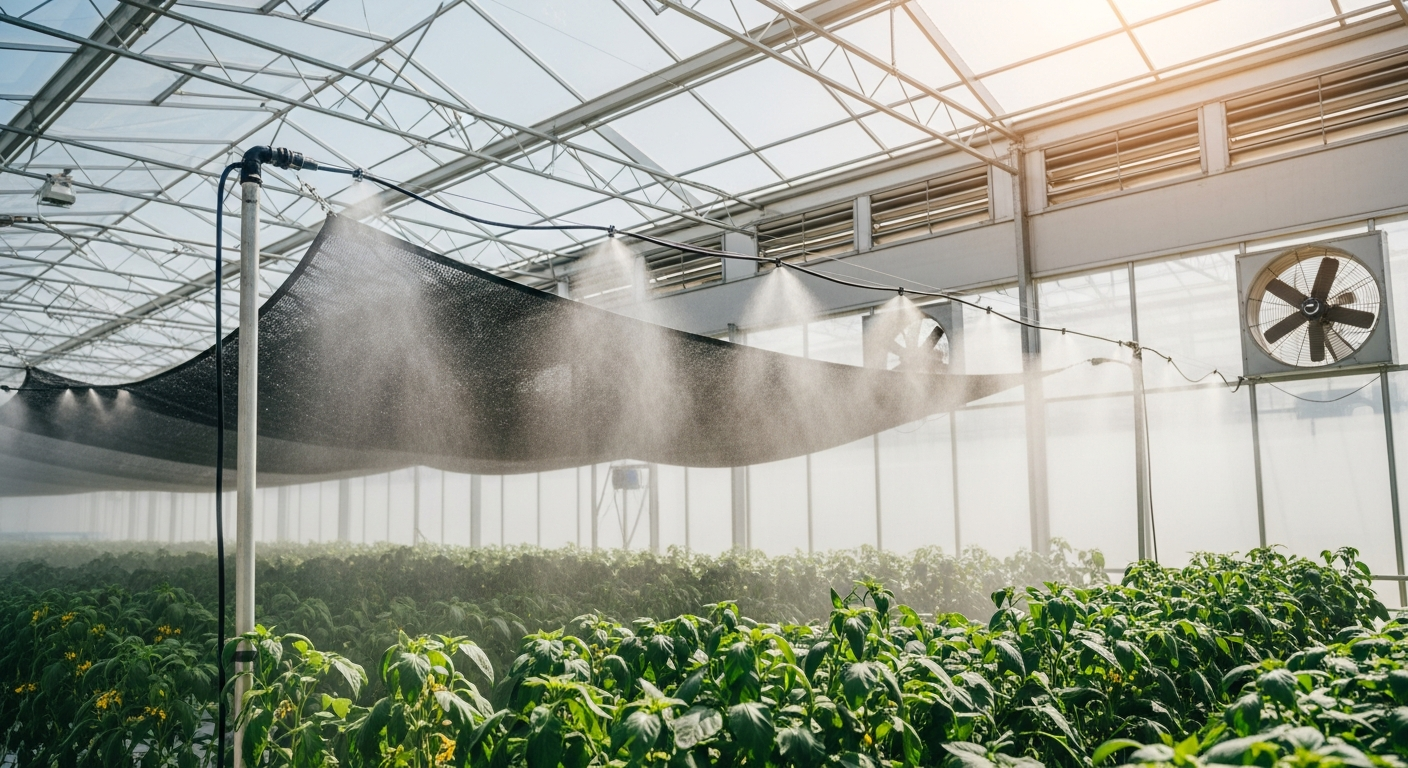
- Shade Cloths: Available in various densities (e.g., 30%, 40%, 50%, 60% shade), shade cloths block a percentage of sunlight. External shade cloths are more effective as they block heat before it enters the structure. Internal shade cloths are also useful but allow some heat to penetrate first. Consider automatic retractable shade systems for flexibility.
- Whitewash or Shading Compounds: These reflective coatings can be applied directly to the greenhouse glazing. They reduce light transmission and reflect solar radiation. They gradually wear off with rain or can be removed manually when cooler temperatures return.
- Strategically Placed Tall Plants/Trees: While less controllable, planting deciduous trees on the south or west side of your greenhouse can offer natural shading in summer and allow light penetration in winter.
Optimizing Irrigation Practices
Proper watering is critical for plant resilience, especially during heatwaves. Plants need adequate moisture to transpire and cool themselves.
- Deep, Consistent Watering: Ensure plants are deeply watered before a heatwave begins. This builds up a reservoir of moisture in the soil.
- Avoid Overhead Watering During Peak Heat: Water droplets on leaves can act like tiny magnifying glasses, intensifying sunlight and causing leaf burn. Also, wet foliage in high heat and humidity can encourage fungal diseases. Focus on watering the root zone.
- Monitor Soil Moisture: Use moisture meters or simply feel the soil to determine when plants need water. Overwatering can lead to root rot, while underwatering causes stress.
Reactive Strategies: Mitigating Heat Stress During a Heatwave
When the temperatures are already soaring, these immediate actions can help protect your plants from the worst of the heat.
Activating Cooling Systems
Beyond basic ventilation, dedicated cooling systems can dramatically lower greenhouse temperatures.
- Evaporative Cooling (Pad and Fan Systems): These systems work by pulling air through a wet cellulose pad. As water evaporates from the pad, it absorbs heat from the air, cooling it significantly before it enters the greenhouse. This is highly effective in dry climates.
- Misting and Fogging Systems: High-pressure foggers or low-pressure misters release fine water droplets into the air, which evaporate and cool the surrounding environment. They also increase humidity, which can be beneficial in very dry heat but needs careful management to prevent fungal issues in humid conditions. Ensure droplets are fine enough to evaporate quickly without wetting leaves extensively.
Strategic Plant Management
Adjusting how you manage your plants can also contribute to their resilience.
- Pruning: Remove any non-essential or yellowing foliage. This reduces the overall leaf surface area that needs to transpire, easing the plant’s water burden and improving air circulation around the canopy.
- Adequate Spacing: Ensure plants are not overcrowded. Good spacing allows for better air circulation around individual plants, preventing localized heat and humidity buildup.
- Elevate Potted Plants: If plants are in pots directly on concrete or asphalt floors, elevate them using pot feet or benches. These surfaces can absorb and radiate significant heat.
- Harvest Timing: For sensitive crops, consider harvesting slightly earlier if they are mature enough, to prevent heat-related damage to produce quality.
Watering Adjustments During Peak Heat
How and when you water during a heatwave can make a big difference.
- Timing is Everything: Water early in the morning, before the day heats up, or late in the evening once temperatures have started to drop. This allows plants to absorb water efficiently before the intense transpiration demand of midday. Avoid watering during peak sun.
- Methodical Watering: Focus on delivering water directly to the root zone using drip irrigation, soaker hoses, or careful hand watering. This minimizes waste and maximizes absorption.
- Frequent Monitoring: Check soil moisture levels multiple times a day during severe heatwaves. Some plants might need water twice daily.
- Consider Anti-Transpirants (Use with Caution): Some products can be sprayed on leaves to reduce water loss. However, they can also slightly impede photosynthesis, so use sparingly and understand their limitations.
Monitoring and Post-Heatwave Recovery
Constant vigilance and thoughtful recovery steps are crucial for long-term plant health.
Environmental Monitoring
Knowledge is power. Accurate and continuous monitoring allows you to make informed decisions.
- Temperature and Humidity Sensors: Place sensors at various heights and locations within your greenhouse to get an accurate picture of the microclimates. Digital sensors with data logging capabilities are invaluable for tracking trends.
- Automated Alerts: Set up alerts for critical temperature or humidity thresholds so you can react quickly, even when not physically present in the greenhouse.
- Light Meters: Monitor light levels to ensure shade systems are providing adequate protection without excessively reducing light for photosynthesis.
Plant Health Assessment
Regularly inspect your plants for signs of stress, adjusting your strategies based on their response.
- Daily Visual Checks: Look for wilting, discoloration, or any changes in growth.
- Leaf Temperature: While more advanced, some growers use infrared thermometers to check leaf surface temperature, which can indicate stress even before visible symptoms appear.
Post-Heatwave Care
Once the heatwave breaks, don’t immediately revert to normal routines. Plants need a period of gentle recovery.
- Gradual Adjustment: Slowly reduce shading and ventilation as temperatures normalize. A sudden change can shock already stressed plants.
- Nutrient Support: After a period of stress, plants may benefit from a gentle foliar feed or a light application of balanced fertilizer to help them recover and resume healthy growth. Avoid heavy feeding immediately after a heatwave.
- Monitor for Secondary Issues: Stressed plants are more susceptible to pests and diseases. Keep a close eye on your plants for any signs of new infestations or infections.
- Assess Soil Health: Ensure proper drainage and aeration in the soil after intense watering periods.
Conclusion
Heatwaves pose a formidable challenge to greenhouse growers, but with a combination of proactive planning and reactive adjustments, you can significantly mitigate the impact of heat stress on your plants. Implementing robust ventilation, effective shading, and intelligent irrigation practices are your primary lines of defense. When temperatures soar, leveraging cooling systems, optimizing plant management, and adapting watering schedules become critical. Remember that vigilant monitoring and thoughtful post-heatwave care are essential for ensuring your plants not only survive but thrive. By integrating these strategies, you can maintain a resilient and productive greenhouse environment, safeguarding your crops even in the face of increasingly challenging climates.