
In the world of greenhouse gardening, maintaining optimal climate conditions is paramount for plant health and productivity. While sophisticated heating and ventilation systems certainly have their place, relying on natural, passive cooling methods offers a sustainable and cost-effective approach to temperature regulation. Among the most effective and widely adopted solutions are roll-up side curtains. These versatile systems provide superior natural ventilation, helping to dissipate excess heat, control humidity, and create a healthier growing environment without the constant draw of electricity. If you’re looking to enhance your greenhouse’s climate control with an energy-efficient solution, installing roll-up side curtains is an excellent investment. This comprehensive guide will walk you through the process, from understanding the components to a step-by-step installation.
Why Roll-Up Side Curtains Are Essential for Greenhouse Climate Control
Overheating is a common and often devastating problem for greenhouse growers. Stagnant, hot air can lead to plant stress, reduced growth, and an increased susceptibility to pests and diseases. Traditional methods like exhaust fans and evaporative coolers consume significant energy, leading to higher operational costs. This is where roll-up side curtains shine, offering a range of benefits:
- Superior Natural Ventilation: By opening the sides of your greenhouse, you allow hot, stale air to escape and fresh, cooler air to enter through convection. This constant exchange of air is crucial for greenhouse ventilation.
- Effective Temperature Regulation: Roll-up curtains enable precise control over the amount of airflow, allowing you to fine-tune the interior temperature. On warm days, opening them fully can drastically reduce heat buildup, preventing your plants from succumbing to heat stress.
- Humidity Control: Good airflow helps to reduce high humidity levels, which can foster fungal diseases and other plant health issues. Natural air movement carries away excess moisture.
- Energy Efficiency: Compared to mechanical cooling systems, roll-up side curtains offer significant energy savings. They utilize the natural movement of air, reducing your reliance on electricity and lowering your carbon footprint. This is a core aspect of passive cooling.
- Pest and Disease Reduction: Proper ventilation creates an environment less conducive to many common greenhouse pests and airborne diseases, which thrive in still, humid conditions.
- Cost-Effectiveness: Both the initial investment and the ongoing operational costs for roll-up curtain systems are generally lower than those for forced-air cooling systems, making them an excellent long-term solution for greenhouse climate control.
Understanding Your Roll-Up Curtain System Components
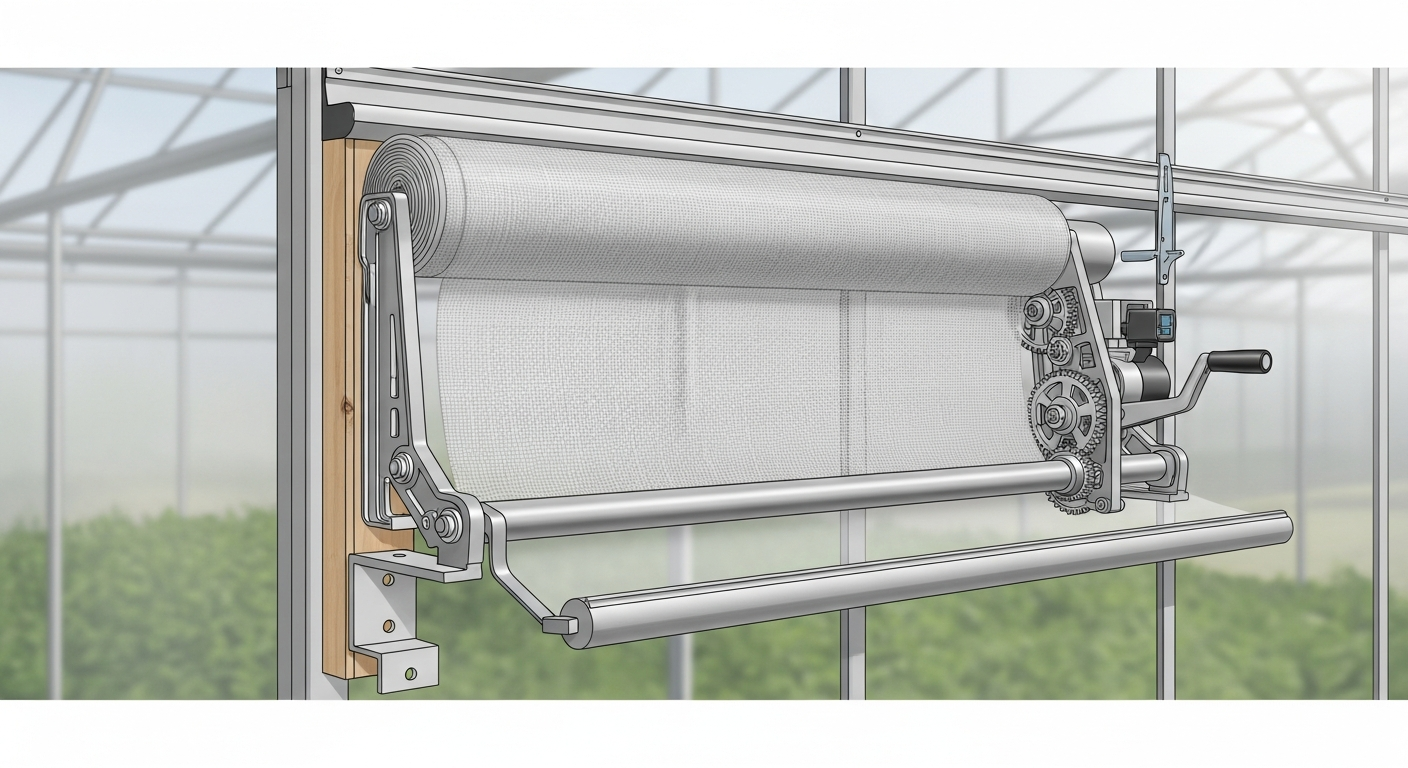
Before you begin installation, it’s helpful to familiarize yourself with the key components of a typical roll-up side curtain system. While specific designs may vary, most systems include:
- Curtain Material: The most common material is UV-stabilized polyethylene (poly film), often 6-mil or 8-mil thick, designed to withstand sun exposure and weather elements. Some systems use woven polyethylene for enhanced durability or specialized shade cloths for specific light and temperature control needs.
- Bottom Roll-Up Pipe/Rail: This is a sturdy pipe (often galvanized steel or aluminum) that slides into a sleeve at the bottom edge of the curtain. It provides weight and rigidity, allowing the curtain to roll up smoothly and evenly.
- Top Attachment Mechanism: The top edge of the curtain needs to be securely fastened to your greenhouse frame. This can involve battens, specialized clips, or extrusion channels that create a tight seal.
- Roll-Up Mechanism:
- Manual Crank System: This is the most common and cost-effective option. It consists of a crank handle, gears, and a shaft that connects to the bottom roll-up pipe, allowing you to manually roll the curtain up or down.
- Motorized System: For larger greenhouses or convenience, motorized systems use a small electric motor, often with a switch or even a remote control, to automate the rolling process. These can sometimes be integrated with environmental control systems that respond to temperature sensors.
- Anti-Billow Straps/Devices: These are optional but highly recommended. They consist of vertical straps or bungee cords attached to the greenhouse frame and the roll-up pipe at regular intervals. They prevent the curtain from flapping excessively in strong winds, improving its lifespan and maintaining a better seal when closed.
- Hardware: Various fasteners, screws, end caps, and connectors are included to assemble the system and attach it to your greenhouse structure.
Step-by-Step Installation Guide for Roll-Up Side Curtains
Installing roll-up side curtains is a manageable DIY project for most greenhouse enthusiasts. Careful planning and execution will ensure a functional and durable system.
Step 1: Prepare Your Greenhouse and Gather Tools
Begin by clearing the area along the side of your greenhouse where the curtains will be installed. Ensure there are no obstructions. Measure the length and height of the side opening accurately. Gather your tools, which typically include:
- Drill and appropriate bits
- Tape measure
- Level
- Utility knife or strong scissors
- Pencil or marker
- Wrenches or sockets (if applicable for hardware)
- Safety gloves and eye protection
Inspect your greenhouse frame to ensure it’s structurally sound and can support the curtain system.
Step 2: Attach the Bottom Roll-Up Pipe/Rail
Unroll your curtain material completely. Locate the sleeve or pocket sewn along the bottom edge of the curtain. Slide the roll-up pipe (usually supplied in sections that connect) into this sleeve. Ensure the pipe extends fully to both ends of the curtain, leaving no slack. The pipe should be perfectly straight within the sleeve.
Step 3: Secure the Top Edge of the Curtain
This is a critical step for both stability and an effective seal. With the bottom pipe in place, unroll the curtain up the side of your greenhouse until the top edge is aligned with the desired attachment point on your greenhouse frame (e.g., a purlin, side post, or dedicated attachment rail). Ensure the curtain is centered and plumb.
Using battens (wooden or metal strips), specialized clips, or an extrusion system, firmly secure the top edge of the curtain to the greenhouse frame. For battens, sandwich the curtain material between the batten and the frame, then screw through both. Aim for a tight, wrinkle-free attachment that creates an airtight seal when the curtain is fully lowered.
Step 4: Install the Roll-Up Mechanism (Crank or Motor)
Mount the crank handle mechanism or the motor bracket at one end of the greenhouse side, typically on an end frame post. Choose a height that is convenient for operation. Use a level to ensure the mechanism is installed perfectly straight. Secure it firmly with the provided fasteners, ensuring it is robust enough to handle the weight and tension of the curtain.
Expert Tip: If installing a motorized system, ensure power access is safe and professionally installed if you are unsure about electrical work. Follow the manufacturer’s specific wiring instructions meticulously.
Step 5: Connect the Curtain to the Mechanism
Once the roll-up mechanism is securely mounted, connect the bottom roll-up pipe (which now contains the curtain) to the mechanism’s shaft. For manual systems, this usually involves sliding the pipe’s end cap onto the crank’s drive shaft and securing it with pins or bolts. For motorized systems, it will involve connecting the motor’s drive output to the pipe’s end. Double-check all connections to ensure they are tight and properly aligned for smooth rotation.
Step 6: Add Anti-Billow Straps (Optional but Recommended)
To prevent your curtains from flapping violently in high winds and improve their insulating properties when closed, install anti-billow straps. These typically consist of webbing or bungee cords that run vertically from the top frame of the greenhouse down to the roll-up pipe. Attach them at regular intervals (e.g., every 4-6 feet along the length of the curtain). Ensure they are taut enough to hold the curtain close to the frame but loose enough to allow the curtain to roll up and down without snagging.
Step 7: Test and Adjust
With all components installed, it’s time to test your new roll-up side curtains. Operate the mechanism to roll the curtain fully up and then fully down. Observe the movement: is it smooth? Does it snag anywhere? Does it close tightly at the bottom and sides? Make any necessary adjustments to tension, alignment, or fasteners. Ensure the curtain rolls evenly without bunching on one side.
Maximizing Efficiency and Maintenance Tips
Once your roll-up side curtains are installed, proper operation and maintenance will ensure their longevity and maximum efficiency for natural cooling.
- Proactive Operation: Don’t wait for your greenhouse to overheat. Open curtains proactively on sunny days, especially during warmer months. Close them at night or during cold spells to retain heat.
- Monitor Conditions: Use a thermometer and hygrometer to monitor internal temperature and humidity. Adjust curtain openings as needed to maintain optimal levels for your specific crops.
- Automate for Precision: If you have a motorized system, consider integrating it with a thermostat or environmental controller. This allows for automated opening and closing based on programmed temperature set points, ensuring consistent temperature regulation.
- Regular Cleaning: Periodically clean your curtain material with mild soap and water to remove dirt, dust, and algae buildup. This maintains light transmission and extends the material’s lifespan.
- Inspect for Damage: Regularly check the curtain for tears, holes, or fraying. Promptly repair any damage with specialized greenhouse film repair tape to prevent further tearing and maintain energy efficiency.
- Lubricate Moving Parts: For manual crank systems, apply a light lubricant to gears and shafts annually to ensure smooth operation. For motorized systems, follow the manufacturer’s maintenance schedule.
- Check Fasteners: Periodically inspect all screws, bolts, and clips to ensure they remain tight and secure, especially after strong winds.
Conclusion
Installing roll-up side curtains is a highly effective and environmentally conscious way to manage the climate within your greenhouse. By harnessing the power of natural ventilation, you can significantly improve greenhouse temperature control, reduce energy costs, and create a healthier, more productive environment for your plants. While the installation requires careful attention to detail, the long-term benefits of enhanced airflow, precise climate control, and reduced operational expenses make it a worthwhile project for any greenhouse enthusiast seeking sustainable and efficient growing practices. Embrace the power of passive cooling and watch your greenhouse thrive!