
The gentle hum of a well-maintained greenhouse is music to any gardener’s ears. It speaks of optimal growing conditions, thriving plants, and efficient energy use. Yet, beneath the obvious elements like structure and glazing material, lies a less visible but equally critical component: the greenhouse glazing seals. These unsung heroes, primarily in the form of gaskets and tapes, are the guardians of your greenhouse environment, playing a pivotal role in everything from energy efficiency and climate control to structural integrity and pest prevention. Understanding the profound importance of gasket and tape performance is essential for anyone looking to maximize their greenhouse’s potential, ensuring a consistent, healthy, and productive growing space.
The Critical Role of Glazing Seals in Greenhouse Performance
Imagine a greenhouse where warm air leaks out as fast as your heating system can generate it, or where cold drafts constantly buffet your tender seedlings. This scenario is precisely what happens when glazing seals are compromised or inadequate. The primary function of these seals is to create a thermal barrier and a watertight enclosure around your glazing panels, be they glass, polycarbonate, or film. This seemingly simple task has far-reaching implications for your greenhouse’s overall performance and your plants’ well-being.
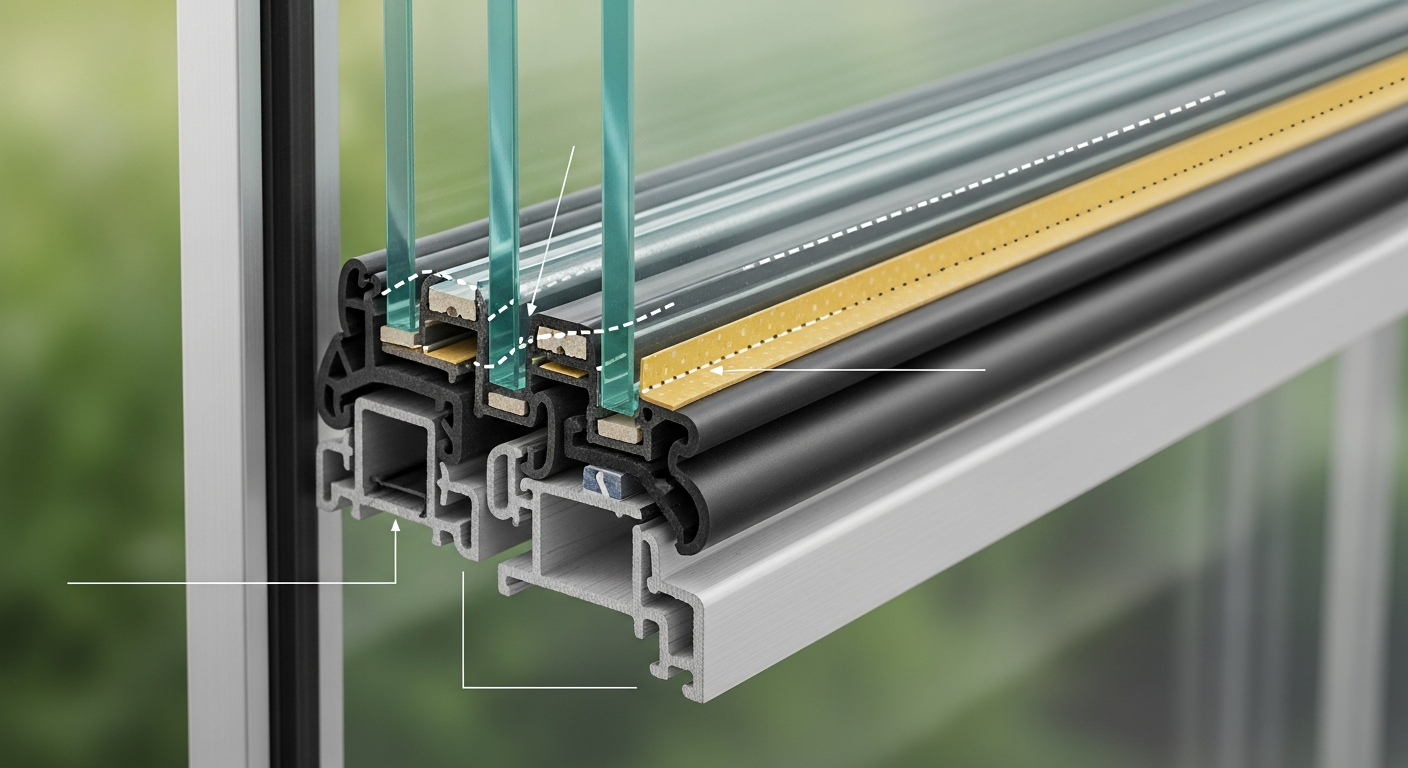
One of the most significant benefits of high-performance greenhouse gaskets and tapes is their contribution to energy efficiency. By preventing heat loss during colder months and minimizing heat gain in summer, they reduce the workload on your heating and cooling systems, translating directly into lower utility bills. Furthermore, robust seals are crucial for maintaining consistent internal temperatures, which is vital for plant growth and development. Fluctuations can stress plants, hinder growth, and even lead to crop failure.
Beyond temperature regulation, glazing seals also act as a formidable barrier against moisture ingress. Water seeping into the structure can lead to rust, rot, and mold growth, damaging both the greenhouse frame and potentially harmful to plants. Properly sealed glazing also helps control humidity levels, reducing the risk of fungal diseases that thrive in damp, stagnant air. Lastly, a well-sealed greenhouse deters pests and insects, creating a more controlled and protected environment for your valuable crops. In essence, the quality of your greenhouse sealing solutions dictates the very conditions within your growing sanctuary.
Understanding Greenhouse Glazing Gaskets: Types and Benefits
Glazing gaskets are flexible strips, often made from rubber or synthetic materials, designed to sit between the glazing panels and the greenhouse frame. Their primary role is to cushion the glazing, absorb shock, and create a tight, continuous seal. The choice of gasket material significantly impacts its performance and longevity.
- EPDM Rubber Gaskets: EPDM (Ethylene Propylene Diene Monomer) gaskets are perhaps the most popular choice for modern greenhouses. They are highly durable, offering excellent resistance to UV radiation, ozone, and extreme temperatures (both hot and cold). EPDM maintains its elasticity over a long period, providing a consistent, long-lasting seal that prevents drafts and water infiltration. This makes them ideal for environments where weather resistance and longevity are paramount.
- Silicone Gaskets: While often more expensive, silicone gaskets offer superior temperature resistance, making them suitable for very hot or cold climates, or where high thermal cycling occurs. They are also incredibly flexible and have excellent UV stability, resisting degradation even under intense sunlight. Silicone’s inert nature means it won’t react with other materials, making it a safe choice for various glazing types.
- PVC Gaskets: Polyvinyl Chloride (PVC) gaskets are a more economical option. They offer good sealing properties and resistance to many chemicals. However, PVC gaskets can become brittle over time, especially when exposed to prolonged UV radiation and extreme temperature fluctuations, leading to cracking and reduced sealing effectiveness. They are generally better suited for less exposed or temporary applications.
When selecting gaskets, consider the type of glazing (glass, twin-wall polycarbonate, acrylic), the climate, and the expected lifespan. High-quality gaskets will maintain their shape and elasticity, ensuring panels remain secure and the greenhouse remains sealed, preventing rattling, structural damage, and costly air leaks.
The Power of Glazing Tapes: Beyond Just Sticking
While gaskets provide the primary seal and cushioning, glazing tapes often complement them, offering additional sealing, cushioning, and thermal breaks. Tapes are particularly useful in situations where gaps need to be filled, panels need extra securing, or a continuous adhesive bond is required.
- Butyl Tape: Known for its exceptional impermeability to moisture and air, butyl tape creates a very strong, permanent, and watertight seal. It remains flexible over a wide temperature range and adheres well to various surfaces, including metal, glass, and polycarbonate. It’s often used for sealing overlaps, joints, and around vents or doors where a robust, long-lasting seal is critical. Its ability to absorb thermal expansion and contraction also prevents stress on glazing panels.
- Foam Glazing Tape: Made from materials like closed-cell PVC or polyethylene, foam glazing tape provides excellent cushioning and shock absorption. It’s often used between glazing panels and the frame to prevent rattling and provide an initial seal. While not as impermeable as butyl, it offers good insulation properties and can fill uneven gaps effectively. Look for foam tapes with UV stability for outdoor applications.
- Acrylic Foam Tape: These high-performance tapes offer incredibly strong, durable bonds and excellent weather resistance. Acrylic foam tapes are often used in structural glazing applications due to their ability to distribute stress evenly, provide vibration dampening, and create a virtually invisible seal. They are highly resistant to UV and temperature extremes.
The strategic use of glazing tape can significantly enhance the performance of your greenhouse. It can prevent cold bridging (where heat is conducted directly through the frame), add an extra layer of defense against drafts, and even improve the aesthetic appeal by creating cleaner lines. Always ensure surfaces are clean and dry before applying any glazing tape for optimal adhesion and performance.
Common Problems and How High-Performance Seals Prevent Them
Investing in high-quality glazing seals is a preventative measure that saves you money and headaches in the long run. Poorly performing or degraded seals are the root cause of many common greenhouse issues:
- Excessive Heat Loss/Gain: Gaps and cracks in seals allow conditioned air to escape, leading to higher heating bills in winter and inefficient cooling in summer. High-performance gaskets and tapes create an airtight envelope, minimizing energy waste.
- Moisture Ingress & Condensation: Leaky seals allow rain, snowmelt, and external humidity to penetrate the greenhouse structure. This moisture can lead to rust on metal frames, rot in wooden structures, and severe condensation problems inside, fostering mold, mildew, and plant diseases. Proper waterproof seals are crucial for a dry, healthy environment.
- Pest and Insect Infestation: Small gaps are invitations for unwanted guests. Insects, spiders, and even rodents can find their way into your greenhouse through compromised seals, potentially damaging plants or spreading diseases. A tight seal acts as a physical barrier, keeping pests out.
- Panel Rattle and Damage: Glazing panels, especially polycarbonate, can expand and contract with temperature changes. Without adequate cushioning from flexible gaskets, panels can rub against the frame, causing abrasions, cracking, or even dislodgement in strong winds. Quality seals absorb these movements, protecting the glazing and maintaining structural integrity.
- UV Degradation: Many standard materials degrade under prolonged UV exposure, becoming brittle and ineffective. UV-resistant gaskets and tapes, such as those made from EPDM or silicone, are formulated to withstand the sun’s harsh rays, ensuring their performance for many years.
By proactively addressing these potential issues with superior durable greenhouse seals, you create a more stable, efficient, and resilient growing environment for your plants.
Choosing and Maintaining Your Glazing Seals for Longevity
Making informed decisions about your greenhouse glazing seals and committing to regular maintenance will extend their lifespan and ensure optimal performance for years to come.
Factors to Consider When Choosing:
- Glazing Material: Ensure the seal material is compatible with your glazing (e.g., some sealants can react with polycarbonate).
- Climate: For extreme temperatures, invest in seals known for their resilience (EPDM, silicone, high-grade butyl).
- UV Exposure: Select UV-stabilized materials to prevent premature degradation.
- Expected Lifespan: Balance initial cost with the long-term benefits of more durable materials.
- Ease of Installation: Some seals are easier for DIY enthusiasts to install than others.
- Manufacturer Recommendations: Always follow the guidelines provided by your greenhouse manufacturer for specific seal types.
Practical Tips for Installation:
- Clean Surfaces: Ensure all surfaces are free of dirt, dust, and grease before applying gaskets or tapes for optimal adhesion.
- Proper Sizing: Use gaskets and tapes that are correctly sized for your glazing and frame profile.
- Even Pressure: Apply tapes with even, firm pressure to ensure a complete bond.
- Avoid Stretching: Do not overstretch gaskets or tapes during installation, as this can lead to shrinkage and gaps over time.
- Work in Moderate Temperatures: Extreme cold can make materials stiff, while extreme heat can make them overly pliable or sticky.
Maintenance for Longevity:
Regular inspection and proactive maintenance are key to the enduring performance of your greenhouse seals.
- Routine Inspection: At least twice a year (spring and fall), thoroughly inspect all glazing seals. Look for signs of cracking, hardening, shrinkage, or gaps. Pay close attention to corners, overlaps, and areas exposed to the most weather.
- Cleaning: Keep seals free of dirt, algae, and moss, which can accumulate and compromise their integrity. Use a mild soap and water solution and a soft brush.
- Repair/Replacement: If you find damaged or degraded sections, address them promptly. Small repairs can prevent larger, more costly problems. Keep spare sealing materials on hand for quick fixes.
- Check for Adhesion: For tapes, gently test the adhesion in a few spots to ensure they are still firmly attached. Reapply or replace if necessary.
By prioritizing these steps, you can significantly extend the life of your optimal greenhouse sealing, ensuring your greenhouse remains a well-protected and productive environment.
Conclusion: The Unseen Foundation of a Thriving Greenhouse
In the grand scheme of greenhouse construction and operation, greenhouse glazing seals might seem like minor components. However, their critical gasket and tape performance forms the unseen foundation of a truly efficient and thriving growing space. From maintaining precise climate control and slashing energy bills to warding off pests and protecting your valuable glazing, the quality and integrity of these seals are paramount. By understanding the different types of gaskets and tapes, their specific benefits, and the importance of regular maintenance, you empower yourself to make informed choices that will dramatically enhance your greenhouse’s performance and longevity. Investing in high-quality greenhouse sealing solutions is not just a detail; it’s a fundamental commitment to the success and sustainability of your horticultural endeavors.