
In the intricate world of horticulture, understanding the unseen rhythms of plant life is crucial for maximizing growth, yield, and overall plant health. Among these vital rhythms, plant dormancy stands out as a critical phase, often misunderstood but profoundly influenced by environmental factors. For greenhouse growers, mastering the art of controlling this natural resting period offers a significant competitive edge. The key to unlocking this control lies in a sophisticated approach to environmental regulation: precise thermal management.
Far from being a mere period of inactivity, dormancy is a strategic survival mechanism, a biological pause that allows plants to conserve energy and prepare for optimal growth when conditions become favorable again. In a controlled greenhouse environment, we have the unique power to manipulate these conditions, steering plants through their dormant phase with unprecedented accuracy. This article will delve into the science behind plant dormancy and reveal how expert thermal management can transform your greenhouse operations, leading to healthier, more productive plants.
Understanding Plant Dormancy: Nature’s Master Plan
Plant dormancy is a complex physiological state characterized by a temporary suspension of visible growth and metabolic activity. It’s a survival strategy evolved over millennia, allowing plants to endure harsh environmental conditions such as extreme cold, drought, or nutrient scarcity. Rather than an interruption to growth, it’s an essential part of the life cycle for many perennial plants, bulbs, and seeds, ensuring their long-term viability and reproductive success.
Types of Dormancy
- Para-dormancy (Quiescence): This is a temporary suspension of growth imposed by unfavorable environmental conditions, such as insufficient water or extreme heat. Growth can resume almost immediately once favorable conditions return. Think of a plant wilting slightly during a hot afternoon, only to perk up in the evening.
- Eco-dormancy: Similar to para-dormancy, eco-dormancy is directly caused by external environmental factors that are unsuitable for growth, most commonly cold temperatures or lack of light. Plants in eco-dormancy can emerge rapidly once conditions improve.
- Endo-dormancy (True Dormancy or Rest): This is the most complex type, where growth is inhibited by internal physiological blocks, even when external conditions are seemingly favorable. To break endo-dormancy, specific internal changes must occur, often triggered by a precise period of chilling. This is the type of dormancy most heavily influenced by precise thermal management in a greenhouse setting.
Why Dormancy is Essential for Plant Health and Productivity
For many plant species, undergoing an adequate period of dormancy is not just beneficial, but absolutely vital for future vigor. Without it, plants may exhibit:
- Reduced or erratic bud break
- Weak and stunted growth
- Poor flowering or fruiting
- Increased susceptibility to pests and diseases
For growers cultivating temperate fruit trees, ornamental bulbs, or certain perennial vegetables, understanding and managing dormancy is paramount to achieving consistent, high-quality yields. It allows the plant to replenish energy reserves, mature internal structures, and reset its hormonal balance, preparing it for a robust burst of growth.
Temperature: The Master Key to Dormancy Initiation and Release
While factors like light duration and water availability play supporting roles, temperature is unequivocally the dominant environmental trigger for both initiating and breaking endo-dormancy in most plants. This makes precise thermal management the most powerful tool in a greenhouse grower’s arsenal for influencing plant cycles.
Initiating Dormancy: Signaling Winter’s Approach
For many perennial plants, a gradual decrease in temperature, often coupled with shortening day lengths, signals the impending winter and prompts the plant to enter dormancy. This process involves a cascade of physiological changes:
- Decreased photosynthetic activity
- Translocation of nutrients and sugars to roots and storage organs
- Shedding of leaves (for deciduous species)
- Development of specialized protective tissues in buds
In a greenhouse, a controlled, gradual reduction in ambient temperatures can mimic this natural process, ensuring plants properly prepare for their resting phase and avoid premature bud break or stress from sudden cold exposure.
Breaking Dormancy: The Chilling Requirement
The concept of “chilling requirement” is central to understanding how temperature breaks dormancy. Many plants, particularly those native to temperate climates, require a specific number of hours at low, non-freezing temperatures (typically between 0°C and 7°C or 32°F and 45°F) to break endo-dormancy. This period, often quantified as “chilling hours,” allows for critical biochemical changes within the plant that enable it to respond to subsequent warm temperatures with vigorous growth.
- Vernalization: A specific type of chilling requirement where exposure to cold temperatures is necessary to induce flowering. Many biennials and some perennial plants require vernalization to transition from vegetative to reproductive growth.
Without sufficient chilling, plants will either remain dormant, exhibit delayed and erratic bud break, or produce weak, malformed growth. The exact chilling hours required vary significantly among species and even cultivars, making species-specific knowledge vital for successful greenhouse climate control.
Practical Thermal Management Strategies for Greenhouse Growers
Implementing effective thermal management in your greenhouse is not just about heating and cooling; it’s about strategic manipulation of temperature to guide your plants through their critical life stages. Here are actionable strategies:
1. Know Your Plants’ Specific Needs
This is the foundation. Research the specific chilling requirements for each plant species and cultivar you intend to grow. This includes:
- The optimal temperature range for chilling.
- The total number of chilling hours required.
- Any specific triggers for dormancy initiation or breaking (e.g., photoperiod sensitivity).
2. Controlled Cooling for Dormancy Induction
If you’re growing plants that require a winter rest, gradually lower your greenhouse temperatures during the autumn months. Avoid sudden drops that can shock plants. Implement:
- Gradual Thermostat Adjustments: Reduce temperatures by a few degrees each week.
- Enhanced Ventilation: Utilize natural ventilation or exhaust fans during cooler nights to bring down ambient temperatures without excessive energy use.
- Shade Cloths: If daytime temperatures remain high, consider shade cloths to prevent overheating and help maintain cooler overall conditions.
3. Achieving and Maintaining Chilling Requirements
Once plants are dormant, the goal is to provide the consistent, low temperatures necessary to meet their chilling requirements. This can be the most energy-intensive phase, requiring careful planning:
- Dedicated Cooling Zones: If possible, create a segregated section of your greenhouse, or use an environmental chamber, where temperatures can be maintained precisely at the required chilling range (e.g., 2-5°C or 35-41°F).
- Optimized Insulation: Ensure your greenhouse structure is well-insulated to minimize heat loss and gain, making it easier and more energy-efficient to maintain consistent low temperatures.
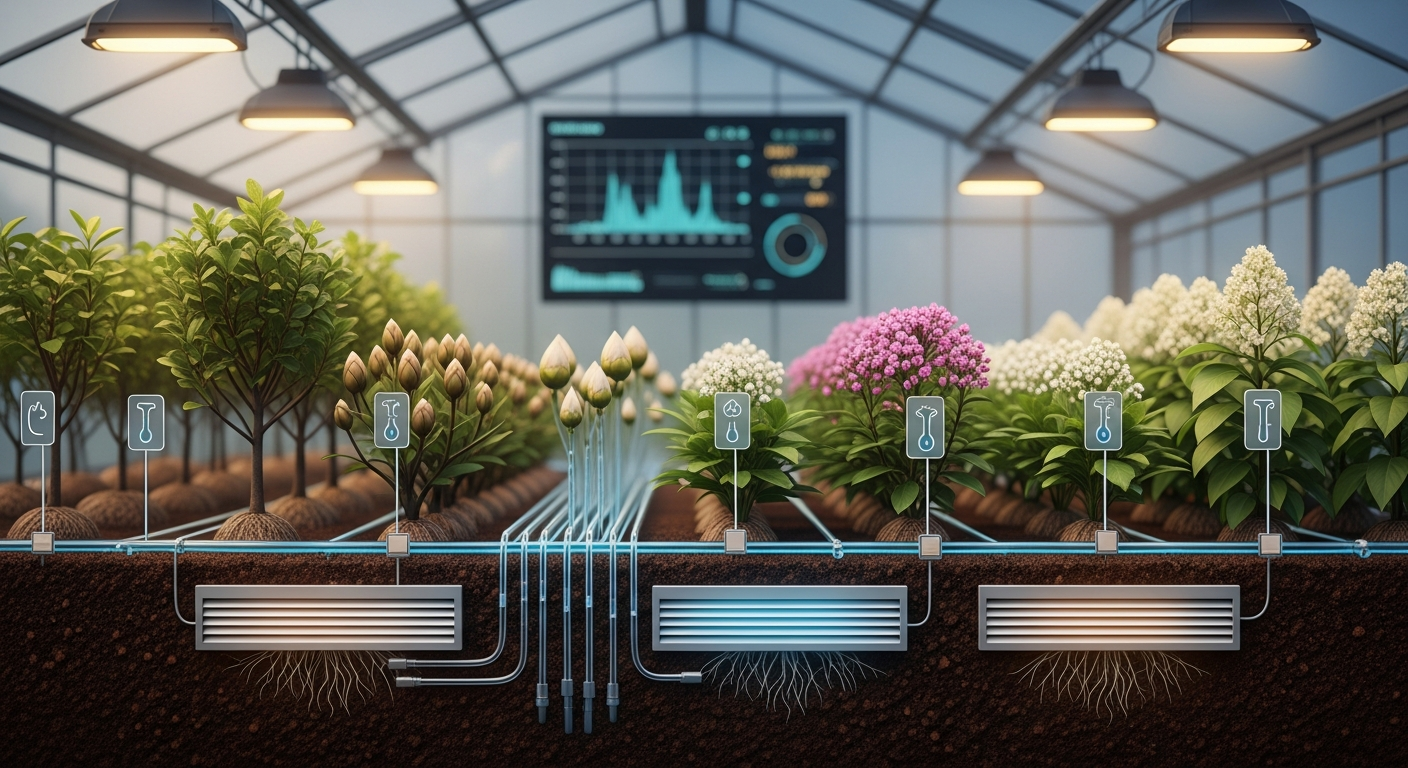
- Advanced Climate Control Systems: Invest in automated systems that use precise sensors and controls to maintain target temperatures, minimizing fluctuations. These systems can also track accumulated chilling hours automatically.
- Monitor Temperature Fluctuations: Even short periods of warmth during the chilling phase can negate accumulated chilling hours, effectively “resetting” the process for some species. Consistency is key.
4. Gradual Warming for Dormancy Breaking
Once chilling requirements are met, the next step is to initiate growth. This should also be a gradual process to avoid stress and ensure strong, healthy development:
- Incremental Temperature Increase: Slowly raise the greenhouse temperature over several days or weeks, mimicking the onset of spring.
- Increase Light and Moisture: As temperatures rise, gradually increase light intensity (if supplemental lighting is used) and resume regular watering and fertilization schedules. These factors work synergistically with temperature to signal active growth.
Advanced Techniques and Common Pitfalls
For the dedicated grower, there are further refinements and considerations in thermal management to optimize dormancy control.
Advanced Thermal Control Techniques
- Differential Day/Night Temperatures (DIF): While often used for controlling plant height, manipulating the difference between day and night temperatures can also influence dormancy breaking, particularly in bulb crops. A negative DIF (cooler days, warmer nights) can sometimes encourage faster emergence after chilling.
- Strategic Supplemental Heating/Cooling: Beyond maintaining set points, consider brief periods of higher temperatures (e.g., a “heat shock”) after chilling for some species to synchronize bud break, or using targeted cooling systems to ensure even chilling across a crop.
- Humidity Control: While not temperature, maintaining appropriate humidity levels is critical during dormancy and emergence. Too dry, and plants dehydrate; too wet, and fungal issues can arise.
Common Pitfalls to Avoid
- Insufficient Chilling: The most common error. Results in poor growth, delayed flowering, or complete crop failure. Always err on the side of slightly more chilling if unsure.
- Sudden Temperature Changes: Rapid heating or cooling can shock plants, causing stress, bud abortion, or uneven emergence.
- Ignoring Other Environmental Factors: While temperature is primary, light, humidity, CO2, and water still play vital roles. A perfect temperature regimen won’t compensate for severe deficiencies in other areas.
- Energy Inefficiency: Maintaining precise temperatures, especially low ones, can be energy-intensive. Invest in energy-efficient heating and cooling systems, proper insulation, and automated controls to manage costs.
- Homogenizing Conditions: Not all plants in your greenhouse may have the same dormancy requirements. Avoid treating all species or cultivars identically without first understanding their individual needs.
Conclusion
Controlling plant dormancy through precise thermal management is a sophisticated skill that differentiates amateur growers from experts. It’s an investment not just in equipment, but in knowledge and strategic planning. By understanding the critical role of temperature in initiating and breaking dormancy, and by implementing careful, responsive environmental controls within your greenhouse, you empower your plants to perform at their absolute best.
Embracing this level of climate control allows you to dictate growth cycles, optimize bloom times, enhance fruit production, and ultimately cultivate healthier, more vigorous plants. The reward for your diligence will be a more productive and resilient greenhouse, a testament to the power of harmonizing technology with nature’s intricate biological clocks.