
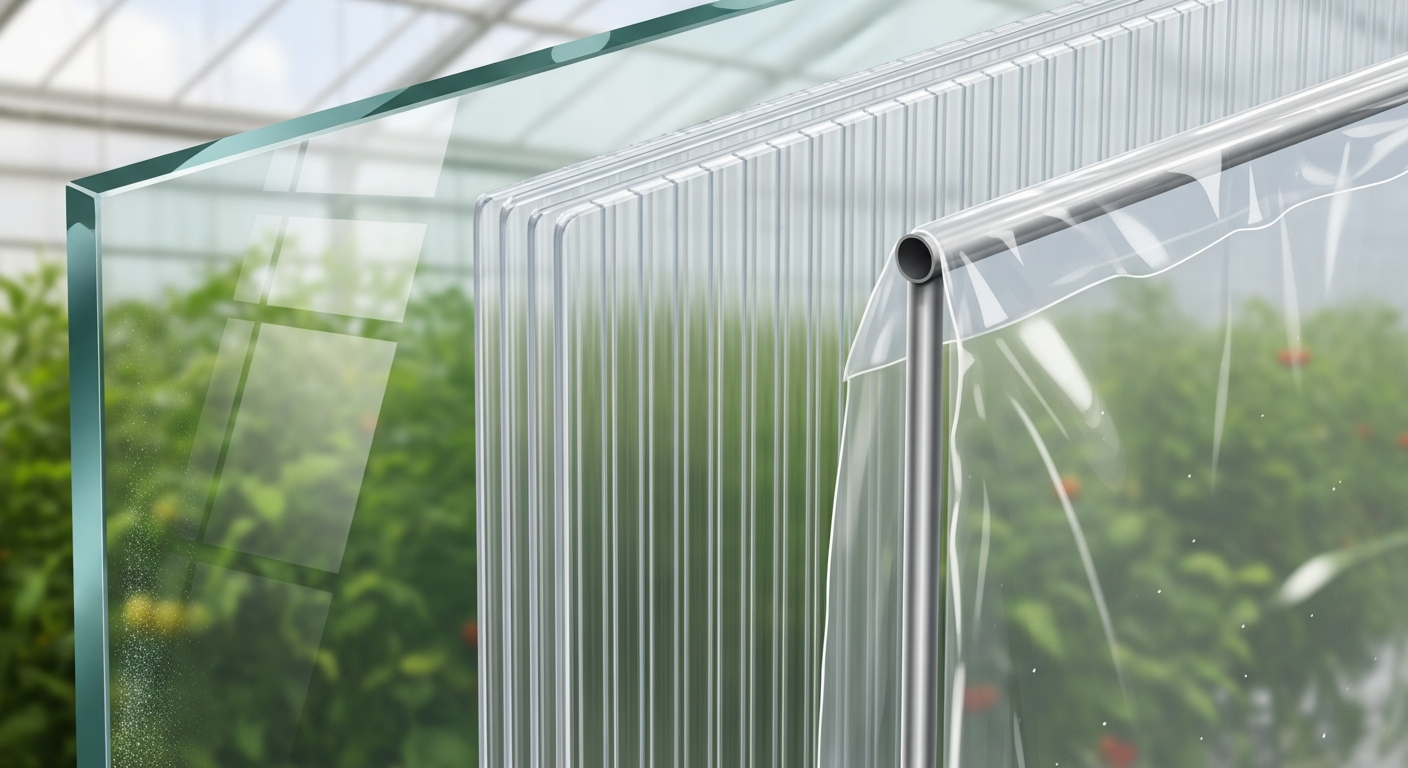
Choosing the right glazing material for your greenhouse is one of the most critical decisions you’ll make, directly impacting plant health, energy costs, and the overall longevity of your structure. The covering acts as the skin of your greenhouse, dictating how much light enters, how much heat is retained, and how well it withstands the elements. With a variety of options available, each boasting unique advantages and disadvantages, navigating this choice can feel daunting. In this comprehensive guide, we’ll delve into the specifics of the three primary greenhouse glazing materials: traditional glass, versatile polycarbonate, and economical film, helping you make an informed decision tailored to your horticultural aspirations and local climate.
The Classic Choice: Glass Glazing
Glass has been the gold standard for greenhouses for centuries, revered for its unparalleled clarity and aesthetic appeal. A glass greenhouse offers a timeless look and superior light transmission, which is crucial for photosynthesis. However, not all glass is created equal, and understanding the different types is key.
Types of Glass for Greenhouses
- Horticultural Glass: This is the most common and least expensive type of greenhouse glass, typically single-pane and 3mm thick. It offers excellent light transmission but is brittle and has poor insulation properties.
- Tempered Glass: Also known as safety glass, tempered glass is significantly stronger than horticultural glass (up to seven times stronger). When it breaks, it shatters into small, blunt fragments, reducing the risk of injury. It’s a safer, more durable option but comes at a higher cost.
- Low-Iron Glass: Designed for maximum light transmission, low-iron glass removes the greenish tint found in standard glass, allowing even more light to reach your plants. This premium option is often chosen for high-value crops or in regions with limited natural light.
- Double-Pane Glass: Consisting of two panes separated by an air or argon gas gap, double-pane glass offers significantly improved insulation, reducing heat loss and heating costs. It’s heavier and more expensive than single-pane but provides better energy efficiency.
Pros of Glass Glazing
- Superior Light Transmission: Glass offers exceptional clarity, allowing maximum sunlight penetration, which is ideal for plant growth.
- Aesthetics: A glass greenhouse has a classic, elegant appearance that many find appealing.
- Longevity: Glass is highly durable and won’t yellow or degrade from UV exposure, potentially lasting for decades with proper care.
- Easy to Clean: Its smooth, non-porous surface is easy to clean, maintaining high light transmission.
- Thermal Mass: Glass has good thermal mass, absorbing heat during the day and radiating it slowly at night, which can help stabilize temperatures.
Cons of Glass Glazing
- Fragility: Unless tempered, glass is prone to breaking from impacts, hail, or even thermal shock.
- Poor Insulation (Single Pane): Single-pane glass has a low R-value, leading to significant heat loss and higher heating costs, especially in colder climates.
- Cost: Glass, particularly tempered or double-pane options, tends to be the most expensive glazing material initially.
- Weight: Its heavy nature requires a robust frame and more complex installation.
Practical Tip: For hobby growers, consider tempered glass for safety and durability. For optimal energy efficiency in colder climates, investing in double-pane glass will significantly reduce heating bills over the long term.
The Modern Contender: Polycarbonate Glazing
Polycarbonate has emerged as a popular alternative to glass, offering a compelling blend of durability, insulation, and lighter weight. It’s a thermoplastic polymer known for its strength and impact resistance.
Types of Polycarbonate for Greenhouses
- Twin-wall and Multi-wall Polycarbonate: These panels feature multiple layers separated by air channels, creating excellent insulation. Twin-wall (two layers) is common, while multi-wall (three or more layers) offers even better insulation and rigidity. The thicker the panel (e.g., 6mm, 8mm, 10mm, 16mm), the better the insulation.
- Corrugated Polycarbonate: Similar to corrugated metal panels, these are single-layer sheets with a wave-like profile. They are less insulative than multi-wall but are strong, lightweight, and often used for cold frames or temporary structures.
- Solid Polycarbonate Sheets: These clear, flat sheets resemble glass but are virtually unbreakable. They offer superior light transmission compared to multi-wall but provide less insulation. They are often used in high-impact areas.
Pros of Polycarbonate Glazing
- Exceptional Durability: Polycarbonate is highly impact-resistant, making it virtually shatterproof and resistant to hail, snow loads, and other impacts.
- Excellent Insulation: Multi-wall polycarbonate, with its air channels, provides significantly better insulation than single-pane glass, leading to lower heating costs.
- Lighter Weight: Much lighter than glass, polycarbonate is easier to handle and install, requiring a less substantial frame.
- UV Protection: Most greenhouse-grade polycarbonate panels come with a UV protective layer, preventing degradation and yellowing over time.
- Diffused Light: Multi-wall polycarbonate diffuses sunlight as it passes through, scattering it more evenly over plants. This can reduce hot spots and scorching, promoting more uniform growth.
Cons of Polycarbonate Glazing
- Scratching: Polycarbonate surfaces can scratch more easily than glass if not cleaned carefully.
- Expansion and Contraction: It expands and contracts significantly with temperature changes, requiring careful installation to prevent buckling.
- Potential for Yellowing (without UV coating): Lower-quality polycarbonate without adequate UV protection can yellow and become brittle over time.
- Less Aesthetic: While clear, multi-wall polycarbonate doesn’t have the pristine clarity of glass and can accumulate dirt or algae in its internal channels.
- Lifespan: Typically has a shorter lifespan than glass, often warranted for 10-15 years, though it can last longer with good care.
Practical Tip: When installing polycarbonate, always allow for thermal expansion and contraction by leaving small gaps and using appropriate fasteners. Clean with mild soap and water, avoiding abrasive cleaners.
The Economical & Flexible Option: Film Glazing
Greenhouse film, primarily made from polyethylene, is the most cost-effective and flexible glazing option, making it a popular choice for large commercial operations and budget-conscious hobbyists alike.
Types of Film for Greenhouses
- Standard Polyethylene (PE) Film: The most basic and least expensive option. It’s UV-stabilized to prolong its life but still has the shortest lifespan of all glazing materials.
- Infrared (IR) / Thermal Film: This film contains additives that block infrared radiation from escaping the greenhouse at night, significantly improving heat retention and reducing heating costs.
- Anti-Drip (AC) Film: Designed to prevent condensation from forming into large droplets and dripping onto plants. Instead, it forms a thin, uniform sheet of water that runs down the sides, reducing disease risk and improving light transmission.
- Diffused Film: Contains additives that scatter light, similar to multi-wall polycarbonate, providing more even light distribution and reducing scorching.
- White/Blackout Film: Used for specific crop cycles requiring reduced light or complete darkness.
Pros of Film Glazing
- Low Initial Cost: Film is by far the cheapest glazing material, making large greenhouses more affordable.
- Ease of Installation: Lightweight and flexible, film is relatively easy to install, even over large structures.
- Excellent Light Diffusion: Many films offer superior light diffusion, distributing light evenly over the plant canopy and reducing hot spots.
- Flexibility: Allows for custom shapes and sizes, conforming easily to various greenhouse designs, including hoop houses.
- Double-Layer Insulation: When installed as a double layer with an air gap (inflated by a blower), film offers surprisingly good insulation, comparable to twin-wall polycarbonate.
Cons of Film Glazing
- Shorter Lifespan: Even UV-stabilized films typically last 3-5 years before needing replacement, though some high-end films can last 7-10 years.
- Less Durable: Prone to tears, punctures, and damage from wind or heavy snow unless properly tensioned and maintained.
- Aesthetics: Generally considered less attractive and more industrial-looking than glass or polycarbonate.
- Less Insulation (Single Layer): A single layer of film offers very poor insulation, leading to significant heat loss.
- Maintenance: Requires regular inspection for tears and proper tensioning.
Practical Tip: Always use high-quality, UV-stabilized horticultural film. For significantly improved insulation and durability, consider a double-layer inflation system, which adds an insulating air pocket and strengthens the structure against wind.
Key Comparison Factors & Making Your Choice
To summarize, let’s look at the crucial factors to weigh when selecting your greenhouse glazing material:
Light Transmission and Quality
- Glass: Offers the highest light transmission and clarity (especially low-iron glass), with direct sunlight.
- Polycarbonate: Multi-wall diffuses light, which can be beneficial for many plants by preventing scorching and distributing light evenly. Solid polycarbonate is very clear.
- Film: Excellent for light diffusion, which is a major advantage for even plant growth, but doesn’t offer the absolute clarity of glass.
Insulation and Energy Efficiency
- Film (double-layer inflated): Can achieve very good insulation, comparable to twin-wall polycarbonate, at a lower cost.
- Polycarbonate (multi-wall): Offers excellent insulation, with thicker panels providing better R-values.
- Glass (double-pane): Provides good insulation, but single-pane glass is very poor.
Durability and Longevity
- Glass: Very long-lasting (decades) if not broken. Tempered glass is very strong.
- Polycarbonate: Highly impact-resistant and durable, typically lasting 10-15+ years with UV protection.
- Film: Shortest lifespan (3-7 years) and most prone to tears.
Cost (Initial & Long-term)
- Initial Cost (Lowest to Highest): Film < Polycarbonate < Glass
- Long-term Cost: Consider heating expenses (insulation), replacement frequency, and maintenance. While film is cheap upfront, frequent replacements add up. Glass can be expensive initially but has low replacement costs. Polycarbonate offers a good balance.
Installation and Maintenance
- Film: Easiest and fastest to install, especially for large areas. Requires re-tensioning and occasional repair.
- Polycarbonate: Lighter than glass, easier to cut and install, but requires attention to thermal expansion. Relatively low maintenance.
- Glass: Heaviest, most complex, and potentially hazardous to install. Regular cleaning needed.
Aesthetics
- Glass: Unparalleled classic beauty and clarity.
- Polycarbonate: Clean and modern, but multi-wall lacks the perfect clarity of glass.
- Film: More utilitarian, less aesthetic.
Conclusion
The “best” glazing material for your greenhouse isn’t a one-size-fits-all answer. It’s a careful balancing act between your budget, climate, desired plant types, aesthetic preferences, and how much hands-on maintenance you’re willing to undertake. If you prioritize maximum light and classic beauty and are prepared for a higher initial investment and potential fragility, glass might be your ideal choice. For those seeking a strong, well-insulating, and durable option that diffuses light effectively without the extreme cost or weight of glass, polycarbonate offers an excellent compromise. And if cost-effectiveness, ease of installation, and superb light diffusion are your top priorities, especially for larger structures or hobby growing on a budget, then high-quality greenhouse film, particularly a double-layered system, is a highly viable and practical solution. Whichever you choose, ensure it aligns with your specific needs to cultivate a thriving greenhouse environment for years to come.