
The quest for sustainable and efficient greenhouse operations often leads growers to embrace innovative technologies. Among the most promising is closed-loop irrigation, a system designed to recirculate nutrient-rich water back to plants, drastically reducing water consumption and nutrient runoff. On the surface, it sounds like an environmental and economic win-win: less waste, lower costs, and a smaller ecological footprint. However, beneath the allure of efficiency lies a complex web of technical challenges that, if not properly understood and managed, can quickly turn a dream system into a costly nightmare. While the benefits of water recirculation are undeniable, mastering its implementation requires a deep dive into the practical hurdles that growers frequently encounter.
The Double-Edged Sword: Initial Complexity and Hidden Costs
Venturing into closed-loop irrigation means more than just connecting a few pipes; it involves a significant upgrade in system sophistication and initial capital outlay. Growers often underestimate the true scope of this investment and the operational complexities it introduces.
Upfront Investment and System Design
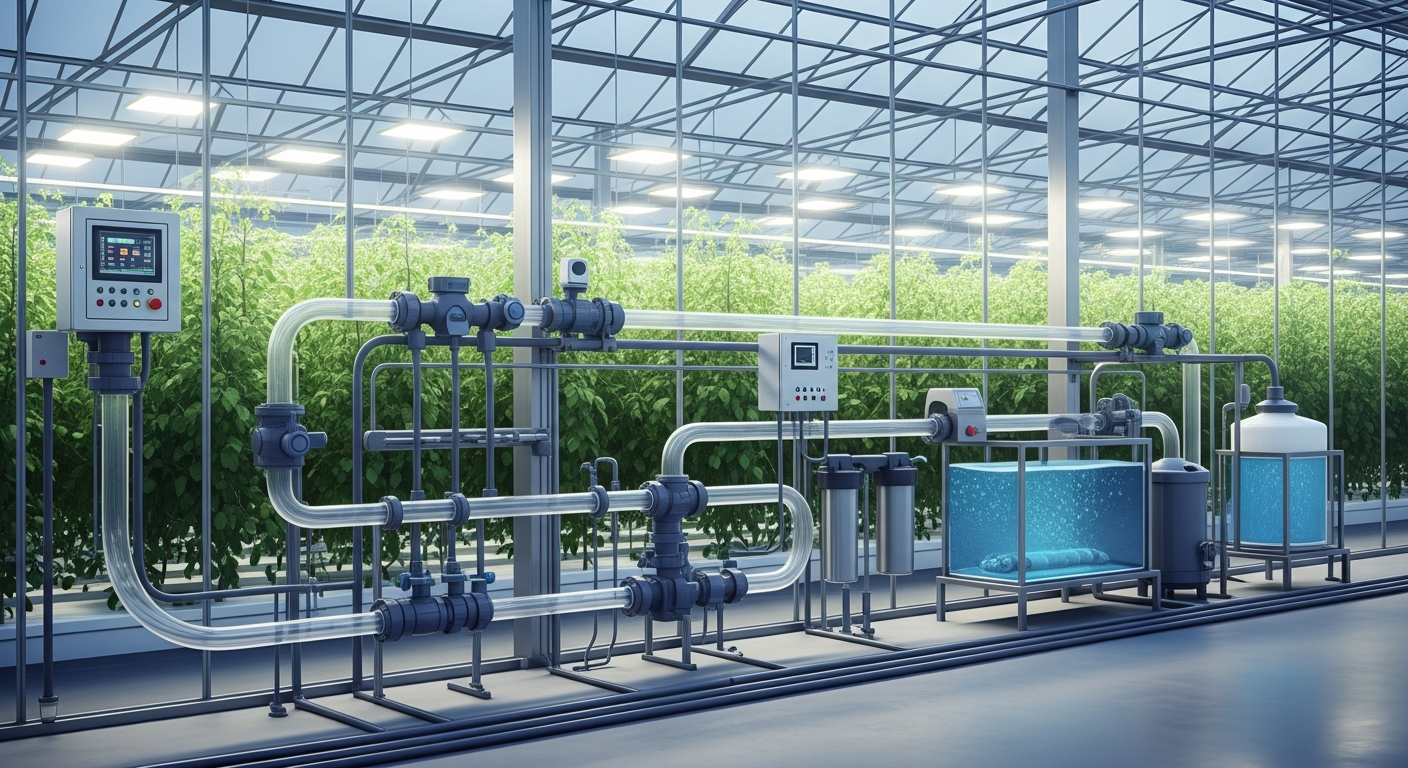
Unlike traditional open-drain systems, a closed-loop setup demands specialized equipment. This includes a robust reservoir or collection tank for the leachate, high-quality pumps, a sophisticated filtration system, and often a method for water treatment or sterilization. Each component must be correctly sized and integrated, requiring precise hydraulic and electrical engineering. The initial design phase itself is critical and often benefits from expert consultation to avoid costly retrofits later.
Practical Tip: Don’t cut corners on initial planning. Invest in a detailed system design from a reputable specialist, considering your specific crop, greenhouse size, and water source characteristics. This foresight can prevent significant operational headaches and expenses down the line.
Operational Complexity and Expertise
Once installed, managing a closed-loop system is far more intricate than an open one. It requires a deeper understanding of water chemistry, plant physiology, and system maintenance. The “set it and forget it” mentality simply doesn’t apply. Growers must be prepared for a steeper learning curve and potentially the need for specialized training for their staff. This ongoing operational complexity can be a hidden cost, impacting labor efficiency and demanding higher skill sets.
Maintaining Optimal Water Quality: The Balancing Act
The cornerstone of any successful closed-loop system is impeccable water quality. Unlike single-pass irrigation where fresh water and nutrients are constantly supplied, recirculating systems accumulate various substances, making consistent water quality control a continuous challenge.
Nutrient Imbalance and Accumulation
Plants are selective feeders, absorbing different nutrients at varying rates. In a recirculating system, this leads to an inevitable shift in the nutrient profile of the solution over time. Some ions, like potassium, may be rapidly depleted, while others, such as sodium, chloride, or less-utilized micronutrients, can accumulate to toxic levels. This imbalance can lead to nutrient deficiencies, toxicities, and overall stunted plant growth if not actively managed.
- Solution Analysis: Regular, precise analysis of the nutrient solution is paramount. This goes beyond just measuring EC and pH; it requires periodic laboratory analysis of individual macro and micronutrients.
- Replenishment Strategy: Based on the analysis, a precise nutrient replenishment strategy must be implemented. This often involves injecting specific nutrients or “topping off” the solution with a custom blend rather than simply adding more of the original fertilizer mix.
pH and Electrical Conductivity (EC) Fluctuation
pH and EC are critical indicators of nutrient availability and concentration. In a closed-loop system, both tend to fluctuate significantly due to plant uptake, root exudates, microbial activity, and water evaporation. Maintaining the optimal pH range is crucial for nutrient uptake, while consistent EC ensures plants receive the right concentration of salts. Uncontrolled fluctuations can lead to nutrient lockout or salt stress.
Practical Tip: Implement automated pH and EC monitoring and dosing systems. These systems can continuously measure the solution and automatically adjust pH with acid or base, and EC with concentrated nutrient solutions, maintaining ideal conditions without constant manual intervention. Regular calibration of sensors is essential for accuracy.
Filtration Follies: Sediment and Organic Matter
Recirculated water invariably picks up particulate matter – root fragments, growing media particles, algae, and other organic debris. Without effective filtration, these particles can clog emitters, reduce pump efficiency, and provide breeding grounds for pathogens. Choosing the right filtration system (e.g., screen filters, sand filters, disk filters) and implementing a robust maintenance schedule (backwashing, cleaning) is crucial.
However, filtration alone isn’t enough. Very fine particles and dissolved organic matter can still pass through, requiring further treatment. Over time, a biofilm can develop within pipes and tanks, further impacting water quality and system efficiency.
Disease Management and Biosecurity: The Pathogen Threat
Perhaps the most significant technical challenge in closed-loop irrigation is the heightened risk of disease transmission. If a pathogen enters the system, it can rapidly spread throughout the entire crop, leading to devastating losses. This necessitates rigorous biosecurity measures and effective water sterilization.
Preventing Pathogen Spread
In a recirculating system, a single infected plant or contaminated tool can introduce pathogens like Pythium, Phytophthora, or various bacteria and viruses into the shared nutrient solution. Once there, they can be distributed to every plant connected to the system. This risk transforms standard greenhouse hygiene practices into mission-critical protocols.
- Strict Hygiene: All tools, benches, and floors must be meticulously cleaned and disinfected. Staff hand hygiene is paramount.
- Quarantine: New plant material should be quarantined and inspected thoroughly before introduction.
- Prompt Removal: Immediately remove and dispose of any symptomatic plants to prevent wider contamination.
Sterilization Strategies and Technologies
To mitigate the pathogen risk, effective water sterilization is indispensable. Several technologies are available, each with its own advantages, disadvantages, and technical considerations:
- UV Sterilization: Ultraviolet light systems are highly effective against a broad spectrum of pathogens without adding chemicals. However, water clarity is critical for UV effectiveness; any suspended particles can shield microbes from the UV rays. Regular cleaning of UV lamps and proper sizing are crucial.
- Ozone Treatment: Ozone (O3) is a powerful oxidizer that destroys pathogens and breaks down organic matter. It’s highly effective but requires careful monitoring to ensure proper dosage, as excessive ozone can damage plants or equipment. It also requires specialized equipment for generation and contact time.
- Heat Treatment: Heating the recirculated solution to a specific temperature for a set duration can kill many pathogens. This method can be energy-intensive and requires robust heat exchangers to prevent damage to the nutrient solution itself.
- Chemical Treatments: While less common due to potential phytotoxicity, some chemical disinfectants can be used, but require extremely precise dosing and careful monitoring of residual levels.
Practical Tip: Integrate a multi-barrier approach to disease management. Combine robust sanitation practices with a well-maintained water sterilization system appropriate for your specific greenhouse environment and target pathogens. Regularly test the efficacy of your chosen sterilization method.
Operational Oversight and Advanced Monitoring
The success of closed-loop irrigation hinges on continuous vigilance and the ability to interpret complex data. This demands sophisticated monitoring systems and a highly skilled workforce.
Advanced Monitoring & Sensor Technology
Effective management of water quality and plant health in a closed-loop system necessitates constant monitoring of multiple parameters. Beyond pH and EC, growers often need to track dissolved oxygen, water temperature, and even specific ion concentrations. This often requires an investment in advanced sensors, data logging systems, and potentially sophisticated environmental control software.
Reliability and calibration of these sensors are critical. A faulty sensor providing inaccurate data can lead to disastrous decisions regarding nutrient adjustments or pH control.
Practical Tip: Invest in high-quality, industrial-grade sensors and automate data collection. Implement a routine calibration schedule for all sensors (pH, EC, DO, etc.) using certified reference solutions. Set up alerts for out-of-range parameters to allow for immediate intervention.
Bridging the Knowledge Gap: Training and Expertise
Operating a closed-loop irrigation system is a specialized skill. It requires staff who understand not just how to operate equipment, but also the underlying principles of plant nutrition, water chemistry, microbiology, and system troubleshooting. The knowledge gap can be a significant technical challenge, as mistakes can quickly compound and lead to system failures or crop damage.
Training programs for greenhouse staff on the specifics of closed-loop system operation, maintenance, and emergency protocols are essential. Partnering with horticultural consultants or experienced technicians can also provide invaluable support.
Conclusion: The Reward of Mastering the Challenges
Closed-loop irrigation systems offer tremendous potential for water conservation, nutrient efficiency, and sustainable greenhouse cultivation. However, achieving these benefits is far from a simple endeavor. Growers must meticulously address the technical challenges associated with initial investment, water quality maintenance, disease biosecurity, and operational oversight.
By investing in robust design, implementing rigorous monitoring and control systems, adopting stringent hygiene protocols, and continuously educating staff, the formidable technical hurdles of water recirculation can be overcome. The payoff is a highly efficient, environmentally responsible, and economically viable greenhouse operation. While the path to mastery is challenging, the journey towards a more sustainable future for greenhouse climates is undoubtedly worth the effort.