
In the world of controlled environment agriculture, a greenhouse is much more than just a glass or polycarbonate structure; it’s a finely tuned ecosystem designed to coax the best possible growth from your plants. Achieving this delicate balance often hinges on effective climate control, and among the most powerful tools in a grower’s arsenal are internal retractable shading systems. Far from being a mere luxury, these dynamic solutions are fundamental to optimizing growing conditions, protecting your valuable crops, and significantly impacting your operational efficiency. Let’s delve into the myriad benefits of integrating a sophisticated retractable shading system into your greenhouse setup, transforming it from a simple structure into a high-performance growing machine.
Precise Climate Control and Optimal Plant Health
The ability to precisely manage your greenhouse climate is paramount for vigorous plant growth and high yields. Internal retractable shading systems offer unparalleled control, allowing you to fine-tune environmental conditions to meet the exact needs of your crops.
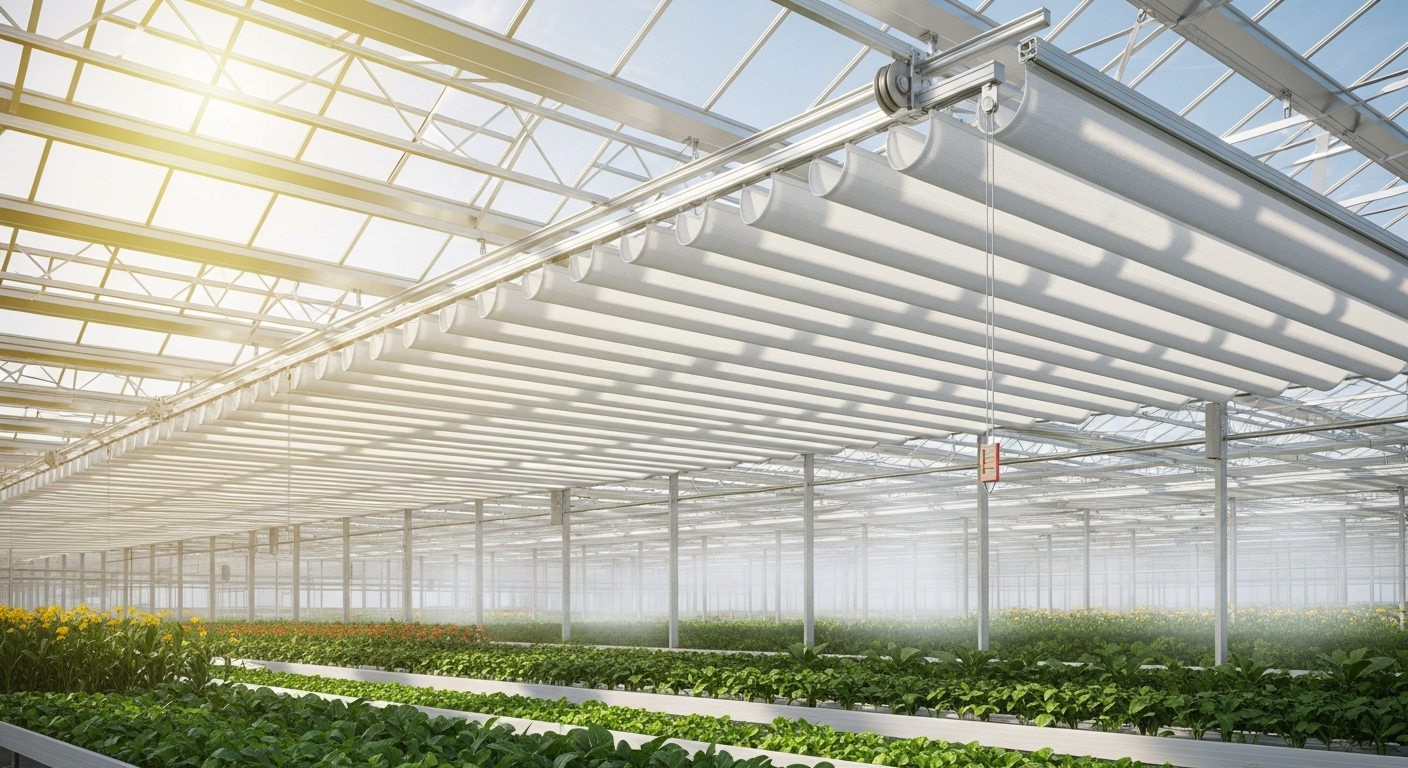
Managing Temperature Fluctuations
- Preventing Overheating: During peak daylight hours or intense summer sun, greenhouses can quickly become ovens, leading to plant stress, wilting, and even irreparable damage. A retractable shade screen acts as a crucial barrier, blocking a significant portion of solar radiation before it enters the growing area. This directly reduces the greenhouse’s cooling load, keeping internal temperatures within the optimal range for your plants.
- Reducing Heat Loss: Conversely, when temperatures drop at night or during colder seasons, the same shading system can be deployed to conserve heat. By creating an insulating layer, these screens trap the heat generated by heaters or absorbed during the day, significantly reducing heat loss through the greenhouse roof. This dual function contributes immensely to stable internal temperatures, minimizing thermal shock for your plants.
- Impact on Plant Stress: Consistent temperatures prevent plants from experiencing stress due to extreme heat or cold. Stressed plants are more susceptible to pests and diseases, and their growth and productivity are severely hampered. Shading systems are a proactive measure against these common issues, promoting healthier, more resilient crops.
Optimizing Light Levels for Growth
- Controlling Intensity: Not all plants thrive under full, direct sunlight. Too much intense light can cause sunburn, bleaching, and inhibited photosynthesis. Retractable shading allows growers to modulate light intensity, providing just the right amount of light for delicate seedlings, shade-loving plants, or crops during sensitive growth stages. You can choose different screen materials that block varying percentages of light, tailoring the environment precisely.
- Benefits of Diffuse Light: Many modern shade screens are designed to diffuse incoming sunlight, scattering it more evenly throughout the canopy. This diffuse light penetrates deeper into the plant foliage, reaching lower leaves that might otherwise be shaded by upper leaves. The result is more uniform growth, reduced hot spots, and increased photosynthetic efficiency across the entire crop, leading to higher yields and better quality produce.
- Tailoring Light for Specific Crop Needs: From young propagation to fruiting vegetables, different plants and growth stages have unique light requirements. An internal retractable shading system provides the flexibility to adjust light levels on demand, ensuring each crop receives its ideal illumination without having to move plants or apply temporary external solutions.
Protecting Plants from Harmful UV Rays
While some UV exposure can be beneficial, excessive levels can be detrimental to plants, leading to cell damage, stunted growth, and reduced crop quality. Many advanced shade screen materials are engineered to filter out harmful UV radiation while still allowing beneficial light spectra to pass through. This added layer of protection ensures your plants are safeguarded from the sun’s harsher elements, promoting robust development and superior end-product quality.
Significant Energy Savings and Cost Efficiency
One of the most compelling arguments for investing in internal retractable shading systems is the substantial impact they have on a greenhouse’s energy consumption and operational costs. This makes them not just an environmental choice but a financially shrewd one.
Reducing Cooling Loads
- Less Reliance on Active Cooling: By blocking solar radiation, shading systems dramatically reduce the amount of heat entering the greenhouse. This directly translates to less work for your ventilation fans, evaporative coolers, and air conditioning units. For operations relying heavily on active cooling, the energy savings can be enormous, cutting electricity bills significantly during warmer months.
- Indirect Savings: Reduced cooling loads also mean less wear and tear on your cooling equipment, extending its lifespan and reducing maintenance frequency and costs over time.
Minimizing Heating Demands
- Insulation Benefits: When closed, particularly at night, internal shade screens create an additional insulating layer between the greenhouse roof and the interior growing space. This significantly reduces the rate at which heat escapes from the greenhouse. The thermal resistance of the screen material itself contributes to this effect, essentially acting like a blanket for your plants.
- Optimized Heating Cycles: With less heat escaping, your heating systems (boilers, furnaces, heat pumps) don’t have to work as hard or as often to maintain desired temperatures. This directly reduces fuel consumption (natural gas, propane, electricity), leading to substantial savings during colder periods.
- Long-Term Financial Gains: The initial investment in a quality retractable shading system can be recouped surprisingly quickly through these consistent energy savings, making it a highly cost-effective climate control solution in the long run.
Extending Equipment Lifespan
Less stress on your heating, ventilation, and air conditioning (HVAC) systems means they operate more efficiently and last longer. When your systems aren’t constantly battling extreme temperatures, they experience less wear and tear, reducing the frequency of repairs and the need for premature replacements. This contributes to overall lower operational expenditure and a more sustainable greenhouse operation.
Enhanced Versatility and Ease of Operation
Modern internal retractable shading systems are engineered for adaptability, durability, and user-friendliness, offering unparalleled flexibility to growers.
Adaptability to Changing Conditions
- Seasonal and Daily Adjustments: Weather is inherently unpredictable, and internal shading systems allow you to respond instantly to changes. On a bright summer day, deploy the screen fully. On a partially cloudy day, retract it as needed. For different seasons, you can adjust the opening and closing schedules to optimize light and temperature. This dynamic control is far superior to fixed shading solutions like whitewash or external shade cloths.
- Automated Systems: For ultimate convenience and precision, many internal shading systems can be integrated with environmental control computers. Sensors for temperature, light intensity, and even humidity can trigger the automatic deployment or retraction of the screens. This ensures your greenhouse climate is always perfectly optimized, even when you’re not physically present.
Compatibility with Different Greenhouse Structures
Whether you have a small hobby greenhouse, a gutter-connected commercial operation, or a high-tech research facility, there’s an internal retractable shading system designed to fit. Manufacturers offer a range of solutions that can be tailored to various roof types, spans, and structural configurations, ensuring seamless integration into virtually any existing or new greenhouse.
Durability and Longevity
Internal shading systems are protected from harsh external elements like strong winds, heavy snow, and hail. This internal placement significantly extends the lifespan of the screen material and its operating mechanisms compared to external shading solutions. Made from robust, UV-stabilized materials, these screens are designed to withstand years of continuous use within the demanding greenhouse environment, offering a reliable and long-lasting solution.
Practical Tip: Automating Your Shading System
To truly unlock the full potential of your internal retractable shading, consider investing in an automated control system. Integrate light sensors (photocells) to open or close the screens based on real-time solar radiation. Add temperature sensors to deploy screens when it gets too hot and retract them when cooling is needed. Timers can manage night-time heat retention. This automation not only saves labor but ensures consistent, optimal conditions, leading to healthier plants and better yields. Modern controllers are user-friendly and can be programmed for complex, multi-zone control, giving you unparalleled precision over your greenhouse climate.
Beyond the Basics: Additional Advantages
While climate control and energy savings are primary drivers, internal retractable shading systems offer several other valuable benefits that contribute to a more efficient and productive greenhouse environment.
Improved Pest and Disease Management
By helping to maintain more stable and optimal environmental conditions, shading systems contribute to overall plant health. Healthy, unstressed plants are naturally more resistant to pests and diseases. Additionally, by mitigating extreme temperatures and helping to manage humidity levels (indirectly, by reducing the need for excessive misting or rapid temperature drops that cause condensation), these systems can create an environment less conducive to the proliferation of certain pathogens and insect pests.
Worker Comfort and Productivity
A greenhouse with effective climate control is a more pleasant and safer place for workers. Reduced heat stress means staff can work more comfortably and efficiently, leading to higher productivity and lower risks of heat-related health issues. Good light management also improves visibility, making tasks like pruning, harvesting, and pest scouting easier and more accurate.
Aesthetics and Property Value
From an aesthetic perspective, internal retractable shading systems present a clean, integrated look that enhances the professional appearance of a greenhouse. Unlike external shading methods, there are no messy external cloths or whitewash to detract from the structure. For commercial growers, this can project an image of modernity and efficiency. For hobbyists, it adds to the overall enjoyment and value of their greenhouse investment.
Conclusion
Internal retractable shading systems are a cornerstone of modern greenhouse climate control, offering a powerful combination of benefits that extend far beyond simply blocking out the sun. From providing precise control over temperature and light for optimal plant health and maximizing yields, to delivering substantial energy savings and enhancing operational efficiency, their advantages are clear. Investing in these sophisticated systems means investing in a healthier, more productive, and more sustainable growing environment. For any grower serious about mastering their greenhouse climate, an internal retractable shading system is not just an option—it’s an essential component for success.