
In the world of hydroponics, where plants thrive without soil, every drop of nutrient-rich water matters. But it’s not just about providing sustenance; it’s about the delicate dance of supply and demand, the rhythm of a well-timed watering cycle, and the unseen, yet vital, element of oxygen. Mastering these two critical components—timing and oxygenation—is the secret sauce to unlocking explosive growth, robust root systems, and ultimately, a bountiful hydroponic harvest. Dive in with us as we explore the intricate science behind optimizing your hydroponic watering strategy, ensuring your plants receive exactly what they need, precisely when they need it, along with the breath of fresh air their roots crave.
The Foundations of Hydroponic Watering Cycles
Unlike traditional soil gardening, where soil acts as a buffer and reservoir for water and nutrients, hydroponics delivers these essentials directly to the plant roots. This direct approach offers incredible control but also demands precision. A “watering cycle” in hydroponics refers to the programmed delivery of nutrient solution to the plant roots, followed by periods where roots are either exposed to air or drained of excess solution. The goal is a perfect balance: enough moisture and nutrients for growth, but also sufficient access to vital oxygen.
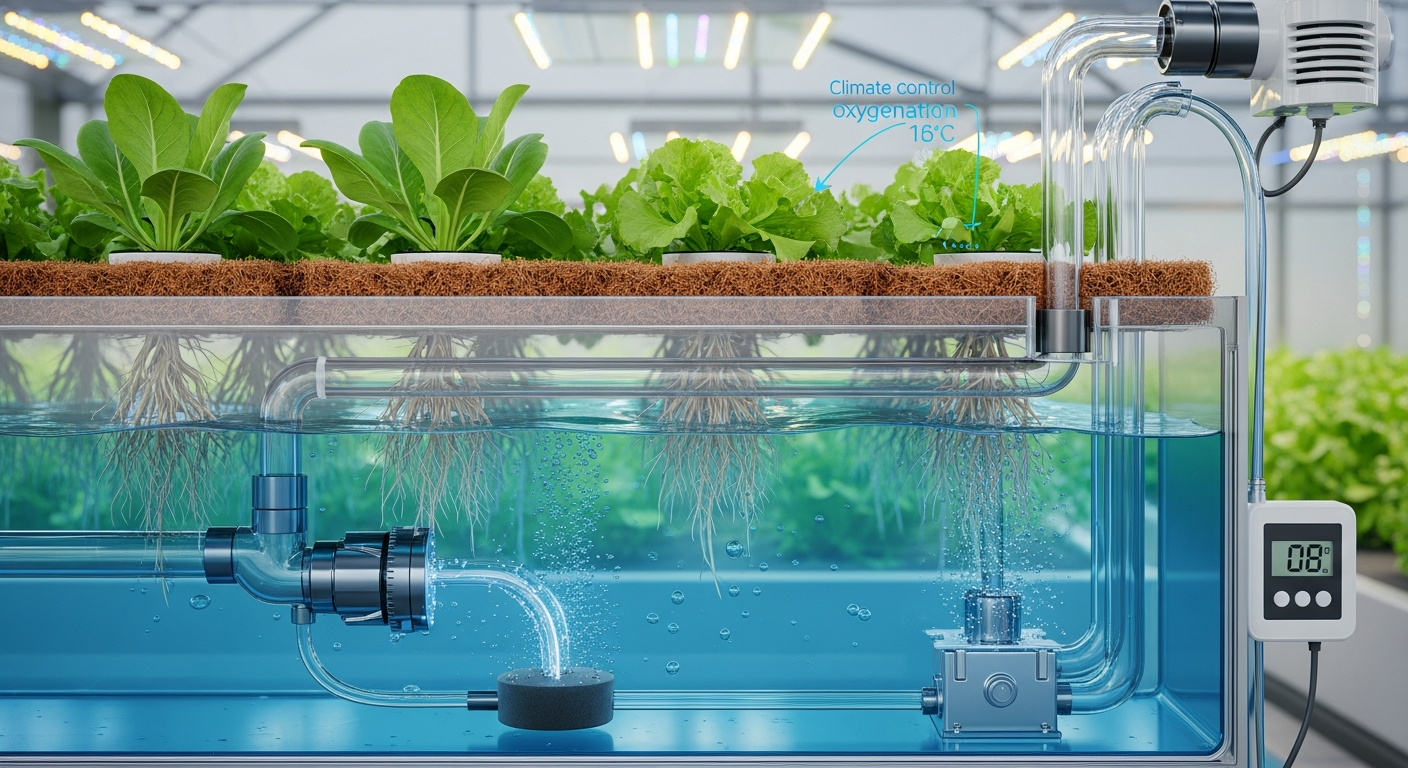
The design of your hydroponic system largely dictates the general approach to watering cycles:
- Deep Water Culture (DWC): Roots are constantly submerged in nutrient solution, requiring continuous aeration (oxygenation). The “cycle” here is more about nutrient replenishment and solution changes than on/off watering.
- Nutrient Film Technique (NFT): A thin film of nutrient solution flows continuously over the roots, with the oxygenation largely provided by the flowing water’s surface agitation and the roots’ partial exposure to air.
- Ebb and Flow (Flood and Drain): This system periodically floods the grow tray with nutrient solution, then drains it away, allowing roots to soak and then breathe. This is a classic example of a pulsed watering cycle.
- Drip Systems: Nutrient solution is delivered directly to the base of each plant via drip emitters, often intermittently.
- Aeroponics: Roots are suspended in air and misted with nutrient solution, providing maximum oxygenation. The cycle here is very short and frequent bursts of mist.
Understanding your system’s inherent design is the first step toward fine-tuning your hydroponic watering cycles. The beauty of hydroponics lies in its adaptability, but success hinges on respecting these fundamental principles.
The Critical Role of Timing in Nutrient Delivery
Getting the timing right is arguably the most challenging and rewarding aspect of hydroponic cultivation. Precise timing ensures roots receive adequate nutrients without being starved or drowned, preventing common issues like root rot or nutrient deficiencies. Here’s why timing is paramount and how various factors influence it:
Why Timing Matters
- Optimized Nutrient Uptake: Plants absorb nutrients most efficiently when their roots are properly hydrated and oxygenated. Overwatering can suffocate roots, while underwatering stresses them.
- Preventing Root Rot: Roots that are constantly saturated with water, especially if poorly oxygenated, become breeding grounds for anaerobic bacteria and fungal pathogens, leading to devastating root rot. Periodic drying or exposure to air is crucial.
- Enhancing Growth Rates: A well-timed cycle promotes vigorous growth by consistently providing the necessary building blocks without interruption or stress.
- Efficient Resource Use: Proper timing minimizes water and nutrient waste, making your system more sustainable and cost-effective.
Factors Influencing Watering Cycle Timing
- Plant Age and Size: Young seedlings and small plants have smaller root systems and often require less frequent or shorter watering periods than mature, thirsty plants. As plants grow, their water and nutrient demands escalate significantly.
- Plant Type: Some plants are naturally more water-intensive than others. Leafy greens might prefer more constant moisture, while fruiting plants like tomatoes or peppers might benefit from slight drying periods between cycles to encourage fruiting.
- Environmental Conditions:
- Temperature: Higher ambient temperatures and nutrient solution temperatures increase plant transpiration, meaning plants drink more. This often necessitates more frequent watering.
- Humidity: Low humidity encourages higher transpiration rates, increasing water demand. High humidity can reduce transpiration, meaning plants need less frequent watering.
- Light Intensity: Plants under intense grow lights will transpire more and thus require more frequent watering than those under lower light conditions.
- Growing Medium: Even in hydroponics, some inert media like rockwool or coco coir retain more moisture than others (e.g., perlite, clay pebbles). Media with higher water retention might require less frequent cycling.
Practical Tip: Start with a conservative schedule based on your system type, then observe your plants closely. Wilting can indicate insufficient watering, while yellowing leaves or a perpetually soggy medium might signal overwatering. Use reliable timers for precise control and consider smart sensors to monitor media moisture or solution levels for automated adjustments.
Oxygenation: The Unsung Hero of Hydroponic Roots
While often overlooked, root oxygenation is just as vital as nutrient delivery. Plant roots, like all living tissues, respire, meaning they take in oxygen and release carbon dioxide. In traditional soil, tiny air pockets provide this oxygen. In hydroponics, where roots are bathed in water, active measures are needed to ensure they don’t drown.
Why Roots Need Oxygen
- Cellular Respiration: Oxygen is crucial for the metabolic processes that convert sugars into energy, powering root growth and nutrient uptake. Without sufficient oxygen, roots cannot efficiently absorb water and nutrients, leading to stunted growth.
- Preventing Anaerobic Conditions: A lack of oxygen creates an anaerobic environment, which is perfect for harmful anaerobic bacteria and fungi to proliferate, leading to root diseases like pythium (root rot).
- Enhanced Nutrient Uptake: Active nutrient transport across root membranes requires energy, and that energy comes from respiration. Good oxygen levels directly translate to better nutrient absorption.
Methods of Oxygenating Your Hydroponic Solution
The method of oxygenation largely depends on your specific hydroponic system:
- Air Stones and Air Pumps: In systems like DWC, these are essential. An air pump pushes air through an air stone submerged in the nutrient solution, creating thousands of tiny bubbles that dissolve oxygen into the water. The greater the surface area of the bubbles, the more efficient the oxygen transfer.
- Falling Water: In systems where nutrient solution returns to a reservoir, allowing the water to fall a short distance or cascade can create turbulence and naturally incorporate oxygen.
- Venturi Pumps/Injectors: These devices pull air into the water stream as it flows, effectively mixing oxygen into the solution before it reaches the plants.
- Ebb and Flow Cycles: The periodic draining of the grow tray exposes roots directly to air, allowing them to “breathe” before the next flood cycle.
- Aeroponics: By far the most oxygen-rich system, aeroponics suspends roots in the air and mists them with nutrient solution, providing continuous direct access to atmospheric oxygen.
The optimal level of dissolved oxygen (DO) for most hydroponic plants is typically between 5-8 ppm (parts per million). Levels below 3 ppm can significantly hinder growth and increase the risk of disease. Using a dissolved oxygen meter can help you monitor and maintain these crucial levels.
Optimizing Your Watering and Oxygenation Strategy
Achieving a thriving hydroponic garden means integrating impeccable timing with robust oxygenation. Here are actionable tips for perfecting your strategy:
System-Specific Optimization
- DWC: Ensure your air pump is adequately sized for your reservoir volume and that air stones are clean and producing fine bubbles. Consider multiple air stones for larger reservoirs. Monitor water temperature, as warmer water holds less oxygen.
- NFT/Drip: Maintain a consistent flow rate. In NFT, ensure the roots are not fully submerged, allowing a portion to remain in the air gap above the nutrient film. For drip systems, adjust drip frequency and duration based on plant needs and growing media moisture retention.
- Ebb and Flow: The duration of flood and drain cycles is key. Start with 15 minutes of flood every 2-4 hours, adjusting based on plant size and environmental conditions. Ensure complete drainage to maximize air exposure for roots.
- Aeroponics: Focus on misting nozzle cleanliness and pump pressure to ensure uniform, fine misting. Cycle times are often very short (e.g., 5 seconds on, 5 minutes off) to maximize oxygen exposure.
Monitoring and Adjustment
- Observe Your Plants: This is your most valuable tool. Healthy roots are typically white or cream-colored, strong, and fibrous. Discolored, slimy, or foul-smelling roots are clear signs of issues, often related to poor oxygenation or overwatering.
- Use Timers Wisely: Invest in reliable digital timers that allow for precise scheduling down to the minute and can handle multiple on/off cycles per day. Adjust schedules as plants mature or as environmental conditions change seasonally.
- Maintain Nutrient Solution Temperature: Keep your nutrient solution between 65-72°F (18-22°C). Colder water holds more dissolved oxygen, but too cold can shock roots. Warmer water holds less DO and can promote pathogen growth.
- Monitor Dissolved Oxygen (DO): For serious growers, a DO meter provides direct insight into your oxygenation efforts. Aim for 5-8 ppm.
- Cleanliness is Key: Regularly clean reservoirs, pumps, tubing, and air stones to prevent algae and bacterial buildup, which can consume oxygen and clog systems.
Actionable Advice: Always make small, incremental adjustments to your watering schedule. Change one variable at a time (e.g., cycle frequency or duration) and monitor plant response for a few days before making further changes. This systematic approach helps pinpoint optimal conditions without stressing your plants.
Conclusion
The art and science of hydroponic gardening truly shine in the meticulous management of watering cycles and root oxygenation. These two interconnected factors are not merely technical details but the very heartbeat of your hydroponic system. By understanding the intricate needs of your plants and system, fine-tuning your watering schedules with precision, and ensuring an abundant supply of dissolved oxygen to the roots, you lay the groundwork for a thriving, productive garden. Embrace the science, observe your plants, and continuously optimize your strategy—the rewards will be verdant growth, healthy roots, and the satisfying abundance of your hydroponic harvest. Happy growing!