
In the intricate world of greenhouse cultivation, where every environmental factor plays a crucial role in plant vitality, the science of irrigation often gets simplified to “just add water.” However, successful growers know that optimizing water delivery is far more nuanced. It’s a delicate dance between maintaining ideal system pressure and precisely meeting the unique water and nutrient requirements of your plants. This balance, known as flow rate optimization, is not just about efficiency; it’s the cornerstone of robust plant health, maximized yields, and sustainable greenhouse operations. Let’s delve into why mastering flow rate is essential for every modern greenhouse.
The Critical Interplay: Flow Rate, System Pressure, and Plant Requirements
At its heart, flow rate optimization is about delivering the right amount of water, at the right time, and with the right pressure to every single plant in your greenhouse. Mismanagement in any of these areas can have profound consequences.
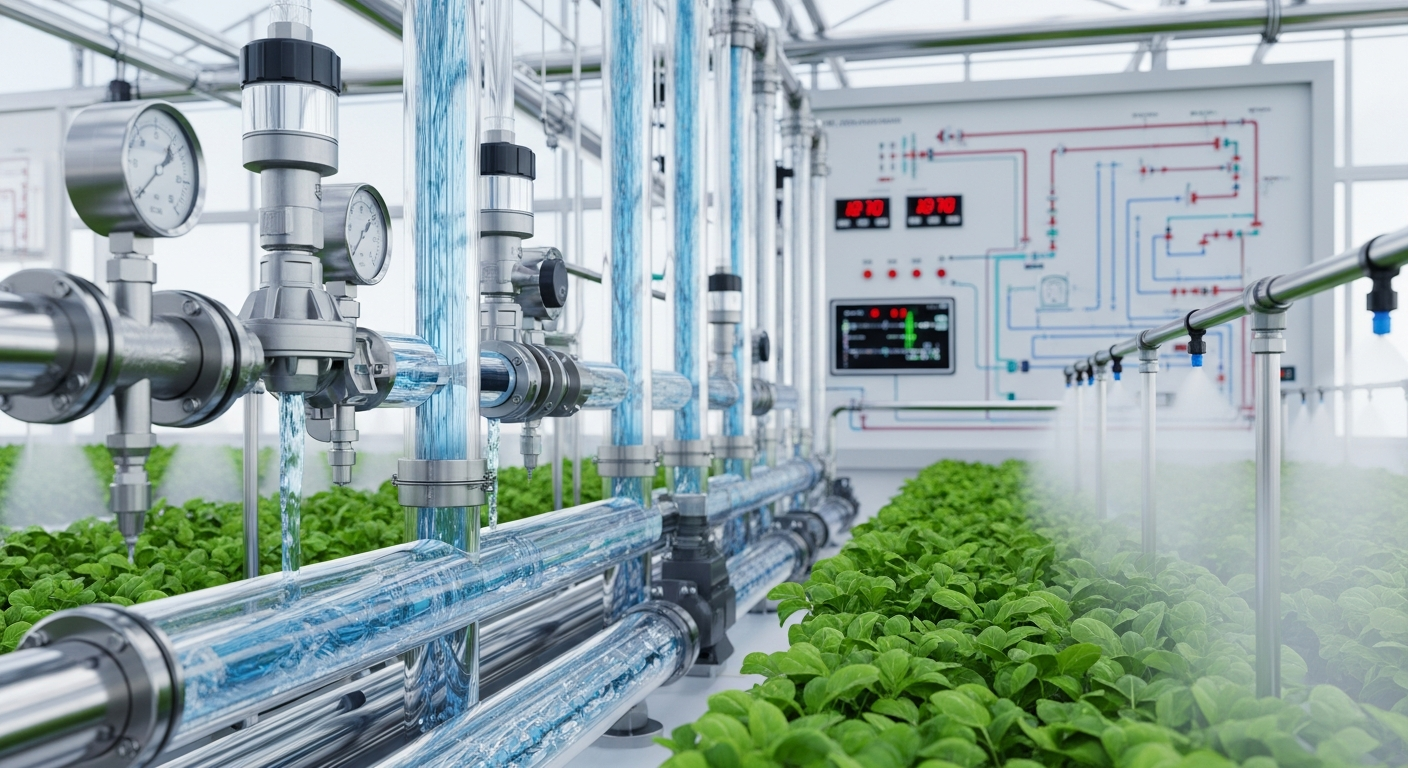
Understanding Flow Rate and System Pressure
- Flow Rate: This refers to the volume of water moving through your irrigation system over a given period (e.g., liters per hour, gallons per minute). It’s dictated by the capacity of your pump, the diameter of your pipes, and the design of your emitters.
- System Pressure: This is the force that propels water through your pipes and out of your emitters. Too little pressure can lead to uneven distribution and inadequate water delivery, especially to plants further down the line. Too much pressure can cause equipment wear and tear, burst pipes, and misting from emitters, leading to wasted water and nutrient runoff.
The challenge lies in the fact that every plant has specific physiological needs. Delivering too little water can lead to water stress, reduced photosynthesis, nutrient deficiencies, and stunted growth. Conversely, over-watering can lead to anaerobic conditions in the root zone, root rot, pathogen proliferation, and nutrient leaching, all of which compromise plant health and resource efficiency.
Moreover, the flow rate directly impacts nutrient delivery in fertigation systems. An optimized flow rate ensures that nutrient solutions are consistently and uniformly distributed, preventing localized deficiencies or toxicities.
Key Factors Influencing Optimal Flow Rate in Greenhouses
Achieving the perfect flow rate isn’t a one-size-fits-all solution. Several factors within your greenhouse environment and irrigation system design dictate what “optimal” truly means.
1. Plant Type and Growth Stage
- Crop Species: Different plants have vastly different water requirements. A succulent will need far less water than a leafy green like lettuce or a fruiting plant like a tomato, which are heavy transpirers.
- Growth Stage: Seedlings and young plants typically require less water and a gentler flow than mature, fruiting plants, which have extensive root systems and high metabolic demands. Adjusting irrigation schedules and flow rates as plants mature is crucial.
2. Growing Medium and System Type
- Substrate: The water retention capacity of your growing medium (e.g., coco coir, rockwool, perlite, soil mix) directly influences how much water can be held and how frequently irrigation is needed. Fast-draining media may require higher flow rates or more frequent, shorter irrigation cycles.
- Irrigation System: Whether you’re using drip irrigation, hydroponic systems (NFT, DWC), ebb and flow, or overhead sprinklers, each method has inherent characteristics that affect water delivery and uniform distribution. Pressure compensating (PC) emitters are particularly valuable in drip systems for maintaining consistent flow despite pressure fluctuations.
3. Environmental Conditions
- Temperature and Humidity: High temperatures and low humidity increase plant transpiration, leading to higher water demands. Conversely, cooler, more humid conditions reduce transpiration.
- Light Intensity: Plants transpire more under higher light levels (e.g., bright sunny days) to cool themselves and facilitate photosynthesis. Lower light conditions (e.g., cloudy days, night) require less water.
4. Water Quality and System Maintenance
Poor water quality (e.g., high mineral content, sediment) can lead to emitter clogging, reducing effective flow rates and creating uneven irrigation patterns. Regular maintenance, including flushing lines and cleaning emitters, is essential to sustain optimal performance.
Strategies for Achieving Optimal Flow Rate and Pressure Balance
Optimizing flow rate is a continuous process that involves thoughtful design, precise monitoring, and proactive management. Here’s how you can achieve this critical balance:
1. Design for Uniformity: The Foundation of Success
- Pump Sizing: Select a pump that can deliver the required flow and pressure for your entire irrigation zone, accounting for friction loss in pipes. Undersized pumps lead to inadequate pressure; oversized pumps waste energy.
- Pipe Sizing and Layout: Use appropriate pipe diameters to minimize friction loss, especially in longer runs. Design your manifold system to ensure relatively equal path lengths and pressure to all irrigation zones.
- Pressure Regulators and Filters: Install pressure regulators to maintain a consistent operating pressure across your system. Adequate filtration is crucial to prevent particulate matter from clogging emitters and disrupting flow.
- Pressure-Compensating (PC) Emitters: For drip irrigation, PC emitters are indispensable. They deliver a consistent flow rate over a wide range of operating pressures, ensuring uniform water and nutrient delivery even on sloped terrain or in long irrigation lines.
2. Implement Smart Monitoring and Control
- Flow Meters and Pressure Gauges: Install these at strategic points in your system to continuously monitor actual flow rates and pressures. Deviations can signal clogs, leaks, or pump issues.
- Soil Moisture Sensors: These provide real-time data on the water content in your growing medium, allowing you to irrigate based on actual plant need rather than a fixed schedule. This helps prevent both under and over-watering.
- VPD (Vapor Pressure Deficit) Monitoring: Integrating VPD data into your irrigation strategy allows you to adjust watering based on atmospheric demand, optimizing plant transpiration and nutrient uptake.
- Greenhouse Automation Systems: Modern climate control systems can integrate irrigation scheduling with environmental sensors (temperature, humidity, light). This allows for dynamic adjustments to flow rates and irrigation duration based on changing conditions, greatly enhancing water efficiency and plant health.
3. Proactive Maintenance and Adjustment
- Regular System Audits: Periodically check every emitter for proper function and flow. Look for leaks, blockages, or uneven distribution.
- Emitter Cleaning: Flush drip lines and clean emitters regularly, especially if using non-PC emitters or if your water source has high mineral content.
- Seasonal Adjustments: Be prepared to adjust irrigation schedules and potentially flow rates as seasons change, affecting light, temperature, and humidity levels. Plants in winter will likely need less water than in peak summer.
Practical Tips for Maximizing Efficiency and Yield
To truly harness the power of flow rate optimization, integrate these actionable tips into your greenhouse management strategy:
- Sectionalize Your Greenhouse: If you grow different crop types or have plants at various growth stages, divide your greenhouse into irrigation zones, each with its own customized flow rate and schedule. This prevents over- or under-watering neighboring crops.
- Perform Catch Can Tests: For sprinkler or spray systems, place collection cans throughout an irrigation zone to measure the uniformity of water distribution. This helps identify areas with insufficient or excessive flow.
- Embrace Data-Driven Decisions: Don’t just guess. Use data from sensors and historical climate information to make informed decisions about your irrigation strategy. Track plant growth and yield in relation to your watering practices.
- Educate Your Team: Ensure all personnel involved in irrigation understand the importance of flow rate, system pressure, and the specific needs of your crops. Proper training can prevent costly mistakes.
- Invest in Quality Components: While upfront costs might be higher, durable, high-quality pumps, pressure regulators, and emitters will pay off in the long run through consistent performance, reduced maintenance, and improved crop yields.
Conclusion
Flow rate optimization is far more than a technical detail; it’s a fundamental pillar of successful greenhouse cultivation. By meticulously balancing system pressure with the precise water and nutrient requirements of your plants, you unlock a cascade of benefits: healthier root systems, reduced water and fertilizer waste, minimized disease risk, and ultimately, higher quality and quantity of yields. Investing time and resources into understanding and fine-tuning your irrigation flow rates will not only improve your bottom line but also contribute to a more sustainable and resilient greenhouse operation. Embrace the science, leverage the technology, and watch your greenhouse climates thrive.