
Greenhouse ownership is a rewarding endeavor, allowing you to cultivate a diverse array of plants regardless of external weather conditions. However, even the most robust greenhouse requires occasional maintenance and repairs. Whether it’s a broken pane of glass, a malfunctioning vent, a leaky seal, or an upgrade to your climate control system, these essential tasks can expose your precious plants to uncharacteristic and potentially damaging conditions. A sudden influx of direct sunlight, drastic temperature swings, or even abrasive dust can quickly lead to plant stress, scorching, or worse. This is where the humble shade cloth steps in as a critical, yet often overlooked, hero. Simple to deploy and incredibly effective, temporary shade cloth can be your plants’ best friend during the inevitable disruptions of greenhouse upkeep. This article will guide you through understanding the need, choosing the right material, and strategically deploying shade cloth to safeguard your botanical treasures during any repair.
Understanding the Threat: Why Temporary Protection is Crucial During Repairs
When your greenhouse undergoes repairs, the delicate equilibrium you’ve meticulously maintained can be instantly disrupted. Plants, especially those accustomed to a controlled environment, are highly sensitive to sudden changes. Understanding the specific threats helps you appreciate the vital role of temporary shade cloth.
- Excessive Light Intensity: Removing roof panels, even for a short period, can expose plants to direct, unfiltered sunlight they are not acclimated to. This sudden burst of high light intensity can quickly lead to leaf scorch, bleaching, and irreversible damage, particularly for shade-loving species or young seedlings.
- Temperature Fluctuations: Openings in the greenhouse structure, whether planned or accidental, can cause dramatic temperature fluctuations. On a hot, sunny day, exposed areas can overheat rapidly, leading to heat stress and wilting. Conversely, if repairs extend into cooler periods, plants might be subjected to cold drafts or even freezing temperatures, risking shock or frost damage.
- UV Radiation Exposure: While most greenhouse coverings filter some UV light, direct exposure through an open panel can be much higher than plants are used to, contributing to stress and cellular damage. UV protection is an often unsung benefit of shade cloth.
- Dust and Debris: Construction and repair work inevitably generate dust, sawdust, paint particles, or even small fragments of building materials. These can settle on plant leaves, clogging stomata and hindering photosynthesis, or physically abrade delicate foliage.
- Wind Exposure: Open sections can create unexpected drafts, leading to physical damage like broken stems or rapid moisture loss from leaves, increasing plant stress.
Each of these factors can compromise plant health, stunt growth, or even result in the loss of entire crops. Proactive plant protection using temporary greenhouse shading is not just a good idea; it’s a critical component of responsible greenhouse maintenance and greenhouse climate control during repair periods.
Choosing the Right Shade Cloth for Temporary Use
Not all shade cloths are created equal, and selecting the appropriate one for temporary plant protection requires a little thought. The goal is to mitigate damage without unnecessarily hindering plant processes or extending the repair time.
Shade Percentage: Finding the Balance
The most crucial factor is the shade cloth percentage, which indicates how much sunlight the material blocks. For temporary use, you generally want something that offers significant relief but doesn’t plunge your plants into complete darkness.
- 30-40% Shade: Ideal for plants that require high light but are sensitive to scorching, or for situations where exposure is brief (e.g., a few hours). Good for many fruiting plants, peppers, tomatoes, etc.
- 50-60% Shade: A versatile choice for most general greenhouse plants, providing ample protection against intense sun and heat. This is a safe bet for a broader range of plants during more extended repairs (e.g., a full day or a few days).
- 70%+ Shade: Rarely needed for temporary protection unless you are working with extremely delicate, deep-shade loving plants, or if you expect very prolonged, intense sun exposure during repairs. Excessive shade can lead to leggy growth and reduced photosynthesis.
Consider the type of plants you grow and the usual intensity of sunlight in your region. If your greenhouse houses succulents and cacti, you might opt for a lower percentage, whereas ferns and orchids would benefit from a higher one. When in doubt, err on the side of slightly less shade for temporary measures, as you can always add another layer or adjust if necessary.
Material and Color Considerations
Most shade cloth material is made from high-density polyethylene (HDPE).
- Knitted vs. Woven: Knitted shade cloth is generally preferred for temporary applications. It resists fraying when cut and is more flexible. Woven cloth is very durable but can fray more easily if cut.
- UV Stability: Ensure the cloth is UV-stabilized, even for temporary use, to prevent rapid degradation in sunlight.
- Color: Black is common as it absorbs heat and provides shade. Green is also popular and offers a more natural aesthetic. White shade cloth reflects more light and heat, which can be beneficial in extremely hot climates where both shading and cooling are priorities. For temporary use, black or green are usually perfectly adequate.
Choose a size that provides ample coverage for the repair area, with enough overhang to secure it effectively.
Strategic Placement: How to Deploy Shade Cloth During Repairs
Effective deployment of temporary shade solutions is key to maximizing protection and minimizing hassle. The goal is to create a barrier between your plants and the harsh conditions without impeding the repair work itself.
- Assess the Repair Area and Vulnerable Plants: Before you even begin repairs, identify which plants will be directly exposed to the open sections. Are they directly under a missing roof panel? Will they be in the path of debris? Prioritize protection for the most vulnerable and valuable specimens.
- Overhead Protection:
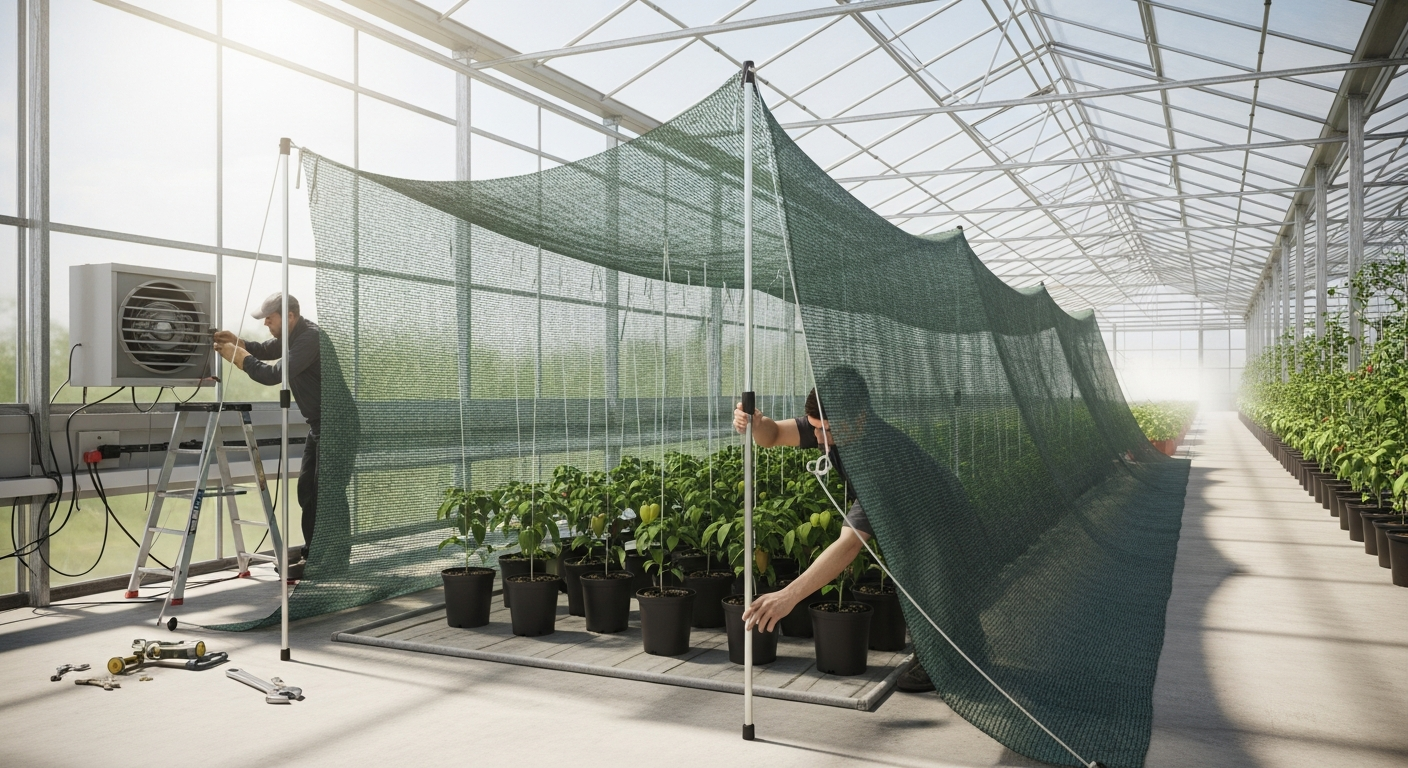
- Creating a Temporary Canopy: If a roof panel is being removed or replaced, the best approach is to create a temporary canopy directly above the affected area. This can be done by draping the shade cloth over existing greenhouse structural elements, or by setting up a simple frame.
- Simple Framing: Use PVC pipes, bamboo stakes, or even sturdy wooden dowels to create a temporary sub-frame within the greenhouse. Suspend the shade cloth over this frame, ensuring it is several inches above the highest plants to allow for airflow and prevent direct contact.
- Existing Structures: Utilize cross-beams, purlins, or support wires to string up the shade cloth.
- Side Protection for Wall Repairs or Vents:
- If a side wall or vent is being repaired, causing an opening, drape shade cloth vertically. Secure it to the greenhouse frame above and weigh down the bottom with small bags of sand or gravel, or secure it to the ground. This helps block direct sun, wind, and debris.
- Individual Plant Protection (Last Resort/Small Scale):
- For very localized repairs or extremely delicate individual plants, you can create mini-canopies. Use stakes or small hoops to support the shade cloth above the plant, preventing the cloth from resting directly on foliage, which can trap heat or cause physical damage. This is a good DIY plant protection method.
- Securing the Cloth:
- Grommets and Clips: Most shade cloths come with grommets, or you can buy clips designed for shade cloth. Use zip ties, bungee cords, or twine to secure the cloth firmly to your temporary frame or greenhouse structure.
- Weighting: For edges that might flap, use small weights (e.g., sandbags, rocks wrapped in cloth) to hold them down.
- Stability is Key: Ensure the cloth is taut but not overly stretched, and securely fastened. A loose shade cloth can flap in the wind, causing noise, dislodging, or even damaging plants if it whips against them.
- Ensure Ventilation: While providing shade, be mindful not to completely seal off airflow. Good ventilation is still crucial, especially during hot days, to prevent heat buildup underneath the shade cloth. Aim to create shaded zones rather than airtight compartments. This balance is critical for maintaining effective greenhouse climate control.
Monitoring and Adjusting: Post-Deployment Care
Installing temporary shade cloth isn’t a “set it and forget it” task. Ongoing vigilance will ensure your plants remain healthy throughout the repair process.
- Observe Your Plants Closely: Regularly inspect your plants for any signs of stress.
- Wilting or Drooping: Could indicate heat stress or insufficient watering (sometimes exacerbated by changed conditions).
- Yellowing or Scorching: Suggests too much direct light or heat is still reaching the plants, even with the shade. You might need to increase the shade percentage or improve coverage.
- Etiolation (Leggy Growth): If repairs are prolonged and shade is too dense, plants might stretch, indicating insufficient light. In such cases, consider removing the shade cloth during overcast periods or using a lower percentage.
- Monitor Internal Conditions: Keep an eye on the temperature under the shaded area using a thermometer. Compare it to temperatures in unshaded parts of the greenhouse (if applicable) and outside. This helps you assess the effectiveness of your greenhouse shading.
- Adjust Based on Weather Changes:
- On very overcast days, consider temporarily removing or partially opening the shade cloth to allow more ambient light, especially if repairs are lengthy.
- If an unexpected heatwave hits, you might need to add an additional layer of shade cloth or increase ventilation.
- Duration of Protection: Only keep the shade cloth in place for as long as necessary. Once repairs are complete and the greenhouse integrity is restored, gradually reintroduce plants to their normal light conditions. If plants have been under heavy shade for several days, a sudden return to full sun can still cause shock. Remove the shade cloth in stages over a day or two, if feasible.
- Cleanliness: Ensure the shade cloth itself remains free of heavy dust or debris that might reduce its effectiveness or introduce unwanted elements to your plants.
By actively monitoring and making minor adjustments, you ensure that the temporary plant protection strategy is always optimized for your plants’ well-being during the critical period of greenhouse repairs best practices.
Conclusion: Protecting Your Investment with Simple Solutions
Greenhouse repairs, while essential for the longevity of your growing space, inevitably create temporary vulnerabilities for your plants. The thoughtful use of shade cloth offers a remarkably simple yet highly effective solution for protecting plants during repairs. By understanding the threats of increased light intensity and temperature fluctuations, selecting the right shade cloth percentage, and deploying it strategically, you can minimize plant stress and prevent costly damage. This proactive approach not only safeguards your botanical investment but also ensures a smoother transition back to optimal growing conditions once the work is complete. Don’t let a necessary repair compromise your crop; equip yourself with the knowledge and tools to provide your plants with the temporary sanctuary they need to thrive, no matter the disruption.