
In the dynamic world of commercial nurseries, where every plant represents an investment and a promise of growth, managing environmental factors is paramount. Among these, light intensity and temperature control stand out as critical elements influencing plant health, vigor, and overall yield. While greenhouses offer a controlled environment, even they can succumb to the harsh realities of intense sunlight and scorching heat. This is where shade cloth becomes not just an accessory, but an indispensable tool for success. Choosing the right shade cloth is a nuanced decision that can significantly impact your nursery’s productivity and profitability, protecting your delicate seedlings and mature plants alike from the detrimental effects of excessive sun exposure.
Understanding Shade Cloth Basics for Commercial Nurseries
Shade cloth, at its core, is a material designed to reduce the amount of sunlight reaching plants, thereby mitigating heat stress and preventing sunburn. However, its role extends far beyond simple sun protection. For a commercial nursery, shade cloth is a critical component of a comprehensive climate control strategy, contributing to healthier plants, improved water management, and extended growing seasons.
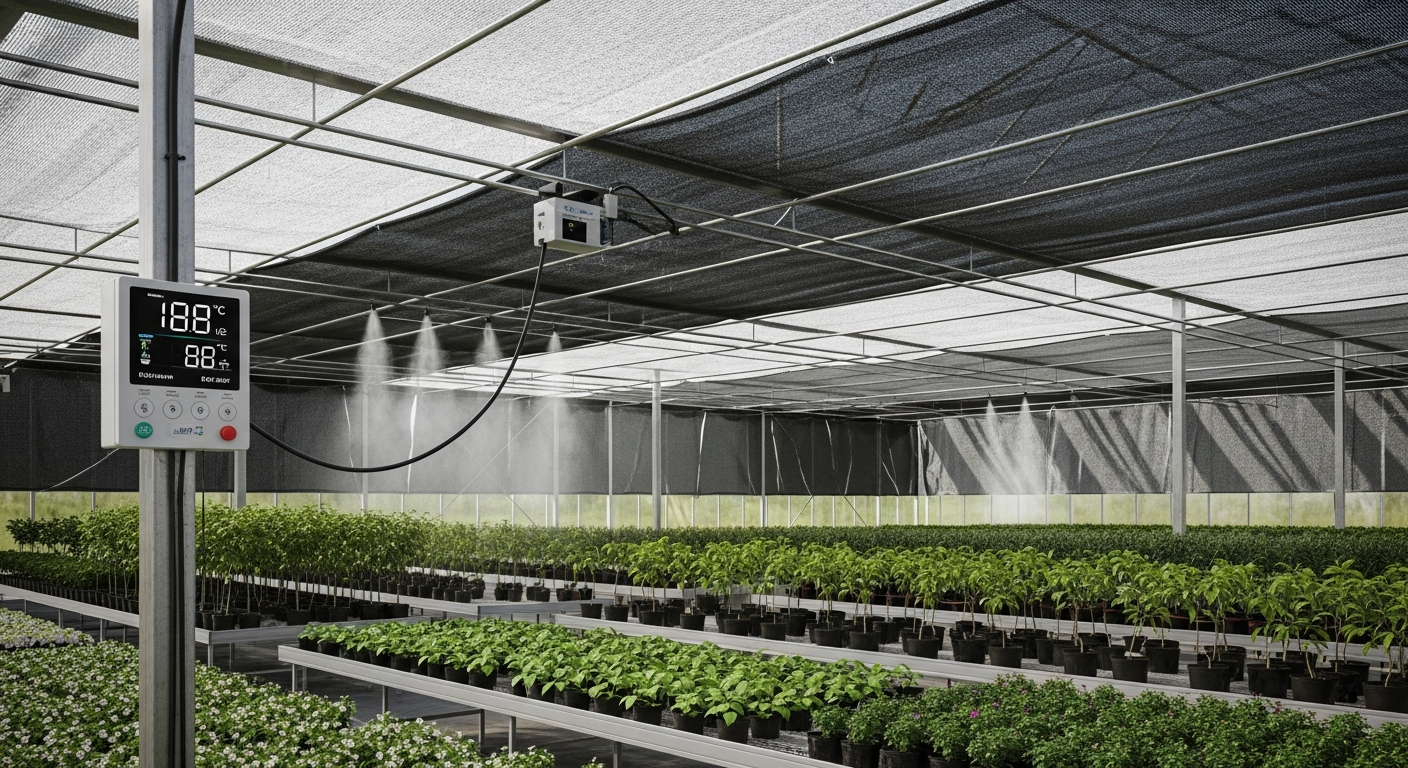
The primary benefits of incorporating shade cloth into your nursery operations include:
- Preventing Sunburn: Direct, intense sunlight can cause leaf scorching, necrosis, and irreversible damage to plant tissues, especially for young or sensitive species.
- Reducing Heat Stress: By blocking a percentage of solar radiation, shade cloth significantly lowers the ambient temperature within the growing area, creating a more favorable microclimate for plant respiration and photosynthesis.
- Optimizing Growth: Plants have specific light requirements. Too much light can inhibit growth, while the right amount encourages robust development, stronger stems, and healthier foliage.
- Conserving Water: Lower temperatures and reduced solar radiation lead to decreased evapotranspiration from both plants and soil, meaning less water is needed for irrigation.
- Extending Growing Seasons: Shade cloth allows nurseries to cultivate heat-sensitive crops well into warmer months, or to start seedlings earlier, effectively extending the productive window.
- Protecting Against Environmental Extremes: Beyond sun, shade cloth can offer a degree of protection against hail, strong winds, and heavy rainfall, though it’s not its primary function.
Understanding these fundamental advantages lays the groundwork for making informed decisions about which shade cloth is best suited for your specific commercial nursery needs.
Key Factors in Selecting the Right Shade Cloth
The market offers a wide array of shade cloth options, and selecting the optimal one requires careful consideration of several interconnected factors. A one-size-fits-all approach rarely yields the best results for diverse commercial operations.
Shade Percentage: The Most Critical Choice
The shade percentage indicates how much sunlight the cloth blocks. This is arguably the most crucial decision, as it directly impacts the light intensity your plants receive. Shade percentages typically range from 30% to 90%.
- 30-50% Shade: Ideal for plants that require high light but need protection from the most intense afternoon sun, or in regions with exceptionally harsh solar radiation. Examples include many fruiting vegetables (tomatoes, peppers), some perennials, and sun-loving ornamentals.
- 50-70% Shade: A versatile range suitable for a broad spectrum of crops, including most bedding plants, herbs, young trees, and shrubs that thrive in partial sun. This range often balances heat reduction with sufficient light for vigorous growth.
- 70-90% Shade: Reserved for shade-loving plants, delicate seedlings, propagation areas, and crops highly susceptible to heat and light stress (e.g., ferns, orchids, specific leafy greens). It provides maximum protection and significantly reduces temperatures.
To determine the ideal shade percentage, consider your specific crop varieties, your geographical location’s average light levels, and the time of year. Practical Tip: It’s often safer to start with a slightly lower shade percentage and observe your plants. You can always add a second layer or increase shade if needed, but you can’t easily reduce it once installed. Monitor plant responses for signs of stress or etiolation (stretching due to insufficient light).
Material and Weave Type: Durability and Performance
Shade cloth is generally made from two primary materials and weave types, each offering distinct advantages:
- Knitted High-Density Polyethylene (HDPE): This is the most common type for commercial applications. Knitted shade cloth is durable, resistant to tearing and fraying, and typically UV-stabilized for long-term use. Its knitted construction means that if it gets a puncture or tear, it won’t unravel easily. It’s also flexible and relatively lightweight, making installation and removal simpler. Most quality knitted shade cloths come with good warranties.
- Woven Polypropylene: Woven shade cloth is often heavier and stronger than knitted varieties, making it highly durable against physical stress. However, if cut or torn, woven material can unravel. It’s often used for more rigid applications or where extreme strength is a priority.
For most commercial nurseries seeking a balance of durability, longevity, and ease of use, knitted HDPE is generally the preferred choice due to its resistance to unraveling and UV degradation.
Shade Cloth Color: Beyond Aesthetics
The color of your shade cloth isn’t just about appearance; it influences temperature reduction and light spectrum management.
- Black: The most common color. Black shade cloth absorbs heat and provides a consistent, deep shade. It’s effective at reducing overall light intensity and temperature.
- Green: Functions similarly to black but can offer a more natural aesthetic, often preferred in ornamental nurseries.
- White/Silver/Aluminum: These reflective colors are excellent at reflecting solar radiation rather than absorbing it. This results in significantly cooler temperatures underneath the cloth compared to black or green. White shade cloth also tends to diffuse light more effectively, reducing harsh shadows and promoting more even growth. They are particularly beneficial in very hot climates or for highly heat-sensitive crops.
Practical Tip: For significant temperature reduction, especially in regions with prolonged high temperatures, consider white or silver shade cloth. While often more expensive upfront, the energy savings (less cooling needed) and improved plant health can justify the investment.
Installation Method and Reinforcement
Consider how the shade cloth will be installed and secured. Commercial applications require robust solutions. Look for shade cloth with:
- Reinforced Edges: Strong, woven edges prevent tearing and provide secure attachment points.
- Grommets: Strategically placed grommets allow for easy and secure fastening with clips, ropes, or wires.
- Custom Sizing: Many suppliers offer custom sizes to fit your specific greenhouse or growing area, minimizing waste and ensuring a snug fit.
Whether you’re installing it as a permanent overhead fixture, retractable system, or side curtains, ensure the chosen shade cloth and its installation method can withstand local wind loads and environmental conditions.
UV Protection and Heat Reduction
While all shade cloths reduce UV exposure to some extent by blocking sunlight, high-quality, UV-stabilized materials will last longer under intense solar radiation. More importantly, the primary goal for many nurseries is heat reduction. The combination of shade percentage, material, and color (especially reflective options) plays a crucial role in lowering ambient temperatures, creating a more stable and less stressful growing environment for your plants.
Matching Shade Cloth to Specific Commercial Nursery Crops
The ultimate goal is to match the shade cloth to the specific light and temperature requirements of your crops. Here are some general guidelines:
- Seedling Propagation: Often requires 70-80% shade to protect delicate young plants from scorching and reduce moisture evaporation.
- Bedding Plants (e.g., Petunias, Marigolds): Typically thrive under 50-60% shade during peak summer months, allowing them to produce vibrant blooms without stress.
- Container Ornamentals (e.g., Shrubs, Small Trees): Depending on species, 30-50% shade might be sufficient to prevent leaf burn while ensuring robust growth.
- Fruiting Vegetables (e.g., Tomatoes, Peppers in containers): Can benefit from 30-40% shade to protect fruit from sunscald and reduce heat stress, especially in hot climates, without significantly impeding yield.
- Shade-Loving Perennials (e.g., Hostas, Ferns): May require 70% or more shade to mimic their natural understory environment.
Always research the specific light requirements of the plants you are growing. Actionable Advice: Conduct trials with small batches of new crops under different shade percentages if you’re unsure. This hands-on observation is invaluable for fine-tuning your shade cloth strategy.
Practical Tips for Maximizing Shade Cloth Effectiveness
Beyond selecting the right cloth, how you manage and maintain it can significantly impact its longevity and performance:
- Monitor Light and Temperature: Invest in a good light meter (PAR meter) and thermometers to regularly check conditions under your shade cloth. This data will help you confirm your choice and make adjustments.
- Consider Retractable Systems: For ultimate flexibility, especially in regions with variable weather, a retractable shade system allows you to adjust light levels daily or seasonally. This is invaluable for hardening off plants or optimizing light during different growth stages.
- Proper Installation is Key: Ensure the shade cloth is tautly and securely fastened to prevent flapping in the wind, which can lead to tears and stress points. Allow for adequate airflow between the shade cloth and the greenhouse roof if possible, to prevent heat trapping.
- Clean Periodically: Dust, pollen, and debris can accumulate on shade cloth, reducing its effectiveness. A gentle cleaning with water can help maintain its light-reducing capabilities.
- Inspect for Damage: Regularly check for tears, fraying, or weakened grommets, especially after storms. Timely repairs can prevent small issues from becoming costly replacements.
- Factor in Regional Climate: Understand your local climate patterns. High altitude, coastal proximity, or inland desert environments each present unique challenges that will influence your shade cloth needs.
- Think Beyond Overhead: Don’t forget side shading. Plants can suffer from afternoon sun exposure coming through the sides of a greenhouse or nursery structure.
Choosing the right shade cloth for your commercial nursery is a strategic decision that directly impacts plant health, resource efficiency, and ultimately, your bottom line. By carefully considering shade percentage, material, color, and installation, and by continuously monitoring your plants’ responses, you can create an optimal growing environment that fosters vigorous growth and maximizes your nursery’s potential. It’s an investment that pays dividends in robust plants and a thriving business.