
In the world of greenhouse gardening, nurturing healthy plants often feels like a delicate dance with environmental factors. While we meticulously control light, humidity, and nutrients, one silent saboteur often goes unnoticed: excessive heat radiating from black nursery pots. These ubiquitous containers are fantastic for nurseries due to their cost-effectiveness and durability, but their dark color becomes a significant liability under intense sun or high ambient temperatures. This heat build-up can lead to stressed roots, stunted growth, and even plant death, undermining all your hard work. Understanding this challenge is the first step towards creating a more hospitable environment for your potted plants. This article will delve into practical, effective strategies to mitigate heat radiation from black nursery pots, ensuring your plants thrive from the roots up.
The Hidden Danger: Why Black Pots Get So Hot
Black nursery pots are incredibly common, and for good reason: they’re affordable, durable, and readily available. However, their dark color, while convenient for mass production, presents a significant drawback in warmer climates or during peak summer months. The science is simple yet impactful: black is the most efficient color at absorbing light across the visible spectrum. When sunlight hits a black pot, a large percentage of that solar radiation is absorbed and converted into heat. This isn’t just surface heat; it permeates the pot material and significantly raises the temperature of the growing medium inside.
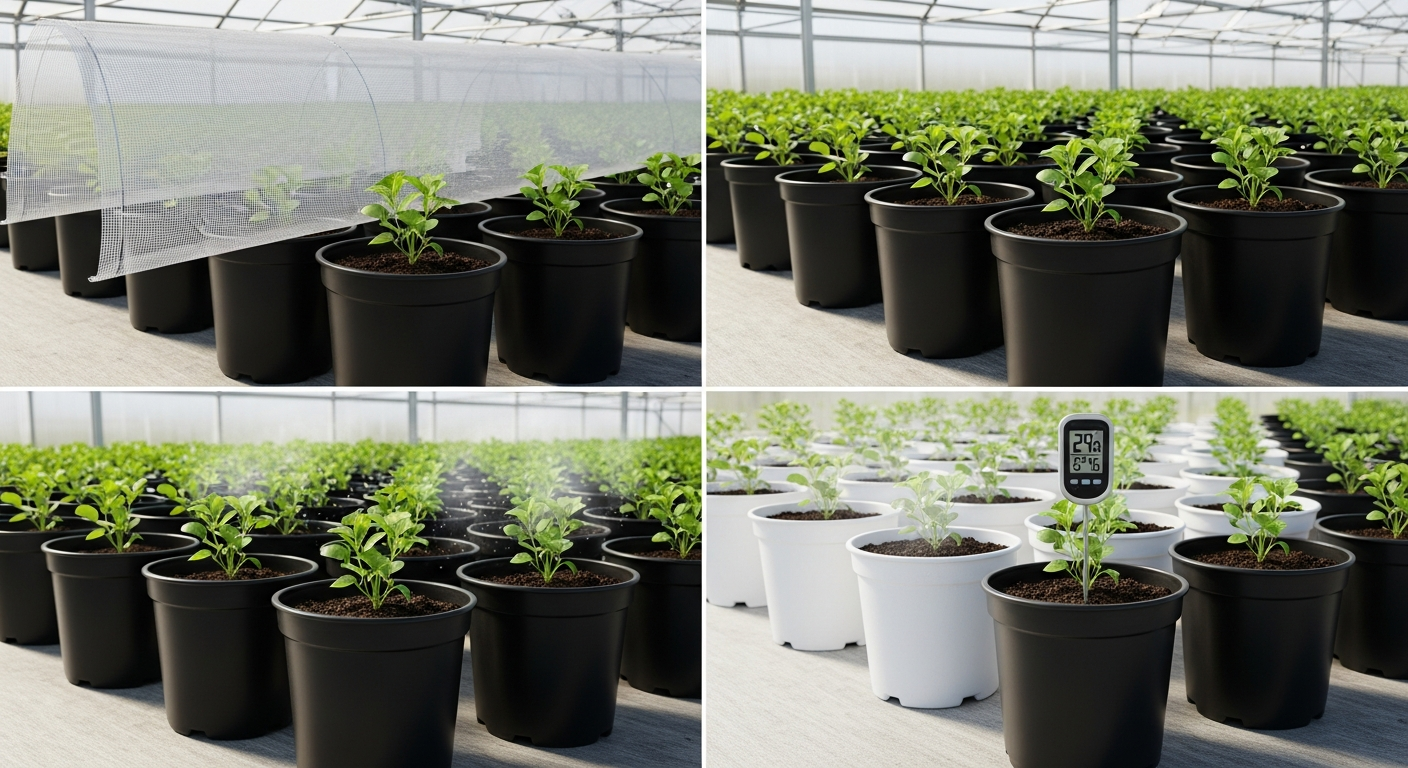
The consequences of this elevated root zone temperature can be severe for your plants. Roots are highly sensitive to heat; they prefer a cool, stable environment to function optimally. When soil temperatures soar:
- Root Damage: High temperatures can directly damage delicate root hairs, impairing their ability to absorb water and nutrients.
- Stunted Growth: Heat stress diverts energy away from vegetative growth as the plant tries to cope, leading to slower development and smaller yields.
- Increased Water Demand: Plants transpire more rapidly in an attempt to cool themselves, leading to faster drying out of the potting mix and requiring more frequent watering.
- Nutrient Lockout: Extreme soil temperatures can alter the availability of certain nutrients, making them inaccessible to the plant even if present in the soil.
- Pest and Disease Susceptibility: Stressed plants are generally weaker and more vulnerable to attacks from pests and diseases.
Recognizing the inherent problem with black pot heat is crucial for any greenhouse enthusiast looking to optimize plant health and productivity. Addressing this issue can lead to more vigorous growth, healthier root systems, and a more resilient garden overall.
Immediate & Short-Term Solutions for Cooling Your Pots
When temperatures rise, quick action can prevent significant damage to your potted plants. Here are some immediate and short-term strategies to reduce heat radiation from black nursery pots:
Strategic Placement and Shading
- Relocate Pots: If possible, move pots to a shadier location during the hottest parts of the day. Even a few hours of afternoon shade can make a big difference for root zone temperature.
- Create Artificial Shade: For stationary pots or larger setups, use shade cloths, tarps, or even taller companion plants to cast shade directly over the pots. Simple solutions like leaning a piece of cardboard against the sunny side of a pot can also help deflect direct sunlight.
- Group Pots Together: Clustering pots can create a mini-microclimate. The foliage of one plant can shade the pot of another, and the combined transpiration helps to cool the immediate area. Just ensure there’s still adequate airflow to prevent fungal issues.
- Elevate Pots: Placing pots on risers, pot feet, or benches allows air to circulate underneath, preventing heat from radiating from hot ground surfaces directly into the pot.
Watering Techniques for Heat Mitigation
- Water in the Morning or Evening: Watering during cooler parts of the day allows the plant to absorb moisture before the sun is at its peak. Avoid watering at midday when evaporation is highest and cool water can rapidly heat up in a hot pot.
- Use Cooler Water: If possible, use water that isn’t excessively warm. Water stored in a sun-baked hose can be very hot and shock roots. Let the hose run for a moment to flush out hot water before watering.
- Consistent Moisture: Keep the potting mix consistently moist, but not waterlogged. A dry potting mix heats up much faster than a moist one, as water has a high specific heat capacity and helps to moderate temperature.
Enhancing Airflow Around Pots
- Spacing: Ensure adequate space between pots. Good air circulation helps dissipate accumulated heat and prevents a stagnant, warm air pocket around the containers.
- Greenhouse Fans: In a greenhouse environment, oscillating fans are invaluable for moving air, preventing hot spots, and helping to cool both the ambient temperature and the surfaces of pots through convection.
Long-Term Solutions: Pot Modifications & Alternatives
For sustainable heat management, consider more permanent modifications or alternative potting choices. These strategies focus on preventing heat absorption in the first place or providing better insulation.
Embracing Lighter Colors and Materials
- Switch to White or Light-Colored Pots: This is perhaps the most straightforward and effective long-term solution. White pots reflect a significant amount of solar radiation, keeping the root zone much cooler than black pots. Other light colors like beige, light grey, or even terracotta can also be beneficial, although terracotta can still get warm and lose moisture quickly through its porous surface.
- Fabric Grow Bags: Made from breathable geotextile fabric, these pots promote “air pruning” of roots, but they also allow for excellent air exchange around the root ball. This breathability helps dissipate heat much more effectively than solid plastic, preventing stagnant hot pockets. They are particularly effective in very hot climates.
Pot-in-Pot and Pot Covers
- The Pot-in-Pot Method: This involves placing a smaller black pot inside a larger, lighter-colored pot. The air gap between the two pots acts as an insulating layer, much like a double-paned window, keeping the inner pot cooler. You can even fill the gap with insulating material like straw, wood chips, or even sand for added thermal mass.
- Paint Black Pots White: If replacing all your black pots isn’t feasible, a simple solution is to paint the exterior of the pots with white, reflective paint. This immediately converts them into heat-reflecting containers without the cost of new pots. Ensure the paint is non-toxic and suitable for outdoor use.
- Use Pot Sleeves or Covers: Wrap black pots with reflective materials like aluminum foil, mylar, or specialized reflective pot covers. Even a layer of burlap or straw wrapped around the pot can provide insulation and shade. These can be temporary for heatwaves or more permanent fixtures.
- Mulch the Pot Surface: Applying a layer of organic mulch (like wood chips, straw, or coco coir) on top of the potting mix helps insulate the soil from direct sun, reduces evaporation, and keeps the root zone cooler.
Greenhouse Environment Control for Cooler Pots
Beyond individual pot treatments, optimizing your overall greenhouse environment is key to keeping all your plants, including those in black pots, comfortable.
Effective Ventilation and Air Circulation
- Automated Ventilation Systems: For greenhouses, automated vents that open at specific temperatures are crucial for expelling hot air and drawing in cooler air from outside.
- Exhaust Fans: Install powerful exhaust fans to actively pull hot air out of the greenhouse, preventing heat build-up that affects everything, including your pots.
- Circulation Fans: Internal oscillating fans ensure that air is constantly moving throughout the greenhouse. This prevents stagnant hot air pockets around pots and helps to equalize temperatures, reducing the heat radiating from surfaces.
Implementing Shade Cloths
- External Shade Cloths: Hanging a shade cloth over the exterior of your greenhouse is one of the most effective ways to reduce overall interior temperatures. This prevents a significant portion of solar radiation from ever entering the structure, thereby lowering ambient temperatures and reducing the heat load on pots. Choose a shade percentage appropriate for your plants (e.g., 30-50% for most vegetables and flowers).
- Internal Shade Screens: While less effective than external cloths, internal shade screens can still provide some relief and are easier to deploy or retract as needed.
Misting and Evaporative Cooling
- Misting Systems: Fine misting systems can significantly lower air temperature through evaporative cooling. As the tiny water droplets evaporate, they absorb heat from the surrounding air. This benefits both the plant foliage and the soil in the pots.
- Wet Pads and Fans (Evaporative Coolers): For larger greenhouses, a wet pad and fan system draws hot air through water-saturated pads, cooling the air before it circulates through the space. This is a highly efficient way to reduce overall greenhouse temperatures, directly benefiting pot temperatures.
Conclusion
Managing heat radiation from black nursery pots is a critical aspect of successful greenhouse gardening, especially during warmer seasons. The seemingly simple choice of pot color can have profound effects on root health, plant growth, and overall vigor. By understanding why black pots absorb so much heat and implementing the strategies discussed – from immediate shading and watering adjustments to long-term solutions like switching to lighter-colored pots, utilizing fabric bags, or painting existing ones – you can create a far more hospitable environment for your plants. Furthermore, optimizing your greenhouse’s ventilation, shade, and cooling systems will provide comprehensive protection against heat stress. Prioritizing cooler root zones will lead to stronger, more resilient plants, ensuring a bountiful and rewarding gardening experience in your “Greenhouse Climates.”