The sun is the lifeblood of every greenhouse, providing the essential energy for photosynthesis and vibrant plant growth. However, like many good things, too much sun can quickly become detrimental. Excessive heat and the relentless assault of ultraviolet (UV) radiation can stress plants, hinder their development, and significantly shorten the lifespan of your greenhouse structures and equipment. This is where shading materials come into play – but not all shade is created equal. For optimal performance, longevity, and the best protection for your precious plants, understanding the benefits of using UV-stabilized shading materials is paramount for any greenhouse enthusiast or commercial grower.
The Invisible Threat: Understanding UV Degradation in Greenhouses
UV radiation is an invisible component of sunlight that, over time, can cause significant damage to both organic and synthetic materials. In a greenhouse environment, this means your shade cloths, films, and even structural plastics are constantly under attack. This process is known as UV degradation, and its effects can be devastating if not mitigated.
How UV Radiation Impacts Materials
- Embrittlement: UV rays break down the polymer chains in plastics and fabrics, making them brittle and prone to tearing or cracking.
- Fading and Discoloration: Dyes and pigments in materials degrade, leading to a loss of color and often a change in the material’s light transmission properties.
- Loss of Strength: The structural integrity of the material is compromised, reducing its resistance to wind, hail, and general wear and tear.
- Reduced Lifespan: Non-UV-stabilized materials will inevitably degrade rapidly, requiring frequent and costly replacements.
While plants require UV light for certain physiological processes, excessive exposure can lead to stress, photoinhibition (damage to photosynthetic apparatus), and even sunburn on delicate foliage. More importantly, the degradation of shading materials due to UV exposure directly impacts the effectiveness of your climate control strategy.
Unparalleled Durability and Longevity for Your Investment
One of the most compelling reasons to choose UV-stabilized greenhouse shade cloth is its dramatically extended lifespan. Unlike standard materials that quickly succumb to the sun’s harsh rays, UV-stabilized fabrics are engineered to resist degradation.
The Science Behind UV Stabilization
Manufacturers incorporate special additives, such as hindered amine light stabilizers (HALS) and UV absorbers, into the polymer structure of the shading material. These additives work in various ways to counteract the damaging effects of UV radiation:
- UV Absorbers: These compounds absorb UV energy and dissipate it as harmless heat, preventing it from reaching and damaging the polymer chains.
- HALS: These compounds scavenge free radicals produced by UV exposure, preventing them from initiating degradation reactions within the material.
The result is a material that maintains its strength, flexibility, and intended shade percentage far longer than its non-stabilized counterparts. This means fewer replacements, less labor, and significant long-term cost savings. While the initial investment in a UV-stabilized product might be slightly higher, its superior durability translates into a much lower total cost of ownership over the years.
Practical Tip: Identifying Quality Materials
When purchasing shading materials, always look for clear indications of UV stabilization on the product specifications or packaging. Reputable suppliers will proudly state the UV-resistant properties and often provide warranties that reflect the expected longevity of their products. Don’t compromise on this feature; it’s a cornerstone of effective and sustainable greenhouse operation.
Superior Climate Control and Plant Protection
The primary role of shading material is to moderate the greenhouse climate, reducing excessive heat and intense direct sunlight. UV-stabilized shading materials excel in this regard by maintaining their integrity and performance over time.
Consistent Shade, Consistent Environment
Non-UV-stabilized materials can quickly become brittle, develop holes, or change their light transmission properties as they degrade. This leads to inconsistent shading, creating hot spots and areas of excessive light that stress plants and compromise uniform growth. UV-stabilized fabrics, on the other hand, reliably deliver their stated shade percentage year after year, ensuring a stable and predictable growing environment. This consistency is vital for:
- Temperature Regulation: Effective shading reduces internal temperatures, minimizing the need for energy-intensive cooling systems and preventing heat stress in plants.
- Light Diffusion: Many high-quality UV-stabilized shade cloths are designed to diffuse light, scattering it more evenly over the plant canopy. This prevents harsh direct sunlight from scorching leaves and promotes more uniform growth across all plants.
- Reduced Water Loss: Lower temperatures and less direct sun exposure mean reduced transpiration rates in plants, leading to less water loss and more efficient irrigation.
- Protection from Sunburn: While some UV is beneficial, intense direct sunlight can cause irreparable damage to sensitive plants, leading to scorched leaves and stunted growth. Consistent shading protects against this.
Actionable Advice: Matching Shade Percentage to Your Needs
Choosing the correct shade percentage is crucial. Delicate seedlings, leafy greens, and orchids often require 50-70% shade, while more robust plants like tomatoes or peppers might thrive with 30-40% shade in very intense climates. Consider your specific crops, local climate, and the time of year when selecting your greenhouse shade net. UV-stabilized options are available across a wide range of percentages, allowing for precise climate tailoring.
Enhanced Energy Efficiency and Environmental Responsibility
Beyond durability and immediate plant benefits, choosing UV-stabilized shade fabrics also contributes to a more energy-efficient and environmentally responsible greenhouse operation.
Reduced Energy Consumption
By effectively reducing the internal temperature of your greenhouse, high-quality shading materials directly lower your cooling load. This means your fans, evaporative coolers, and other climate control systems don’t have to work as hard, consuming less electricity. Over the growing season, this can translate into significant savings on your utility bills and a smaller carbon footprint for your operation.
Minimizing Waste and Resource Use
The extended lifespan of UV-stabilized materials means you’ll be replacing them far less frequently. This has several positive environmental impacts:
- Less Landfill Waste: Fewer discarded shade cloths end up in landfills, reducing overall waste.
- Reduced Manufacturing Demand: Less frequent replacement cycles mean fewer resources (raw materials, energy for manufacturing and transport) are consumed in producing new materials.
- Sustainable Practices: Investing in long-lasting equipment aligns with principles of sustainable agriculture and responsible resource management.
Choosing the Right UV-Stabilized Shading Material
To maximize the benefits, consider these factors when selecting your shading material:
- Shade Percentage: As discussed, match this to your specific plant needs and climate.
- Material Type: Options include woven polyethylene, knitted polyethylene, and various shade films. Knitted materials often resist unraveling if punctured and can be very durable. Woven materials are robust but can fray if cut.
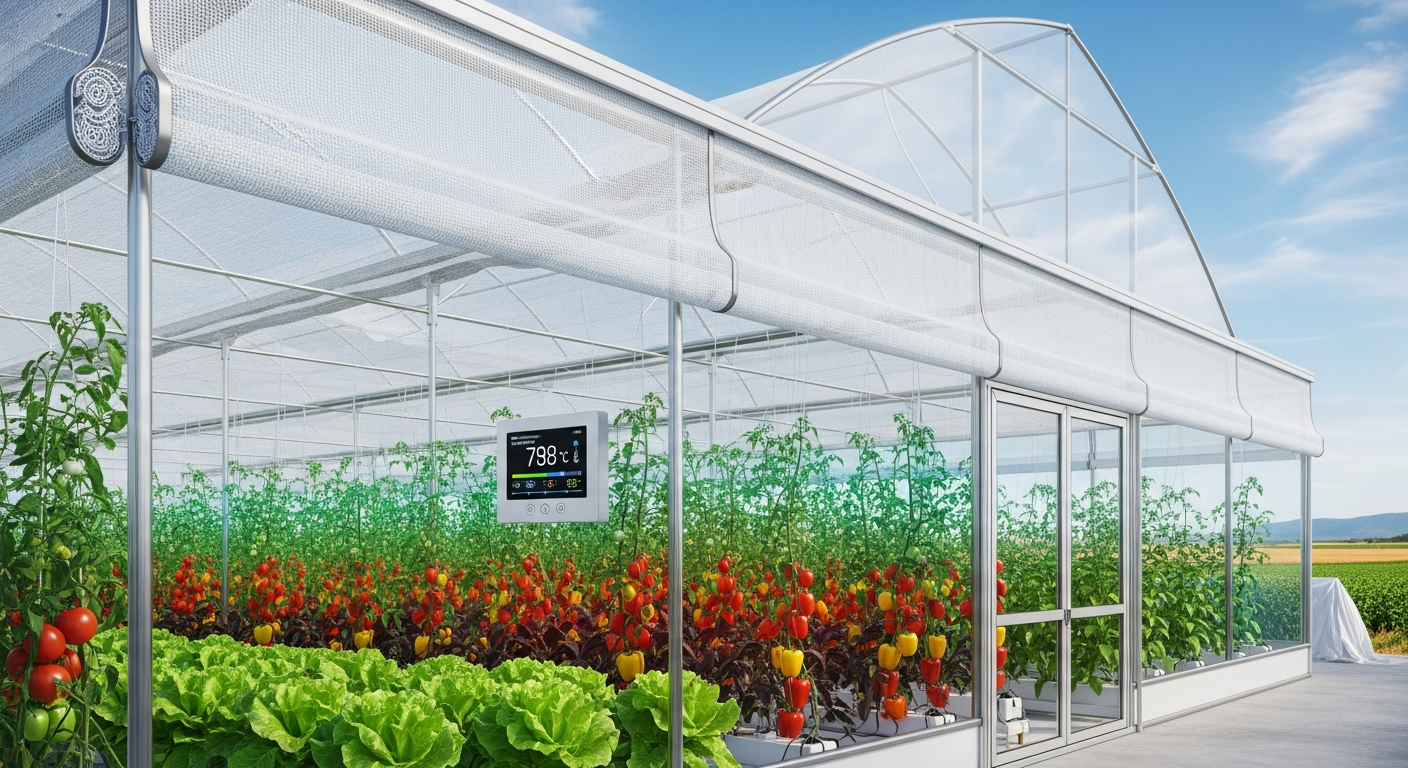
- Installation Method: Determine if you need external shading (typically over the roof) or internal shading (movable curtains). External shading is more effective at blocking heat before it enters the greenhouse.
- Attachment Points: Ensure the material has reinforced eyelets or edges for secure attachment to withstand wind and tension without tearing.
Proper installation is also key to ensuring the longevity of even the most durable materials. Ensure the shade cloth is adequately tensioned to prevent flapping in the wind, which can cause premature wear and tear.
Conclusion
In the dynamic world of greenhouse cultivation, making informed choices about your equipment is essential for success. Investing in UV-stabilized shading materials is not merely an expense; it’s a strategic investment that pays dividends in multiple ways. From providing unparalleled durability and extending the lifespan of your greenhouse infrastructure to ensuring superior climate control, protecting your plants, and contributing to greater energy efficiency and environmental responsibility, the benefits are clear and compelling.
For any grower serious about creating optimal growing conditions, safeguarding their plants, and maximizing the return on their greenhouse investment, UV-stabilized shading is simply the smarter, more sustainable choice. It’s a foundational element for achieving a thriving, productive, and resilient greenhouse environment for years to come.